
 EN
EN


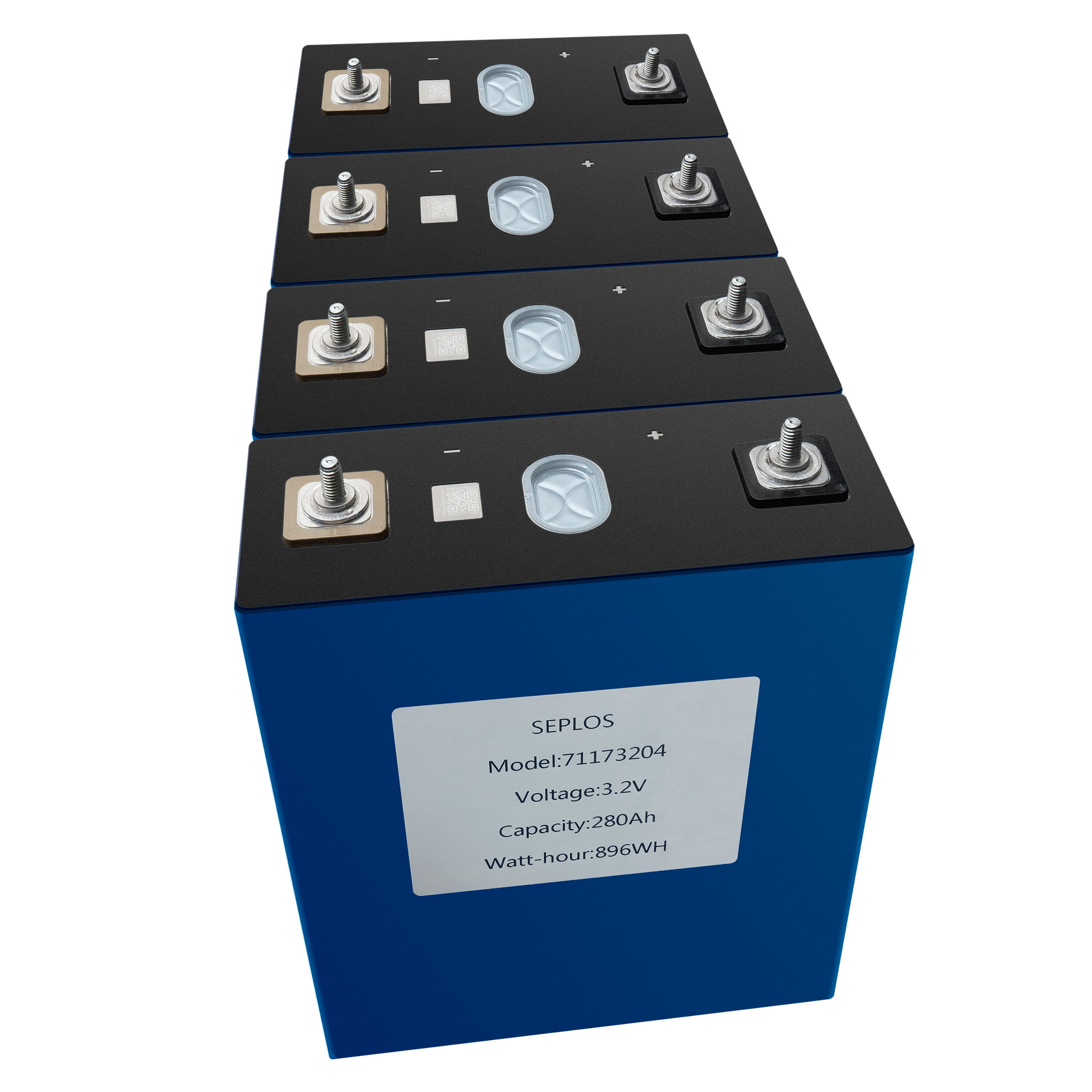
The growing adoption of electric vehicles and renewable energy systems has created an unprecedented demand for power battery solutions worldwide. As these advanced energy storage systems reach the end of their operational life, the importance of proper power battery recycling becomes increasingly critical for environmental sustainability and resource conservation. Understanding the complexities of power battery recycling processes, regulatory frameworks, and emerging technologies is essential for manufacturers, fleet operators, and energy system integrators who must navigate this evolving landscape responsibly.
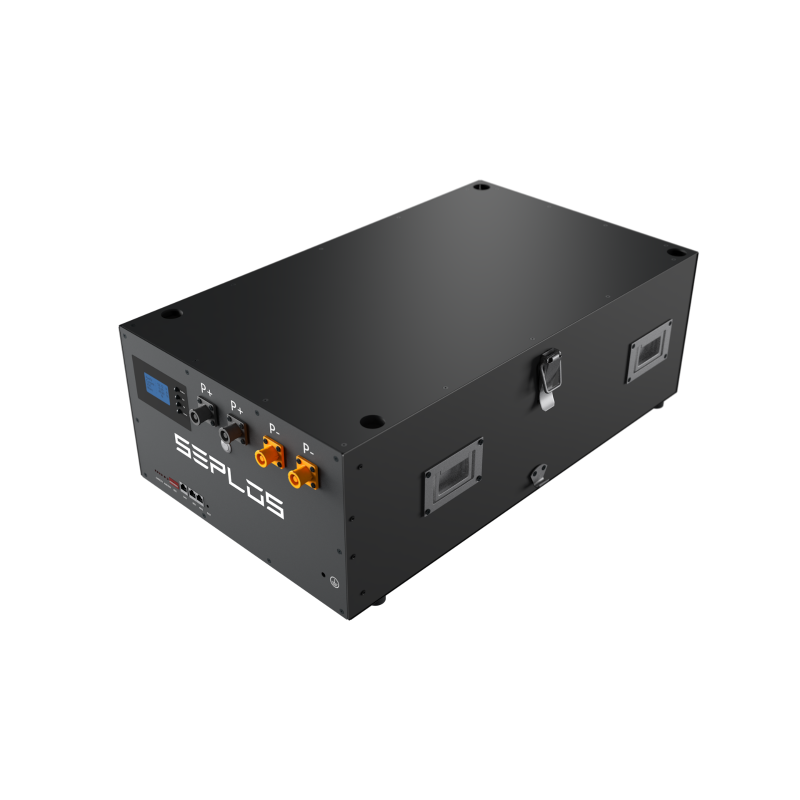
Modern power battery technologies contain valuable materials including lithium, cobalt, nickel, and rare earth elements that can be recovered and reused through sophisticated recycling processes. The economic and environmental benefits of power battery recycling extend far beyond simple waste management, creating opportunities for circular economy models that reduce mining pressure while generating new revenue streams. Industries ranging from automotive to grid storage are developing comprehensive strategies to manage power battery lifecycles from initial deployment through final material recovery.
Understanding Power Battery Composition and Materials
Critical Materials in Modern Power Battery Systems
Contemporary power battery designs incorporate sophisticated material compositions that determine both performance characteristics and recycling complexity. Lithium-ion power battery systems typically contain lithium carbonate, cobalt sulfate, nickel compounds, and aluminum foils that each require specialized recovery techniques. The cathode materials in power battery cells represent the highest value components for recycling operations, often containing 60-70% of the recoverable material value within each power battery unit.
Anode materials in power battery systems primarily consist of graphite and silicon compounds, which present different recycling challenges compared to cathode recovery processes. The electrolyte solutions used in power battery cells contain organic solvents and lithium salts that must be carefully handled during disassembly and processing operations. Understanding these material compositions enables recycling facilities to optimize their power battery processing workflows for maximum material recovery rates and economic efficiency.
Structural Components and Separation Challenges
Power battery packs incorporate complex mechanical structures including housing materials, thermal management systems, and electronic control components that complicate recycling operations. The separation of active materials from structural components requires specialized equipment and processes designed specifically for power battery applications. Battery management systems within power battery packs contain valuable electronic components that can be recovered separately from the electrochemical materials.
Adhesives, sealants, and protective coatings used in power battery construction create additional separation challenges that influence overall recycling efficiency and cost-effectiveness. The modular design of many modern power battery systems can facilitate easier disassembly when recycling protocols are considered during initial product development. Advanced power battery recycling facilities are developing automated disassembly systems that can efficiently process various power battery form factors and configurations.
Current Power Battery Recycling Technologies
Pyrometallurgical Processing Methods
High-temperature pyrometallurgical processes represent one of the most established approaches for power battery recycling, utilizing furnace systems operating at temperatures exceeding 1400°C to recover metallic components. These thermal processing methods can effectively recover cobalt, nickel, and copper from power battery materials, though lithium recovery rates are typically limited using pyrometallurgical approaches. The energy intensity of pyrometallurgical power battery recycling creates both cost considerations and environmental impact factors that influence facility design and operation.
Smelting operations for power battery recycling generate metal alloys that require additional refining processes to separate individual materials for reuse applications. The scalability of pyrometallurgical power battery recycling makes this approach attractive for high-volume processing facilities, though material loss rates can impact overall economic performance. Advanced furnace designs are being developed specifically for power battery recycling applications, incorporating improved temperature control and emission management systems.
Hydrometallurgical Recovery Processes
Solution-based hydrometallurgical processes offer more selective material recovery capabilities for power battery recycling, utilizing chemical leaching and precipitation techniques to separate individual elements. These wet processing methods can achieve higher lithium recovery rates compared to pyrometallurgical approaches, making them particularly valuable for power battery recycling applications. The lower operating temperatures required for hydrometallurgical power battery processing can reduce energy consumption and environmental impact compared to high-temperature alternatives.
Chemical reagent management and wastewater treatment requirements add complexity to hydrometallurgical power battery recycling operations, requiring specialized expertise and infrastructure investments. The selectivity of hydrometallurgical processes enables the production of battery-grade materials directly from recycled power battery feedstock, creating closed-loop recycling opportunities. Emerging hydrometallurgical techniques are being developed to improve processing efficiency and reduce chemical consumption in power battery recycling applications.
Regulatory Framework and Compliance Requirements
International Standards and Certification Programs
Global regulatory frameworks for power battery recycling are evolving rapidly as governments recognize the environmental and economic importance of proper battery end-of-life management. The European Union's Battery Regulation establishes comprehensive requirements for power battery collection, recycling, and material recovery rates that will influence global industry practices. International standards organizations are developing certification programs specifically for power battery recycling facilities to ensure consistent quality and environmental performance.
Transportation regulations for used power battery systems create additional compliance requirements that affect collection and processing logistics throughout the recycling supply chain. The classification of power battery materials under hazardous waste regulations varies by jurisdiction, influencing handling procedures and facility licensing requirements. Emerging extended producer responsibility programs are placing greater accountability on power battery manufacturers for end-of-life management and recycling performance.
Regional Implementation and Enforcement
Regional variations in power battery recycling regulations create compliance challenges for multinational companies operating across different jurisdictions with varying requirements and standards. The enforcement mechanisms for power battery recycling mandates range from financial penalties to market access restrictions, creating strong incentives for compliance throughout the industry. Regulatory reporting requirements for power battery recycling activities are becoming more detailed and frequent, requiring sophisticated tracking and documentation systems.
Local permitting processes for power battery recycling facilities involve multiple agencies and stakeholder groups, often requiring extensive environmental impact assessments and community engagement efforts. The harmonization of power battery recycling standards across different regions is progressing slowly, creating ongoing challenges for global supply chain management. Regulatory incentives for power battery recycling investments are being implemented in many jurisdictions to accelerate industry development and capacity expansion.
Economic Aspects of Power Battery Recycling
Cost Structure and Revenue Models
The economics of power battery recycling depend heavily on material commodity prices, processing costs, and the scale of operations required to achieve profitability in competitive markets. Revenue generation from power battery recycling comes from both material sales and processing fees charged to battery producers and end-users seeking responsible disposal options. The volatility of lithium, cobalt, and nickel prices creates significant uncertainty in power battery recycling business models, requiring flexible operational strategies and long-term supply agreements.
Capital investment requirements for establishing power battery recycling facilities are substantial, typically requiring specialized equipment, environmental controls, and safety systems that increase initial project costs. Operating expenses for power battery recycling include labor, energy, chemicals, and waste disposal costs that must be balanced against recovered material revenues and processing fees. The development of regional power battery recycling networks can improve transportation efficiency and reduce logistics costs throughout the collection and processing chain.
Market Dynamics and Investment Trends
Growing investor interest in power battery recycling ventures reflects both the environmental necessity and long-term profit potential of this emerging industry sector. The establishment of strategic partnerships between power battery manufacturers and recycling companies is creating new business models that integrate recycling considerations into initial product design and development. Market consolidation in the power battery recycling industry is expected as larger players acquire smaller facilities to achieve economies of scale and geographic coverage.
Government incentives and subsidies for power battery recycling investments are influencing facility location decisions and technology selection processes throughout the industry. The competition for used power battery feedstock is intensifying as recycling capacity expands, potentially increasing collection costs and affecting overall project economics. Advanced power battery technologies with improved recyclability features are being developed to enhance end-of-life material recovery and economic performance.
Environmental Impact and Sustainability Benefits
Carbon Footprint Reduction Through Recycling
Comprehensive lifecycle assessments demonstrate that power battery recycling can significantly reduce carbon emissions compared to primary material production from mining operations. The energy savings achieved through power battery recycling vary by technology and scale, but typically range from 50-80% compared to virgin material processing for equivalent quantities. Transportation emissions associated with power battery collection and processing must be considered in overall environmental impact calculations for recycling operations.
The displacement of mining activities through power battery recycling reduces environmental disruption and habitat destruction associated with extractive industries in sensitive ecosystems. Water consumption for power battery recycling is generally lower than primary production processes, though hydrometallurgical operations still require significant water management and treatment capabilities. The reduction of hazardous waste generation through proper power battery recycling prevents soil and groundwater contamination that could result from improper disposal practices.
Resource Conservation and Circular Economy Integration
Strategic power battery recycling programs contribute to global resource security by reducing dependence on imported raw materials and volatile commodity markets. The integration of recycling considerations into power battery design processes enables more efficient material recovery and supports circular economy principles throughout the industry. Regional power battery recycling capabilities can enhance supply chain resilience and reduce geopolitical risks associated with critical material sourcing.
The development of closed-loop power battery recycling systems where recycled materials return directly to new battery production represents the ultimate sustainability goal for the industry. Material quality improvements in power battery recycling processes are enabling higher percentages of recycled content in new battery production without performance compromises. The expansion of power battery recycling infrastructure supports broader sustainability objectives across transportation electrification and renewable energy deployment initiatives.
Emerging Technologies and Future Innovations
Advanced Separation and Recovery Techniques
Innovative mechanical separation technologies are being developed to improve power battery disassembly efficiency and reduce the energy requirements for material recovery processes. Artificial intelligence and machine learning systems are being integrated into power battery recycling operations to optimize processing parameters and improve material separation accuracy. Biotechnology approaches utilizing specialized microorganisms show promise for selective material recovery from power battery waste streams with reduced environmental impact.
Electrochemical recycling methods offer potential advantages for power battery processing by enabling material recovery under ambient conditions with precise control over separation processes. The development of mobile power battery recycling units could improve collection efficiency and reduce transportation costs for distributed battery installations. Advanced sensor technologies are enabling real-time monitoring and optimization of power battery recycling processes to maximize recovery rates and minimize waste generation.
Digital Integration and Process Optimization
Blockchain technology is being explored for power battery traceability throughout the recycling supply chain, enabling better compliance monitoring and quality assurance programs. Digital twin technologies are being applied to power battery recycling facility design and operation to optimize process efficiency and predict maintenance requirements. The integration of Internet of Things sensors throughout power battery recycling operations enables predictive maintenance and real-time process optimization capabilities.
Automated sorting and processing systems are reducing labor requirements and improving safety in power battery recycling facilities while increasing processing throughput and consistency. Machine learning algorithms are being developed to predict optimal processing conditions for different power battery types and degradation states to maximize material recovery. The digitization of power battery recycling operations is enabling better integration with upstream and downstream supply chain partners for improved coordination and efficiency.
FAQ
What materials can be recovered from power battery recycling
Power battery recycling can recover valuable materials including lithium, cobalt, nickel, manganese, aluminum, copper, and graphite depending on the battery chemistry and recycling technology employed. The recovery rates for these materials typically range from 70-95% for most elements, with lithium recovery being more challenging in some recycling processes. Additional materials such as steel, plastic housings, and electronic components can also be recovered and recycled through specialized processing techniques.
How long does the power battery recycling process take
The complete power battery recycling process typically takes between 2-6 weeks from collection to final material output, depending on the facility capacity, processing technology, and batch sizes being handled. Initial disassembly and safety procedures usually require 1-2 days, while material processing and purification can take several weeks to complete. Large-scale facilities with continuous processing capabilities can achieve faster throughput times, while smaller operations may require longer processing cycles.
What are the safety considerations for power battery recycling
Power battery recycling operations require extensive safety protocols including fire suppression systems, ventilation controls, personal protective equipment, and emergency response procedures for handling potentially hazardous materials. The risk of thermal runaway in damaged power battery cells necessitates specialized handling procedures and temperature monitoring throughout the recycling process. Chemical exposure risks from electrolytes and processing reagents require proper containment systems and worker training programs to ensure safe operations.
How does power battery recycling affect new battery production costs
Power battery recycling can reduce new battery production costs by providing recycled materials at lower prices than virgin materials, though the impact varies significantly based on commodity prices and recycling process efficiency. The integration of recycled materials into new power battery production can reduce manufacturing costs by 10-30% for critical materials like lithium and cobalt. However, the quality requirements for battery-grade materials may require additional purification steps that can offset some cost advantages from recycled feedstock.
