
 EN
EN


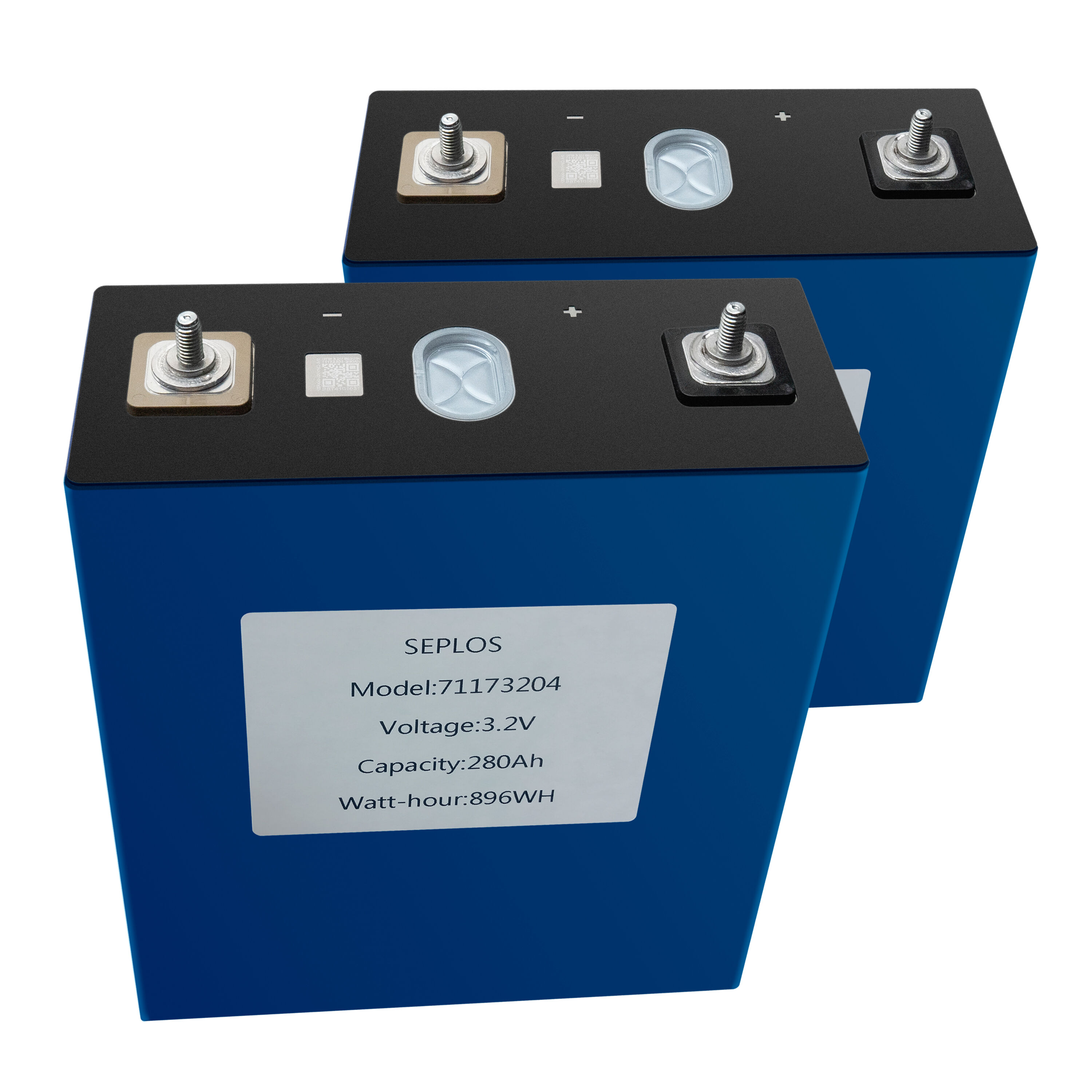
The automotive industry stands at a pivotal moment as power battery technology fundamentally transforms how we think about electric vehicles. Advanced power battery systems are no longer just energy storage units but sophisticated technological ecosystems that determine vehicle performance, range, charging speed, and overall user experience. The rapid evolution of power battery chemistry, management systems, and manufacturing processes has accelerated electric vehicle adoption worldwide, creating unprecedented opportunities for sustainable transportation solutions.
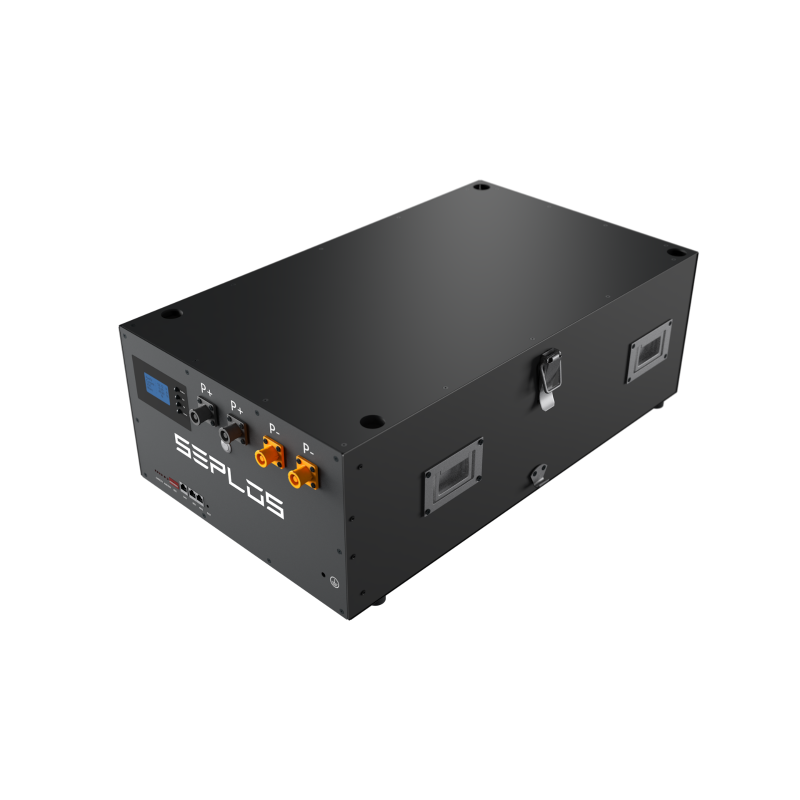
Modern power battery technology represents decades of research and development converging into practical applications that address real-world transportation challenges. Battery manufacturers have overcome significant hurdles related to energy density, thermal management, safety protocols, and cost optimization. These breakthroughs enable electric vehicles to compete directly with internal combustion engines across multiple performance metrics while offering superior environmental benefits and lower operational costs over the vehicle lifecycle.
Revolutionary Chemistry Advances in Power Battery Design
Lithium Iron Phosphate Chemistry Breakthrough
Lithium Iron Phosphate technology has emerged as the preferred chemistry for many electric vehicle applications due to its exceptional safety profile and longevity characteristics. This power battery chemistry offers superior thermal stability compared to traditional lithium-ion alternatives, significantly reducing fire risk and enabling more robust battery management systems. Manufacturing costs for LiFePO4 power battery systems have decreased substantially, making electric vehicles more accessible to mainstream consumers without compromising performance or safety standards.
The cycle life of LiFePO4 power battery technology often exceeds 3,000 charge-discharge cycles while maintaining over 80% capacity retention. This longevity translates to vehicles that can operate for decades with minimal battery degradation, fundamentally changing the economics of electric vehicle ownership. Advanced battery management systems optimize charging patterns and thermal conditions to maximize this inherent durability, creating power battery solutions that outlast traditional automotive powertrains.
Solid-State Power Battery Innovation
Solid-state power battery technology represents the next frontier in electric vehicle energy storage, promising significantly higher energy densities and enhanced safety characteristics. These advanced power battery systems replace liquid electrolytes with solid ceramic or polymer materials, eliminating many safety concerns associated with thermal runaway while enabling faster charging capabilities. Research institutions and manufacturers worldwide are investing billions in solid-state power battery development, with commercial applications expected within the next decade.
Temperature tolerance in solid-state power battery systems far exceeds conventional lithium-ion technology, enabling electric vehicles to operate efficiently in extreme climates without complex thermal management systems. The reduced weight and volume of solid-state power battery packs allow vehicle designers greater flexibility in optimizing aerodynamics, interior space, and overall vehicle architecture. These advantages position solid-state technology as a transformative force that will reshape electric vehicle capabilities and market adoption patterns.
Advanced Battery Management and Control Systems
Intelligent Thermal Management Solutions
Sophisticated thermal management systems ensure power battery performance optimization across diverse operating conditions and climate zones. Advanced cooling technologies, including liquid cooling loops and phase-change materials, maintain optimal power battery temperatures during charging, discharging, and standby operations. These systems prevent overheating during rapid charging sessions while ensuring adequate warming in cold climates to maintain power battery efficiency and longevity.
Machine learning algorithms continuously monitor power battery cell temperatures, voltage levels, and current flow patterns to predict potential issues before they affect vehicle performance. Predictive thermal management enables proactive cooling system activation, optimizing energy consumption while protecting power battery cells from temperature-induced degradation. This intelligent approach extends power battery lifespan significantly while maintaining consistent vehicle performance across varying environmental conditions and driving patterns.
State-of-Charge Monitoring and Optimization
Precise state-of-charge monitoring has become crucial for maximizing power battery utilization while preventing damage from overcharging or deep discharge scenarios. Advanced battery management systems employ sophisticated algorithms that track individual cell voltages, internal resistance changes, and capacity variations across the entire power battery pack. This granular monitoring enables optimal charge balancing and early detection of failing cells before they compromise overall pack performance.
Real-time power battery diagnostics provide drivers with accurate range predictions and charging recommendations based on current driving patterns, environmental conditions, and destination requirements. These systems learn from historical usage data to improve prediction accuracy over time, reducing range anxiety and optimizing charging schedules. The integration of cloud-based analytics allows power battery performance data to inform vehicle software updates and maintenance scheduling, creating a comprehensive ecosystem for battery health management.
Manufacturing Innovations Driving Cost Reduction
Automated Production Line Technologies
Automated manufacturing processes have revolutionized power battery production efficiency while dramatically reducing per-unit costs and quality variations. Robotic assembly systems ensure consistent electrode coating, cell assembly, and pack integration with precision levels impossible to achieve through manual processes. These automated systems operate continuously with minimal human intervention, significantly increasing production throughput while maintaining stringent quality control standards essential for automotive applications.
Advanced quality control systems integrate machine vision, automated testing, and data analytics to identify potential power battery defects during manufacturing rather than after assembly completion. This proactive approach reduces waste, improves overall power battery reliability, and enables manufacturers to scale production volumes rapidly to meet growing electric vehicle demand. Continuous process optimization through artificial intelligence and machine learning further enhances manufacturing efficiency and product consistency.
Supply Chain Integration and Raw Material Sourcing
Vertical integration of supply chains has enabled power battery manufacturers to control raw material quality while reducing dependency on external suppliers for critical components. Strategic partnerships with lithium, nickel, and cobalt producers ensure stable pricing and consistent material quality for power battery production. This integration approach provides manufacturers greater flexibility in responding to market demands while maintaining competitive pricing structures.
Recycling initiatives within power battery manufacturing create closed-loop systems that recover valuable materials from end-of-life batteries for reuse in new production cycles. These recycling programs reduce environmental impact while decreasing reliance on newly mined raw materials, contributing to more sustainable power battery manufacturing practices. Advanced separation technologies enable high recovery rates for lithium, cobalt, and other valuable materials, creating additional revenue streams while supporting environmental sustainability goals.
Performance Optimization and Vehicle Integration
Power Delivery and Acceleration Characteristics
Modern power battery systems deliver instantaneous torque that fundamentally changes electric vehicle driving dynamics compared to internal combustion engines. High-performance power battery packs can discharge hundreds of kilowatts continuously, enabling sports car acceleration performance in family sedans and SUVs. This immediate power delivery creates responsive driving experiences that exceed traditional automotive performance expectations while maintaining energy efficiency.
Regenerative braking systems integrate seamlessly with power battery technology to recover kinetic energy during deceleration, extending vehicle range while providing natural engine braking effects. Advanced power battery management systems optimize regenerative charging rates based on battery temperature, state of charge, and driving conditions to maximize energy recovery without compromising power battery longevity. This integration creates a synergistic relationship between vehicle dynamics and energy storage that improves overall efficiency.
Range Extension and Charging Infrastructure Compatibility
High-capacity power battery systems now enable electric vehicles to achieve ranges exceeding 400 miles on a single charge, effectively eliminating range anxiety for most driving scenarios. These extended-range power battery packs utilize advanced cell chemistries and packaging techniques to maximize energy storage within existing vehicle architectures. Improved aerodynamics and vehicle efficiency further extend the practical range of power battery systems, making electric vehicles suitable for long-distance travel.
Fast-charging compatibility allows modern power battery systems to accept high-power charging rates, reducing charging times to under 30 minutes for 80% capacity restoration. Advanced thermal management during rapid charging prevents power battery degradation while maintaining safe operating temperatures throughout the charging process. This fast-charging capability, combined with expanding charging infrastructure networks, creates practical electric vehicle ownership experiences that rival conventional fuel-powered vehicles.
Environmental Impact and Sustainability Considerations
Lifecycle Carbon Footprint Analysis
Comprehensive lifecycle assessments demonstrate that power battery manufacturing carbon footprints are quickly offset by the environmental benefits of electric vehicle operation. Advanced manufacturing processes increasingly utilize renewable energy sources, further reducing the carbon intensity of power battery production. Studies consistently show that electric vehicles with modern power battery systems produce significantly lower lifetime emissions compared to internal combustion vehicles, even when accounting for electricity generation from fossil fuels.
Regional variations in electricity generation affect the environmental benefits of power battery systems, with areas utilizing renewable energy sources providing greater emission reductions. As electrical grids transition toward cleaner generation sources, the environmental advantages of power battery technology continue to improve throughout the vehicle lifecycle. This positive trend ensures that electric vehicles become increasingly sustainable as renewable energy adoption accelerates globally.
End-of-Life Recycling and Material Recovery
Advanced recycling technologies can recover over 95% of valuable materials from end-of-life power battery systems, creating circular economy opportunities within the electric vehicle industry. Specialized recycling facilities process power battery packs to extract lithium, cobalt, nickel, and other materials for reuse in new battery production. These recovery processes reduce mining requirements for virgin materials while creating economic incentives for responsible power battery disposal.
Second-life applications extend power battery utility beyond automotive use, with retired vehicle batteries finding new purposes in stationary energy storage systems. These applications utilize the remaining capacity of automotive power battery systems for grid stabilization, renewable energy storage, and backup power applications. This extended utility maximizes the value and environmental benefits of power battery investments while creating new business opportunities in the energy storage sector.
Future Developments and Market Trends
Emerging Chemistry Technologies
Next-generation power battery chemistries promise even higher energy densities and improved performance characteristics compared to current lithium-ion technologies. Lithium-metal, lithium-sulfur, and aluminum-ion power battery systems under development could revolutionize electric vehicle capabilities while reducing costs and environmental impact. These emerging technologies address current limitations in energy density, charging speed, and material availability that constrain existing power battery systems.
Research into alternative power battery materials focuses on abundant, low-cost elements that can replace scarce materials like cobalt and lithium in future battery chemistries. Sodium-ion and magnesium-ion power battery technologies show promise for large-scale applications where cost and material availability outweigh energy density considerations. These alternative chemistries could democratize electric vehicle access while reducing geopolitical risks associated with critical material sourcing.
Integration with Renewable Energy Systems
Vehicle-to-grid technology enables power battery systems to function as distributed energy storage resources, providing grid services while vehicles are parked. This bidirectional power flow capability allows electric vehicle owners to sell stored energy back to the electrical grid during peak demand periods, creating additional revenue streams that offset vehicle ownership costs. Advanced power battery management systems optimize these transactions to maximize financial benefits while preserving battery longevity.
Smart charging systems coordinate power battery charging schedules with renewable energy generation patterns, maximizing the use of clean electricity while minimizing grid stress. These systems can delay charging during peak demand periods or accelerate charging when excess renewable generation is available. The integration of power battery systems with smart grid technologies creates a more resilient and efficient electrical infrastructure while supporting renewable energy adoption.
FAQ
What factors determine power battery lifespan in electric vehicles
Power battery lifespan depends primarily on charge-discharge cycles, operating temperature, depth of discharge, and charging patterns. Most modern power battery systems are designed to maintain 80% capacity after 8-10 years of typical use. Avoiding extreme temperatures, minimizing deep discharges, and using appropriate charging rates can significantly extend power battery life. Advanced battery management systems automatically optimize these factors to maximize longevity.
How do different power battery chemistries compare for electric vehicle applications
Lithium Iron Phosphate power battery systems offer superior safety and longevity but lower energy density compared to nickel-based chemistries. Nickel-cobalt-manganese power battery technology provides higher energy density for extended range but requires more sophisticated thermal management. The choice between chemistries depends on application priorities such as cost, range, safety, and performance requirements. Many manufacturers now offer multiple chemistry options to address diverse market needs.
What role does thermal management play in power battery performance
Thermal management is critical for maintaining optimal power battery performance, safety, and longevity across all operating conditions. Effective cooling systems prevent overheating during rapid charging and high-power discharge scenarios while heating systems maintain efficiency in cold climates. Poor thermal management can significantly reduce power battery life and performance while creating safety risks. Advanced thermal management systems use predictive algorithms to optimize temperature control proactively.
How will solid-state power battery technology impact electric vehicle adoption
Solid-state power battery technology promises to address many current limitations of electric vehicles including charging time, energy density, and safety concerns. These advanced power battery systems could enable 1000-mile range vehicles with 10-minute charging capabilities while eliminating fire risks. However, commercial solid-state power battery production remains several years away due to manufacturing challenges and cost considerations. When available, this technology will likely accelerate electric vehicle adoption significantly.
