
 EN
EN


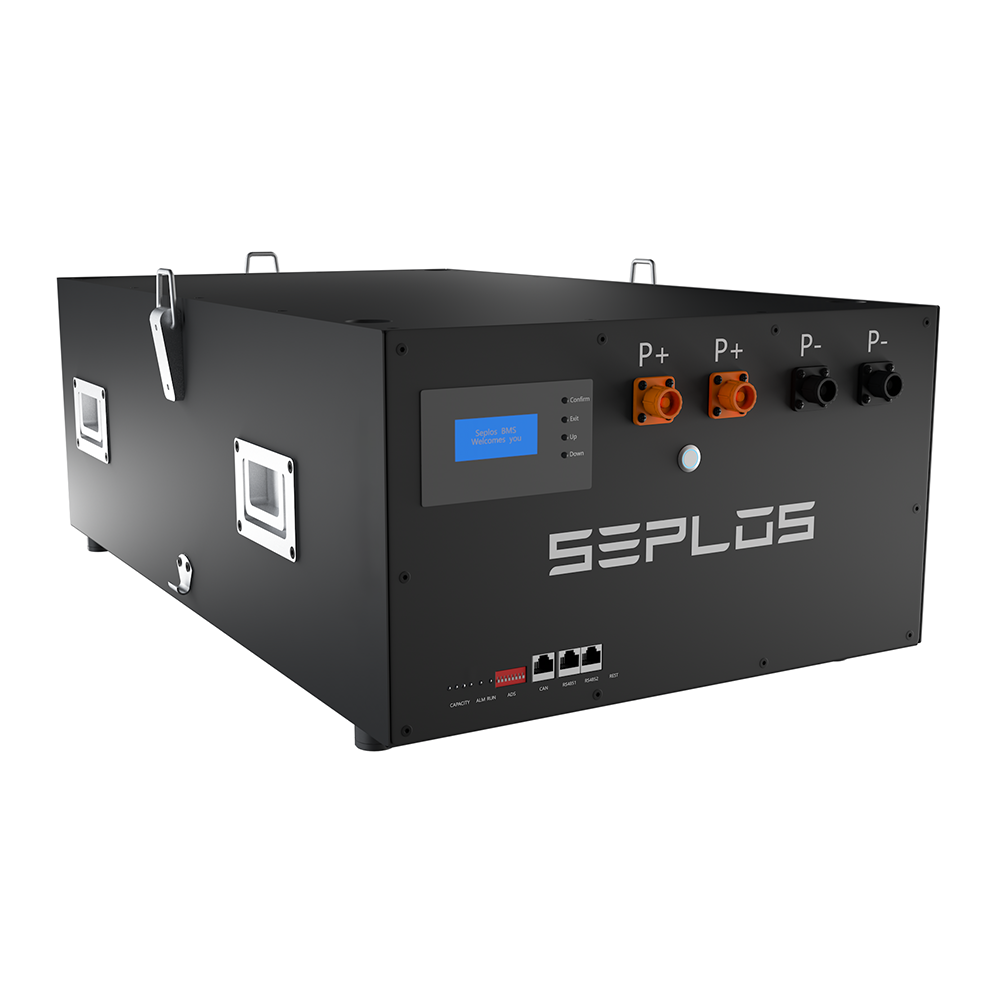
The decision to install home energy storage has become increasingly important as homeowners seek greater energy independence and reduced utility costs. With rising electricity prices and growing concerns about grid reliability, many households are evaluating whether to tackle a home energy storage installation themselves or hire professional installers. This comprehensive guide examines both approaches, helping you make an informed decision based on your technical skills, budget, and safety considerations.
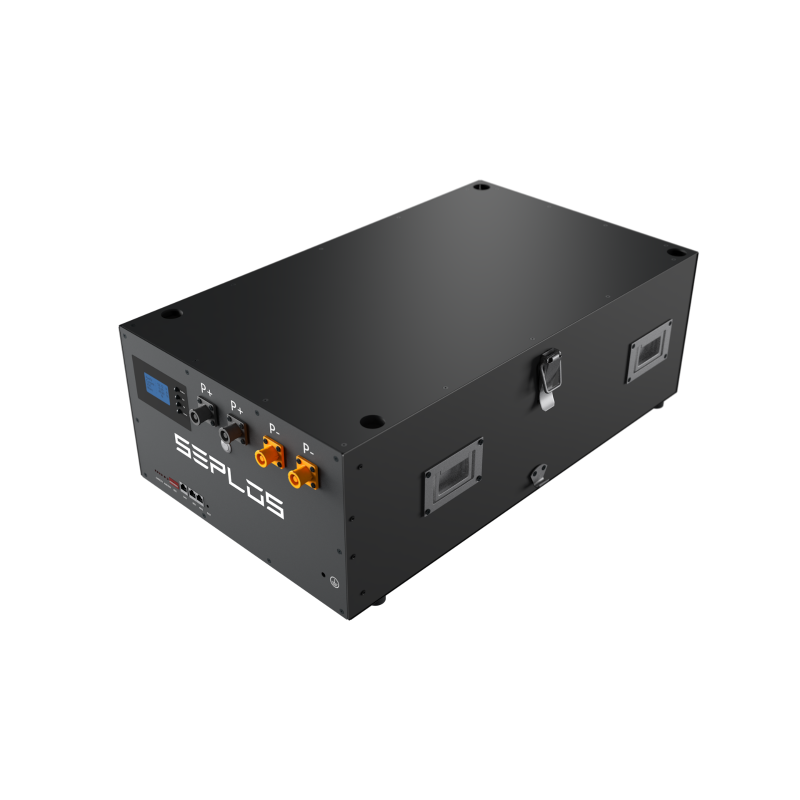
Understanding Home Energy Storage System Components
Battery Technologies and Configurations
Modern home energy storage systems primarily utilize lithium iron phosphate (LiFePO4) batteries due to their superior safety profile and longevity. These advanced battery systems can store excess solar energy generated during peak sunlight hours for use during evening periods or power outages. The modular design of contemporary home energy storage solutions allows homeowners to scale their systems according to their specific energy requirements and budget constraints.
Battery capacity is measured in kilowatt-hours (kWh), with most residential installations ranging from 10kWh to 20kWh depending on household consumption patterns. Understanding your daily energy usage is crucial for sizing an appropriate home energy storage system that meets your backup power needs while maximizing return on investment through peak shaving and load shifting strategies.
Inverter and Management Systems
The inverter serves as the brain of your home energy storage installation, converting DC power from batteries to AC power for household use. Hybrid inverters can simultaneously manage solar panel input, battery charging, and grid interaction, providing seamless energy management capabilities. Advanced battery management systems monitor individual cell voltages, temperatures, and charge states to optimize performance and extend battery life.
Smart monitoring features allow homeowners to track energy production, consumption, and storage levels through mobile applications or web interfaces. These sophisticated control systems enable automatic load prioritization during outages and can be programmed to maximize savings by utilizing stored energy during peak rate periods when electricity costs are highest.
DIY Installation Considerations and Requirements
Technical Skills and Knowledge Prerequisites
Attempting a DIY home energy storage installation requires substantial electrical knowledge and hands-on experience with high-voltage systems. Installers must understand DC electrical principles, battery safety protocols, and local electrical codes to ensure a safe and compliant installation. Basic requirements include proficiency with electrical meters, wire sizing calculations, and proper grounding techniques.
Safety considerations are paramount when working with home energy storage systems, as improper installation can result in fire hazards, equipment damage, or personal injury. DIY installers must also be comfortable working with heavy battery modules, often weighing 100-200 pounds each, and have access to appropriate lifting equipment and workspace for assembly.
Tools and Equipment Needed
A comprehensive DIY home energy storage installation requires specialized tools including torque wrenches for proper battery connections, DC-rated circuit breakers, and high-quality electrical cables rated for the system voltage and current. Professional-grade crimping tools ensure reliable connections, while digital multimeters enable proper system commissioning and troubleshooting.
Additional equipment needs include appropriate personal protective equipment, battery lifting straps or mechanical aids, and environmental monitoring tools to verify installation site conditions. The initial tool investment can range from $500 to $1,500, representing a significant consideration in the overall project budget for home energy storage installations.
Professional Installation Benefits and Processes
Expertise and Code Compliance
Professional installers bring extensive experience with home energy storage systems and stay current with evolving electrical codes and safety standards. Licensed electricians understand local permit requirements and can navigate utility interconnection procedures that may be complex for homeowners. Professional installation ensures compliance with National Electrical Code requirements and manufacturer warranty specifications.
Certified installers have access to specialized training programs and technical support from home energy storage manufacturers, enabling them to address complex installation challenges and optimize system performance. Professional installation typically includes comprehensive system testing, documentation, and ongoing support services that add significant value beyond the initial installation.
Warranty and Insurance Considerations
Many home energy storage manufacturers require professional installation to maintain warranty coverage, potentially voiding protection for DIY installations. Professional installers carry liability insurance and bonding that protects homeowners from potential damages during installation. These protections can be crucial given the high value of modern home energy storage systems and associated electrical infrastructure.
Insurance companies may also require professional installation certificates before providing coverage for home energy storage systems under homeowner policies. Professional installation documentation facilitates smoother insurance claims processes and may result in favorable policy terms for homes equipped with properly installed backup power systems.
Cost Analysis and Financial Considerations
DIY Installation Cost Breakdown
DIY home energy storage installations can potentially save homeowners 20-40% on total project costs by eliminating professional labor charges. However, these savings must be weighed against the time investment, tool purchases, and potential risks associated with self-installation. Material costs remain the same whether installing professionally or independently, typically representing 60-70% of total project expenses.
Hidden costs in DIY installations may include permit fees, electrical inspections, and potential rework if initial installation doesn't meet code requirements. Homeowners should also factor in the opportunity cost of time spent researching, planning, and executing a home energy storage installation, which can extend over several weeks for first-time installers.
Professional Installation Investment
Professional home energy storage installation costs typically range from $2,000 to $5,000 depending on system complexity and local labor rates. This investment includes project management, permitting assistance, system commissioning, and often multi-year service agreements. Professional installers can often complete installations in 1-2 days compared to weeks required for DIY approaches.
Many professional installers offer financing options that can make home energy storage more accessible to homeowners with limited upfront capital. These financing arrangements may include performance guarantees and maintenance packages that provide long-term value beyond the initial installation investment.
Safety and Risk Assessment
Electrical Safety Considerations
Home energy storage systems operate at voltages that can cause serious injury or death if improperly handled. DIY installers must understand arc flash hazards, proper lockout/tagout procedures, and emergency response protocols. Battery systems can deliver substantial short-circuit currents that require appropriate protective equipment and installation techniques.
Fire safety is particularly critical with home energy storage installations, as thermal runaway in lithium batteries can result in intense fires that are difficult to extinguish. Proper installation includes thermal monitoring, adequate ventilation, and appropriate fire suppression considerations that require professional expertise to implement correctly.
Long-term Reliability and Maintenance
Professional installers typically provide ongoing maintenance services and system monitoring that can extend the operational life of home energy storage systems. DIY installers must develop their own maintenance schedules and troubleshooting capabilities, which may result in reduced system performance or premature component failure if not executed properly.
System reliability depends heavily on proper initial installation and ongoing maintenance practices. Professional installation often includes predictive maintenance programs and remote monitoring capabilities that can identify potential issues before they result in system failures or safety hazards.
Permitting and Regulatory Requirements
Local Code Compliance
Home energy storage installations must comply with local electrical codes, building codes, and fire safety requirements that vary significantly by jurisdiction. Professional installers are familiar with these requirements and can ensure installations meet all applicable standards. DIY installers must research and understand complex regulatory requirements that may not be readily apparent to inexperienced individuals.
Permit applications for home energy storage systems require detailed electrical drawings and specifications that demonstrate code compliance. Many jurisdictions require licensed electrician signatures on permit applications, effectively mandating professional involvement even for DIY installations.
Utility Interconnection Procedures
Grid-tied home energy storage systems require utility approval and may involve complex interconnection agreements. Professional installers have established relationships with local utilities and understand the technical requirements for safe grid interconnection. DIY installers may face extended delays in utility approval processes without professional guidance and documentation.
Net metering and time-of-use rate optimization require sophisticated system programming that professional installers can configure based on local utility rate structures. Improper configuration can significantly reduce the financial benefits of home energy storage investments and may violate utility interconnection agreements.
FAQ
How long does a DIY home energy storage installation typically take
A DIY home energy storage installation typically requires 3-5 days of actual work spread over 2-4 weeks when including research, planning, permitting, and inspection processes. The timeline depends on the installer's experience level, system complexity, and local permitting requirements. First-time DIY installers should expect longer installation periods as they familiarize themselves with components and procedures.
What are the main warranty implications of DIY versus professional installation
Many home energy storage manufacturers require certified professional installation to maintain full warranty coverage. DIY installations may void equipment warranties or limit coverage to manufacturing defects only, excluding installation-related issues. Professional installation typically includes additional installer warranties covering workmanship and system performance that provide comprehensive protection for the investment.
Can DIY installers handle all aspects of home energy storage system setup
DIY installers can handle many aspects of home energy storage system setup, but certain tasks typically require professional involvement. Electrical connections to the main panel usually require licensed electrician work, and utility interconnection often mandates professional certification. System commissioning and programming may also require manufacturer-certified technicians to ensure optimal performance.
What are the most common mistakes in DIY home energy storage installations
Common DIY home energy storage installation mistakes include improper battery connections leading to reduced performance, inadequate ventilation causing thermal issues, and incorrect grounding creating safety hazards. Sizing errors in cables and protective devices can result in system failures or fire risks. Many DIY installers also underestimate the complexity of system programming and optimization, resulting in suboptimal energy management and reduced financial benefits.
