
 EN
EN


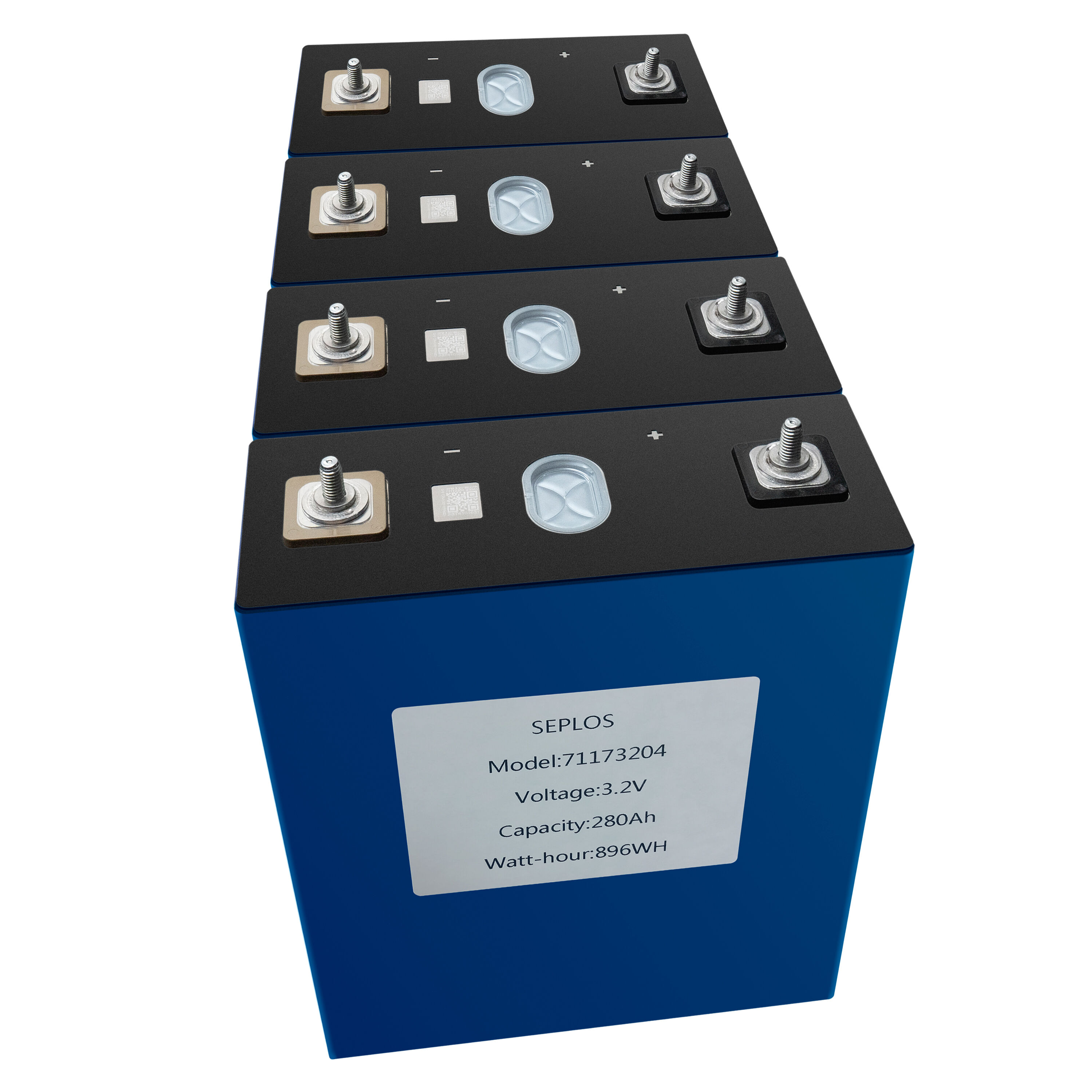
Modern energy storage systems have become indispensable for residential, commercial, and industrial applications worldwide. A well-maintained storage battery system ensures optimal performance, extends operational lifespan, and maximizes return on investment. Understanding proper maintenance protocols is crucial for anyone operating backup power systems, solar energy installations, or emergency power solutions. Regular care prevents costly premature failures and maintains system reliability when power is needed most.
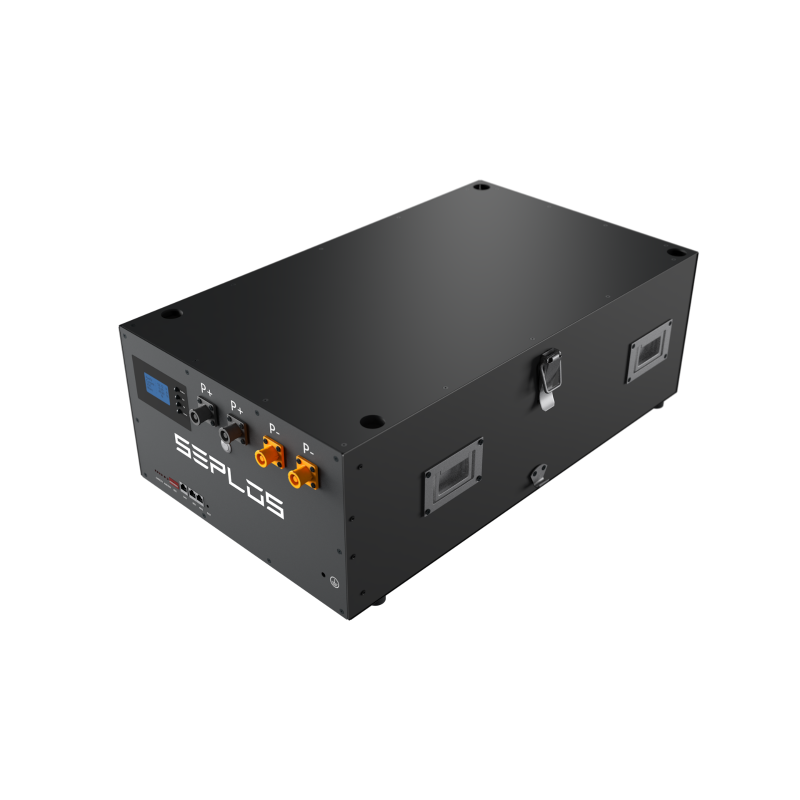
Understanding Storage Battery Fundamentals
Battery Chemistry Types and Characteristics
Storage battery systems utilize various chemical compositions, each requiring specific maintenance approaches. Lithium iron phosphate batteries dominate modern installations due to their exceptional cycle life and thermal stability. Lead-acid variants remain common in cost-sensitive applications, though they demand more intensive maintenance protocols. Nickel-based chemistries serve specialized industrial applications where extreme temperature tolerance is essential.
The storage battery chemistry directly influences maintenance frequency and procedures. Lithium systems typically require minimal active maintenance, focusing primarily on environmental monitoring and connection integrity. Conversely, flooded lead-acid batteries need regular electrolyte level checks and specific gravity measurements. Understanding your system's chemistry enables appropriate care scheduling and prevents maintenance oversights.
Capacity and Performance Metrics
Storage battery capacity degrades gradually through normal use cycles, making performance monitoring essential for maintenance planning. Capacity testing reveals current energy storage capabilities compared to nameplate specifications. This information guides replacement timing and identifies individual cells requiring attention within larger battery banks.
Regular performance assessment prevents unexpected system failures during critical periods. Professional storage battery testing equipment provides accurate capacity measurements, internal resistance readings, and cell balance information. These metrics enable predictive maintenance scheduling and optimize system reliability through proactive component replacement.
Environmental Factors Affecting Battery Performance
Temperature Control and Ventilation
Temperature significantly impacts storage battery performance, efficiency, and lifespan across all chemistry types. Excessive heat accelerates chemical degradation processes, reducing cycle life and available capacity. Cold temperatures temporarily reduce performance but generally cause less permanent damage than sustained high temperatures.
Proper ventilation systems maintain optimal operating temperatures while preventing harmful gas accumulation. Storage battery installations require adequate airflow to dissipate heat generated during charging and discharging cycles. Temperature monitoring systems provide early warning of thermal issues before permanent damage occurs.
Humidity and Corrosion Prevention
Moisture control prevents corrosion of terminal connections and internal components in storage battery systems. High humidity accelerates oxidation processes, creating electrical resistance and potential failure points. Proper sealing and climate control maintain dry conditions essential for long-term reliability.
Corrosion protection involves both preventive measures and regular inspection protocols. Anti-corrosion compounds applied to terminal connections resist oxidation and maintain electrical continuity. Regular cleaning removes accumulated dust and moisture that could compromise system integrity over time.
Routine Maintenance Procedures
Visual Inspection Protocols
Comprehensive visual inspections form the foundation of effective storage battery maintenance programs. Regular examinations identify physical damage, corrosion, swelling, or leakage before these issues cause system failures. Monthly visual checks catch problems early when corrective actions are less expensive and more effective.
Systematic inspection procedures ensure no critical areas are overlooked during routine maintenance visits. Documentation of observations creates maintenance histories that reveal developing trends and guide future service planning. Proper lighting and safety equipment enable thorough examinations without compromising technician safety.
Electrical Testing and Monitoring
Regular electrical testing maintains storage battery system performance through systematic measurement of key parameters. Voltage readings across individual cells identify imbalances requiring attention. Current measurements during charging and discharging reveal system efficiency and component condition.
Advanced monitoring systems provide continuous oversight of storage battery performance parameters. These systems generate alerts when measurements exceed predetermined thresholds, enabling immediate corrective action. Data logging capabilities create performance histories useful for trending analysis and predictive maintenance scheduling.
Preventive Care Strategies
Charging System Optimization
Proper charging protocols maximize storage battery lifespan while maintaining optimal performance characteristics. Overcharging accelerates degradation processes and can cause thermal runaway in certain chemistries. Undercharging prevents full capacity utilization and may lead to sulfation in lead-acid systems.
Modern charging controllers provide sophisticated algorithms tailored to specific storage battery chemistries and applications. These systems automatically adjust charging parameters based on temperature, age, and usage patterns. Regular calibration ensures charging systems maintain optimal performance as batteries age.
Load Management and Cycling
Strategic load management extends storage battery lifespan by minimizing stress cycles and deep discharge events. Partial discharge cycles typically cause less degradation than full depth cycles, particularly in lithium-based systems. Load shedding during extended outages preserves battery capacity for essential functions.
Proper cycling protocols balance system utilization with longevity considerations. Storage battery systems benefit from regular exercise to maintain chemical activity and prevent capacity loss from extended storage periods. Scheduled cycling programs ensure all cells receive appropriate activity levels regardless of natural load patterns.
Troubleshooting Common Issues
Capacity Loss and Degradation
Gradual capacity loss represents normal aging in storage battery systems, but accelerated degradation indicates maintenance issues or operating problems. Identifying root causes enables corrective actions that slow degradation rates. Common factors include temperature extremes, improper charging, and excessive cycling depth.
Capacity restoration techniques may recover some performance in certain storage battery chemistries. Equalization charging in lead-acid systems can reverse mild sulfation effects. Lithium systems may benefit from cell balancing procedures that redistribute charge among individual cells within battery packs.
Connection and Terminal Problems
Loose or corroded connections create electrical resistance that reduces storage battery system efficiency and generates heat. Regular torque verification maintains proper connection tightness according to manufacturer specifications. Anti-corrosion treatments protect terminal surfaces from oxidation and contamination.
Terminal maintenance involves both cleaning existing connections and preventing future corrosion. Proper cleaning techniques remove oxidation without damaging terminal surfaces or protective coatings. Quality terminal protectants create barriers against moisture and environmental contaminants that cause ongoing corrosion issues.
Safety Considerations in Battery Maintenance
Personal Protective Equipment
Storage battery maintenance requires appropriate personal protective equipment to ensure technician safety during service procedures. Eye protection prevents chemical splash injuries from electrolyte or cleaning solutions. Insulated tools prevent electrical shock hazards when working on energized systems.
Respiratory protection may be necessary when working with certain storage battery types that emit gases during normal operation or failure conditions. Proper ventilation combined with personal protective equipment creates safe working environments. Emergency eyewash stations and safety showers provide immediate response capabilities for chemical exposure incidents.
Hazardous Material Handling
Storage battery systems contain materials requiring special handling and disposal procedures according to environmental regulations. Lead-acid batteries contain toxic lead compounds and corrosive sulfuric acid electrolyte. Lithium systems present fire risks under certain failure conditions, requiring specific firefighting approaches.
Proper waste management ensures storage battery components are recycled or disposed of according to applicable regulations. Licensed waste handlers provide certified disposal services for end-of-life batteries. Documentation requirements create audit trails demonstrating regulatory compliance throughout the disposal process.
Professional Service vs DIY Maintenance
When to Engage Professional Services
Complex storage battery systems benefit from professional maintenance services that possess specialized equipment and expertise. Large commercial installations require sophisticated testing equipment beyond typical facility capabilities. Professional technicians understand safety protocols and regulatory requirements specific to battery maintenance operations.
Warranty considerations often mandate professional service to maintain coverage validity. Manufacturer-certified technicians ensure maintenance procedures comply with warranty terms and conditions. Professional documentation creates service records that support warranty claims and regulatory compliance requirements.
Basic Maintenance Tasks for End Users
Many routine storage battery maintenance tasks can be performed safely by trained facility personnel with appropriate equipment and procedures. Visual inspections, basic cleaning, and environmental monitoring fall within typical maintenance capabilities. Simple voltage measurements provide useful performance indicators without requiring specialized equipment.
Training programs enable facility staff to perform basic storage battery maintenance safely and effectively. Proper instruction covers safety protocols, inspection procedures, and documentation requirements. Ongoing education keeps maintenance personnel current with evolving technologies and best practices in battery care.
FAQ
How often should I perform maintenance on my storage battery system
Maintenance frequency depends on battery chemistry, application, and operating environment. Lithium storage battery systems typically require quarterly visual inspections and annual comprehensive testing. Lead-acid systems need monthly checks and more frequent maintenance due to their chemistry requirements. High-duty applications may require more frequent attention regardless of battery type.
What are the signs that my storage battery needs replacement
Key indicators include capacity loss exceeding 20% of rated specifications, frequent low voltage alarms, visible swelling or damage, and inability to hold charge for expected durations. Storage battery systems showing multiple symptoms simultaneously likely need replacement. Professional capacity testing provides definitive assessment of remaining useful life.
Can I mix different battery types in the same system
Mixing different storage battery types or ages within the same system is not recommended due to varying charging requirements and performance characteristics. Different chemistries have incompatible charging profiles that can damage batteries or create safety hazards. Even batteries of the same type should have similar age and capacity ratings for optimal system performance.
What temperature range is optimal for storage battery operation
Most storage battery chemistries perform optimally between 68-77°F (20-25°C). Lithium systems tolerate wider temperature ranges but still perform best within this range. Extreme temperatures accelerate aging processes and reduce available capacity. Temperature control systems maintain optimal operating conditions and extend battery lifespan significantly.
