
 EN
EN


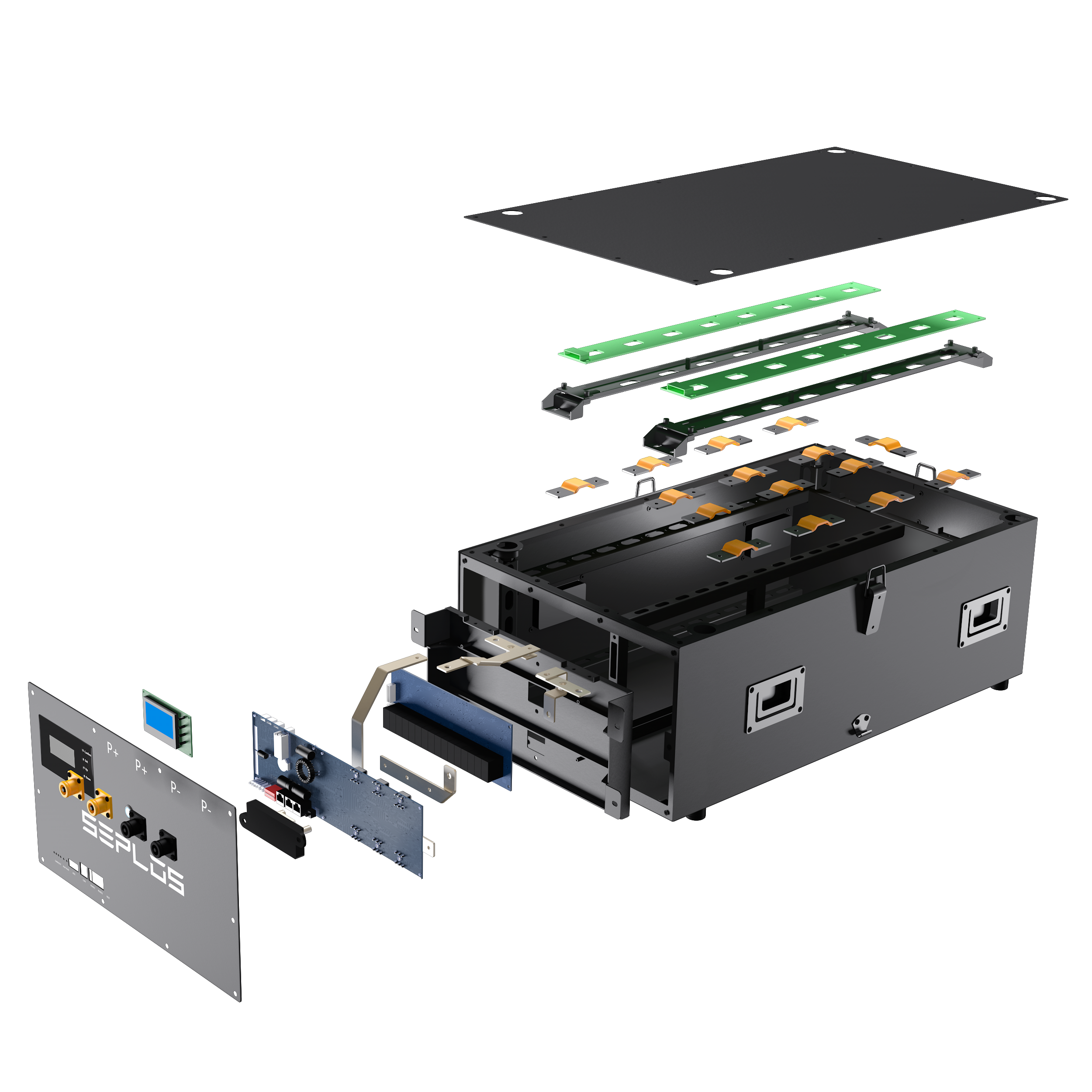
Rising electricity costs have prompted homeowners across the nation to seek innovative solutions for reducing their monthly power bills. Home energy storage systems represent a revolutionary approach to energy management, allowing households to capture, store, and deploy electricity when it's most cost-effective. These sophisticated battery systems work in conjunction with solar panels or independently to maximize energy efficiency and minimize dependence on the traditional electrical grid. By investing in home energy storage technology, families can achieve significant savings while contributing to a more sustainable energy future.
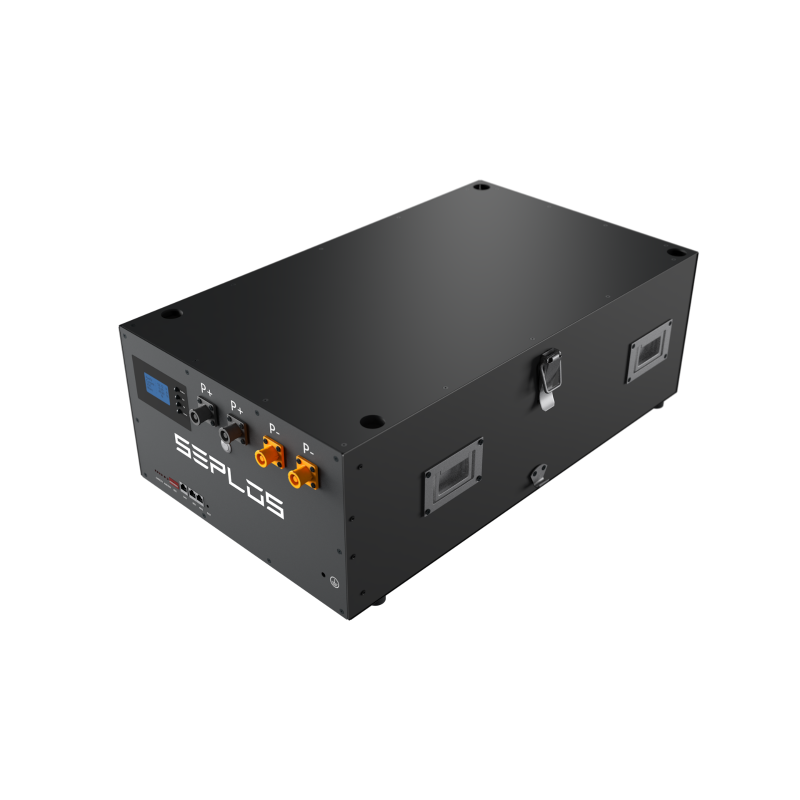
Understanding Home Energy Storage Technology
Battery Chemistry and Performance
Modern home energy storage systems primarily utilize lithium iron phosphate (LiFePO4) battery technology, which offers superior safety characteristics, longer cycle life, and consistent performance compared to traditional lead-acid alternatives. These advanced battery cells can withstand thousands of charge-discharge cycles while maintaining their capacity, making them ideal for daily residential applications. The chemistry provides excellent thermal stability, reducing fire risks and ensuring reliable operation across various temperature conditions. Professional installation teams configure these systems to optimize performance based on household energy consumption patterns and local utility rate structures.
Energy storage capacity is measured in kilowatt-hours (kWh), with typical residential systems ranging from 10 kWh to 20 kWh or more depending on household needs. The modular design of contemporary home energy storage solutions allows homeowners to start with a smaller system and expand capacity as requirements change. Battery management systems continuously monitor cell voltage, temperature, and current flow to ensure optimal operation and prevent damage from overcharging or deep discharge conditions. This intelligent monitoring extends battery lifespan and maintains system efficiency throughout the product's operational life.
Integration with Solar Power Systems
Home energy storage systems achieve maximum effectiveness when paired with rooftop solar installations, creating a comprehensive renewable energy ecosystem. During peak sunlight hours, solar panels generate electricity that exceeds immediate household consumption, with excess power directed to charge the battery system. This stored energy becomes available during evening hours, cloudy periods, or peak rate times when utility electricity costs are highest. The synergy between solar generation and energy storage creates opportunities for homeowners to achieve near energy independence while maximizing financial returns on their renewable energy investment.
Advanced inverter technology seamlessly manages the flow of electricity between solar panels, battery storage, household loads, and the utility grid. Smart energy management systems analyze real-time electricity prices, weather forecasts, and consumption patterns to optimize when to store energy, when to use stored power, and when to sell excess electricity back to the grid. This intelligent orchestration ensures homeowners capture maximum value from their home energy storage investment while maintaining reliable power supply for essential household functions.
Financial Benefits and Cost Savings
Time-of-Use Rate Optimization
Many utility companies implement time-of-use (TOU) rate structures that charge higher prices for electricity during peak demand periods, typically late afternoon and early evening hours. Home energy storage systems enable homeowners to avoid these expensive peak rates by using stored electricity during high-cost periods instead of drawing power from the grid. By charging batteries during off-peak hours when electricity rates are lowest, households can significantly reduce their monthly utility bills. Strategic energy management can result in savings of 30-50% or more on electricity costs, depending on local rate structures and usage patterns.
Demand charge reduction represents another significant financial benefit for homeowners with larger electrical loads. Some utility companies assess additional fees based on the highest amount of power drawn from the grid during any 15-minute interval within a billing period. Home energy storage systems can provide supplemental power during high-demand periods, effectively reducing peak demand charges and lowering overall electricity costs. This benefit becomes particularly valuable for households with electric vehicle charging, swimming pool equipment, or other high-power appliances that create demand spikes.
Net Metering and Energy Arbitrage
Net metering programs allow homeowners to sell excess electricity back to the utility grid, typically at retail rates during the day when solar production is highest. However, many utilities are transitioning to time-of-use net metering, where the value of exported electricity varies based on time of day and grid demand conditions. Home energy storage systems enable homeowners to maximize the value of their solar production by storing energy when export rates are low and using or exporting stored power when rates are higher.
Energy arbitrage opportunities extend beyond solar integration, as homeowners can purchase grid electricity during low-rate periods and use stored energy during high-rate times. This strategy proves particularly effective in markets with significant rate variations throughout the day or seasonal pricing structures. Advanced energy management software continuously analyzes utility rates, weather forecasts, and household consumption patterns to execute optimal charging and discharging strategies automatically. The result is substantial long-term savings that compound over the system's operational lifetime.
Reliability and Energy Independence
Backup Power Capabilities
Home energy storage systems provide invaluable backup power capabilities during utility outages, ensuring continuous operation of essential household systems and appliances. Unlike traditional generators that require fuel and produce emissions, battery backup systems activate automatically and silently when grid power is lost. Critical loads such as refrigeration, medical equipment, communication devices, and security systems remain operational, providing peace of mind and protecting valuable assets during extended outages. The seamless transition between grid and battery power occurs within milliseconds, preventing disruption to sensitive electronic equipment.
Battery backup duration depends on system capacity and household power consumption during outage conditions. A typical home energy storage system can provide 8-24 hours of backup power for essential loads, with larger systems supporting whole-house backup for extended periods. Homeowners can prioritize which circuits receive backup power, focusing on critical systems while extending available runtime. When combined with solar panels, home energy storage systems can operate indefinitely during daylight hours, recharging batteries while simultaneously powering household loads.
Grid Independence and Resilience
Home energy storage technology empowers homeowners to reduce their dependence on the traditional electrical grid while enhancing overall energy resilience. By storing energy during optimal production or low-cost periods, households can operate independently from grid electricity for extended periods. This independence becomes increasingly valuable as extreme weather events, infrastructure aging, and grid reliability challenges become more frequent concerns. Energy storage systems provide a buffer against utility rate increases and supply disruptions while supporting broader grid stability through distributed energy resources.
Microgrid capabilities allow neighborhoods or communities to interconnect their home energy storage systems, creating localized energy networks that can operate independently from the main grid. These community energy systems enhance resilience while enabling energy sharing among participating households. Advanced control systems coordinate energy flows within the microgrid, optimizing resource utilization and ensuring equitable energy distribution during normal and emergency conditions. This collaborative approach to energy management strengthens community resilience while maximizing the benefits of individual energy storage investments.
Environmental Impact and Sustainability
Carbon Footprint Reduction
Home energy storage systems contribute significantly to carbon emission reductions by enabling greater utilization of clean renewable energy sources. When paired with solar panels, these systems allow households to maximize their consumption of self-generated clean electricity while minimizing reliance on fossil fuel-based grid power. Even without solar integration, home energy storage can reduce carbon emissions by allowing homeowners to consume electricity during periods when the grid relies more heavily on renewable sources. Many utility companies generate cleaner electricity during off-peak hours when demand is lower and renewable resources are more readily available.
The environmental benefits extend beyond direct carbon emission reductions, as widespread adoption of home energy storage supports broader renewable energy deployment and grid modernization efforts. Distributed energy storage resources help balance supply and demand variations inherent in renewable energy sources, making wind and solar power more reliable and valuable to the electrical grid. This grid-stabilizing capability accelerates the transition away from fossil fuel peaking plants while reducing the need for costly transmission infrastructure upgrades. Homeowners investing in energy storage technology become active participants in the clean energy transition while enjoying financial and reliability benefits.
Sustainable Technology Lifecycle
Modern home energy storage systems utilize recyclable materials and sustainable manufacturing processes that minimize environmental impact throughout the product lifecycle. Lithium iron phosphate batteries contain no toxic heavy metals and can be recycled at the end of their operational life, recovering valuable materials for new battery production. Responsible manufacturers implement take-back programs and partner with recycling facilities to ensure proper disposal and material recovery. The long operational life of quality home energy storage systems, typically 15-20 years or more, maximizes the environmental return on the materials and energy invested in manufacturing.
Energy storage technology continues advancing toward even greater sustainability through improved battery chemistries, manufacturing efficiency, and integration with smart grid systems. Second-life applications for retired electric vehicle batteries provide additional value from energy storage materials while extending their useful life in stationary applications. Research into alternative battery technologies and recycling methods promises further environmental improvements in future generations of home energy storage products. Homeowners choosing energy storage technology today invest in solutions that will become increasingly sustainable and environmentally beneficial over time.
Installation and System Sizing Considerations
Professional Assessment and Design
Proper sizing and installation of home energy storage systems require professional assessment of household energy consumption patterns, electrical infrastructure, and specific performance objectives. Qualified installers analyze utility bills, conduct load assessments, and evaluate existing electrical panels to determine optimal system specifications. The assessment process considers factors such as peak power demands, daily energy consumption, backup power requirements, and available installation space. This comprehensive evaluation ensures the home energy storage system meets performance expectations while maximizing financial returns on investment.
System design must accommodate local electrical codes, utility interconnection requirements, and safety standards to ensure reliable and compliant installation. Professional installers coordinate with utility companies to obtain necessary permits and approvals for grid-tied energy storage systems. Proper grounding, overcurrent protection, and emergency shutdown capabilities are essential safety features that require expert installation and configuration. The installation process typically requires one to two days for standard residential applications, with minimal disruption to household electrical service.
Scalability and Future Expansion
Home energy storage systems offer modular expandability that allows homeowners to increase capacity as needs evolve or budgets permit. Initial installations can begin with smaller battery banks that provide essential backup power and basic load shifting capabilities. Additional battery modules can be integrated seamlessly to expand storage capacity, extend backup runtime, or accommodate increased electrical loads such as electric vehicle charging or home additions. This scalable approach makes home energy storage accessible to a broader range of households while providing a clear upgrade path for enhanced capabilities.
Future-proofing considerations include ensuring adequate electrical infrastructure, physical space, and control system compatibility for potential expansions. Smart energy management systems can coordinate multiple battery banks and integrate additional renewable energy sources as they become available. Planning for future expansion during initial installation reduces costs and complexity of subsequent upgrades while maintaining system efficiency and reliability. Professional system designers help homeowners develop phased implementation strategies that align with long-term energy goals and financial capabilities.
FAQ
How long does a home energy storage system typically last
Quality home energy storage systems using lithium iron phosphate batteries typically last 15-20 years or more with proper maintenance and operation. Most manufacturers provide warranties covering 10-15 years with guaranteed capacity retention of 70-80% after thousands of charge cycles. The actual lifespan depends on factors such as cycle depth, operating temperature, and charge management practices. Advanced battery management systems optimize charging patterns to maximize battery life while maintaining performance throughout the system's operational period.
Can home energy storage work without solar panels
Yes, home energy storage systems can operate effectively without solar panels by utilizing time-of-use rate optimization and backup power capabilities. These systems charge during off-peak hours when electricity rates are lowest and discharge during peak rate periods, providing significant cost savings. Grid-tied home energy storage also provides backup power during outages and can participate in utility demand response programs. While solar integration maximizes benefits, standalone storage systems still deliver substantial value for many homeowners.
What size home energy storage system do I need
Home energy storage system sizing depends on household energy consumption patterns, backup power requirements, and specific financial objectives. A typical residential system ranges from 10-20 kWh capacity, providing 8-24 hours of backup power for essential loads. Professional energy audits analyze utility bills and usage patterns to determine optimal capacity for load shifting and backup applications. Modular system designs allow starting with smaller installations and expanding capacity as needs change or budgets allow.
How much can home energy storage save on electricity bills
Home energy storage savings vary based on local utility rates, usage patterns, and system size, but many households achieve 30-70% reductions in electricity costs. Time-of-use rate optimization, demand charge reduction, and solar integration contribute to overall savings potential. Payback periods typically range from 7-12 years depending on system costs and local electricity rates. The financial benefits continue throughout the system's 15-20 year operational life, providing substantial long-term value for homeowners investing in energy storage technology.
