
 EN
EN


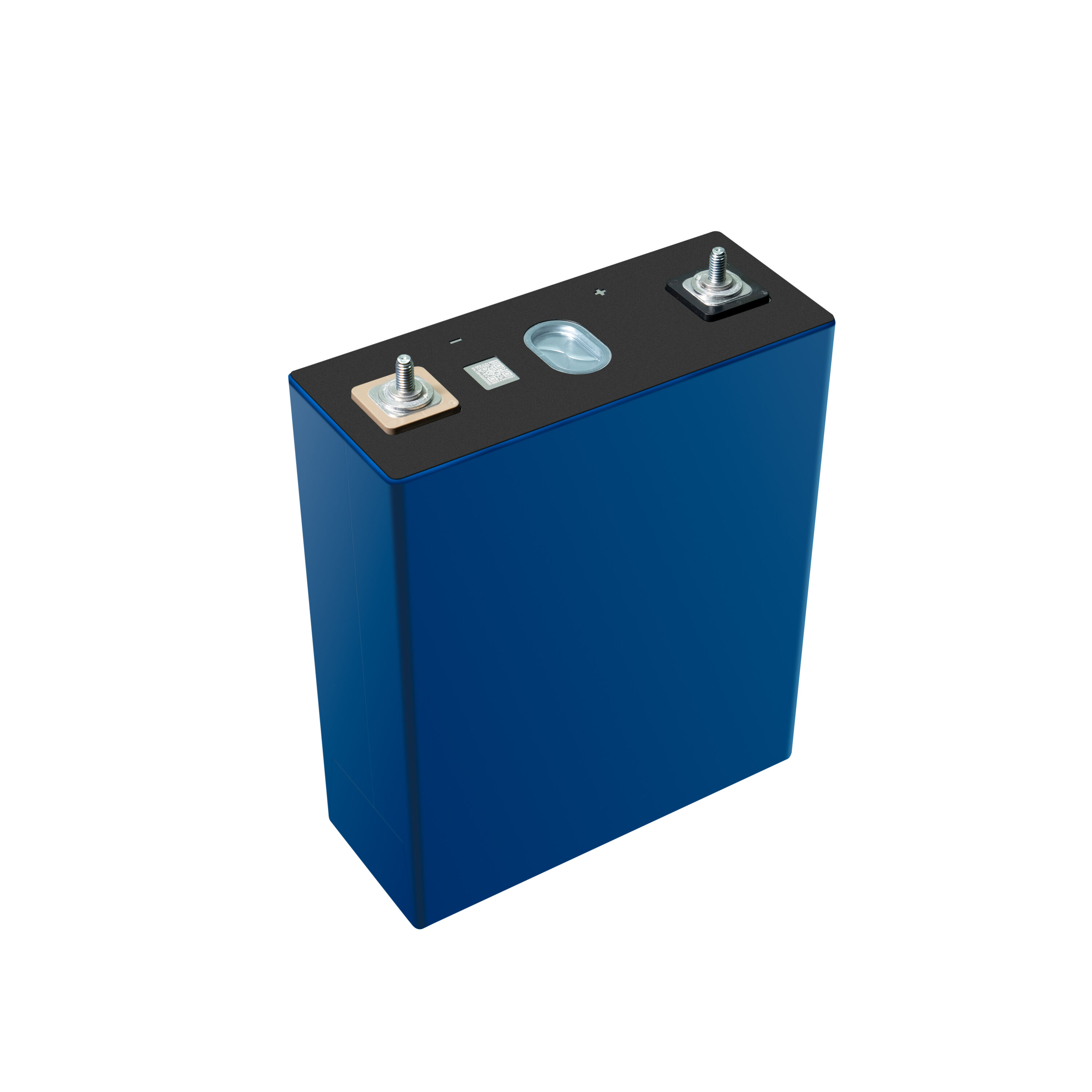
Modern energy storage solutions have revolutionized how we approach power management in residential, commercial, and industrial applications. A high-quality storage battery represents a significant investment that can provide reliable backup power, reduce electricity costs, and support sustainable energy practices for years to come. Understanding how to maximize the lifespan and performance of your storage battery system is crucial for getting the best return on your investment while ensuring consistent, dependable power when you need it most.
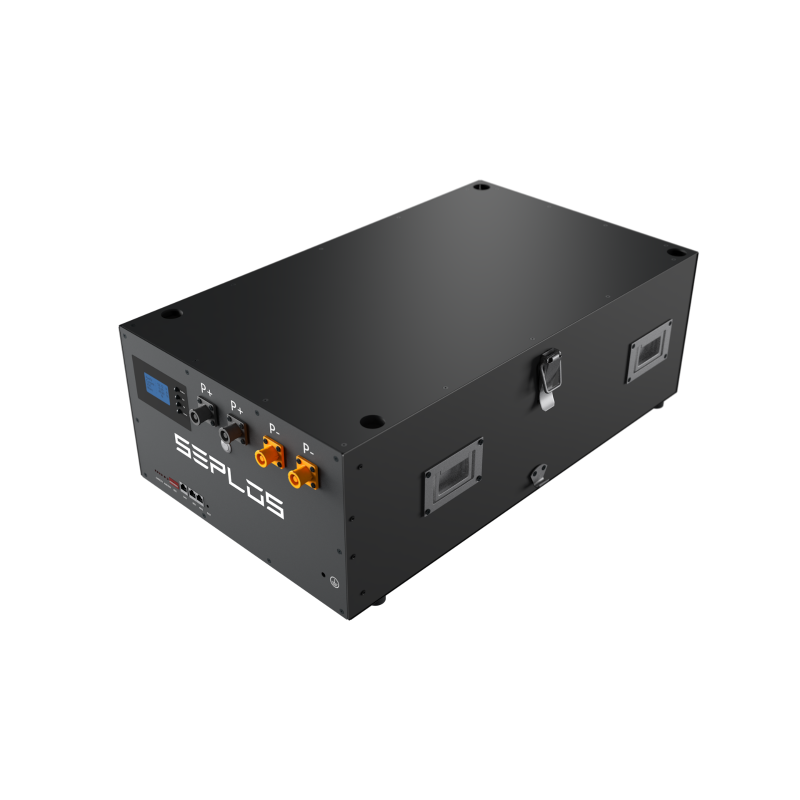
Energy storage technology continues to evolve rapidly, with lithium iron phosphate (LiFePO4) systems leading the charge in terms of longevity, safety, and performance characteristics. These advanced storage battery solutions offer superior cycle life compared to traditional lead-acid alternatives, making them increasingly popular among homeowners and businesses seeking reliable energy independence. The key to maximizing your storage battery investment lies in understanding proper installation practices, optimal operating conditions, and maintenance protocols that can extend system life well beyond manufacturer specifications.
Understanding Storage Battery Technology and Lifespan Factors
Battery Chemistry and Performance Characteristics
The foundation of storage battery longevity begins with understanding the underlying chemistry and how different technologies perform under various operating conditions. Lithium iron phosphate storage battery systems typically offer 6000 to 8000 charge cycles at 80 percent depth of discharge, significantly outperforming traditional lead-acid batteries that may only provide 500 to 1000 cycles under similar conditions. This dramatic difference in cycle life directly translates to lower long-term costs and reduced maintenance requirements over the system's operational lifetime.
Temperature sensitivity plays a crucial role in storage battery performance and longevity. Most modern lithium-based systems operate optimally between 32°F and 95°F, with performance degradation occurring at temperature extremes. High temperatures accelerate chemical reactions within battery cells, leading to faster capacity loss and reduced cycle life. Conversely, extremely cold conditions can temporarily reduce available capacity while potentially causing permanent damage if the storage battery is charged below freezing temperatures without proper thermal management systems.
Depth of Discharge and Cycle Life Optimization
Managing the depth of discharge represents one of the most effective strategies for extending storage battery life and maximizing your investment return. While modern LiFePO4 systems can safely discharge to 100 percent depth without immediate damage, limiting regular discharge cycles to 80 or 90 percent can significantly extend overall system lifespan. This approach allows for occasional deep discharge events during extended outages while preserving battery health during normal daily cycling operations.
Charge and discharge rates also impact long-term storage battery performance and should be carefully managed according to manufacturer specifications. Rapid charging or discharging generates additional heat and stress within battery cells, potentially accelerating degradation processes. Implementing smart charge controllers and energy management systems can automatically optimize charging profiles based on available solar input, grid conditions, and predicted energy demand patterns to minimize stress on your storage battery investment.
Optimal Installation and Environmental Considerations
Location Selection and Environmental Controls
Proper installation environment significantly impacts storage battery performance and longevity. Indoor installations provide better temperature control and protection from weather extremes, while outdoor installations require weatherproof enclosures and potentially active thermal management systems. Ventilation requirements vary by battery chemistry, with lithium systems typically requiring less airflow than lead-acid alternatives but still benefiting from temperature-controlled environments.
Humidity control prevents corrosion of electrical connections and ensures optimal storage battery performance over time. Maintaining relative humidity between 30 and 70 percent helps prevent both condensation-related issues and excessive drying that can affect seals and gaskets. Proper drainage systems prevent water accumulation around battery installations, while adequate spacing between battery modules ensures proper airflow and heat dissipation during charging and discharging operations.
Electrical Installation Best Practices
Quality electrical connections directly impact storage battery efficiency and safety throughout the system's operational life. Using properly rated cables, connectors, and protective devices ensures minimal voltage drop and prevents overheating that could damage battery cells or create safety hazards. Regular inspection and maintenance of electrical connections helps identify potential issues before they lead to system failures or reduced performance.
Grounding and surge protection systems safeguard your storage battery investment against electrical anomalies and lightning strikes. Proper system grounding provides a safe path for fault currents while surge protective devices prevent voltage spikes from damaging sensitive battery management systems. Installing appropriate circuit breakers and disconnect switches ensures safe maintenance procedures and provides protection against overcurrent conditions that could damage your storage battery system.
Advanced Monitoring and Maintenance Strategies
Battery Management System Optimization
Modern storage battery systems include sophisticated battery management systems that monitor individual cell voltages, temperatures, and current flows to optimize performance and prevent damage. These systems provide valuable data for tracking battery health over time and can alert users to potential issues before they become serious problems. Regular review of BMS data helps identify trends that might indicate developing issues with specific cells or modules within your storage battery installation.
Cell balancing functions within the BMS ensure that all cells within a storage battery pack maintain similar voltage levels during charging and discharging cycles. Imbalanced cells can lead to premature aging and reduced overall system capacity. Active balancing systems can redistribute energy between cells to maintain optimal balance, while passive balancing systems dissipate excess energy from higher-voltage cells to achieve balance through controlled discharge processes.
Preventive Maintenance Protocols
Establishing regular maintenance schedules helps ensure optimal storage battery performance throughout the system's operational life. Monthly visual inspections should include checking for physical damage, corrosion, loose connections, and proper ventilation. Quarterly detailed inspections might involve cleaning terminals, checking torque specifications on connections, and reviewing BMS logs for any anomalies or trends that require attention.
Performance testing protocols help establish baseline measurements and track storage battery degradation over time. Capacity testing involves fully charging the system and measuring actual discharge capacity under controlled conditions. Impedance testing can identify developing issues with individual cells or connections before they significantly impact system performance. Documentation of all testing results provides valuable historical data for warranty claims and helps optimize replacement timing for maximum investment return.
Economic Optimization and Performance Enhancement
Load Management and Energy Arbitrage
Intelligent load management strategies can significantly extend storage battery life while maximizing economic benefits from your energy storage investment. Time-of-use rate optimization involves charging your storage battery during off-peak hours when electricity rates are lower and discharging during peak rate periods to reduce overall energy costs. This approach requires careful analysis of utility rate structures and energy consumption patterns to develop optimal charging and discharging schedules.
Peak shaving applications use storage battery systems to reduce maximum demand charges by providing supplemental power during high-consumption periods. This strategy can provide substantial cost savings for commercial and industrial users while reducing stress on the electrical grid. Proper sizing and programming of storage battery systems for peak shaving requires detailed analysis of historical load patterns and coordination with existing backup power systems.
Integration with Renewable Energy Sources
Solar integration represents one of the most common applications for residential and commercial storage battery systems. Proper sizing of solar arrays relative to battery capacity ensures optimal charging without overloading the system during peak production periods. Smart inverters can manage charging profiles based on weather forecasts and historical production data to maximize solar energy utilization while minimizing grid dependence.
Grid-tie capabilities allow storage battery systems to provide additional services such as frequency regulation and voltage support that can generate additional revenue streams. These ancillary services require specialized inverters and control systems but can significantly improve the economic return on storage battery investments. Participation in demand response programs provides additional compensation for reducing energy consumption during grid stress events while extending battery life through reduced cycling.
Technology Trends and Future Considerations
Emerging Storage Technologies
Solid-state storage battery technology represents the next generation of energy storage solutions, offering potentially higher energy density, improved safety characteristics, and longer operational life compared to current lithium-ion systems. While still in development for large-scale applications, solid-state batteries may eventually provide even better returns on storage battery investments through reduced maintenance requirements and extended operational lifespans.
Second-life applications for electric vehicle batteries are creating new opportunities in the stationary storage battery market. These repurposed batteries can provide cost-effective storage solutions for applications where maximum energy density is less critical than initial cost. Proper evaluation and testing protocols ensure that second-life storage battery systems provide reliable service while offering significant cost advantages over new battery installations.
Smart Grid Integration and Vehicle-to-Grid Technology
Vehicle-to-grid integration allows electric vehicles to serve as mobile storage battery systems that can provide backup power to homes and businesses during outages. Bidirectional charging systems enable electric vehicles to discharge stored energy back to the grid or to local loads, effectively multiplying the storage capacity available to property owners. This technology requires specialized charging equipment and utility coordination but offers significant potential for maximizing storage battery utilization.
Blockchain-based energy trading platforms may eventually allow storage battery owners to directly sell excess capacity to neighbors or participate in peer-to-peer energy markets. These systems could provide additional revenue streams for storage battery investments while supporting greater grid resilience through distributed energy resources. Early pilot programs are demonstrating the technical feasibility of these approaches, though regulatory frameworks continue to evolve.
FAQ
How long should I expect my storage battery system to last
Most quality lithium iron phosphate storage battery systems are designed to provide 15 to 20 years of reliable service under normal operating conditions. Actual lifespan depends on factors including depth of discharge, operating temperature, charge and discharge rates, and maintenance practices. Systems that are properly sized, installed, and maintained often exceed manufacturer warranty periods and continue providing valuable service well beyond their rated lifespan.
What maintenance is required for storage battery systems
Modern storage battery systems require minimal routine maintenance compared to traditional lead-acid batteries. Monthly visual inspections, quarterly connection checks, and annual performance testing represent typical maintenance requirements. Most lithium-based systems do not require watering, equalization charging, or other intensive maintenance procedures. However, maintaining proper environmental conditions and monitoring system performance through built-in management systems remains important for maximizing system life and performance.
Can I expand my storage battery system in the future
Many modern storage battery systems are designed with expansion capabilities that allow additional battery modules to be added as energy needs grow or as budget allows. Modular designs facilitate easy expansion while maintaining system compatibility and warranty coverage. However, expansion possibilities depend on the specific system design, available space, and electrical infrastructure capacity. Planning for future expansion during initial installation can significantly reduce costs and complexity of later upgrades.
How do storage batteries perform during extreme weather conditions
Quality storage battery systems include thermal management features that maintain optimal operating temperatures during extreme weather conditions. Cold weather may temporarily reduce available capacity but typically does not cause permanent damage when systems are properly designed and installed. Hot weather can accelerate aging processes, making proper ventilation and temperature control critical for maximizing system life in warm climates. Many systems include automatic temperature compensation and protection features that adjust operating parameters based on environmental conditions.
