
 EN
EN


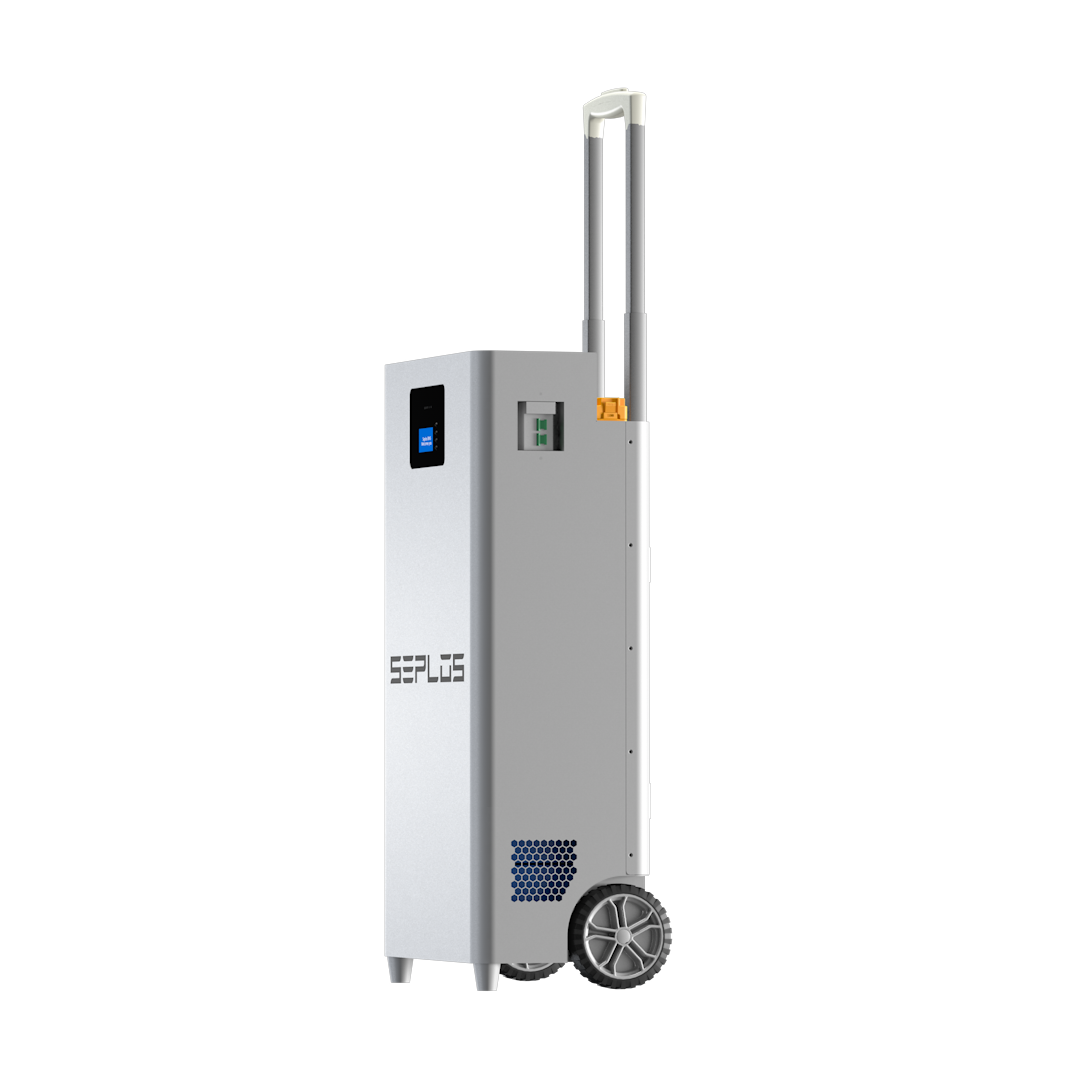
The rising cost of electricity and increasing frequency of power outages have made home energy storage systems essential for modern households. These innovative solutions provide backup power during emergencies while helping families reduce their electricity bills by storing energy during off-peak hours. With advances in lithium battery technology, effective home energy storage solutions are now available for under $10,000, making them accessible to more homeowners than ever before.
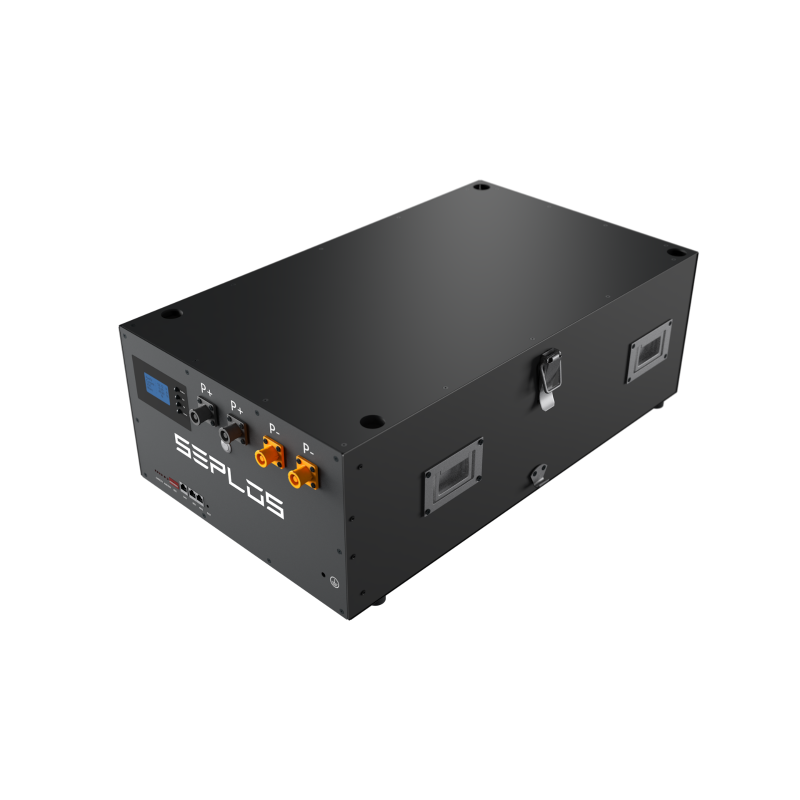
Understanding Home Energy Storage Technology
Battery Chemistry and Performance
Modern home energy storage systems primarily utilize lithium iron phosphate (LiFePO4) batteries due to their superior safety profile and long cycle life. These batteries can withstand over 6,000 charge cycles while maintaining 80% capacity, significantly outperforming traditional lead-acid alternatives. The chemistry provides stable voltage output and minimal degradation over time, ensuring consistent performance throughout the system's lifespan.
Temperature tolerance is another crucial advantage of LiFePO4 technology in home energy storage applications. These batteries operate efficiently in temperatures ranging from -20°F to 140°F, making them suitable for various installation environments including garages, basements, and outdoor enclosures. The thermal stability also reduces fire risk compared to other lithium chemistries.
System Components and Integration
A complete home energy storage solution consists of battery modules, an inverter, a battery management system (BMS), and monitoring software. The BMS protects individual cells from overcharging, over-discharging, and temperature extremes while balancing cell voltages for optimal performance. Modern systems include Wi-Fi connectivity for remote monitoring and control through smartphone applications.
Integration with existing solar panels enhances the value proposition of home energy storage systems. Solar-plus-storage configurations allow homeowners to capture excess daytime solar production and use it during evening peak hours when electricity rates are highest. This combination maximizes energy independence while providing substantial savings on monthly utility bills.
Capacity Requirements for Different Household Needs
Essential Load Backup Systems
Essential load backup focuses on powering critical appliances during outages, typically requiring 5-10 kWh of storage capacity. This configuration supports refrigeration, lighting, communication devices, and medical equipment for 12-24 hours depending on usage patterns. Most households can maintain basic comfort and safety with this level of backup power while staying within budget constraints.
Calculating essential load requirements involves identifying must-have appliances and their power consumption. A typical refrigerator uses 150-400 watts, LED lighting consumes 10-15 watts per bulb, and Wi-Fi routers require 15-20 watts. Adding these loads helps determine the minimum capacity needed for emergency backup situations.
Whole House Backup Considerations
Whole house backup requires significantly more capacity, typically 15-25 kWh or more depending on home size and electrical loads. This level of home energy storage supports air conditioning, electric water heaters, and all standard appliances during extended outages. While more expensive initially, whole house systems provide complete energy independence and maximum comfort during emergencies.
Peak shaving capabilities become more valuable with larger systems, as they can significantly reduce demand charges on utility bills. Commercial-style time-of-use rate structures increasingly apply to residential customers, making strategic energy storage and discharge timing financially beneficial for homeowners with higher electricity consumption.
Cost-Effective Installation and Setup Options
DIY Installation Considerations
Many modern home energy storage systems offer DIY installation options that can save thousands in professional installation costs. Stackable battery designs with plug-and-play connections simplify the installation process while maintaining safety standards. However, electrical connections to main panels typically require licensed electrician involvement to meet local building codes.
Pre-assembled systems with integrated inverters reduce installation complexity and potential compatibility issues. These all-in-one solutions often include detailed installation guides and customer support to assist DIY installers. Proper grounding, ventilation, and clearance requirements must be carefully followed to ensure safe operation and warranty compliance.
Professional Installation Benefits
Professional installation ensures proper system design, permitting, and integration with existing electrical infrastructure. Licensed installers understand local codes, utility interconnection requirements, and safety protocols that DIY installers might overlook. Many manufacturers offer extended warranties only with certified professional installation, providing additional long-term value.
System commissioning and testing by professionals verify proper operation before handover to homeowners. This includes load testing, safety system verification, and optimization of control settings for specific household usage patterns. Professional installation typically adds $2,000-4,000 to project costs but provides peace of mind and warranty protection.
Maximizing Return on Investment
Time-of-Use Rate Optimization
Strategic charging and discharging based on utility rate structures maximizes financial returns from home energy storage investments. Many utilities offer time-of-use rates with significantly lower off-peak pricing, creating arbitrage opportunities for battery owners. Automated systems can charge during low-rate periods and discharge during peak hours, reducing monthly electricity costs substantially.
Net metering policies vary by location and utility, affecting the economic case for solar-plus-storage systems. Some utilities have reduced net metering compensation, making energy storage more attractive for capturing and using solar production onsite rather than selling back to the grid. Understanding local utility policies helps optimize system sizing and operation strategies.
Incentives and Financing Options
Federal tax credits currently provide 30% cost reduction for home energy storage systems installed with solar panels, significantly improving project economics. Some states and utilities offer additional rebates or performance incentives that can reduce net costs by thousands of dollars. Researching available incentives before purchase helps maximize savings opportunities.
Financing options including solar loans, PACE programs, and manufacturer financing make home energy storage accessible with minimal upfront investment. Many programs offer terms up to 20 years with competitive interest rates, allowing monthly savings to exceed loan payments from day one. Lease and power purchase agreement options provide alternative paths to energy storage benefits without ownership responsibilities.
Maintenance and Longevity Considerations
Battery Management and Care
Proper maintenance extends home energy storage system lifespan and maintains optimal performance throughout the warranty period. LiFePO4 batteries require minimal maintenance compared to lead-acid alternatives, but regular monitoring of state-of-charge, temperature, and cell balance helps identify potential issues early. Most systems provide automated alerts for maintenance needs through mobile applications.
Depth of discharge management significantly affects battery longevity, with shallower cycles extending overall lifespan. Modern battery management systems automatically limit discharge depth to protect cells while maximizing available capacity for household use. Understanding these operational parameters helps homeowners optimize system settings for their specific usage patterns and longevity goals.
System Monitoring and Troubleshooting
Remote monitoring capabilities enable proactive maintenance and quick identification of performance issues in home energy storage systems. Cloud-based platforms track energy production, consumption, and battery performance while providing alerts for abnormal conditions. Historical data analysis helps optimize system operation and identify opportunities for improved efficiency.
Basic troubleshooting procedures can resolve common issues without professional service calls, reducing maintenance costs over the system lifetime. Understanding error codes, reset procedures, and safety protocols empowers homeowners to maintain their systems effectively. Regular firmware updates often include performance improvements and new features that enhance system value over time.
FAQ
How long do home energy storage batteries typically last
Most modern LiFePO4 home energy storage batteries are warrantied for 10-15 years and typically provide over 6,000 charge cycles before reaching 80% capacity. With daily cycling, this translates to 15-20 years of useful life. Actual lifespan depends on usage patterns, temperature conditions, and depth of discharge, but proper maintenance can extend operational life beyond warranty periods.
Can I add more battery capacity to my system later
Many home energy storage systems feature modular, stackable designs that allow capacity expansion as needs change or budgets allow. However, it's important to verify compatibility between battery generations and ensure the existing inverter can handle additional capacity. Some manufacturers offer upgrade paths within their product lines, while others may require complete system replacement for significant capacity increases.
What permits are required for home energy storage installation
Permit requirements vary by location but typically include electrical permits for any connection to main electrical panels. Some jurisdictions require structural permits for wall-mounted systems or building permits for outdoor installations. Utility interconnection agreements may also be necessary, especially for systems connected to solar panels. Working with licensed installers helps ensure all permit requirements are properly addressed.
How much can I save on electricity bills with home energy storage
Electricity bill savings depend on local utility rates, usage patterns, and system size. Households with time-of-use rates can save 20-50% on electricity costs through strategic charging and discharging. Solar-plus-storage systems provide additional savings by reducing grid dependence and avoiding peak rate periods. Typical payback periods range from 7-12 years depending on local electricity costs and available incentives.
