
 EN
EN


Selecting the right storage battery for your energy needs requires careful consideration of multiple technical and practical factors. Whether you're planning a residential solar installation, designing an off-grid power system, or establishing backup power for critical applications, understanding the nuances of battery technology can make the difference between optimal performance and costly disappointments. Modern energy storage solutions have evolved significantly, offering improved efficiency, longer lifespans, and enhanced safety features that make them increasingly attractive for both commercial and residential applications.
Understanding Battery Chemistry Options
Lithium Iron Phosphate Technology
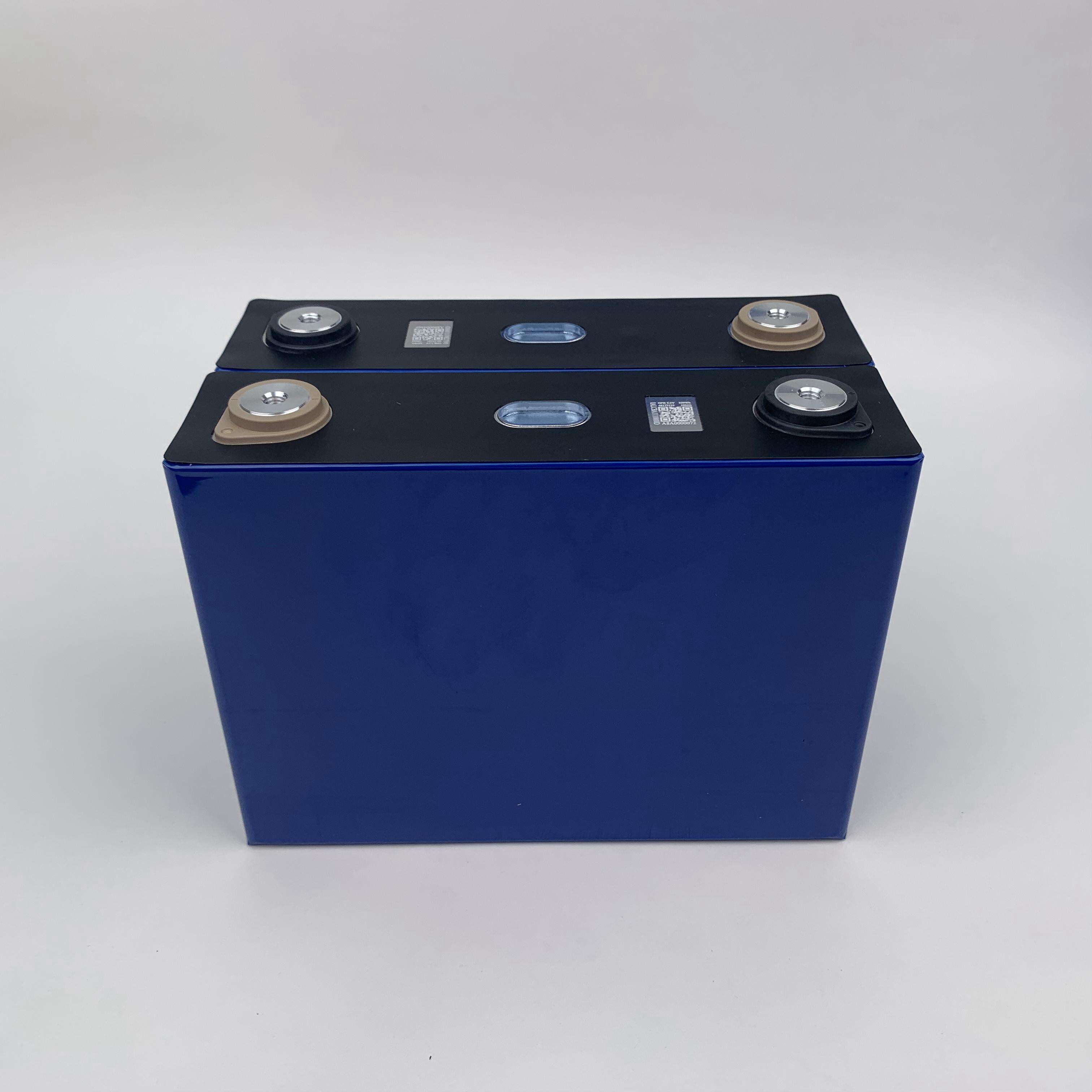
Lithium Iron Phosphate (LiFePO4) batteries represent the gold standard in modern energy storage applications. These advanced batteries offer exceptional cycle life, typically exceeding 6000 charge-discharge cycles at 80% depth of discharge. The inherent thermal stability of LiFePO4 chemistry provides superior safety characteristics compared to other lithium variants, making them ideal for residential and commercial installations. Their flat discharge curve maintains consistent voltage output throughout the discharge cycle, ensuring reliable power delivery for connected devices and systems.
The environmental benefits of LiFePO4 technology cannot be overlooked when selecting a storage battery system. These batteries contain no toxic heavy metals and are fully recyclable at end of life. Their low self-discharge rate, typically under 3% per month, ensures stored energy remains available even during extended periods of inactivity. Additionally, the wide operating temperature range allows installation in various climate conditions without significant performance degradation.
Lead-Acid Battery Considerations
Traditional lead-acid batteries continue to serve specific applications where initial cost takes precedence over long-term performance. Flooded lead-acid batteries require regular maintenance including electrolyte level monitoring and equalization charging, making them suitable for applications with dedicated technical oversight. Their lower energy density means larger installation footprints and higher weight requirements compared to modern lithium alternatives.
Sealed lead-acid variants, including AGM and gel technologies, eliminate maintenance requirements but sacrifice some performance characteristics. These batteries typically deliver 300-500 cycles at 50% depth of discharge, significantly lower than lithium alternatives. However, their proven reliability and established recycling infrastructure make them viable options for budget-conscious applications with moderate performance requirements.
Capacity Planning and Sizing Considerations
Energy Demand Analysis
Accurate load assessment forms the foundation of proper storage battery sizing. Begin by cataloging all electrical devices and their power consumption patterns throughout typical usage cycles. Consider both continuous loads such as refrigeration and lighting, as well as intermittent high-power demands from motors, pumps, and heating systems. Peak demand calculations must account for simultaneous operation of multiple devices to prevent system overload during critical periods.
Seasonal variations significantly impact energy storage requirements, particularly for solar-integrated systems. Winter months with reduced daylight hours and increased heating demands may require 20-30% additional capacity compared to summer calculations. Geographic location influences both solar production potential and temperature-related battery performance, requiring regional adjustments to standard sizing methodologies.
Future Expansion Planning
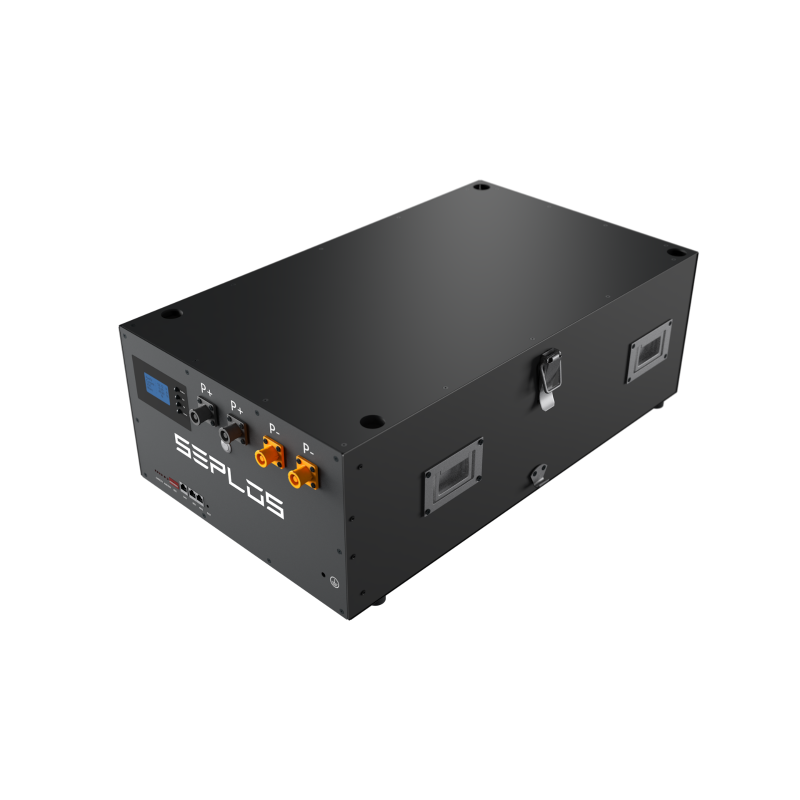
Modular storage battery systems provide flexibility for capacity expansion as energy needs evolve. Initial installations should accommodate at least 25% additional capacity to handle unexpected load growth or system inefficiencies. Stackable battery designs enable seamless capacity increases without requiring complete system replacement, protecting the initial investment while providing upgrade pathways.
Communication protocols and battery management system compatibility ensure future modules integrate properly with existing installations. Advanced systems support parallel and series configurations, allowing both capacity and voltage scaling as applications demand. Planning for expansion during initial design phases reduces installation complexity and costs for future upgrades.
Performance Specifications and Technical Requirements
Depth of Discharge Optimization
Depth of discharge significantly impacts storage battery lifespan and performance characteristics. Modern LiFePO4 systems safely operate at 90-95% depth of discharge without compromising cycle life, maximizing usable capacity from installed systems. Conservative discharge limits extend battery life but require larger initial investments to achieve equivalent usable capacity.
Battery management systems monitor individual cell voltages and automatically limit discharge to protect against over-discharge damage. These intelligent systems balance cells during charging cycles and provide real-time performance monitoring through integrated communication interfaces. Proper depth of discharge management can double or triple effective battery lifespan compared to systems without sophisticated controls.
Charge and Discharge Rate Specifications
C-rate specifications define maximum safe charge and discharge currents for storage battery systems. High-performance applications requiring rapid charging or high power output need batteries designed for elevated C-rates without thermal stress or capacity degradation. Standard residential applications typically operate at 0.2C to 0.5C rates, allowing 2-5 hour complete discharge cycles.
Temperature compensation ensures optimal charging performance across varying environmental conditions. Advanced charge controllers adjust voltage and current parameters based on ambient temperature measurements, preventing overcharging in hot conditions and ensuring adequate charging in cold environments. This temperature management extends battery life and maintains consistent performance regardless of installation location.
Installation and Safety Considerations
Environmental Requirements
Proper ventilation prevents thermal buildup and ensures safe operation of storage battery installations. Even sealed battery systems generate heat during charging and discharging cycles, requiring adequate airflow for temperature management. Installation spaces should maintain temperatures between 32°F and 104°F for optimal performance and longevity.
Moisture protection prevents corrosion and electrical faults in storage battery systems. Indoor installations require climate-controlled environments, while outdoor applications need weatherproof enclosures rated for local environmental conditions. Proper grounding and surge protection safeguard against lightning and electrical faults that could damage expensive battery investments.
Electrical Integration Standards
National Electrical Code compliance ensures safe and legal storage battery installations. Proper circuit protection, including fuses and circuit breakers, prevents overcurrent conditions that could result in thermal runaway or fire hazards. Professional installation by certified electricians guarantees adherence to local codes and safety standards.
Communication interfaces enable remote monitoring and system diagnostics for storage battery installations. Modern systems support CAN bus, RS485, and wireless protocols for integration with home automation and energy management platforms. These connectivity options provide real-time status updates and enable predictive maintenance scheduling to maximize system reliability.
Cost Analysis and Return on Investment
Total Cost of Ownership Evaluation
Initial purchase price represents only a fraction of total storage battery system costs over the operational lifetime. Installation expenses, including electrical work, permitting, and commissioning, can add 20-40% to equipment costs depending on system complexity and local labor rates. Ongoing maintenance requirements vary significantly between battery technologies, with lithium systems requiring minimal intervention compared to lead-acid alternatives.
Replacement schedules significantly impact long-term economics of storage battery investments. High-quality lithium systems may operate effectively for 15-20 years, while lead-acid batteries typically require replacement every 3-5 years. Energy efficiency differences between technologies compound over time, with lithium systems delivering 95% round-trip efficiency compared to 80% for lead-acid alternatives.
Financial Incentives and Rebates
Federal tax credits and local utility rebates can substantially reduce net costs for storage battery installations. The Investment Tax Credit currently provides 30% federal tax credit for solar-integrated storage systems, significantly improving project economics. Many states and utilities offer additional incentives for energy storage installations that provide grid services or peak demand reduction.
Time-of-use electricity rates create opportunities for energy arbitrage with properly sized storage battery systems. Charging during low-rate periods and discharging during peak rate times can generate substantial savings for customers with significant rate differentials. Advanced energy management systems optimize charge-discharge cycles automatically to maximize financial benefits from rate arbitrage opportunities.
FAQ
What is the typical lifespan of a modern storage battery system
Modern lithium storage battery systems typically provide 15-20 years of reliable service with proper maintenance and operation within specified parameters. LiFePO4 technology offers 6000-8000 cycles at 80% depth of discharge, translating to decades of daily cycling in most applications. Battery management systems with cell balancing and thermal management extend operational life by preventing conditions that accelerate degradation.
How do I determine the right capacity for my energy storage needs
Calculate daily energy consumption by listing all electrical loads and their operating hours, then multiply by 1.2-1.5 to account for system inefficiencies and reserve capacity. For backup applications, determine critical loads and desired backup duration, while solar applications require analysis of production patterns and consumption timing. Professional energy audits provide detailed load analysis for complex installations with varying seasonal demands.
Can storage batteries be installed outdoors in all climates
High-quality storage battery systems with appropriate enclosures can operate safely in most outdoor environments when properly installed. Temperature management becomes critical in extreme climates, with heating systems required for cold environments and cooling necessary in hot regions. Weatherproof enclosures protect against moisture and environmental contaminants while maintaining required ventilation for safe operation.
What maintenance do storage battery systems require
Lithium storage battery systems require minimal maintenance, typically limited to periodic visual inspections and cleaning of terminals and ventilation areas. Battery management systems provide continuous monitoring and automatic cell balancing, eliminating manual maintenance tasks required by older technologies. Annual professional inspections ensure optimal performance and identify potential issues before they impact system reliability or safety.
