
 EN
EN


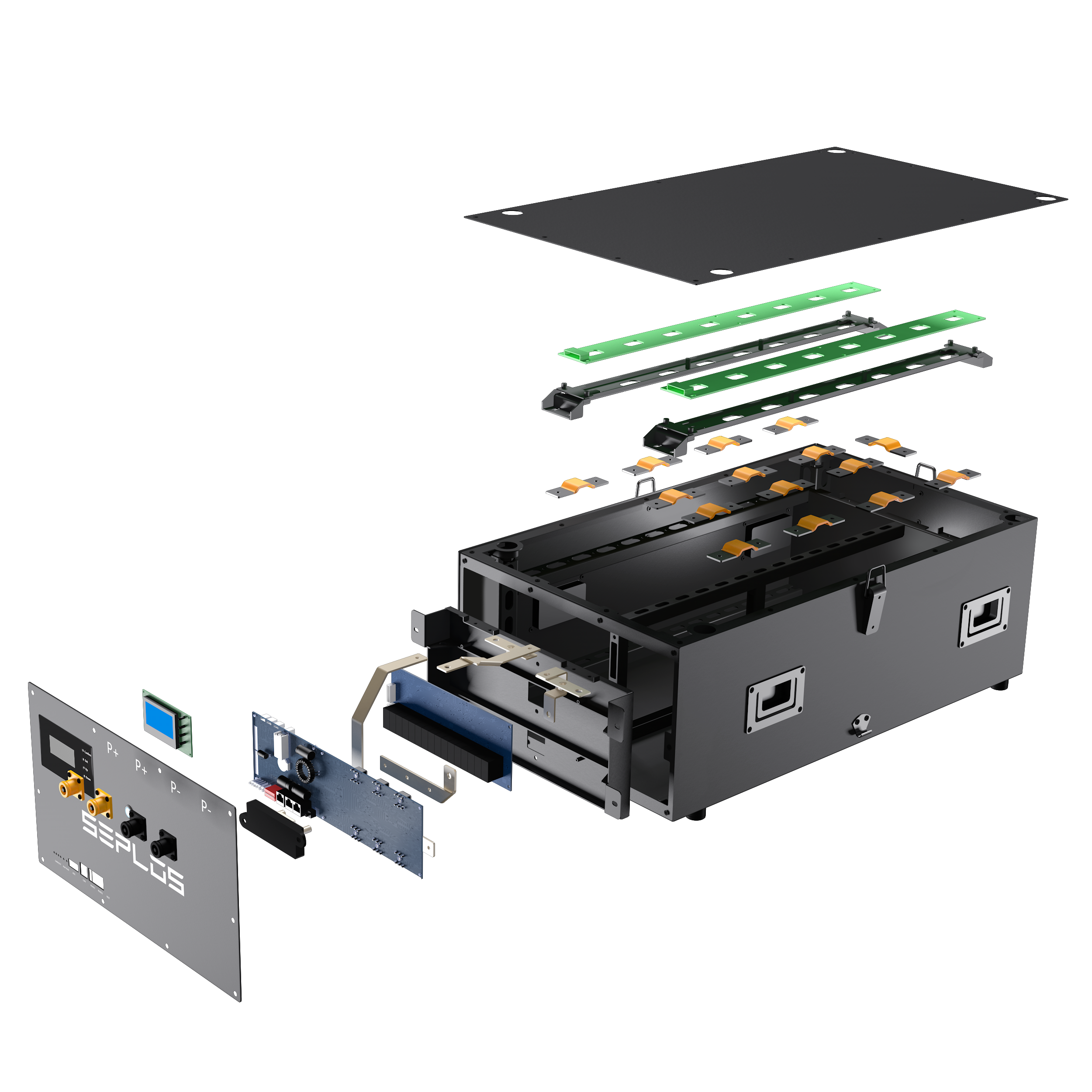
Energy independence has become a critical priority for homeowners worldwide as utility costs continue rising and power grid reliability faces increasing challenges. Modern home energy storage solutions offer unprecedented opportunities to reduce electricity bills, maintain power during outages, and contribute to environmental sustainability. These advanced systems integrate seamlessly with solar panels and smart home technologies, providing comprehensive energy management that adapts to your household's unique consumption patterns.
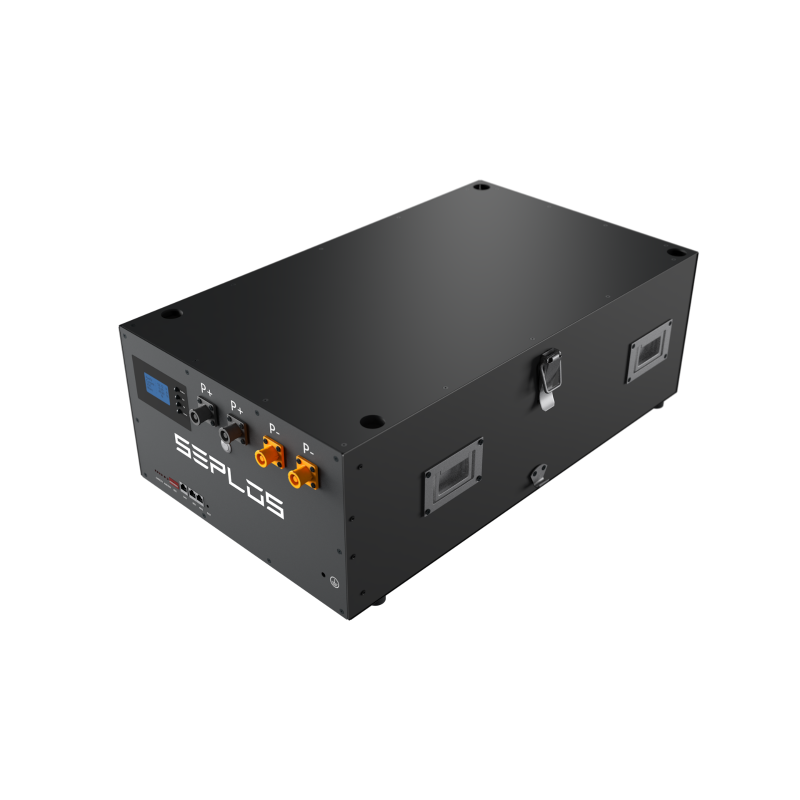
The residential energy storage market has experienced remarkable growth, with technological innovations driving down costs while improving performance and safety features. Lithium iron phosphate batteries now dominate the landscape, offering superior cycle life, thermal stability, and faster charging capabilities compared to traditional lead-acid alternatives. Understanding the various system configurations, capacity requirements, and installation considerations ensures optimal investment decisions for long-term energy security.
Selecting the appropriate storage capacity requires careful analysis of your household's energy consumption patterns, local utility rate structures, and backup power requirements during emergencies. Professional energy audits can reveal peak usage periods, seasonal variations, and opportunities for load shifting that maximize the financial benefits of battery storage. Integration with existing solar installations or planning for future renewable energy expansion should factor prominently into system sizing decisions.
Understanding Battery Chemistry and Performance
Lithium Iron Phosphate Advantages
Lithium iron phosphate technology represents the gold standard for residential energy storage applications due to its exceptional safety profile and longevity characteristics. These batteries maintain stable performance across thousands of charge cycles, typically retaining over eighty percent capacity after ten years of regular use. The inherent thermal stability eliminates risks of thermal runaway, making them ideal for indoor installations where safety considerations are paramount.
Temperature tolerance of LiFePO4 batteries extends their operational range significantly compared to other lithium chemistries. These systems continue functioning efficiently in extreme weather conditions, from sub-zero winter temperatures to scorching summer heat. The flat discharge curve maintains consistent voltage output throughout the discharge cycle, ensuring stable power delivery for sensitive electronics and appliances.
Cycle Life and Warranty Considerations
Modern home energy storage systems offer impressive cycle life specifications, with premium units rated for over six thousand deep discharge cycles. This translates to decades of reliable service under typical residential usage patterns, where daily cycling rarely exceeds fifty percent depth of discharge. Warranty terms have evolved to reflect this longevity, with many manufacturers now offering ten to fifteen-year performance guarantees.
Understanding warranty conditions helps evaluate the true value proposition of different battery systems. Some manufacturers provide throughput warranties that guarantee specific energy delivery over the warranty period, while others focus on capacity retention percentages. Reading the fine print reveals important exclusions related to operating conditions, maintenance requirements, and installation specifications that could affect warranty coverage.
System Configuration and Scalability
Modular Design Benefits
Stackable battery systems provide unmatched flexibility for homeowners who want to start with smaller installations and expand capacity over time. These modular configurations allow incremental investment as energy needs grow or budget permits additional purchases. The ability to add battery modules without replacing existing equipment protects the initial investment while providing clear upgrade paths for enhanced energy independence.
Installation simplicity of modular systems reduces labor costs and minimizes disruption to existing electrical infrastructure. Many contemporary designs feature plug-and-play connectivity that eliminates complex wiring requirements typically associated with custom battery bank configurations. Standardized mounting systems and integrated cooling solutions further streamline the installation process for qualified electrical contractors.
Power Output and Surge Capabilities
Continuous power output ratings determine how many appliances can operate simultaneously during grid outages or peak demand periods. High-performance inverters integrated with modern battery systems provide clean sinusoidal waveforms suitable for sensitive electronics while maintaining efficiency ratings exceeding ninety-five percent. Surge power capabilities handle motor starting currents for air conditioners, well pumps, and other high-inrush appliances.
Load management features automatically prioritize essential circuits during extended outages, ensuring critical systems like refrigeration, lighting, and communication equipment remain operational. Smart switching capabilities can shed non-essential loads when battery capacity reaches predetermined thresholds, extending backup duration for priority circuits. Advanced systems learn household usage patterns and optimize energy allocation based on historical consumption data.
Installation and Integration Requirements
Electrical Infrastructure Considerations
Proper electrical infrastructure forms the foundation for safe and efficient energy storage installations. Modern homes may require electrical panel upgrades to accommodate battery system interconnections and smart switching equipment. Licensed electricians must verify adequate grounding systems, appropriate conductor sizing, and proper overcurrent protection devices before connecting storage systems to household circuits.
Code compliance requirements vary significantly between jurisdictions, with some areas mandating specific installation practices for battery storage systems. Rapid shutdown devices, emergency disconnect switches, and proper labeling ensure first responder safety during emergency situations. Building permit requirements and utility interconnection procedures should be addressed early in the planning process to avoid project delays.
Environmental and Ventilation Needs
Indoor installation environments must maintain appropriate temperature and humidity ranges for optimal battery performance and longevity. Mechanical ventilation may be required in confined spaces to prevent heat buildup during charging cycles, even though modern lithium systems generate minimal heat compared to traditional battery technologies. Adequate clearances around equipment facilitate maintenance access and ensure proper airflow circulation.
Outdoor installations require weatherproof enclosures that protect sensitive electronics from moisture, dust, and temperature extremes. UV-resistant materials and proper drainage prevent environmental degradation while maintaining accessibility for routine maintenance activities. Security considerations include tamper-resistant enclosures and monitoring systems that detect unauthorized access attempts or physical disturbances.
Economic Analysis and Return on Investment
Time-of-Use Rate Optimization
Sophisticated rate structures implemented by utilities create opportunities for significant savings through strategic energy storage deployment. Time-of-use pricing encourages shifting electricity consumption from expensive peak periods to lower-cost off-peak hours when renewable generation often exceeds demand. Battery systems automatically charge during low-rate periods and discharge during high-rate intervals, reducing monthly electricity costs substantially.
Demand charge reduction represents another significant economic benefit for customers subject to commercial-style billing structures. These charges, based on peak fifteen-minute demand periods, can be minimized through battery peak shaving capabilities that limit grid consumption during high-demand intervals. Smart energy management systems continuously monitor loads and deploy stored energy strategically to maintain demand levels below predetermined thresholds.
Incentives and Financing Options
Federal tax credits, state rebates, and utility incentive programs can substantially reduce the effective cost of energy storage installations. The federal Investment Tax Credit applies to storage systems when paired with solar installations, providing thirty percent cost reductions for qualifying projects. Many states offer additional rebates or performance-based incentives that further improve project economics.
Financing alternatives include solar loans, home equity lines of credit, and specialized energy storage financing products designed for residential applications. Power purchase agreements and energy storage leasing programs eliminate upfront costs while providing immediate access to advanced energy storage technology. Comparing total cost of ownership across different financing structures helps identify the most advantageous approach for specific financial situations.
Maintenance and Monitoring
Preventive Maintenance Requirements
Modern battery systems require minimal maintenance compared to traditional lead-acid technologies, but periodic inspections ensure optimal performance and longevity. Visual inspections should verify proper cable connections, mounting security, and absence of physical damage or corrosion. Temperature monitoring helps identify potential cooling system issues before they impact battery performance or safety.
Software updates maintain system security and add new features that enhance performance or user experience. Remote monitoring capabilities allow manufacturers and installers to identify potential issues proactively, often resolving problems before customers notice performance degradation. Routine firmware updates address security vulnerabilities and compatibility issues with evolving smart home technologies.
Performance Monitoring and Analytics
Comprehensive monitoring systems track energy production, consumption, and storage patterns to optimize system performance and identify opportunities for additional savings. Mobile applications provide real-time visibility into system status, energy flows, and historical performance trends. Alert notifications inform users of system events, maintenance requirements, or unusual operating conditions that require attention.
Data analytics capabilities help homeowners understand their energy usage patterns and identify opportunities for behavioral changes that enhance system benefits. Detailed reporting features support warranty claims and provide documentation for tax credit applications or utility rebate programs. Integration with smart home systems enables automated responses to changing conditions and preferences.
Future Technology Trends
Grid Integration and Vehicle-to-Home
Emerging bi-directional charging standards enable electric vehicles to serve as mobile energy storage resources, potentially doubling household storage capacity when vehicles are parked at home. Vehicle-to-home technology transforms electric cars into backup power sources during outages while providing additional grid services during peak demand periods. This convergence of transportation and energy storage creates new opportunities for enhanced energy independence.
Virtual power plant participation allows individual storage systems to contribute to grid stability while generating additional revenue streams for homeowners. Aggregated battery resources can provide frequency regulation, peak shaving, and renewable energy integration services that benefit the entire electrical grid. Compensation mechanisms for these grid services continue evolving as utilities recognize the value of distributed energy resources.
Artificial Intelligence and Optimization
Machine learning algorithms increasingly optimize energy storage operations by predicting weather patterns, electricity rates, and household consumption behaviors. These intelligent systems automatically adjust charging and discharging schedules to maximize economic benefits while ensuring adequate backup power reserves. Continuous learning capabilities improve optimization accuracy over time as systems accumulate operational data.
Predictive maintenance features use artificial intelligence to identify potential component failures before they occur, reducing maintenance costs and preventing unexpected system downtime. Advanced diagnostics can pinpoint specific cells or modules requiring attention, enabling targeted repairs that extend overall system life. Integration with weather forecasting services helps optimize energy storage for severe weather events and extended grid outages.
FAQ
How long do residential energy storage systems typically last
Quality lithium iron phosphate battery systems typically provide fifteen to twenty years of reliable service under normal residential usage conditions. Most manufacturers warranty their systems for ten to fifteen years with guaranteed capacity retention levels, though actual lifespan often exceeds warranty periods. Proper installation, appropriate sizing, and regular maintenance significantly impact system longevity and performance over time.
What size energy storage system do I need for my home
System sizing depends on your daily energy consumption, backup power requirements, and solar generation capacity if applicable. A typical home consuming thirty kilowatt-hours daily might benefit from a ten to twenty kilowatt-hour storage system for basic backup needs, while whole-home backup during extended outages may require larger capacity. Professional energy audits help determine optimal sizing based on your specific usage patterns and requirements.
Can I install an energy storage system without solar panels
Standalone battery systems provide valuable benefits including backup power during outages, time-of-use rate optimization, and demand charge reduction without requiring solar panels. These systems charge from the electrical grid during low-rate periods and discharge during peak-rate hours or emergency situations. Adding solar panels later remains possible and often enhances the economic benefits of battery storage investments.
How much money can energy storage save on electricity bills
Savings potential varies significantly based on local electricity rates, usage patterns, and available incentive programs. Homes with time-of-use rates or demand charges typically see twenty to fifty percent reductions in electricity costs through strategic battery deployment. Areas with frequent power outages or expensive backup generator alternatives may justify storage investments primarily for reliability benefits rather than bill savings.
