
 EN
EN


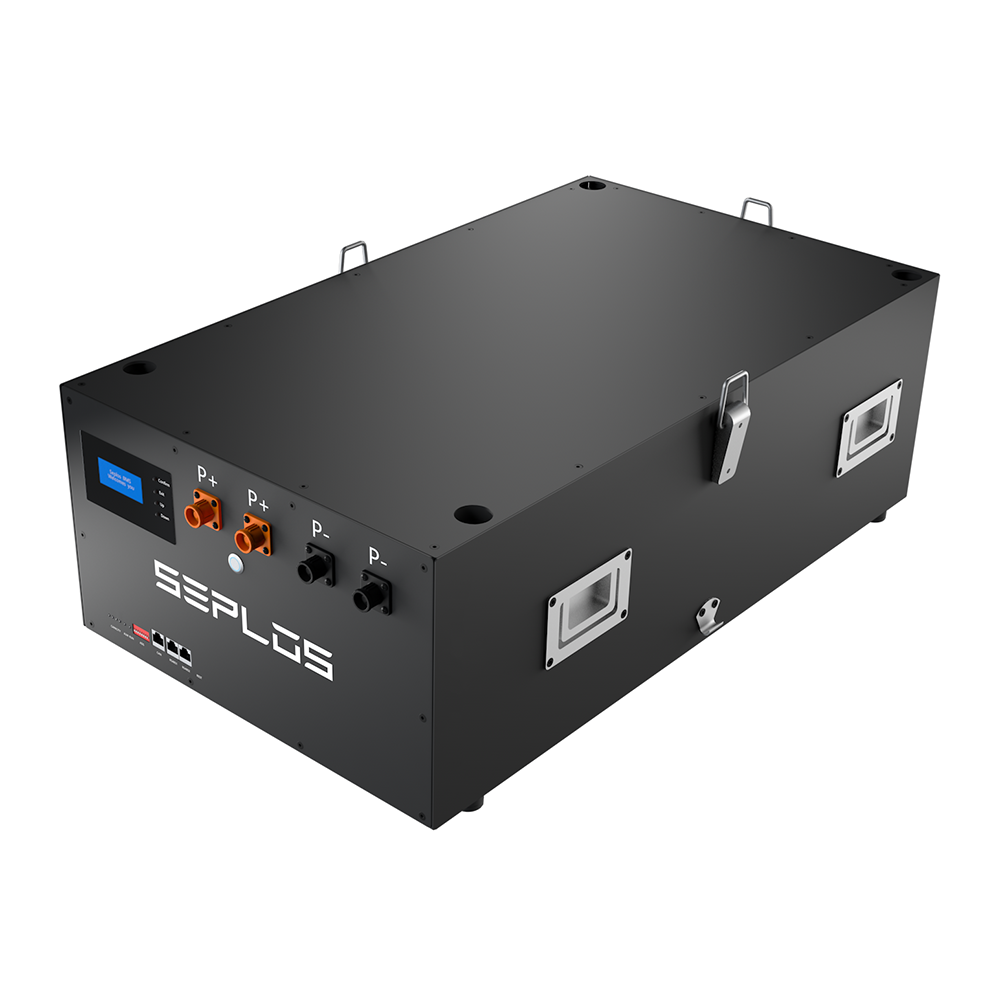
The modern home is evolving rapidly, and energy independence has become a priority for homeowners worldwide. Home energy storage systems represent a revolutionary shift in how we manage electricity consumption, offering unprecedented control over power usage and significant cost savings. These sophisticated battery systems capture excess energy from solar panels or the grid during off-peak hours, storing it for later use when electricity rates are higher or during power outages. As utility costs continue to rise and grid reliability faces increasing challenges, understanding the fundamentals of home energy storage has never been more critical for making informed decisions about your household's energy future.
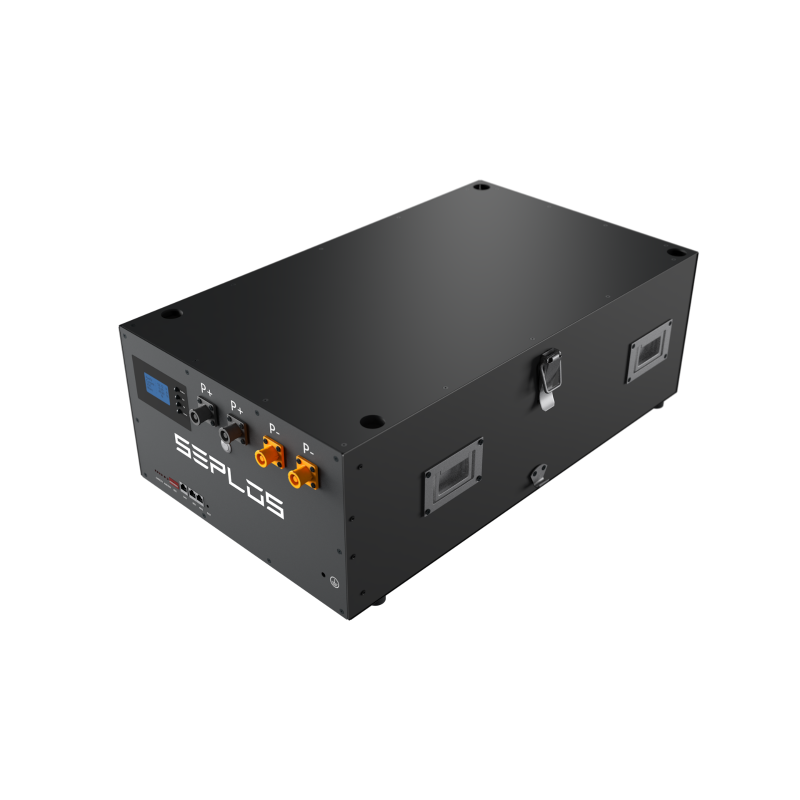
Understanding Energy Storage Technology Fundamentals
Battery Chemistry and Performance
The heart of any home energy storage system lies in its battery technology, with lithium iron phosphate (LiFePO4) emerging as the gold standard for residential applications. This advanced chemistry offers superior safety characteristics, longer cycle life, and stable performance across varying temperatures compared to traditional lead-acid alternatives. LiFePO4 batteries typically deliver 6,000 to 10,000 charge cycles while maintaining 80% of their original capacity, translating to decades of reliable service. The technology's inherent thermal stability reduces fire risks, making it ideal for indoor installations where safety is paramount.
Modern home energy storage systems integrate sophisticated battery management systems that monitor cell voltage, temperature, and current flow in real-time. These intelligent controllers ensure optimal charging patterns, prevent overcharging or deep discharge scenarios, and balance individual cells to maximize overall system longevity. The result is a robust energy solution that adapts to your household's unique consumption patterns while maintaining peak efficiency throughout its operational lifespan.
System Integration and Smart Controls
Contemporary home energy storage solutions feature advanced inverter technology that seamlessly converts stored DC power into AC electricity compatible with household appliances. These hybrid inverters often include built-in monitoring capabilities, allowing homeowners to track energy production, consumption, and storage levels through intuitive smartphone applications. Smart control algorithms automatically optimize when to charge from solar panels versus the grid, when to discharge stored energy, and how to prioritize different electrical loads during outages.
The integration extends beyond basic functionality to include time-of-use optimization, where the system learns your local utility rate structures and automatically shifts energy consumption to minimize costs. Some advanced systems can even participate in grid services programs, selling excess stored energy back to utilities during peak demand periods, creating additional revenue streams for homeowners while supporting grid stability.
Economic Benefits and Return on Investment
Electricity Cost Reduction Strategies
Implementing a home energy storage system unlocks multiple pathways for reducing monthly electricity expenses. Time-of-use arbitrage represents the most immediate benefit, where the system charges during off-peak hours when electricity rates are lowest and discharges during peak periods when rates can be three to five times higher. This strategy alone can reduce electricity bills by 30-50% in regions with significant rate variations throughout the day.
Demand charge reduction offers another substantial savings opportunity for homeowners subject to utility demand pricing structures. These charges, based on the highest 15-minute power consumption period during billing cycles, can account for 30-70% of commercial electricity bills and are increasingly applied to residential customers. Energy storage systems smooth power consumption peaks by supplementing grid electricity during high-demand periods, effectively capping demand charges and delivering predictable monthly savings.
Long-term Financial Considerations
The financial attractiveness of home energy storage continues improving as battery costs decline and utility rates rise. Current payback periods typically range from 7-12 years, depending on local electricity rates, system size, and usage patterns. However, when combined with solar installations, the economics become even more compelling, as stored solar energy can be used during evening hours when the sun isn't shining but electricity demand and rates are highest.
Property value enhancement represents an often-overlooked financial benefit, with studies indicating that homes equipped with energy storage systems command 4-6% higher selling prices compared to similar properties without these installations. This premium reflects buyers' increasing appreciation for energy independence, lower operating costs, and enhanced resilience against power outages, making energy storage a valuable long-term investment beyond mere utility savings.
Installation Requirements and Technical Considerations
Space and Infrastructure Planning
Successful home energy storage installation begins with careful assessment of available space and existing electrical infrastructure. Most residential battery systems require dedicated areas with adequate ventilation, temperature control, and protection from moisture or extreme conditions. Garage installations are popular due to convenient access and moderate temperature ranges, while basement locations offer consistent temperatures but may require additional ventilation considerations.
Electrical panel upgrades often accompany energy storage installations, particularly in older homes where existing panels lack capacity for additional circuits or modern safety features. Professional assessment ensures adequate amperage for simultaneous charging and household loads, proper grounding systems, and compliance with rapidly evolving electrical codes governing energy storage installations. These infrastructure investments, while adding upfront costs, ensure safe operation and optimal system performance throughout the installation's lifespan.
Permitting and Code Compliance
Navigating local permitting requirements represents a critical aspect of home energy storage installation that varies significantly between jurisdictions. Most areas require electrical permits, structural assessments for wall-mounted units, and inspections to verify compliance with National Electrical Code standards. Some regions have streamlined permitting processes for energy storage, while others maintain complex approval procedures that can extend installation timelines.
Working with certified installers familiar with local codes and utility interconnection requirements streamlines the permitting process and ensures compliant installations. These professionals understand specific requirements for system sizing, safety disconnects, labeling, and documentation that inspectors expect, reducing potential delays or rework that can increase project costs and complexity.
Safety Features and Maintenance Protocols
Built-in Safety Systems
Modern home energy storage systems incorporate multiple layers of safety protection designed to prevent thermal runaway, electrical faults, and other potential hazards. Advanced battery management systems continuously monitor cell temperatures, voltages, and charging currents, automatically shutting down operations if parameters exceed safe thresholds. These systems include flame-retardant enclosures, explosion-proof venting, and emergency disconnect mechanisms that can be activated remotely or through smartphone applications.
Fire suppression integration has become standard in premium home energy storage installations, with some systems featuring built-in suppression agents or compatibility with home fire protection systems. Thermal monitoring alerts homeowners to unusual temperature conditions before they become dangerous, while ground fault protection and arc fault detection prevent electrical fires that could threaten property and personal safety.
Maintenance and Longevity
Home energy storage systems require minimal maintenance compared to traditional backup generators, with most routine tasks involving periodic visual inspections and software updates. Battery systems benefit from maintaining moderate charge levels during extended non-use periods, typically 40-60% capacity, which preserves cell chemistry and extends operational life. Professional annual inspections ensure connections remain secure, cooling systems function properly, and software operates with the latest optimization algorithms.
Proactive maintenance extends system life and maintains warranty coverage, with most manufacturers offering 10-15 year warranties on residential installations. Regular monitoring through integrated apps allows homeowners to track performance trends, identify potential issues before they become problems, and optimize system settings for changing household energy patterns or utility rate structures.
Future Technology Trends and Considerations
Emerging Battery Technologies
The home energy storage landscape continues evolving rapidly, with next-generation battery chemistries promising even better performance and lower costs. Solid-state batteries represent a significant advancement, offering higher energy density, faster charging, and enhanced safety compared to current lithium-ion technology. These innovations could reduce system footprints while increasing storage capacity, making energy independence more accessible for homes with limited installation space.
Alternative technologies like compressed air energy storage and gravity-based systems are emerging for specific applications, though lithium-based solutions currently dominate residential markets due to their proven reliability and decreasing costs. Research into recyclable battery materials and closed-loop manufacturing processes addresses environmental concerns while reducing long-term system costs through material recovery programs.
Grid Integration and Smart Home Connectivity
Future home energy storage systems will feature enhanced grid integration capabilities, participating in virtual power plants where distributed battery systems collectively provide grid services. These networks allow individual homeowners to monetize their storage capacity by providing frequency regulation, voltage support, and emergency backup power to utilities during grid stress events. Smart contracts and blockchain technology may automate these transactions, creating passive income streams for energy storage owners.
Integration with smart home ecosystems continues advancing, with energy storage systems communicating with electric vehicle chargers, heat pumps, and other major appliances to optimize overall energy consumption. Machine learning algorithms will predict household energy patterns with increasing accuracy, pre-cooling homes before peak rate periods or pre-charging batteries ahead of predicted outages based on weather forecasting and grid conditions.
FAQ
How long do home energy storage batteries typically last?
Most modern home energy storage batteries using lithium iron phosphate chemistry last 10-15 years or 6,000-10,000 charge cycles while maintaining at least 80% of their original capacity. Actual lifespan depends on usage patterns, charging habits, temperature conditions, and system quality. Premium systems with advanced battery management often exceed these specifications, with some manufacturers offering warranties up to 20 years for residential installations.
Can home energy storage systems power my entire house during outages?
The ability to power your entire home during outages depends on your system's capacity and your household's energy consumption patterns. Most residential systems can support essential loads like lighting, refrigeration, and communication devices for 8-24 hours. Whole-home backup requires larger battery banks and careful load management, with systems typically designed to power critical circuits rather than energy-intensive appliances like electric water heaters or air conditioning units during extended outages.
Do I need solar panels to benefit from home energy storage?
While solar panels maximize the benefits of home energy storage through free energy generation, they are not required for financial advantages. Grid-tied energy storage systems can reduce costs through time-of-use arbitrage, demand charge reduction, and participation in utility programs. However, combining storage with solar panels creates the most compelling economics and energy independence, as stored solar energy provides the lowest-cost electricity available to homeowners.
What happens to home energy storage systems during extreme weather events?
Quality home energy storage systems are designed to operate safely in extreme weather conditions, with operating temperature ranges typically from -4°F to 140°F (-20°C to 60°C). Advanced systems include thermal management features that maintain optimal battery temperatures during heat waves or cold snaps. During severe weather events like hurricanes or ice storms, these systems provide crucial backup power for communication, lighting, and medical devices when grid power is unavailable for extended periods.
