
 EN
EN


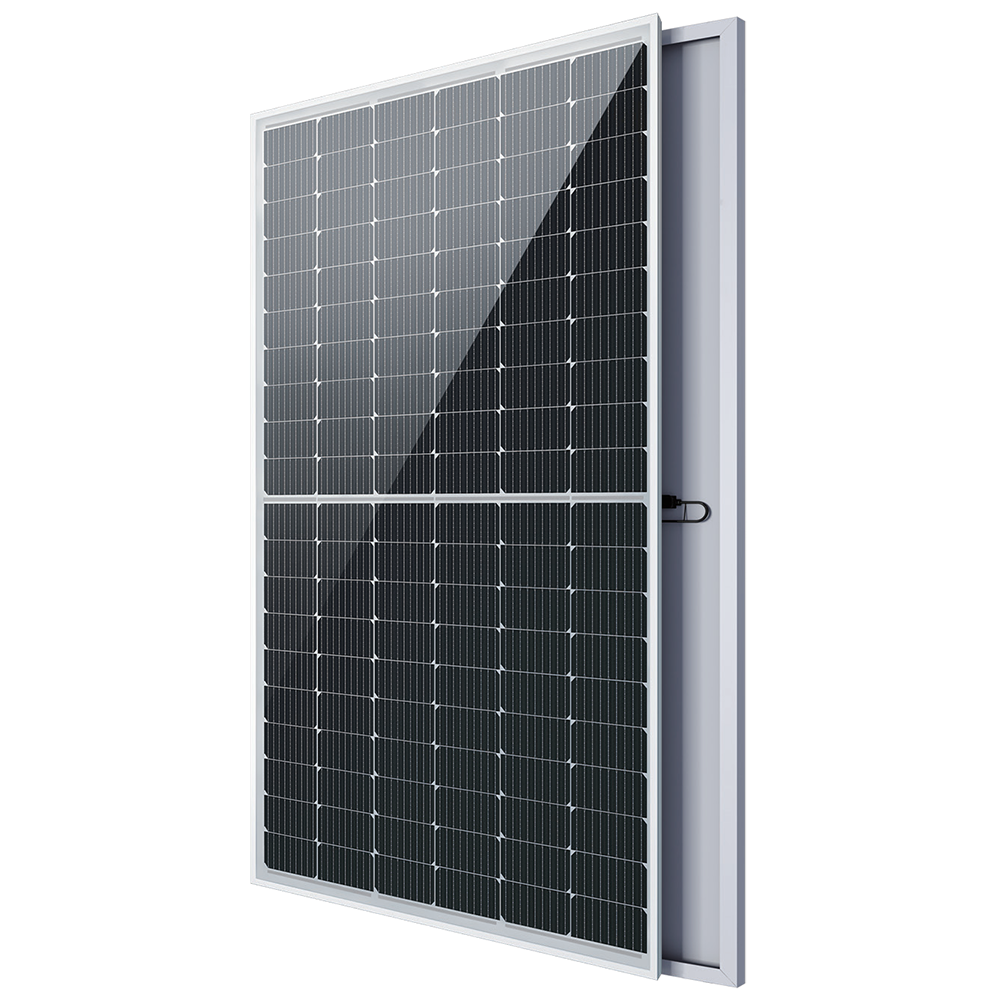
Investing in a solar energy system represents one of the most significant financial decisions homeowners and businesses can make toward sustainable energy independence. Understanding the return on investment for solar installations requires careful consideration of multiple factors including initial costs, energy savings, tax incentives, and long-term performance metrics. The financial benefits of transitioning to solar power extend far beyond simple electricity bill reductions, encompassing property value increases, environmental impact mitigation, and protection against rising utility costs over decades of operation.
Initial Investment Analysis and Cost Breakdown
Equipment and Installation Expenses
The upfront investment in a solar energy system typically ranges from fifteen thousand to thirty thousand dollars for residential installations, depending on system size, component quality, and regional labor costs. Premium solar panels, inverters, mounting hardware, and professional installation services constitute the majority of initial expenses. High-efficiency photovoltaic modules command higher prices but deliver superior long-term performance and space optimization benefits. Quality inverters ensure optimal energy conversion rates and system monitoring capabilities that maximize overall investment returns.
Installation complexity varies significantly based on roof characteristics, electrical panel upgrades, and local permitting requirements. Single-story homes with south-facing roofs typically incur lower installation costs compared to multi-story structures requiring specialized equipment and safety measures. Electrical system upgrades may be necessary to accommodate solar integration, particularly in older homes with outdated panels or insufficient capacity for modern energy management systems.
Financing Options and Payment Structures
Solar financing mechanisms include cash purchases, solar loans, leasing arrangements, and power purchase agreements, each offering distinct advantages and ROI implications. Cash purchases eliminate interest expenses and maximize long-term savings but require substantial upfront capital investment. Solar loans provide immediate installation benefits while spreading costs over extended payment periods, though interest charges reduce overall financial returns compared to cash transactions.
Leasing programs and power purchase agreements minimize initial investment requirements but typically offer lower long-term savings compared to ownership models. These arrangements may include escalation clauses that gradually increase monthly payments, potentially offsetting some financial benefits over time. Property owners should carefully evaluate contract terms, including system maintenance responsibilities, performance guarantees, and end-of-lease options when considering these financing alternatives.
Energy Production and Savings Calculations
Performance Metrics and Output Expectations
Typical residential solar installations generate between eight thousand and twelve thousand kilowatt-hours annually, depending on system size, geographic location, and local weather patterns. Peak sun hours, seasonal variations, and shading conditions significantly influence actual energy production compared to theoretical capacity ratings. Modern solar panels maintain approximately eighty percent of their original efficiency after twenty-five years of operation, ensuring consistent long-term energy generation.
System monitoring technology enables real-time performance tracking and optimization opportunities that maximize energy production throughout the installation lifecycle. Advanced monitoring platforms identify individual panel performance issues, inverter malfunctions, and environmental factors affecting overall system efficiency. This data-driven approach helps property owners maintain optimal performance levels and identify maintenance needs before they impact energy production significantly.
Utility Bill Reduction Strategies
Net metering policies allow solar energy system owners to receive credits for excess electricity fed back into the grid during peak production periods. These credits offset consumption during evening hours or cloudy days when solar generation decreases below household demand levels. Net metering arrangements vary by utility company and state regulations, with some programs offering one-to-one credit ratios while others provide reduced compensation rates for surplus energy.
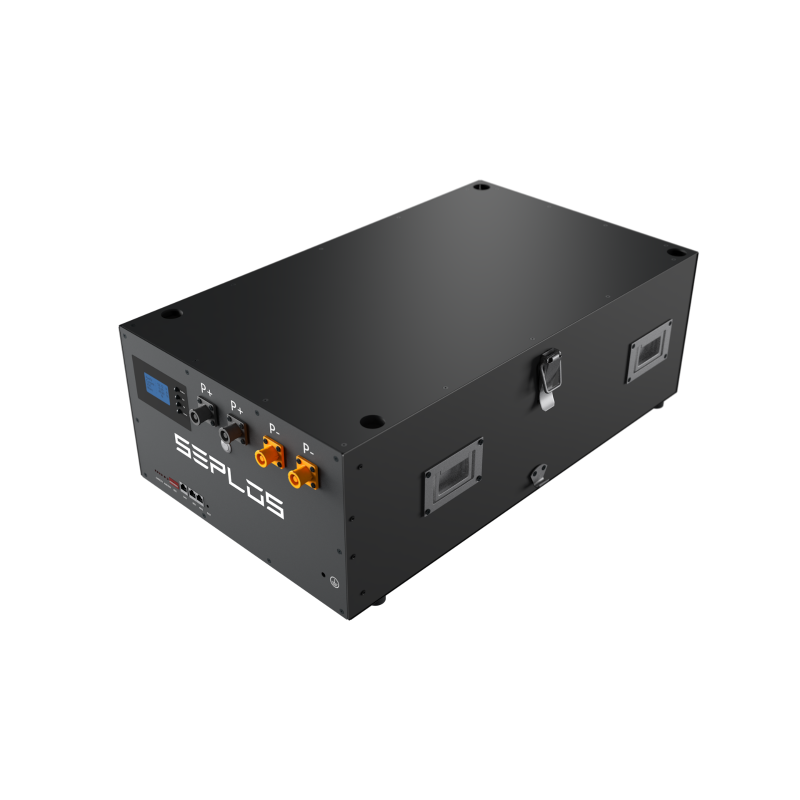
Time-of-use electricity rates create additional savings opportunities for solar installations paired with battery storage systems. Peak demand periods typically occur during late afternoon and evening hours when solar production naturally decreases, making stored energy particularly valuable for offsetting expensive grid electricity purchases. Strategic energy management during these high-rate periods can significantly enhance overall system ROI beyond basic generation savings.
Tax Incentives and Financial Benefits
Federal and State Tax Credit Programs
The federal solar Investment Tax Credit provides a thirty percent reduction in income tax liability based on total system installation costs, including equipment, labor, and permitting expenses. This substantial incentive effectively reduces net investment costs by nearly one-third for qualifying installations completed before program expiration dates. State and local tax credit programs may provide additional savings opportunities, though availability and benefit levels vary significantly by jurisdiction.
Property tax exemptions for solar installations prevent increased tax assessments despite significant property value improvements from renewable energy systems. Many states recognize the environmental and economic benefits of solar adoption by excluding installation costs from property tax calculations. These exemptions preserve long-term savings by avoiding ongoing tax increases that could otherwise reduce overall investment returns throughout the system lifecycle.
Rebate Programs and Utility Incentives
Local utility companies often provide cash rebates or performance-based incentives to encourage solar adoption within their service territories. These programs may offer fixed dollar amounts per installed watt or ongoing payments based on actual energy production over specified time periods. Rebate availability frequently depends on program funding levels and annual budget allocations, making early application submission advantageous for maximizing available benefits.
Some utilities implement time-limited incentive programs with declining benefit levels as solar adoption increases within their service areas. These step-down structures reward early adopters with higher incentive payments while encouraging rapid market development. Property owners considering solar installations should research current incentive availability and scheduled reductions to optimize timing for maximum financial benefits.
Long-term Financial Performance
Payback Period Analysis
Typical solar energy system payback periods range from six to ten years, depending on installation costs, energy production levels, local electricity rates, and available incentive programs. Systems installed in regions with high electricity costs and abundant sunshine generally achieve faster payback compared to areas with lower rates or limited solar resources. Rising utility rates over time accelerate payback periods by increasing the value of solar-generated electricity relative to grid purchases.
Payback calculations should account for system degradation rates, maintenance costs, and potential equipment replacement needs over the installation lifecycle. Modern solar panels typically degrade at approximately half a percent annually, gradually reducing energy production and extending theoretical payback periods. However, rising electricity costs often offset performance degradation impacts, maintaining consistent savings levels throughout extended operational periods.
Twenty-Five Year ROI Projections
Well-designed solar installations typically generate returns between eight and fifteen percent annually over their operational lifespans, comparing favorably to traditional investment alternatives. These returns assume normal system performance, moderate electricity rate increases, and minimal maintenance requirements throughout the twenty-five year evaluation period. Premium component selections and professional installation practices significantly influence long-term performance and financial outcomes.
Total lifetime savings often exceed one hundred thousand dollars for appropriately sized residential systems, accounting for avoided electricity purchases, tax benefits, and property value improvements. These projections assume continued utility rate inflation and normal system performance degradation over extended operational periods. Conservative estimates typically use lower electricity rate increase assumptions to provide realistic expectations for potential solar investors.
Property Value Enhancement
Real Estate Market Impact
Solar installations typically increase property values by approximately four percent, representing substantial equity gains that partially offset initial investment costs. Real estate studies consistently demonstrate buyer preferences for homes with existing solar systems, particularly in markets with high electricity costs and environmental consciousness. These value increases often persist throughout property ownership periods, providing immediate equity benefits alongside ongoing energy savings.
Homes equipped with solar energy systems typically sell faster than comparable properties without renewable energy installations. Buyer interest in move-in-ready solar homes eliminates concerns about installation logistics, permitting processes, and initial investment requirements. Marketing advantages extend beyond financial considerations to include environmental responsibility and energy independence appeals that resonate with contemporary homebuyer preferences.
Appraisal Considerations and Market Trends
Professional appraisers increasingly recognize solar installations as valuable property improvements that warrant consideration in market value assessments. Standardized valuation methodologies account for system age, remaining warranty coverage, and expected future energy production when determining contribution to overall property worth. These systematic approaches provide consistent valuation treatment across different market areas and appraisal professionals.
Market acceptance of solar technology continues expanding as installation costs decrease and performance reliability improves. Younger demographic segments particularly value sustainable technology features when evaluating potential home purchases. This trend suggests continued appreciation for solar-equipped properties as environmentally conscious buyers become dominant market participants over time.
Risk Assessment and Mitigation
Technology and Performance Risks
Modern solar technology demonstrates exceptional reliability with comprehensive warranty coverage protecting against equipment failures and performance degradation beyond normal expectations. Panel manufacturers typically provide twenty-five year performance warranties guaranteeing minimum output levels throughout extended operational periods. Inverter warranties generally cover ten to twenty years of operation, with extended coverage options available for additional protection against premature failures.
Weather-related damage risks remain minimal for properly installed systems designed to withstand local environmental conditions including high winds, hail, and snow loads. Insurance coverage typically includes solar installations under standard homeowner policies, though specific coverage verification and potential premium adjustments should be confirmed during the planning process. Professional installation practices and building code compliance significantly reduce weather-related performance risks.
Market and Regulatory Considerations
Net metering policy changes represent the primary regulatory risk for solar installations, as utility rate structures and credit mechanisms may evolve over system lifespans. Grandfathering provisions typically protect existing installations from retroactive policy changes, ensuring continued benefits under original agreement terms. Monitoring regulatory developments and participating in public comment processes helps protect long-term investment interests.
Electricity market deregulation and evolving utility business models may create new opportunities and challenges for solar system owners. Advanced metering infrastructure and time-of-use rate structures increasingly reward strategic energy management and storage system integration. Staying informed about market developments enables proactive adaptation strategies that maximize system value under changing conditions.
FAQ
What factors most significantly impact solar energy system ROI
System size optimization, local electricity rates, available tax incentives, and installation quality represent the primary factors determining solar ROI outcomes. Geographic location affects both energy production potential and incentive program availability. Professional system design ensures optimal component sizing and placement for maximum energy generation and financial returns throughout the operational lifecycle.
How do financing options affect overall investment returns
Cash purchases maximize long-term savings by eliminating interest expenses and enabling full benefit capture from tax incentives and energy production. Solar loans provide immediate installation benefits while extending payback periods through interest costs. Leasing arrangements reduce upfront investments but typically offer lower overall savings compared to ownership models over extended time periods.
What maintenance requirements affect long-term system performance
Routine cleaning, visual inspections, and performance monitoring represent primary maintenance activities for optimal system operation. Professional inspections every few years help identify potential issues before they impact energy production significantly. Most maintenance tasks require minimal investment while ensuring continued peak performance throughout the system warranty period and beyond.
How do utility rate changes influence solar investment value
Rising electricity rates increase the value of solar-generated power, accelerating payback periods and enhancing long-term savings potential. Net metering policies and time-of-use rate structures significantly influence system value propositions. Battery storage integration provides additional protection against unfavorable rate changes while maximizing value from solar energy production during peak demand periods.
