
 EN
EN


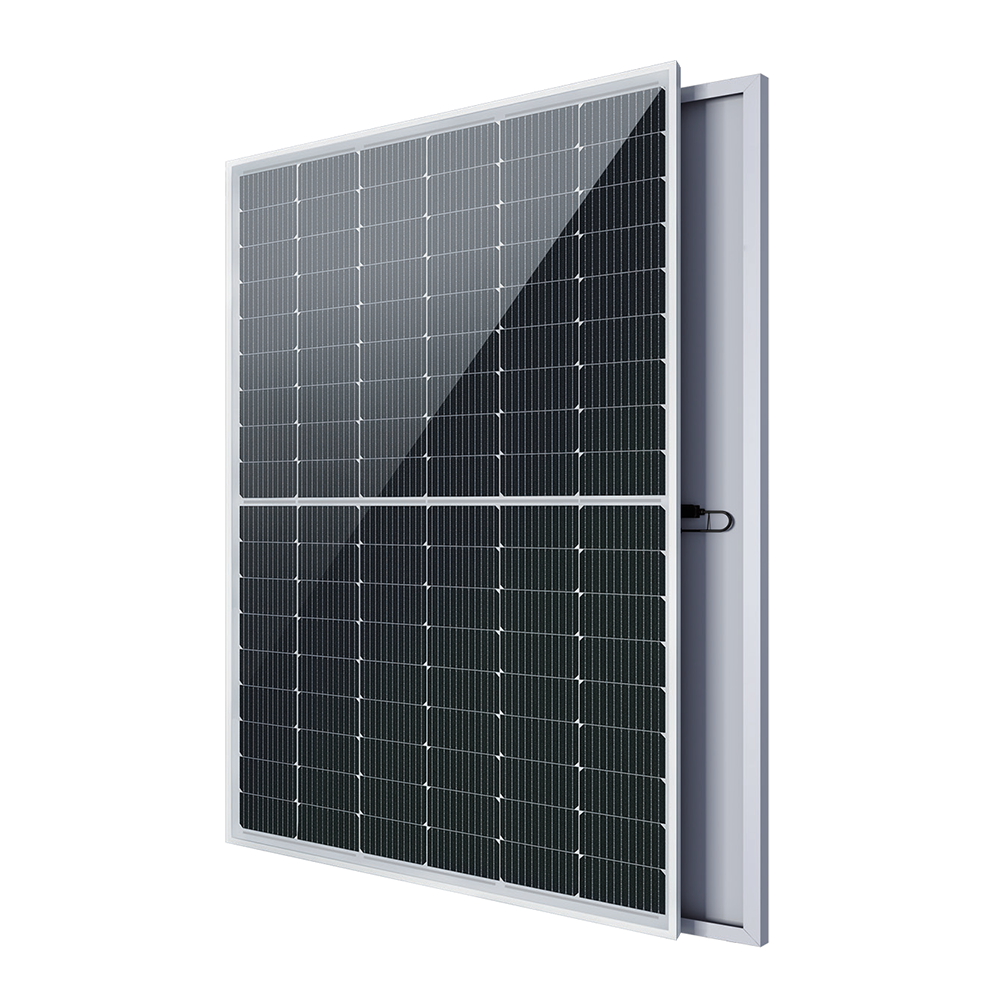
Understanding the true cost of a solar energy system requires examining multiple factors that influence pricing in today's renewable energy market. The investment in a solar energy system varies significantly based on system size, component quality, installation complexity, and regional incentives. While initial costs may seem substantial, the long-term financial benefits and environmental impact make solar energy systems increasingly attractive for both residential and commercial applications.
The solar industry has experienced dramatic cost reductions over the past decade, making solar energy systems more accessible to a broader range of consumers. According to industry reports, solar panel prices have dropped by more than 80% since 2010, while system efficiency has continued to improve. These market dynamics have transformed the solar energy system landscape, creating opportunities for significant energy savings and return on investment.
Primary Cost Components of Solar Energy Systems
Solar Panel and Equipment Expenses
Solar panels typically represent the largest single expense in a solar energy system, accounting for approximately 30-40% of total system costs. High-efficiency monocrystalline panels command premium pricing compared to polycrystalline alternatives, but offer superior performance and space efficiency. The quality and warranty terms of solar panels directly impact both upfront costs and long-term system reliability, making equipment selection a critical financial decision.
Inverters, mounting hardware, and electrical components constitute additional essential expenses within a solar energy system. String inverters offer cost-effective solutions for straightforward installations, while power optimizers and microinverters provide enhanced performance monitoring and shade tolerance at higher price points. The choice between these technologies affects both initial investment and system optimization capabilities throughout the operational lifetime.
Battery Storage Integration Costs
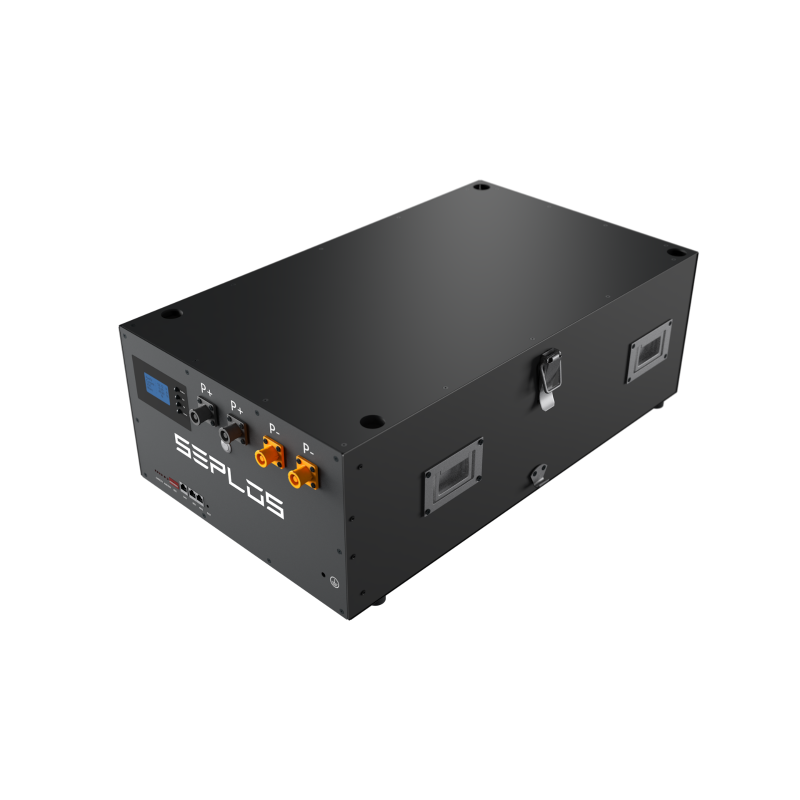
Energy storage represents a growing segment of solar energy system installations, with battery costs continuing to decline while performance improves. Lithium-ion battery systems, particularly LiFePO4 technologies, have become the preferred choice for residential and commercial applications due to their safety profile, cycle life, and energy density. A complete solar energy system with battery backup provides energy independence and grid resilience, though it increases total investment by 40-60% compared to grid-tied only configurations.
Battery sizing requirements depend on household energy consumption patterns, backup duration needs, and local utility rate structures. Proper battery sizing ensures optimal system performance while avoiding unnecessary capital expenditure on excessive storage capacity. Modern battery management systems provide sophisticated monitoring and control capabilities that maximize battery lifespan and system efficiency.
Installation and Labor Cost Factors
Professional Installation Requirements
Professional installation typically accounts for 15-20% of total solar energy system costs, with pricing influenced by roof complexity, electrical upgrades, and permitting requirements. Experienced installers ensure proper system design, code compliance, and optimal performance while maintaining manufacturer warranties. The installation process involves structural assessments, electrical connections, and safety protocols that require specialized knowledge and certification.
Geographic location significantly impacts installation costs due to varying labor rates, permitting fees, and local code requirements. Urban markets often feature higher installation costs but may offer more competitive equipment pricing and financing options. Rural installations may face additional costs for electrical infrastructure upgrades or extended travel distances for installation crews.
Permitting and Inspection Expenses
Permitting costs for a solar energy system range from several hundred to over a thousand dollars, depending on local jurisdiction requirements and system complexity. Building permits, electrical permits, and utility interconnection agreements represent mandatory expenses that vary significantly by location. Some regions have streamlined permitting processes that reduce both costs and installation timelines, while others maintain more complex approval procedures.
Inspection requirements ensure solar energy system safety and code compliance but add time and expense to the installation process. Multiple inspections may be required at different installation phases, including structural, electrical, and final system commissioning. Working with experienced installers familiar with local requirements helps minimize delays and additional costs during the permitting and inspection process.
Regional Pricing Variations and Market Dynamics
Geographic Cost Differences
Solar energy system costs vary considerably across different geographic regions due to factors including solar resource availability, local market competition, and regulatory environments. States with established solar markets typically offer more competitive pricing due to installer competition and supply chain efficiency. Conversely, emerging markets may experience higher costs due to limited installer availability and less developed distribution networks.
Regional utility rate structures significantly influence the economic attractiveness of solar energy systems, affecting payback periods and return on investment calculations. Areas with high electricity rates and favorable net metering policies provide stronger financial incentives for solar adoption, while regions with low utility rates may require longer payback periods to achieve positive returns.
Market Competition and Pricing Trends
Increased competition among solar installers has driven down prices and improved service quality in mature markets. National installers often provide standardized pricing and financing options, while local installers may offer more personalized service and competitive rates. The solar energy system market continues to evolve as new entrants and technologies create additional pricing pressure and innovation opportunities.
Supply chain factors, including raw material costs, manufacturing capacity, and shipping logistics, influence solar energy system pricing on both regional and national levels. Global events, trade policies, and seasonal demand patterns can create temporary price fluctuations that affect project economics. Monitoring market trends and timing purchases strategically can help optimize solar energy system investments.
Financial Incentives and Cost Reduction Strategies
Federal and State Tax Credits
The federal solar Investment Tax Credit (ITC) provides a significant cost reduction opportunity for solar energy system purchasers, allowing a credit equal to 30% of system costs through 2032. This substantial incentive effectively reduces net system costs and improves project economics for both residential and commercial installations. State and local tax credits may provide additional savings opportunities, though availability and terms vary by jurisdiction.
Tax credit eligibility requires meeting specific criteria including system ownership, installation deadlines, and equipment certification requirements. Working with qualified tax professionals ensures proper credit claiming and compliance with applicable regulations. The substantial value of available tax credits makes understanding and properly utilizing these incentives essential for optimizing solar energy system investments.
Financing Options and Payment Structures
Solar financing options have expanded dramatically, providing access to solar energy systems for customers across various financial situations. Cash purchases offer the highest long-term returns but require significant upfront capital, while solar loans enable system ownership with monthly payments that often cost less than eliminated utility bills. Power purchase agreements (PPAs) and leasing arrangements provide access to solar energy with minimal upfront costs but typically offer lower long-term savings.
Interest rates, loan terms, and down payment requirements significantly impact the total cost of financed solar energy systems. Comparing financing options from multiple providers helps identify the most favorable terms for specific financial situations. Some installers offer proprietary financing programs with competitive rates and streamlined approval processes that can accelerate project timelines.
Long-term Cost Considerations and Return Analysis
Operational and Maintenance Expenses
Solar energy systems require minimal ongoing maintenance, with annual costs typically representing less than 1% of initial system investment. Regular cleaning, inverter monitoring, and periodic inspections help maintain optimal system performance throughout the 25-30 year operational lifetime. Modern monitoring systems provide real-time performance data that enables proactive maintenance and rapid problem identification.
Component warranties and service agreements provide protection against unexpected repair costs and ensure long-term system reliability. Solar panels typically include 20-25 year performance warranties, while inverters may require replacement after 10-15 years of operation. Understanding warranty terms and service requirements helps accurately project lifetime system costs and maintenance responsibilities.
Energy Savings and Payback Analysis
Calculating solar energy system payback periods requires analyzing current electricity usage, utility rate structures, and projected energy production over time. Most residential systems achieve payback within 6-10 years, with 15-20 years of additional energy savings providing substantial long-term value. Commercial systems often feature shorter payback periods due to higher electricity rates and favorable tax treatment.
Net metering policies significantly impact the economic value of solar energy systems by providing credit for excess electricity sent to the grid. Understanding local net metering rules and potential policy changes helps accurately assess long-term financial benefits. Some utilities offer time-of-use rates that can enhance solar energy system value by providing higher compensation during peak production hours.
System Sizing and Cost Optimization
Energy Usage Analysis and System Design
Proper system sizing requires detailed analysis of historical electricity usage patterns, seasonal variations, and future consumption changes. Oversizing a solar energy system may provide additional energy security but increases upfront costs and may face utility interconnection limitations. Undersizing systems reduces initial investment but may limit potential energy savings and require future system expansion.
Professional energy audits help identify efficiency improvements that can reduce system sizing requirements and overall project costs. Implementing energy efficiency measures before installing a solar energy system often provides better return on investment than purchasing additional solar capacity. Strategic load management and usage pattern modifications can further optimize system performance and economic returns.
Technology Selection and Performance Optimization
Selecting appropriate solar energy system components requires balancing upfront costs with long-term performance and reliability considerations. Premium components typically offer superior warranties, higher efficiency ratings, and better performance in challenging conditions, but command higher prices. Value-oriented component selections can reduce initial costs while still providing reliable long-term operation.
System design optimization, including panel orientation, tilt angles, and shading mitigation, significantly impacts energy production and economic performance. Professional system design services ensure optimal configuration for specific site conditions and maximize return on investment. Advanced design tools and modeling software help predict system performance and identify potential optimization opportunities.
FAQ
What factors most significantly impact solar energy system costs
System size represents the primary cost driver for solar energy systems, with larger installations achieving better economies of scale. Component quality, installation complexity, local labor rates, and permitting requirements also significantly influence total system costs. Regional incentives and financing terms can substantially reduce net costs and improve project economics.
How do solar energy system costs compare to traditional electricity expenses
Solar energy systems typically generate electricity at costs significantly below utility retail rates when properly sized and financed. While upfront investment requirements are substantial, the 25-30 year operational lifetime provides decades of reduced electricity expenses. Most systems achieve positive cash flow within 6-10 years and continue providing savings throughout their operational lifetime.
Are solar energy system costs continuing to decline
Solar energy system costs have declined dramatically over the past decade and continue trending downward, though at slower rates than historical averages. Technological improvements, manufacturing scale efficiencies, and increased market competition drive ongoing cost reductions. However, supply chain factors and raw material costs can create temporary price fluctuations that affect short-term pricing trends.
What financing options provide the best value for solar energy system purchases
Cash purchases typically offer the highest long-term returns for solar energy systems by avoiding financing costs and maximizing available incentives. Solar loans with competitive interest rates provide system ownership benefits while spreading costs over time. Lease and PPA arrangements offer lower upfront costs but typically provide reduced long-term savings compared to ownership options.
