
 EN
EN


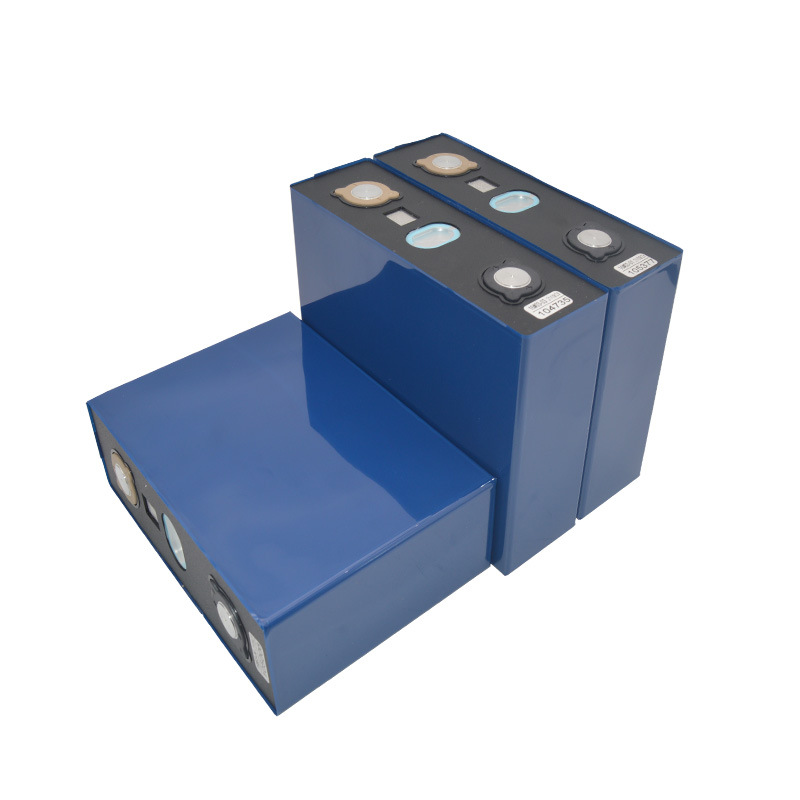
Safety considerations for lithium battery systems have become increasingly critical as these power storage solutions gain widespread adoption across residential, commercial, and industrial applications. Understanding proper care guidelines ensures optimal performance while preventing potential hazards that can arise from improper handling or maintenance practices. Modern lithium battery technology offers exceptional energy density and longevity when managed correctly through established safety protocols.
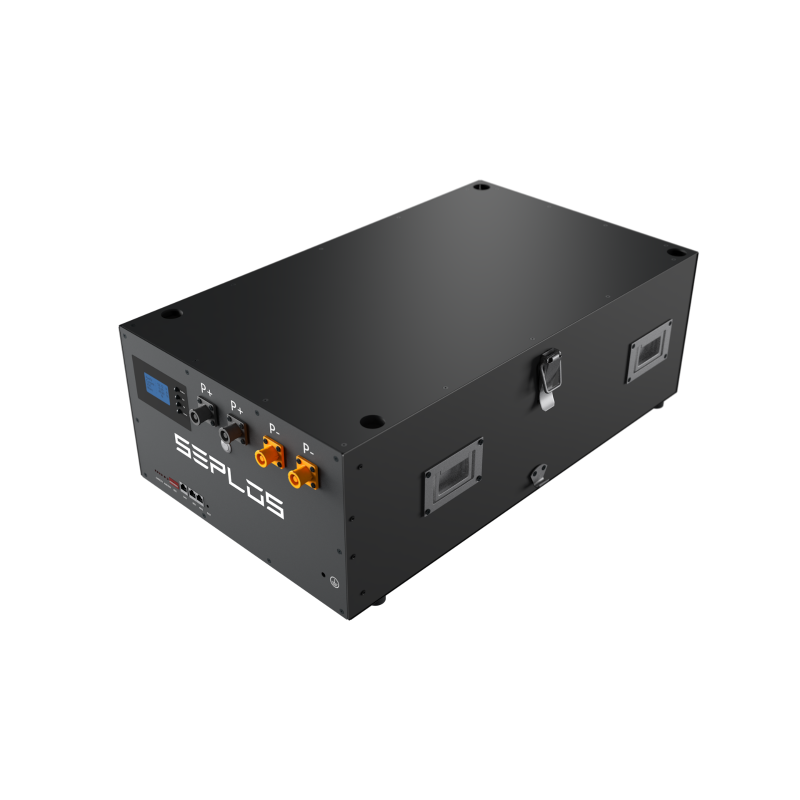
The significance of implementing comprehensive safety measures extends beyond basic operational requirements, encompassing environmental factors, installation standards, and ongoing monitoring practices. Professional installation and adherence to manufacturer specifications form the foundation of safe lithium battery operation, while regular inspections help identify potential issues before they escalate into serious safety concerns.
Understanding Lithium Battery Technology and Risk Factors
Core Components and Safety Mechanisms
Contemporary lithium battery systems incorporate multiple layers of protection designed to prevent thermal runaway, overcharging, and other potentially dangerous conditions. These safety features include battery management systems that continuously monitor cell voltages, temperatures, and current flow patterns. Understanding how these protective mechanisms function helps users recognize warning signs and respond appropriately to prevent accidents.
The internal structure of a lithium battery consists of positive and negative electrodes separated by an electrolyte solution, with each component requiring specific environmental conditions for safe operation. Temperature extremes, physical damage, or exposure to moisture can compromise these delicate internal systems, potentially leading to performance degradation or safety hazards that require immediate attention.
Common Risk Scenarios and Prevention Strategies
Thermal runaway represents the most serious safety concern associated with lithium battery operation, occurring when internal temperatures exceed safe operating limits and trigger a self-sustaining reaction. This condition can result from overcharging, physical damage, manufacturing defects, or exposure to extreme temperatures. Implementing proper charging protocols and maintaining appropriate ambient temperatures significantly reduces the likelihood of thermal runaway incidents.
Electrical hazards pose additional risks when working with lithium battery systems, particularly during installation or maintenance activities. High voltage and current levels present in these systems require proper safety equipment and procedures to prevent electrical shock or short-circuit conditions that could damage equipment or injure personnel.
Installation and Environmental Requirements
Proper Installation Practices
Professional installation ensures that lithium battery systems meet all relevant safety codes and manufacturer specifications while minimizing potential hazards. Qualified technicians understand proper electrical connections, ventilation requirements, and spacing considerations that prevent overheating and ensure optimal system performance. Installation in appropriate environments protects against environmental factors that could compromise safety or performance.
Location selection plays a crucial role in lithium battery safety, with ideal installations featuring controlled temperature environments, adequate ventilation, and protection from moisture or physical damage. Areas with temperature fluctuations, high humidity, or potential for impact should be avoided to maintain safe operating conditions throughout the system's lifespan.
Environmental Control and Monitoring
Temperature management represents a critical aspect of lithium battery safety, with most systems designed to operate within specific temperature ranges for optimal performance and safety. Monitoring systems should track ambient temperatures and battery internal temperatures to ensure operation within manufacturer-specified limits. Proper ventilation helps dissipate heat generated during charging and discharging cycles.
Humidity control prevents moisture-related issues that can cause corrosion, electrical shorts, or other safety hazards within lithium battery systems. Sealed environments or dehumidification systems help maintain appropriate moisture levels while protecting sensitive electronic components from environmental damage that could compromise safety or performance.
Charging and Operational Safety Protocols
Safe Charging Practices
Proper charging protocols represent fundamental safety requirements for lithium battery operation, with manufacturer-specified charging parameters ensuring safe and efficient energy storage. Using approved charging equipment designed specifically for lithium battery systems prevents overcharging conditions that could lead to thermal runaway or other safety hazards. Charging rate limitations help maintain safe temperatures during the charging process.
Monitoring charging progress allows operators to identify unusual conditions that might indicate developing problems with the lithium battery system. Automated charging systems with built-in safety features provide additional protection by automatically adjusting charging parameters or shutting down operations when potentially dangerous conditions are detected.
Operational Monitoring and Maintenance
Regular monitoring of lithium battery performance parameters helps identify potential issues before they develop into serious safety concerns. Key metrics include voltage levels, temperature readings, and charging efficiency measurements that indicate system health and proper operation. Automated monitoring systems provide real-time data and alerts when parameters exceed safe operating limits.
Preventive maintenance schedules ensure that lithium battery systems continue operating safely throughout their expected lifespan. Regular inspections of electrical connections, housing integrity, and cooling systems help identify wear or damage that could compromise safety or performance if left unaddressed.
Emergency Response and Safety Equipment
Emergency Procedures and Response Plans
Comprehensive emergency response plans address potential lithium battery incidents including thermal runaway, electrical faults, or fire situations. These plans should include immediate response procedures, evacuation protocols, and communication procedures for emergency services. Training personnel in proper emergency response ensures quick and appropriate action when safety incidents occur.
Fire suppression systems designed specifically for lithium battery applications provide enhanced protection against thermal runaway incidents. Traditional water-based suppression systems may not be appropriate for electrical fires, making specialized suppression agents necessary for effective fire control in lithium battery installations.
Personal Protective Equipment and Safety Tools
Appropriate personal protective equipment ensures worker safety during lithium battery installation, maintenance, and emergency response activities. This equipment includes insulated tools, protective clothing, and safety glasses designed to protect against electrical hazards and chemical exposure. Regular training ensures proper use of safety equipment and procedures.
Safety monitoring equipment provides early warning of potentially dangerous conditions in lithium battery installations. Gas detection systems can identify harmful vapors released during thermal runaway events, while temperature monitoring helps prevent overheating conditions that could lead to safety incidents.
Long-term Care and Lifecycle Management
Performance Monitoring and Optimization
Long-term lithium battery performance depends on consistent monitoring and optimization of operating parameters throughout the system lifecycle. Regular capacity testing helps identify degradation trends while ensuring that safety margins remain adequate for continued safe operation. Performance data helps predict when replacement or refurbishment might be necessary.
Optimization strategies help extend lithium battery lifespan while maintaining safety standards throughout the operational period. These strategies include depth-of-discharge management, temperature optimization, and charging profile adjustments based on usage patterns and environmental conditions.
End-of-Life Considerations and Disposal
Safe disposal of lithium battery systems requires specialized procedures and facilities capable of handling potentially hazardous materials. Professional recycling services ensure that valuable materials are recovered while preventing environmental contamination from improper disposal methods. Planning for end-of-life management should begin during initial system design and installation.
Decommissioning procedures ensure safe removal of lithium battery systems when replacement or upgrades become necessary. These procedures include proper discharge protocols, disconnection sequences, and handling methods that prevent safety incidents during removal and transportation activities.
FAQ
What are the most important safety precautions when installing a lithium battery system
The most critical safety precautions include ensuring professional installation by qualified technicians, maintaining proper environmental conditions with adequate ventilation and temperature control, using manufacturer-approved components and charging equipment, and implementing comprehensive monitoring systems. Proper electrical connections and adherence to local electrical codes are essential for safe operation.
How can I tell if my lithium battery system is developing safety issues
Warning signs of potential safety issues include unusual temperature increases, swelling or physical deformation of battery components, unusual odors or vapors, decreased performance or capacity, and error messages or alarms from monitoring systems. Any of these symptoms warrant immediate professional inspection and potential system shutdown until issues are resolved.
What should I do if my lithium battery system experiences thermal runaway
In case of thermal runaway, immediately evacuate the area and contact emergency services, as this condition can produce toxic gases and fire hazards. Do not attempt to extinguish fires with water, as this can worsen electrical hazards. Use appropriate fire suppression agents designed for electrical fires, and ensure adequate ventilation to prevent accumulation of harmful gases.
How often should lithium battery systems be inspected for safety compliance
Professional safety inspections should be conducted at least annually, with more frequent inspections recommended for high-use applications or challenging environmental conditions. Monthly visual inspections by trained personnel can identify obvious issues, while automated monitoring systems provide continuous safety oversight. Manufacturer recommendations and local regulations may specify additional inspection requirements for specific applications.
Table of Contents
- Understanding Lithium Battery Technology and Risk Factors
- Installation and Environmental Requirements
- Charging and Operational Safety Protocols
- Emergency Response and Safety Equipment
- Long-term Care and Lifecycle Management
-
FAQ
- What are the most important safety precautions when installing a lithium battery system
- How can I tell if my lithium battery system is developing safety issues
- What should I do if my lithium battery system experiences thermal runaway
- How often should lithium battery systems be inspected for safety compliance
