EN
EN




Selecting the appropriate Battery Management System (BMS) for your energy storage project is a critical decision that directly impacts system performance, safety, and longevity. A well-chosen BMS ensures optimal battery operation while protecting your investment from potential damage caused by overcharging, overheating, or voltage imbalances. Understanding the key factors that influence BMS selection empowers you to make informed decisions that align with your specific energy storage requirements and operational constraints.
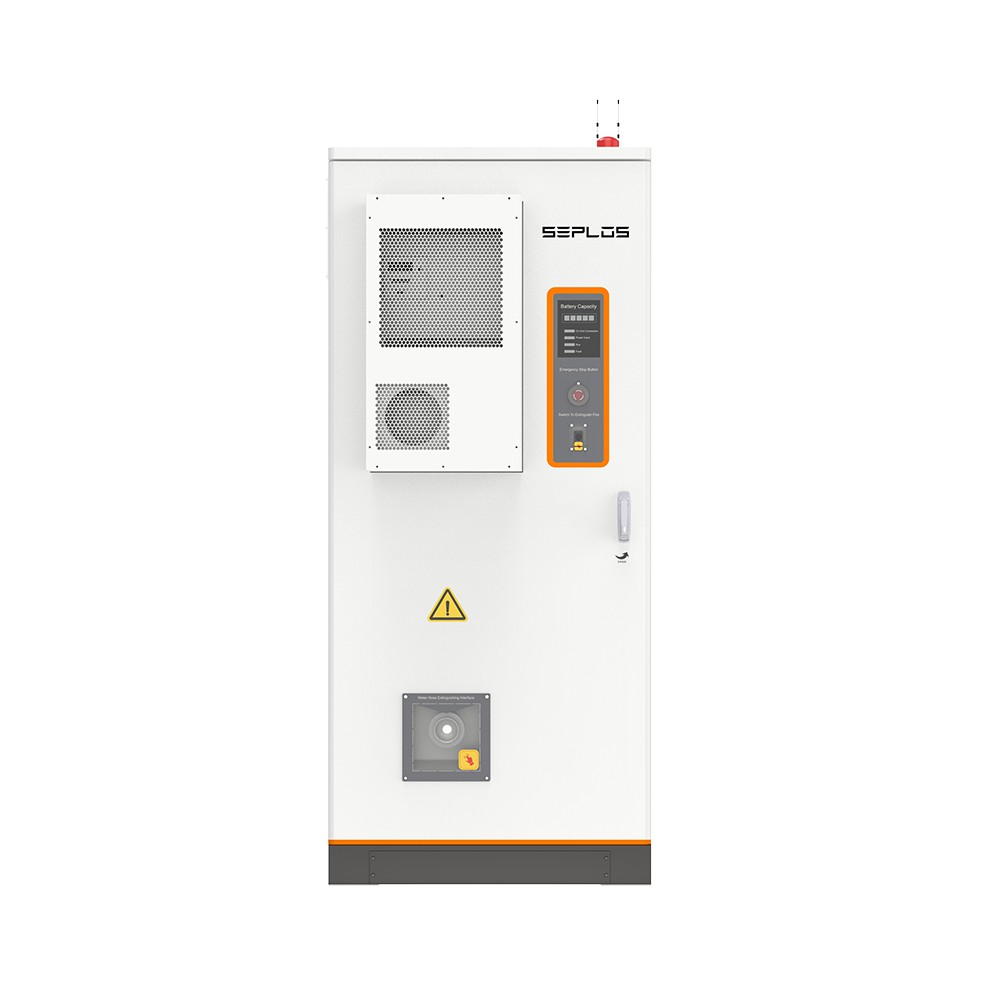
The complexity of modern energy storage systems demands sophisticated BMS solutions that can handle multiple variables simultaneously while maintaining reliable operation across diverse environmental conditions. From residential solar installations to large-scale commercial energy storage facilities, each application presents unique challenges that require careful consideration during the BMS selection process. This comprehensive guide examines the essential criteria, technical specifications, and practical considerations that determine which BMS architecture will best serve your energy storage objectives.
Understanding BMS Architecture and Topology Requirements
Centralized vs. Distributed BMS Configurations
The choice between centralized and distributed BMS architectures fundamentally shapes your energy storage system's performance characteristics and maintenance requirements. Centralized BMS designs consolidate all monitoring and control functions into a single unit, offering simplified installation and cost-effective implementation for smaller energy storage systems. This approach works particularly well for residential and small commercial applications where the battery pack remains physically compact and communication distances are minimal.
Distributed BMS configurations place individual monitoring modules near each battery cell or small group of cells, enabling more precise control and faster response times to localized issues. This architecture becomes increasingly advantageous as energy storage systems scale up in size and complexity, providing better fault isolation and allowing continued operation even when individual modules experience problems. The distributed approach also reduces wiring complexity in large installations while improving overall system reliability through redundancy.
Modern hybrid BMS designs combine elements of both architectures, utilizing local monitoring with centralized control algorithms to optimize performance across different operating scenarios. These systems adapt their monitoring intensity based on current operating conditions, increasing surveillance during high-stress periods while reducing overhead during normal operation. Understanding these architectural differences helps you select a bms that matches your system's scale and complexity requirements.
Scalability and Future Expansion Considerations
Evaluating the scalability potential of different BMS options prevents costly retrofitting when your energy storage needs expand over time. Modular BMS designs enable seamless addition of new battery modules without requiring complete system reconfiguration, supporting organic growth in energy storage capacity. This flexibility proves especially valuable for commercial installations where energy demands may increase as business operations expand or new equipment comes online.
Communication protocol compatibility plays a crucial role in ensuring future expansion capabilities, as newer battery modules must integrate seamlessly with existing BMS infrastructure. Standard protocols like CAN bus, Modbus, and Ethernet-based communications facilitate integration across different equipment generations and manufacturers. Some advanced BMS platforms support multiple communication protocols simultaneously, providing greater flexibility when incorporating diverse battery technologies or upgrading individual system components.
Software upgrade pathways determine how well your BMS can adapt to changing requirements and incorporate new features over its operational lifetime. Cloud-connected BMS systems enable remote updates and feature enhancements without requiring physical access to the installation site. This capability becomes particularly valuable for remote energy storage deployments where on-site maintenance visits are costly and time-consuming.
Battery Chemistry Compatibility and Protection Features
Lithium-Ion Cell Monitoring and Balancing
Different lithium-ion chemistries require specific BMS protection algorithms to ensure safe operation and maximize cycle life. Lithium iron phosphate (LiFePO4) batteries demand different voltage thresholds and charging profiles compared to lithium nickel manganese cobalt (NMC) or lithium nickel cobalt aluminum (NCA) chemistries. Your BMS must accurately implement the protection parameters recommended by your battery manufacturer to prevent damage and maintain warranty coverage.
Active balancing capabilities become increasingly important as battery pack size and cell count increase, ensuring uniform charge distribution across all cells within the energy storage system. Passive balancing methods discharge excess energy through resistors, while active balancing transfers energy between cells to achieve better balance efficiency. Advanced BMS designs incorporate predictive balancing algorithms that anticipate imbalances before they occur, maintaining optimal pack performance throughout the operational cycle.
Temperature monitoring and thermal management integration ensure safe operation across varying environmental conditions while protecting batteries from thermal runaway scenarios. Distributed temperature sensing enables the BMS to identify hot spots within the battery pack and implement appropriate cooling strategies or power reduction measures. Some BMS platforms integrate directly with HVAC systems to coordinate thermal management across the entire energy storage facility.
Protection Thresholds and Safety Mechanisms
Configurable protection thresholds allow the BMS to adapt to different operating scenarios while maintaining appropriate safety margins for your specific application. Over-voltage, under-voltage, over-current, and over-temperature protection levels must align with both battery specifications and system safety requirements. The BMS should provide multiple protection levels, including warnings that alert operators to approaching limits and hard cutoffs that prevent dangerous conditions.
Emergency shutdown procedures and fail-safe mechanisms ensure the energy storage system can safely isolate itself from the electrical grid or load in case of serious faults. Redundant shutdown pathways prevent single points of failure from compromising system safety, while clear fault indication helps maintenance personnel quickly identify and resolve issues. Advanced BMS designs include black box functionality that records system parameters leading up to fault events, facilitating root cause analysis and preventing future occurrences.
Arc fault detection and ground fault monitoring capabilities address electrical safety concerns that extend beyond basic battery protection. These features become particularly important in larger energy storage installations where electrical faults could pose fire hazards or personnel safety risks. Integration with fire suppression systems enables coordinated emergency response when dangerous conditions are detected.
Communication Protocols and System Integration
Grid Interconnection and Smart Grid Compatibility
Modern energy storage systems must communicate effectively with utility grid management systems to participate in demand response programs and provide grid stabilization services. Your BMS selection should consider compatibility with relevant communication standards such as IEC 61850, DNP3, or Modbus protocols that enable seamless integration with utility control systems. This compatibility opens opportunities for revenue generation through grid services while ensuring your energy storage system can respond appropriately to grid conditions.
Smart grid functionality requires the BMS to provide real-time data on energy storage system status, available capacity, and response capabilities to grid operators. Advanced BMS platforms support bidirectional communication, allowing grid operators to request specific services while respecting system operating constraints and battery health considerations. This two-way communication enables sophisticated energy management strategies that optimize both local energy costs and grid stability benefits.
Time synchronization and coordinated control capabilities ensure the energy storage system can participate in fast-response grid services that require precise timing and coordination with other grid resources. GPS time synchronization and high-speed communication protocols enable sub-second response times for frequency regulation and voltage support applications. These capabilities become increasingly valuable as grid operators seek flexible resources to manage renewable energy integration challenges.
Energy Management System Integration
Seamless integration with energy management systems (EMS) enables sophisticated optimization strategies that maximize the value of your energy storage investment. The BMS must provide accurate state-of-charge, state-of-health, and available power information to the EMS for optimal dispatch decisions. Real-time data exchange ensures the EMS can respond quickly to changing energy prices, load conditions, and renewable energy generation patterns.
Forecasting support capabilities allow the EMS to plan energy storage operations based on predicted load patterns, energy prices, and renewable generation forecasts. The BMS contributes to this planning process by providing accurate information about battery degradation rates, efficiency characteristics, and operational constraints. Historical performance data enables machine learning algorithms to improve forecasting accuracy over time.
Multi-application support ensures the energy storage system can simultaneously provide multiple value streams without compromising battery health or system safety. The BMS must coordinate between different applications such as peak shaving, backup power, and grid services to optimize overall system utilization. Advanced control algorithms prevent conflicts between different operating modes while maximizing revenue opportunities.
Performance Monitoring and Diagnostic Capabilities
Real-Time Monitoring and Data Analytics
Comprehensive real-time monitoring capabilities provide visibility into all critical system parameters, enabling proactive maintenance and performance optimization. The BMS should track cell-level voltages, temperatures, and currents along with system-level parameters such as power flow, energy throughput, and efficiency metrics. High-resolution data logging supports detailed analysis of system behavior under different operating conditions.
Advanced analytics features help identify performance trends and potential issues before they impact system operation. Machine learning algorithms can detect subtle changes in battery behavior that indicate developing problems, enabling preventive maintenance that avoids costly downtime. Comparative analysis across multiple battery modules helps identify manufacturing variations and optimize replacement strategies.
Remote monitoring capabilities reduce operational costs while improving response times for maintenance and troubleshooting activities. Cloud-based monitoring platforms enable expert support teams to provide remote assistance and diagnostic guidance without requiring on-site visits. Mobile applications provide convenient access to system status information for operations personnel and facility managers.
Predictive Maintenance and Health Assessment
State-of-health estimation algorithms provide accurate assessments of battery degradation and remaining useful life, supporting informed maintenance and replacement decisions. Advanced BMS platforms use multiple indicators including capacity fade, impedance growth, and efficiency decline to calculate comprehensive health metrics. These assessments help optimize maintenance schedules and budget for future capital expenditures.
Prognostic capabilities enable predictive maintenance strategies that minimize unexpected failures while optimizing maintenance costs. By analyzing historical performance data and current operating conditions, the BMS can predict when individual components are likely to require attention. This foresight enables maintenance teams to schedule work during planned outages and ensure replacement parts are available when needed.
Warranty compliance monitoring ensures the energy storage system operates within manufacturer-specified parameters to maintain warranty coverage. The BMS automatically tracks operating conditions and alerts operators when parameters approach warranty limits. This monitoring provides valuable documentation for warranty claims while helping operators optimize system utilization within safe boundaries.
FAQ
How do I determine the right BMS voltage rating for my energy storage system?
The BMS voltage rating must exceed your maximum system voltage including any overvoltage conditions that may occur during charging. Calculate the maximum possible voltage by multiplying the number of cells in series by the maximum cell voltage plus a safety margin. Consider future expansion plans when selecting voltage ratings to avoid limitations as your system grows. High-voltage systems may require additional safety certifications and protection equipment.
What communication protocols should I prioritize when choosing a BMS?
Prioritize communication protocols based on your specific integration requirements and future expansion plans. CAN bus provides reliable communication for basic BMS functions, while Ethernet-based protocols enable advanced features and remote monitoring. If grid integration is planned, ensure compatibility with utility communication standards such as IEC 61850 or DNP3. Multiple protocol support provides greater flexibility for future system modifications.
How important is active cell balancing versus passive balancing for my application?
Active balancing becomes more important as battery pack size increases and cycling frequency intensifies. Passive balancing is adequate for smaller systems with moderate cycling, while active balancing provides better efficiency and performance for large commercial installations. Consider the total cost of ownership including energy losses from passive balancing when making this decision. Active balancing also extends battery life by maintaining better cell balance throughout the operational cycle.
What safety certifications should I look for in a BMS for commercial energy storage?
Look for UL 1998 certification for energy storage systems along with relevant electrical safety standards such as UL 991 for environmental and safety requirements. International certifications like IEC 62619 for lithium battery safety and IEC 61508 for functional safety demonstrate comprehensive safety design. Ensure the BMS meets local electrical codes and utility interconnection requirements for your specific installation location.
Table of Contents
- Understanding BMS Architecture and Topology Requirements
- Battery Chemistry Compatibility and Protection Features
- Communication Protocols and System Integration
- Performance Monitoring and Diagnostic Capabilities
-
FAQ
- How do I determine the right BMS voltage rating for my energy storage system?
- What communication protocols should I prioritize when choosing a BMS?
- How important is active cell balancing versus passive balancing for my application?
- What safety certifications should I look for in a BMS for commercial energy storage?