EN
EN



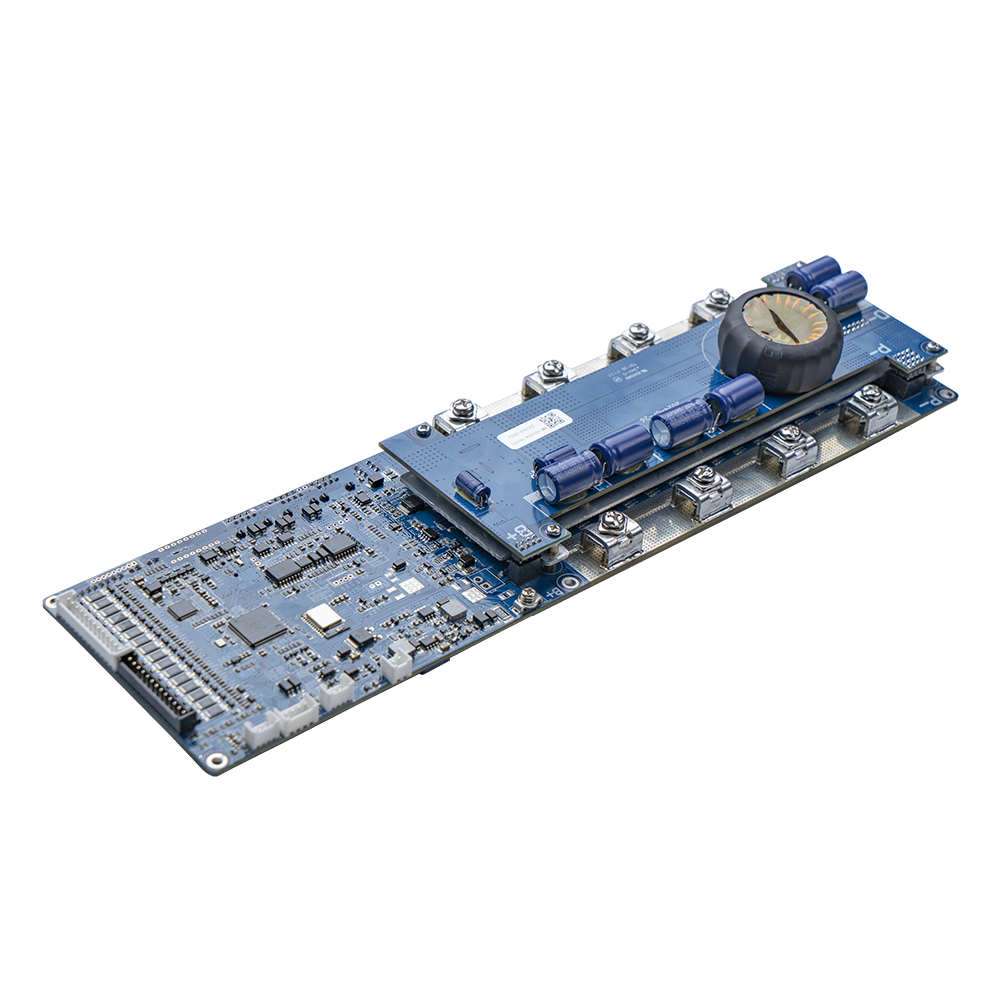
Battery Management Systems represent the critical backbone of electric vehicle technology, serving as the intelligent control center that ensures safe, efficient, and reliable battery operation. As electric vehicle adoption accelerates across global markets, the demand for sophisticated BMS solutions has reached unprecedented levels, driving innovation in battery monitoring, protection, and optimization technologies.
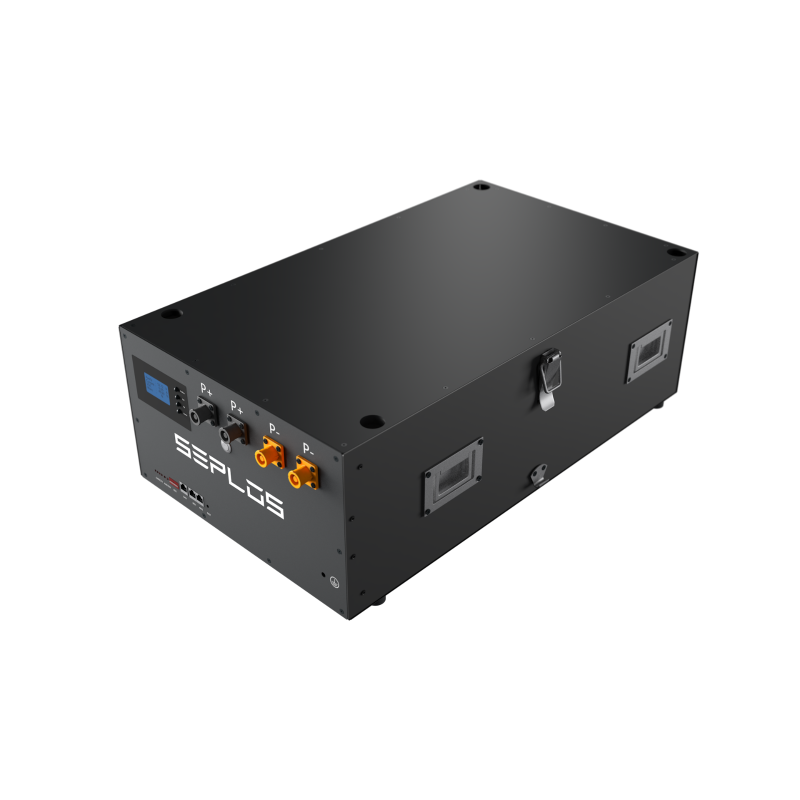
The electric vehicle industry requires BMS solutions that deliver exceptional performance across diverse applications, from passenger cars to commercial vehicles and energy storage systems. Modern BMS technology must address complex challenges including thermal management, cell balancing, state estimation, and safety protection while maintaining compatibility with various battery chemistries and vehicle architectures.
Essential Features of Electric Vehicle BMS Solutions
Advanced Cell Monitoring and Protection
Contemporary BMS solutions for electric vehicles incorporate sophisticated cell monitoring capabilities that continuously track voltage, current, and temperature parameters across individual battery cells. These systems utilize high-precision analog-to-digital converters and specialized sensor networks to detect even minor variations in cell performance, enabling proactive maintenance and preventing potential safety hazards.
Protection mechanisms within modern BMS architectures include overvoltage protection, undervoltage protection, overcurrent protection, and thermal protection systems. These safety features work in coordinated fashion to isolate problematic cells, disconnect charging or discharging circuits, and trigger emergency shutdown procedures when necessary to prevent thermal runaway or other dangerous conditions.
State-of-charge estimation algorithms represent another critical component of advanced BMS functionality, utilizing complex mathematical models to accurately predict remaining battery capacity and range estimation. These algorithms combine real-time measurements with historical data patterns to provide drivers with reliable information about vehicle range and charging requirements.
Thermal Management and Cell Balancing
Effective thermal management constitutes a fundamental requirement for electric vehicle BMS solutions, as battery performance and longevity depend heavily on maintaining optimal temperature ranges during operation. Advanced BMS systems integrate with vehicle thermal management systems to control cooling fans, liquid cooling pumps, and heating elements based on real-time temperature monitoring data.
Cell balancing functionality ensures uniform charge distribution across battery packs, preventing individual cells from becoming overcharged or undercharged relative to their neighbors. Active balancing circuits can redistribute energy between cells during charging and discharging cycles, while passive balancing systems dissipate excess energy from high-voltage cells to maintain pack uniformity.
Modern BMS implementations employ sophisticated balancing algorithms that optimize energy transfer efficiency while minimizing heat generation and power losses. These systems can extend battery life significantly by preventing cell degradation caused by voltage imbalances and reducing stress on weaker cells within the pack.
Communication Protocols and Integration Standards
CAN Bus and Automotive Communication Networks
Electric vehicle BMS solutions must integrate seamlessly with automotive communication networks, primarily through Controller Area Network protocols that enable real-time data exchange between the BMS and other vehicle systems. Modern bms implementations support multiple communication standards including CAN 2.0, CAN-FD, and automotive ethernet protocols to ensure compatibility with diverse vehicle architectures.
Diagnostic communication protocols such as UDS and OBD-II enable comprehensive system monitoring and troubleshooting capabilities, allowing technicians to access detailed BMS data for maintenance and repair procedures. These communication interfaces provide access to fault codes, performance metrics, and historical data logs that facilitate efficient problem diagnosis and resolution.
Wireless communication capabilities in advanced BMS solutions enable remote monitoring and over-the-air updates, allowing manufacturers to continuously improve system performance and add new features without requiring physical access to vehicles. These connectivity features support fleet management applications and enable predictive maintenance strategies based on real-world usage data.
Cloud Integration and Data Analytics
Contemporary BMS architectures increasingly incorporate cloud connectivity features that enable comprehensive data collection and analysis for fleet optimization and performance monitoring. These systems can transmit battery performance data, charging patterns, and usage statistics to cloud-based platforms for advanced analytics and machine learning applications.
Data analytics capabilities within cloud-connected BMS solutions enable manufacturers to identify performance trends, predict maintenance requirements, and optimize battery management algorithms based on real-world usage patterns. This information proves invaluable for improving future BMS designs and extending battery life through refined control strategies.
Privacy and security considerations remain paramount in cloud-connected BMS implementations, requiring robust encryption protocols and secure authentication mechanisms to protect sensitive vehicle and user data from unauthorized access or cyber threats.
Scalability and Modular Design Approaches
Flexible Architecture for Diverse Applications
Leading BMS solutions for electric vehicles employ modular design principles that enable scalability across different battery pack sizes and vehicle types. These systems utilize distributed architecture approaches where slave modules monitor individual cell groups while master controllers coordinate overall pack management and communication with vehicle systems.
Modular BMS designs facilitate cost-effective customization for different vehicle applications, from small passenger cars with compact battery packs to large commercial vehicles requiring extensive energy storage capacity. This flexibility allows manufacturers to optimize BMS configurations for specific performance requirements while maintaining common hardware and software platforms.
Scalable BMS architectures support easy expansion and reconfiguration as battery technology evolves, enabling manufacturers to adapt their systems for new cell chemistries, pack designs, and performance requirements without complete redesign of control electronics and software systems.
Cost Optimization and Manufacturing Efficiency
Effective BMS solutions balance advanced functionality with cost considerations, utilizing optimized component selection and manufacturing processes to deliver high performance at competitive price points. Modern BMS designs incorporate standardized components and interfaces to reduce manufacturing complexity and support high-volume production requirements.
Supply chain optimization plays a crucial role in BMS cost management, with leading solutions utilizing widely available semiconductor components and avoiding dependency on specialized or single-source components that could create supply bottlenecks or price volatility.
Manufacturing efficiency improvements in BMS production include automated testing procedures, standardized assembly processes, and quality control systems that ensure consistent performance while minimizing production costs and time-to-market requirements.
Safety Standards and Certification Requirements
Automotive Safety Standards Compliance
Electric vehicle BMS solutions must comply with stringent automotive safety standards including ISO 26262 functional safety requirements, which mandate systematic safety analysis and risk mitigation throughout the development process. These standards require comprehensive hazard analysis, safety goal definition, and implementation of appropriate safety measures to achieve required automotive safety integrity levels.
Functional safety implementation in BMS designs includes redundant monitoring systems, fail-safe operational modes, and comprehensive diagnostic coverage to detect and respond to potential system failures. These safety features must undergo rigorous testing and validation to demonstrate compliance with automotive safety requirements.
EMC compatibility testing ensures that BMS solutions operate reliably in automotive electromagnetic environments without causing interference with other vehicle systems or external communications. This testing covers both emissions and immunity requirements across relevant frequency ranges and operating conditions.
Battery Safety and Thermal Protection
Battery safety represents the primary focus of BMS safety systems, with comprehensive protection against thermal runaway, electrical faults, and mechanical damage. Advanced BMS implementations incorporate multiple layers of protection including cell-level monitoring, pack-level protection, and system-level safety shutdown capabilities.
Thermal protection systems within BMS solutions monitor temperature distributions across battery packs and implement appropriate cooling or heating strategies to maintain safe operating conditions. These systems can detect thermal anomalies and initiate protective measures including reduced power operation or emergency shutdown procedures.
Gas detection and venting systems integrated with BMS solutions provide additional safety measures for detecting battery cell failures and managing potentially dangerous gas emissions. These systems can trigger evacuation procedures and alert emergency response systems when dangerous conditions are detected.
Performance Optimization and Energy Efficiency
Advanced State Estimation Algorithms
Sophisticated state estimation algorithms form the foundation of high-performance BMS solutions, utilizing advanced mathematical models to accurately predict battery state-of-charge, state-of-health, and remaining useful life. These algorithms combine real-time measurements with historical data patterns and environmental factors to provide precise battery status information.
Kalman filtering and machine learning techniques enable BMS systems to continuously refine their state estimation accuracy based on observed battery behavior patterns. These adaptive algorithms can account for battery aging effects, temperature variations, and usage patterns to maintain accurate performance predictions throughout battery life.
Energy efficiency optimization in BMS systems includes minimizing quiescent current consumption during standby periods and optimizing control algorithms to reduce energy losses during active operation. These efficiency improvements directly contribute to extended vehicle range and reduced charging frequency requirements.
Predictive Maintenance and Diagnostic Capabilities
Modern BMS solutions incorporate predictive maintenance capabilities that analyze battery performance trends and identify potential issues before they impact vehicle operation. These systems can detect gradual performance degradation, predict component failures, and recommend optimal maintenance schedules based on actual usage patterns.
Comprehensive diagnostic capabilities within BMS systems provide detailed information about battery health, performance metrics, and system status for maintenance technicians and vehicle operators. These diagnostic features include fault code generation, performance logging, and trend analysis capabilities that facilitate efficient problem resolution.
Data logging and analysis features in advanced BMS implementations capture detailed operational data that can be used for warranty analysis, performance optimization, and future product development. This information proves valuable for understanding real-world battery behavior and improving future BMS designs.
FAQ
What makes a BMS solution suitable for electric vehicle applications?
A suitable BMS solution for electric vehicles must provide comprehensive cell monitoring, advanced safety protection, reliable communication with vehicle systems, and compliance with automotive safety standards. The system should offer precise state estimation, effective thermal management, and robust protection against electrical and thermal faults while maintaining high reliability and long operational life.
How do modern BMS solutions improve electric vehicle range and performance?
Modern BMS solutions enhance electric vehicle range through accurate state-of-charge estimation, optimized charging algorithms, and effective cell balancing that maximizes usable battery capacity. These systems also implement energy-efficient control strategies, minimize parasitic power consumption, and optimize battery utilization patterns to extend driving range and improve overall vehicle performance.
What communication protocols are essential for electric vehicle BMS integration?
Essential communication protocols for electric vehicle BMS integration include CAN bus for real-time vehicle communication, diagnostic protocols like UDS and OBD-II for maintenance access, and increasingly wireless protocols for cloud connectivity and remote monitoring. These communication standards enable seamless integration with vehicle control systems and support advanced fleet management capabilities.
How do BMS solutions ensure battery safety in electric vehicles?
BMS solutions ensure battery safety through multiple protection layers including overvoltage, undervoltage, overcurrent, and thermal protection systems. These systems continuously monitor battery conditions, implement fail-safe shutdown procedures when dangerous conditions are detected, and coordinate with vehicle thermal management systems to maintain safe operating temperatures while preventing thermal runaway events.