
 EN
EN


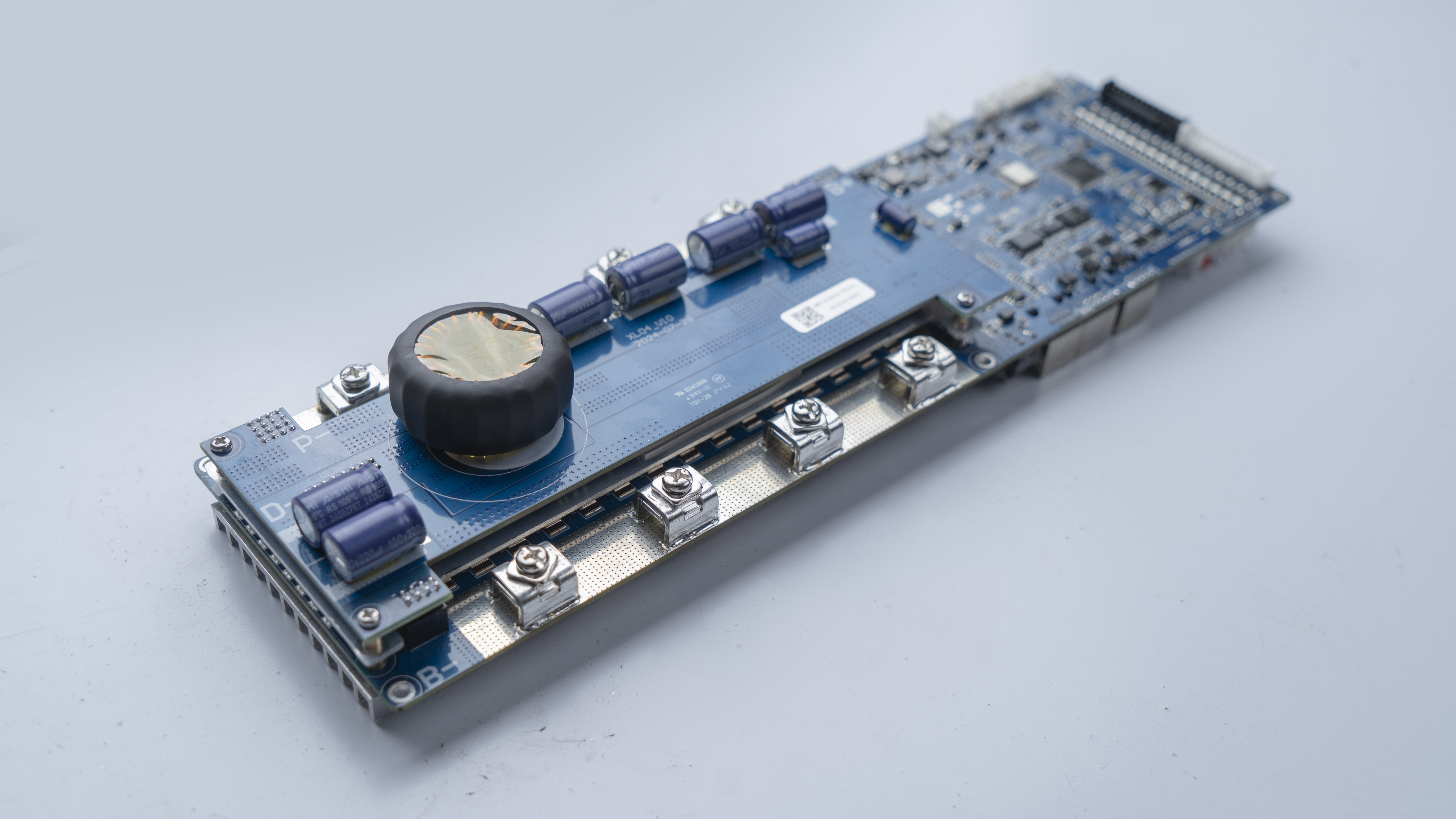
The battery management system industry is experiencing unprecedented transformation as we enter 2025, driven by evolving energy storage demands, regulatory changes, and breakthrough technological innovations. Modern bms solutions are becoming more sophisticated, integrating artificial intelligence, advanced analytics, and enhanced safety protocols that fundamentally reshape how energy storage systems operate across commercial, industrial, and grid-scale applications.
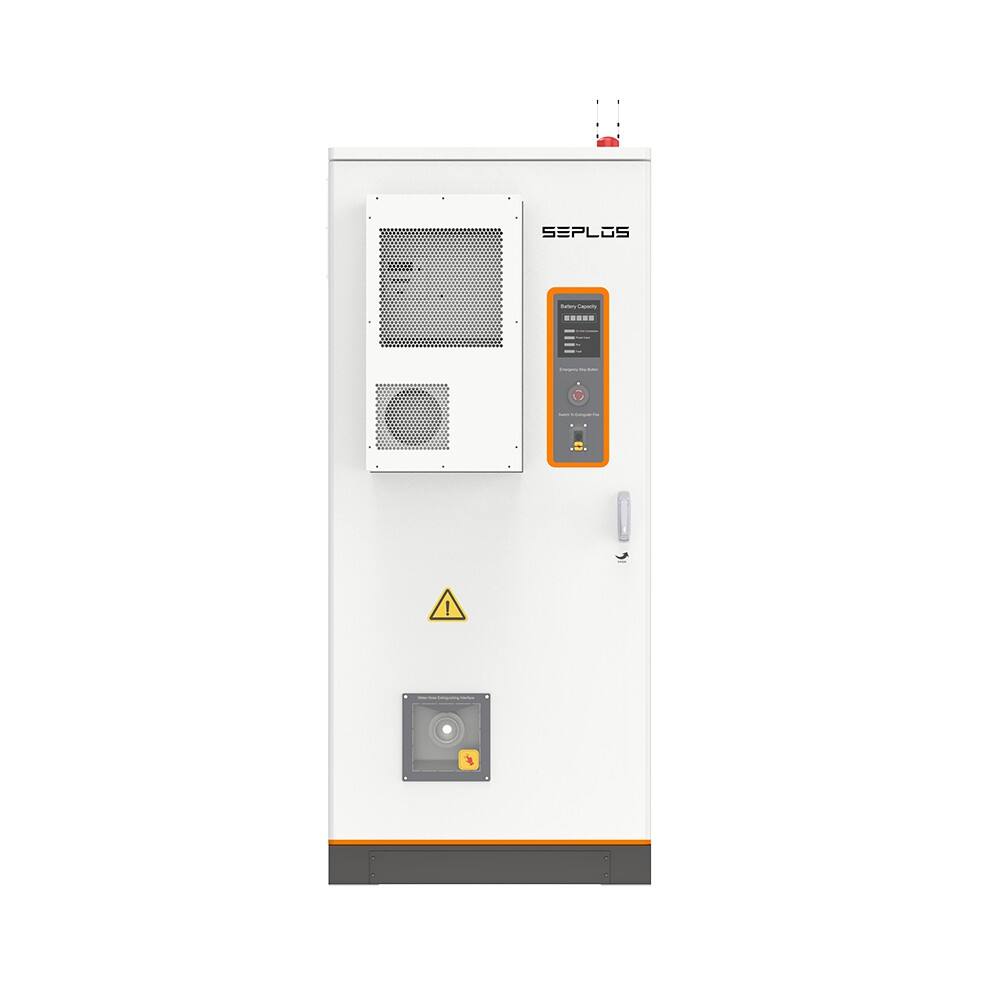
These emerging trends signal a pivotal shift toward intelligent energy management, where traditional bms architectures evolve into predictive, adaptive systems capable of real-time optimization and autonomous decision-making. The convergence of edge computing, machine learning algorithms, and enhanced communication protocols is creating new possibilities for battery performance optimization, lifecycle extension, and operational efficiency that were previously unattainable in conventional battery management implementations.
Advanced AI Integration in Modern BMS Architecture
Machine Learning Algorithms for Predictive Analytics
Artificial intelligence is revolutionizing bms functionality through sophisticated machine learning algorithms that analyze vast datasets from battery operations, environmental conditions, and usage patterns. These intelligent systems can predict potential failures, optimize charging cycles, and adjust performance parameters in real-time based on historical data analysis and current operating conditions.
The implementation of neural networks within bms architectures enables predictive maintenance capabilities that significantly reduce unexpected downtime and extend battery lifespan. Advanced algorithms continuously monitor cell voltage variations, temperature fluctuations, and current flow patterns to identify subtle indicators of degradation or potential safety risks before they become critical issues.
Edge computing integration allows bms units to process complex calculations locally, reducing latency and improving response times for critical safety functions. This distributed processing approach enhances system reliability while enabling more sophisticated control strategies that adapt to changing operational demands and environmental conditions.
Autonomous Battery Optimization Systems
Next-generation bms platforms incorporate autonomous optimization algorithms that continuously adjust charging strategies, load balancing, and thermal management without human intervention. These systems analyze real-time performance data, weather forecasts, electricity pricing, and demand patterns to optimize battery operations for maximum efficiency and economic benefit.
Intelligent load forecasting capabilities enable bms systems to anticipate energy demands and prepare battery resources accordingly, improving response times and reducing stress on individual cells. The integration of weather data and grid conditions allows for proactive management strategies that optimize performance under varying environmental and operational conditions.
Advanced control algorithms dynamically adjust charging rates, discharge patterns, and cell balancing procedures based on battery chemistry, age, and operating history. This personalized approach to battery management maximizes performance while minimizing degradation, resulting in improved lifecycle economics and enhanced safety margins throughout the system's operational life.
Enhanced Safety Protocols and Monitoring Capabilities
Multi-Layer Safety Architecture Implementation
Modern bms designs incorporate multiple redundant safety layers that provide comprehensive protection against thermal runaway, overcharging, and electrical faults through advanced monitoring and control mechanisms. These sophisticated safety systems integrate hardware-based protection circuits with software-driven monitoring algorithms to create robust defense mechanisms against potential hazards.
Real-time thermal imaging and gas detection systems work in conjunction with traditional voltage and current monitoring to provide early warning of potentially dangerous conditions. Advanced sensor networks continuously monitor cell-level parameters, ambient conditions, and system performance indicators to identify developing safety risks before they escalate to critical levels.
Intelligent isolation protocols automatically disconnect affected battery sections while maintaining system operation through remaining healthy cells, minimizing downtime and preventing cascading failures. These advanced safety measures incorporate machine learning algorithms that improve hazard detection accuracy over time by learning from operational data and historical events.
Advanced Diagnostics and Health Assessment
Cutting-edge diagnostic capabilities enable bms systems to perform comprehensive health assessments using electrochemical impedance spectroscopy, internal resistance measurements, and capacity fade analysis. These sophisticated measurement techniques provide detailed insights into battery condition and performance degradation patterns that inform maintenance scheduling and replacement planning.
State-of-health algorithms analyze multiple parameters including capacity retention, internal resistance changes, and voltage response characteristics to provide accurate assessments of remaining useful life. This comprehensive health monitoring enables proactive maintenance strategies that optimize performance while preventing unexpected failures and safety incidents.
Advanced fault detection systems utilize pattern recognition algorithms to identify unusual behavior patterns, component degradation, and potential failure modes before they impact system performance. These predictive capabilities enable maintenance teams to address issues during planned maintenance windows, reducing operational disruptions and improving overall system reliability.
Communication Protocol Evolution and Connectivity
Next-Generation Wireless Communication Standards
The latest bms implementations leverage advanced wireless communication protocols including 5G, Wi-Fi 6, and specialized IoT networks to enable seamless integration with cloud-based management platforms and remote monitoring systems. These high-speed, low-latency connections support real-time data transmission and enable sophisticated remote control capabilities previously limited by communication bandwidth constraints.
Mesh networking capabilities allow individual bms units to communicate directly with each other, creating redundant communication paths that improve system reliability and enable coordinated control strategies across large battery installations. This distributed communication architecture enhances fault tolerance while reducing dependency on centralized communication infrastructure.
Enhanced cybersecurity protocols protect sensitive operational data and prevent unauthorized access to critical system controls through advanced encryption, authentication mechanisms, and intrusion detection systems. These security measures ensure that increased connectivity does not compromise system integrity or create vulnerabilities that could be exploited by malicious actors.
Cloud Integration and Remote Management
Cloud-based bms platforms provide centralized monitoring and control capabilities that enable operators to manage multiple battery installations from a single interface, improving operational efficiency and reducing management complexity. These integrated platforms aggregate data from distributed battery systems to provide comprehensive fleet-level insights and optimization opportunities.
Advanced analytics engines process large volumes of operational data to identify optimization opportunities, predict maintenance requirements, and benchmark performance across similar installations. Machine learning algorithms continuously improve these analytical capabilities by learning from operational patterns and performance outcomes across diverse applications and environments.
Remote troubleshooting and diagnostic capabilities enable technical support teams to identify and resolve issues without on-site visits, reducing response times and maintenance costs. These remote access capabilities include secure connections for firmware updates, configuration changes, and performance optimization adjustments that can be implemented safely without interrupting system operation.
Integration with Renewable Energy and Grid Systems
Smart Grid Compatibility and Grid Services
Advanced bms systems incorporate sophisticated grid-tie capabilities that enable battery installations to provide valuable grid services including frequency regulation, voltage support, and peak shaving through coordinated response to grid conditions and utility signals. These capabilities transform battery systems from simple energy storage devices into active grid resources that contribute to overall grid stability and efficiency.
Dynamic grid response algorithms enable bms systems to automatically adjust charging and discharging patterns based on grid frequency, voltage levels, and utility dispatch signals, maximizing revenue opportunities while supporting grid reliability. These intelligent response systems can participate in various grid markets including energy arbitrage, capacity markets, and ancillary services that provide additional revenue streams for battery owners.
Advanced forecasting capabilities integrate weather data, demand patterns, and grid conditions to optimize battery operations for maximum economic benefit while supporting renewable energy integration goals. These predictive systems help smooth renewable energy output fluctuations and improve overall grid stability by providing rapid response capabilities during periods of high renewable energy variability.
Renewable Energy Optimization Strategies
Intelligent bms platforms optimize renewable energy utilization through sophisticated forecasting algorithms that predict solar and wind generation patterns, enabling proactive battery management strategies that maximize renewable energy capture and utilization. These systems integrate weather forecasts, historical generation data, and real-time conditions to optimize charging and discharging schedules.
Advanced power electronics integration enables bms systems to provide seamless transitions between renewable generation, battery storage, and grid connection, optimizing power quality and maximizing system efficiency. These sophisticated control systems manage bidirectional power flow while maintaining optimal operating conditions for both renewable sources and battery storage components.
Multi-source energy management capabilities allow bms systems to coordinate between multiple renewable sources, backup generators, and grid connections to provide reliable power while maximizing renewable energy utilization and minimizing operating costs. These intelligent management systems adapt to changing conditions and priorities to maintain optimal performance across diverse operating scenarios.
Emerging Battery Chemistry Compatibility
Next-Generation Lithium Technologies
Modern bms architectures are evolving to support advanced lithium battery chemistries including lithium iron phosphate variants, silicon anodes, and solid-state technologies that require specialized charging profiles, thermal management, and safety protocols. These emerging chemistries offer improved performance characteristics but demand more sophisticated control algorithms to achieve optimal results.
Adaptive charging algorithms automatically adjust charging parameters based on battery chemistry, age, temperature, and operating history to maximize performance while preventing degradation or safety issues. These intelligent systems continuously monitor battery response to charging inputs and adjust strategies in real-time to maintain optimal conditions throughout the charging cycle.
Enhanced thermal management systems incorporate advanced cooling strategies, predictive thermal modeling, and intelligent cooling control to maintain optimal operating temperatures across diverse battery chemistries and operating conditions. These sophisticated thermal control systems are essential for maintaining performance and safety margins with high-energy-density battery technologies.
Alternative Energy Storage Integration
Advanced bms platforms are expanding beyond traditional lithium-ion technologies to support hybrid energy storage systems that combine multiple storage technologies including supercapacitors, hydrogen fuel cells, and emerging battery chemistries. These hybrid systems require sophisticated control algorithms that optimize the utilization of different storage technologies based on their unique characteristics and capabilities.
Intelligent energy routing capabilities enable bms systems to automatically direct energy flows between different storage technologies based on application requirements, response time needs, and economic optimization criteria. These advanced control systems maximize the benefits of each storage technology while minimizing their limitations through intelligent coordination and optimization strategies.
Multi-technology monitoring systems provide comprehensive oversight of diverse energy storage components, ensuring optimal performance and safety across all integrated technologies. These sophisticated monitoring capabilities adapt to the unique requirements of each storage technology while providing unified management and optimization across the entire energy storage system.
FAQ
What are the most significant bms technology advances expected in 2025?
The most significant advances include AI-driven predictive analytics, enhanced wireless connectivity with 5G integration, improved safety protocols with multi-layer protection systems, and advanced grid integration capabilities. These developments focus on autonomous operation, predictive maintenance, and seamless integration with renewable energy systems and smart grid infrastructure.
How will new bms technologies impact battery system reliability?
New bms technologies dramatically improve reliability through predictive fault detection, autonomous optimization algorithms, and enhanced safety monitoring systems. Machine learning algorithms identify potential issues before they become critical, while redundant safety systems and advanced diagnostics prevent failures and extend system lifespan significantly compared to traditional battery management approaches.
What communication improvements are driving bms evolution in 2025?
Communication improvements include 5G wireless connectivity, mesh networking capabilities, enhanced cybersecurity protocols, and cloud integration platforms. These advances enable real-time remote monitoring, fleet-level optimization, rapid response to changing conditions, and comprehensive data analytics that support improved decision-making and operational efficiency.
How do emerging bms technologies support renewable energy integration?
Emerging bms technologies support renewable integration through intelligent forecasting algorithms, dynamic grid response capabilities, and multi-source energy management systems. These advanced systems optimize renewable energy utilization, provide grid stabilization services, and coordinate between multiple energy sources to maximize clean energy benefits while maintaining reliable power delivery.
