EN
EN



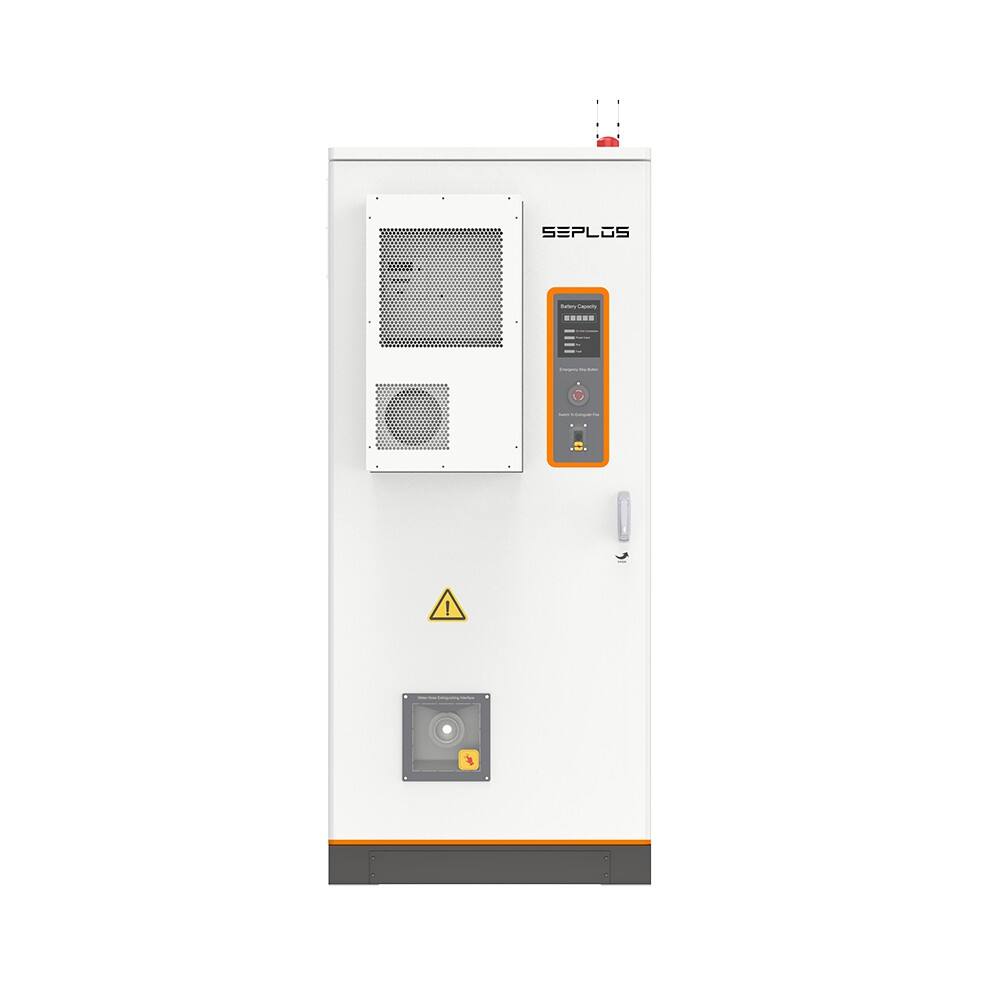
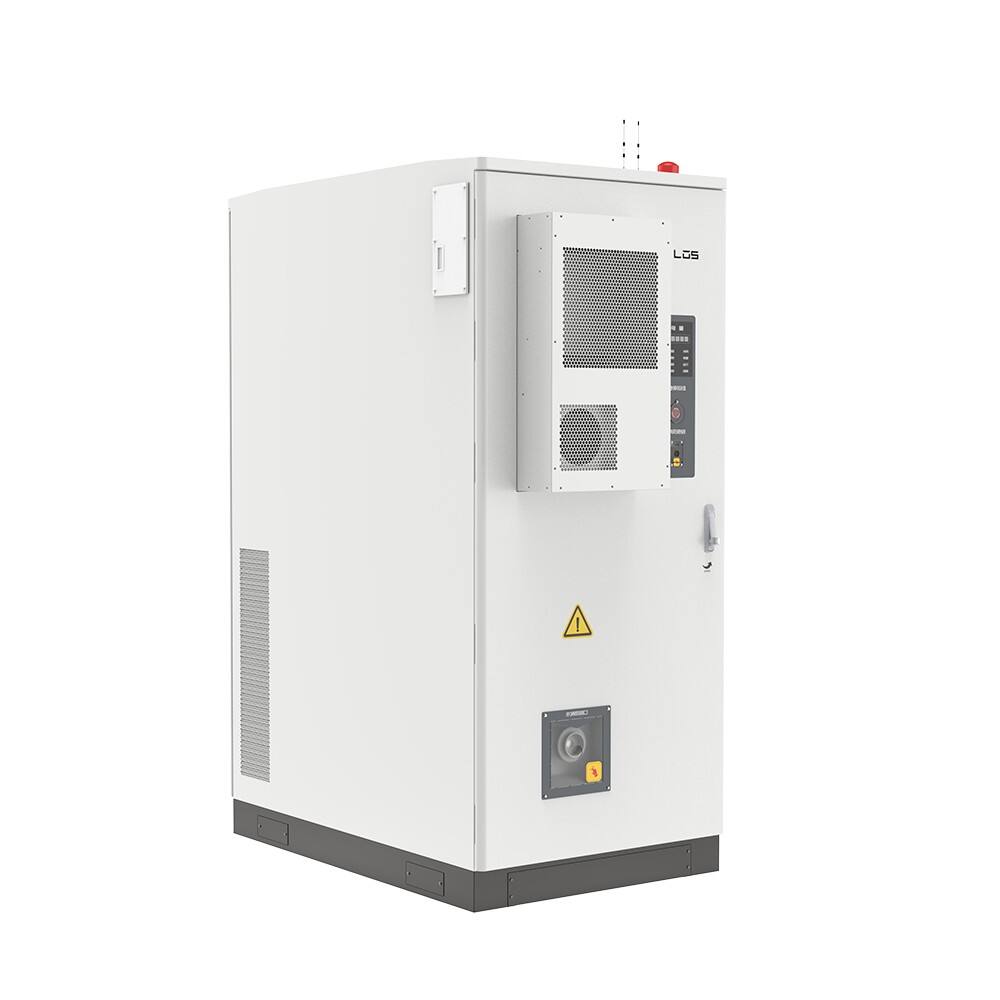
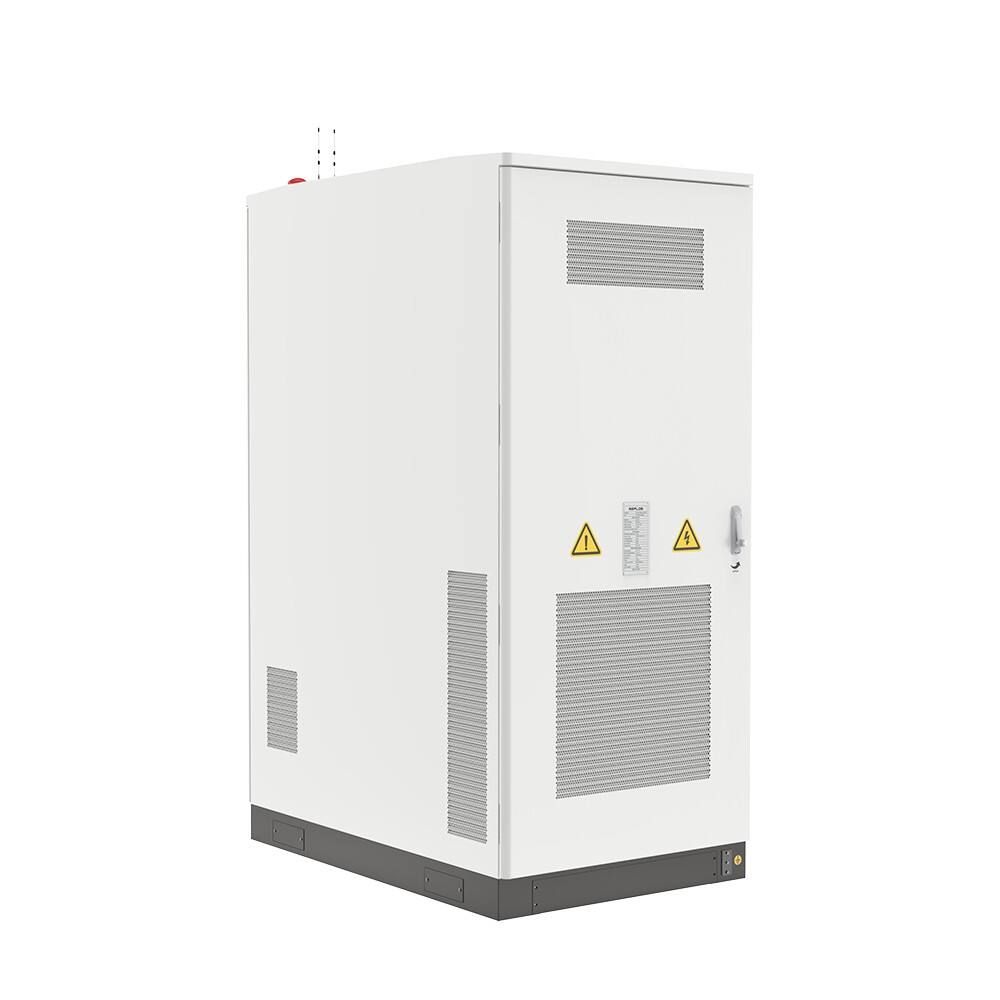
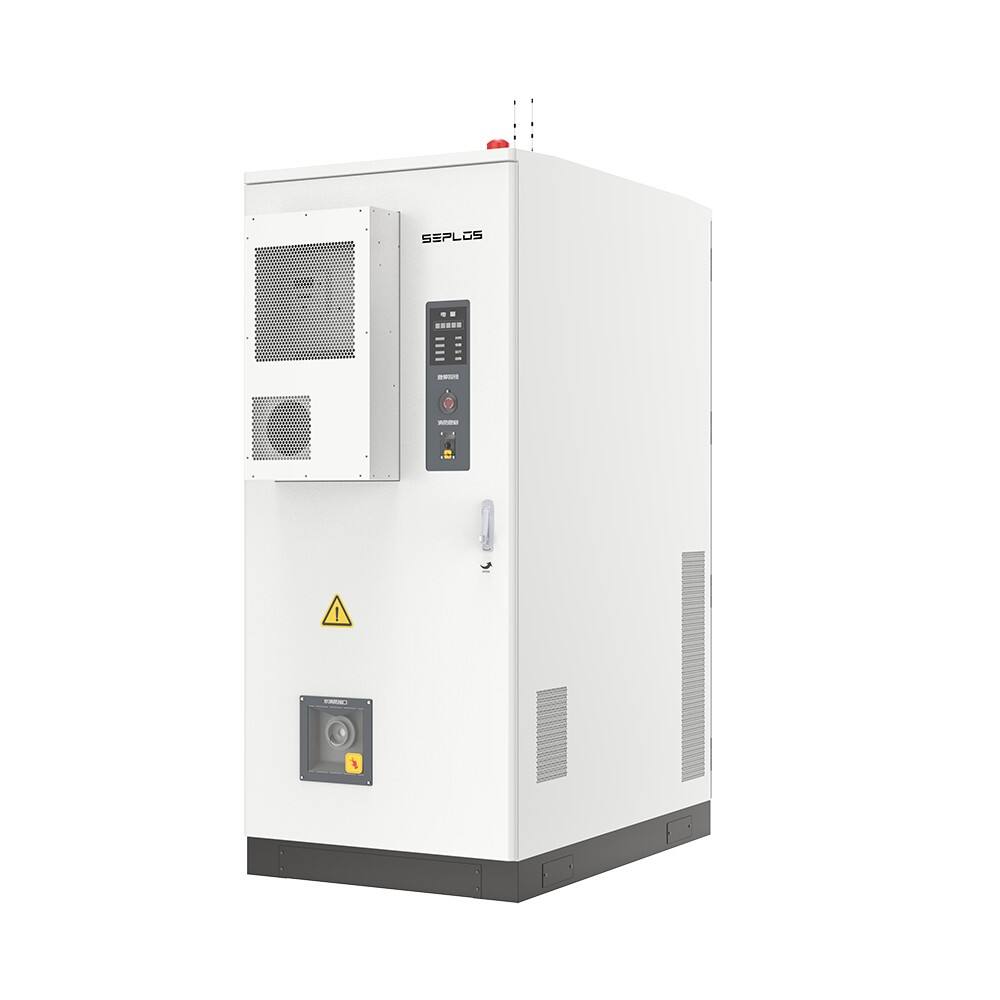
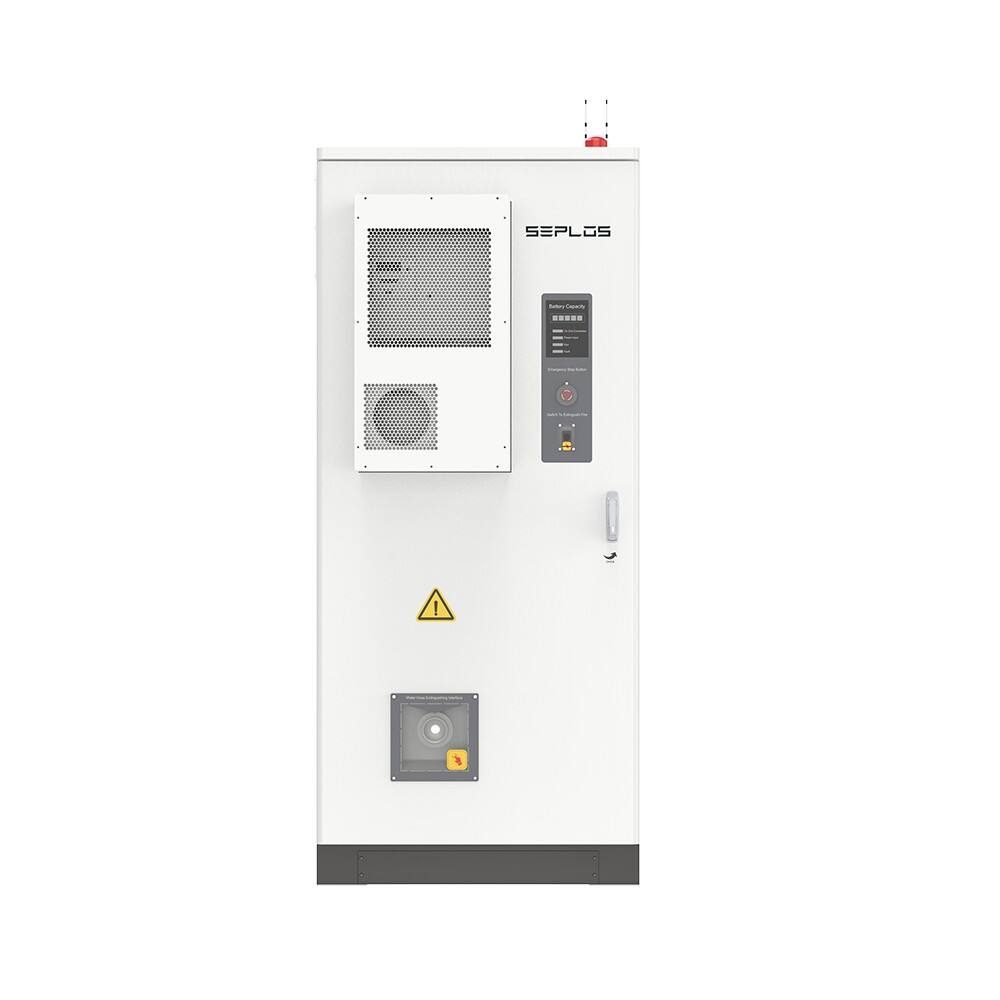
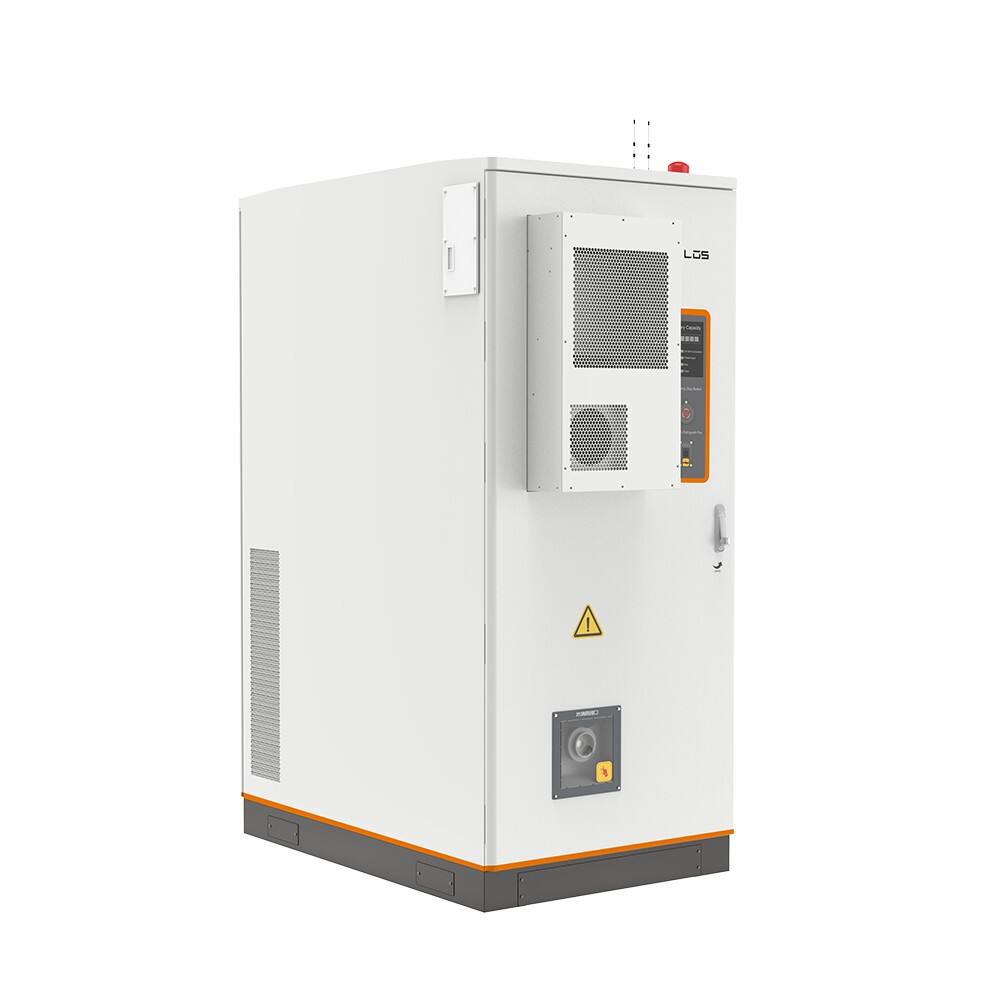
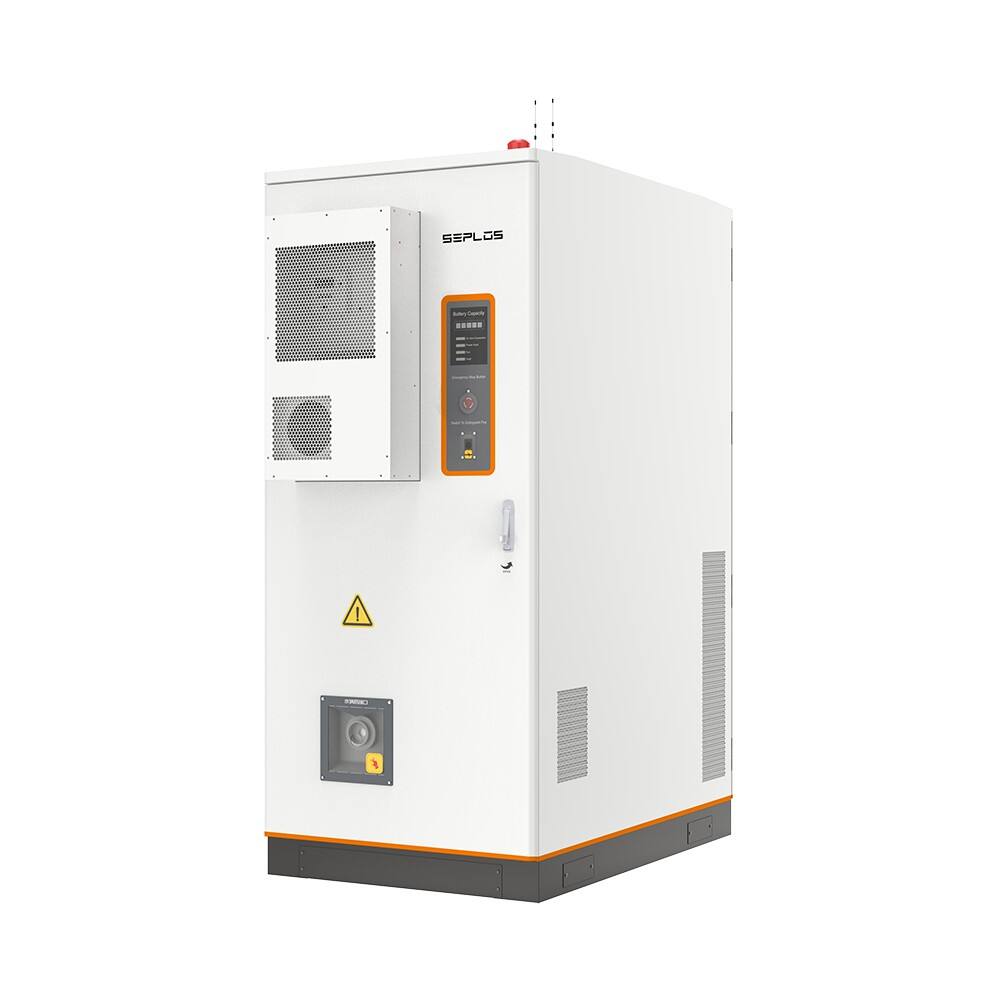
Seplos UltraPower 100 IP54 103KWh High Voltage Battery Commercial Energy Storage System Microgrids Off Grid BESS
The Seplos UltraPower 100 Commercial Energy Storage System represents a groundbreaking advancement in distributed energy solutions, engineered to deliver robust, reliable, and intelligent power for a wide range of off-grid and remote applications. With a substantial 103 kWh energy capacity, this high-voltage battery energy storage system (BESS) is designed to meet the growing demand for sustainable, resilient, and scalable energy infrastructure.
- Overview
- Recommended Products
Description:
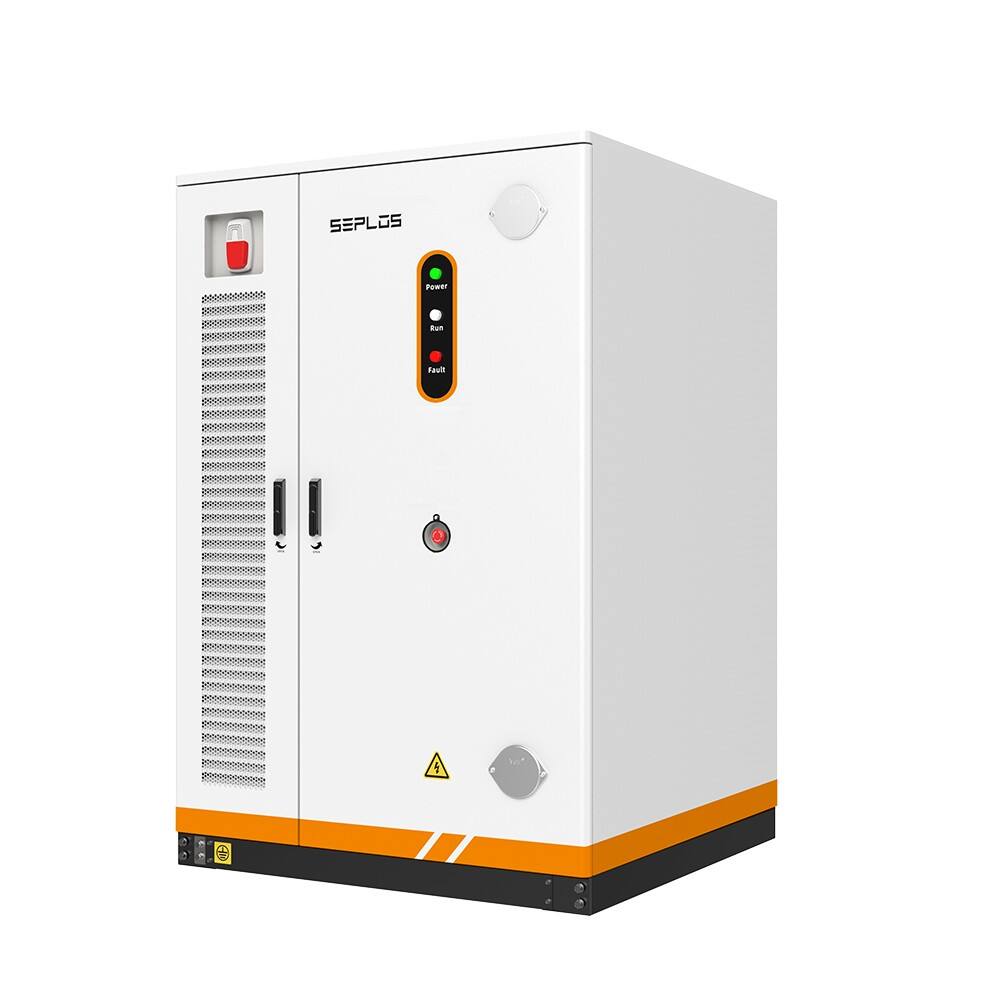
The Seplos UltraPower 100 Commercial Energy Storage System represents a groundbreaking advancement in distributed energy solutions, engineered to deliver robust, reliable, and intelligent power for a wide range of off-grid and remote applications. With a substantial 103 kWh energy capacity, this high-voltage battery energy storage system (BESS) is designed to meet the growing demand for sustainable, resilient, and scalable energy infrastructure. Whether powering remote schools, agricultural farms, isolated islands, or luxury villas, the UltraPower 100 stands as a beacon of energy independence and operational efficiency in challenging environments.
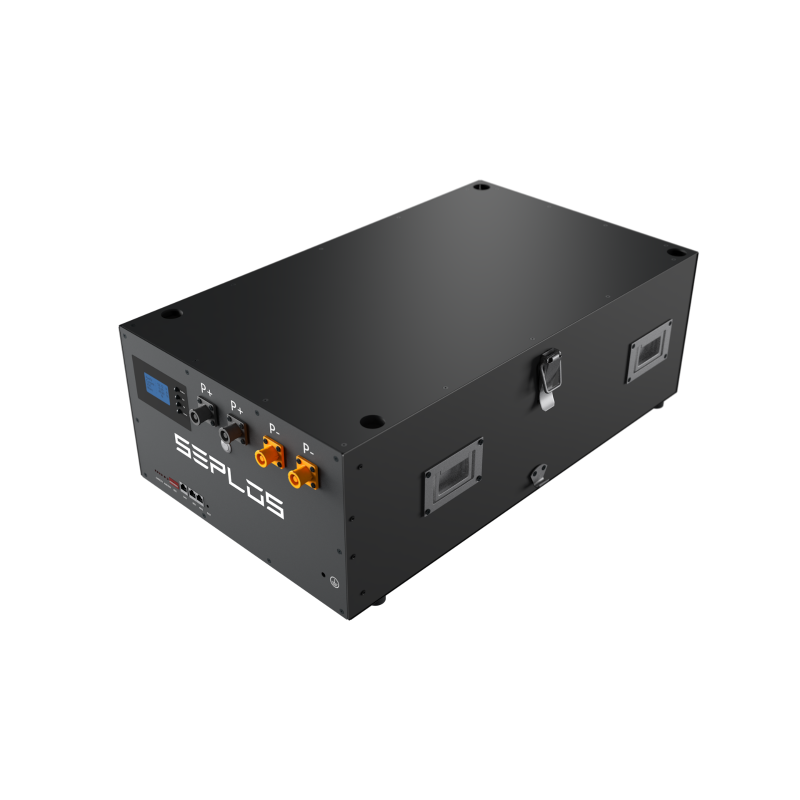
At the heart of the UltraPower 100 lies a sophisticated integration of cutting-edge components, meticulously engineered to work in harmony. The system incorporates nine high-performance air-cooled battery packs, which not only ensure optimal thermal management but also enhance longevity and safety. Air cooling technology provides a cost-effective and maintenance-friendly solution for heat dissipation, especially in regions where water-cooling systems may be impractical or too expensive to maintain. This design choice makes the system particularly suitable for deployment in remote or harsh climates, where reliability and minimal upkeep are paramount.
Complementing the battery array is a powerful 50 kW hybrid inverter, capable of seamless switching between on-grid and off-grid operation. This inverter supports both grid-tied and islanded modes, enabling users to maximize self-consumption of renewable energy—such as solar or wind—while ensuring uninterrupted power supply during grid outages. Its advanced power conversion capabilities allow for efficient energy transfer, minimizing losses and optimizing overall system performance. Whether managing peak load demands or providing backup during emergencies, the hybrid inverter ensures consistent and stable electricity delivery.
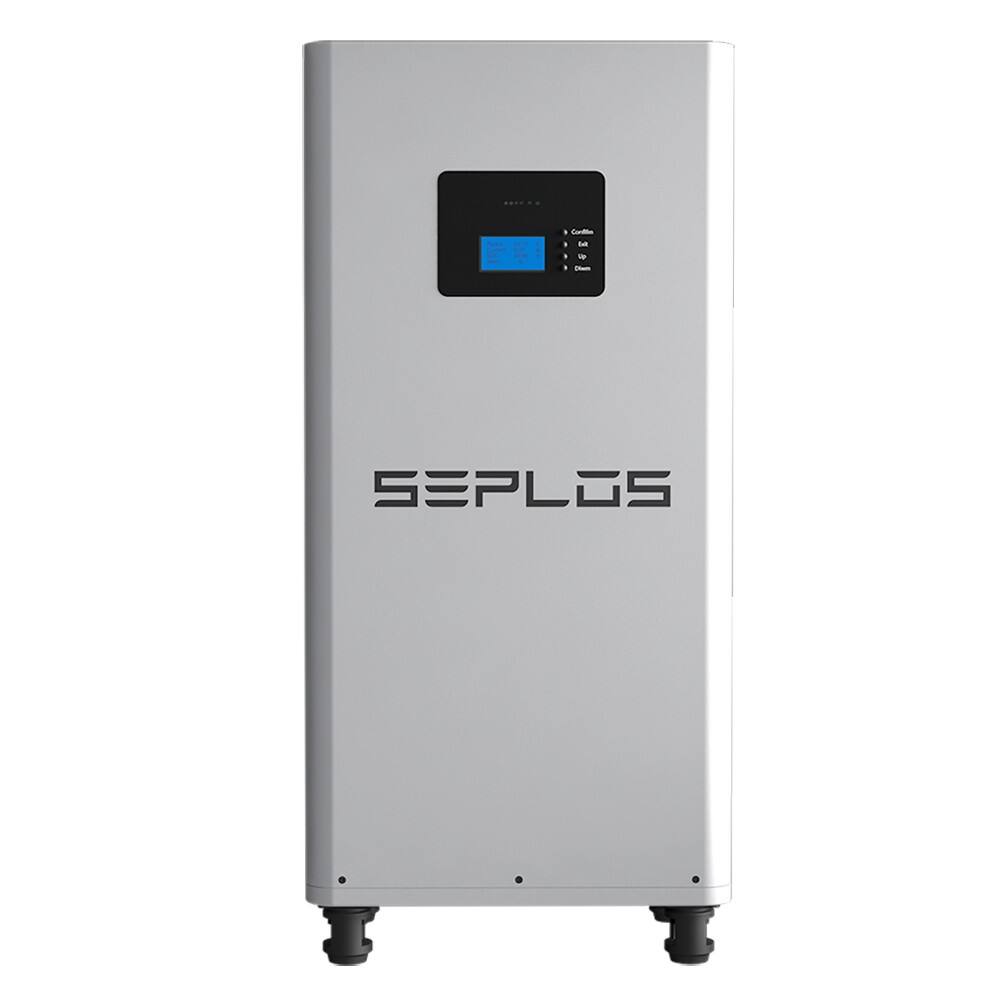
The system is further enhanced by a comprehensive Energy Management System (EMS) and a sophisticated Battery Management System (BMS). The EMS acts as the brain of the operation, intelligently monitoring energy production, consumption patterns, and storage levels in real time. It enables users to optimize energy usage, reduce electricity costs, and even participate in demand response programs where available. Meanwhile, the BMS continuously monitors each battery pack’s voltage, temperature, and state of charge, ensuring balanced charging, preventing overloads, and significantly extending battery life. Together, these systems provide a smart, adaptive, and future-ready energy solution.
One of the standout features of the UltraPower 100 is its smart temperature control system. By dynamically regulating internal temperatures based on ambient conditions and operational load, the system maintains optimal performance across a wide range of climates—from scorching deserts to humid tropical islands. This intelligent thermal management not only protects sensitive components but also contributes to the system’s overall efficiency and safety.
Safety is a top priority, which is why the UltraPower 100 is equipped with a comprehensive fire protection system. This includes thermal sensors, smoke detectors, and automatic suppression mechanisms designed to detect and neutralize potential hazards before they escalate. These safeguards provide peace of mind to users, especially in remote locations where emergency response times may be longer.
Designed for versatility and ease of deployment, the UltraPower 100 is ideal for a variety of applications. Remote schools can benefit from uninterrupted power for lighting, computers, and communication devices, enhancing educational outcomes. Farms can run irrigation systems, refrigeration units, and machinery without relying on diesel generators. Island communities gain energy resilience, reducing dependence on expensive and polluting fossil fuel imports. Luxury villas enjoy quiet, clean, and reliable power that blends seamlessly with off-grid living.
With its modular design, the Seplos UltraPower 100 can be scaled and customized to meet specific energy needs. Its robust construction ensures durability in challenging environments, while its smart features enable remote monitoring and maintenance via cloud-based platforms. Installation is straightforward, and the system is compatible with both new and existing renewable energy setups.
In an era where energy security, sustainability, and resilience are more important than ever, the Seplos UltraPower 100 emerges as a powerful solution. It’s not just a battery system—it’s a gateway to energy autonomy, empowering communities and individuals to take control of their power future.
Specifications:
Category |
Parameter |
Value |
PV Input |
Maximum Input power |
50kW |
Starting voltage |
200V |
|
Photovoltaic maximum voltage |
1000Vdc |
|
Photovoltaic rated voltage |
630Vdc |
|
MPPT operating voltage range |
200-850Vdc |
|
MPPT quantity |
4 |
|
Number of single MPPT input channels |
2 |
|
Maximum input current (Each MPPT) |
30A*4 |
|
Maximum short-circuit current (Each MPPT) |
40A*4 |
|
ESS |
Nominal energy |
103kWh |
Nominal voltage |
691.2Vdc |
|
Battery voltage range |
604.8-777.6Vdc |
|
Rated charge/discharge current |
75A |
|
Maximum charge/discharge current |
90A |
|
Machine Ac Output |
Rated output power |
50kW |
Rated input power |
50kW |
|
Maximum output current |
75A |
|
Rated voltage (input and output) |
3L/N/PE: 400V |
|
Off-grid switching time |
<20ms |
|
Grid frequency |
50Hz/60Hz |
|
Voltage total harmonic distortion |
<3%@Rated power & Linear load |
|
Mechanical parameters |
Weight |
Net weight 1480kg, Gross weight packaging 1570kg |
Overall dimension |
960×1650×2245 (W×D×Hmm) |
|
Package size |
1030×1720×2400 (W×D×Hmm) |
|
Communication mode |
RS485, Ethernet, 4G |
|
Environmental Parameters |
Operating temperature |
-20℃~50℃ (45℃ derate) |
Storage temperature |
-20℃~45℃ |
|
Relative humidity |
5~95%RH (no condensation) |
|
Altitude |
3000m (2000m derate) |
|
Class of protection |
IP54 |
|
Battery certification |
IEC62619/IEC60000, UN 38.3 |
|
Inverter certification |
IEC61000, IEC62477, IEC62109, EN50549-1 |
Competitive Advantage:
Q1: What is a Distributed Energy Storage System?
A: Distributed Energy Storage Systems (DESS) are energy storage solutions installed close to consumers, such as homes, businesses, or local communities. Unlike traditional centralized storage systems, DESS provides localized energy storage, enhancing the efficiency and reliability of energy supply.
Q2: Why Choose Distributed Energy Storage Systems?
A: Grid scale battery storage helps balance energy supply and demand, supports the integration of renewable energy sources like solar and wind, and enhances grid reliability. It also offers consumers greater control over energy usage, potentially reducing electricity bills, while enhancing energy independence and security with backup power solutions.
Q3: How does Distributed Energy Storage support renewable energy?
A: Distributed Energy Storage smooths out fluctuations from renewable energy sources like solar or wind, storing excess energy when production is high and supplying it during periods of low production or high demand, thus stabilizing the energy grid.
Q4: How scalable are High Voltage Energy Storage Systems?
A: High voltage battery energy storage systems typically offer modular, plug-and-play designs, allowing easy scalability. Users can expand their storage capacity incrementally, adapting to changing energy demands or renewable energy capacity.
Q5: What challenges exist for High Voltage Energy Storage adoption?
A: Common challenges include high initial costs, limited policy incentives in certain regions, and the current complexity of integrating storage solutions into existing energy grids. However, these barriers are decreasing with advancing technologies and supportive policies.
Q6: What is a high voltage battery energy storage system?
A: A high voltage battery energy storage system is a rechargeable energy storage solution that operates at voltages typically above 100V, ranging from 200V to 1500V. Compared with low-voltage systems, it delivers faster charge/discharge rates, higher efficiency, and greater energy density, making it ideal for residential, commercial, and industrial applications.
Q7: How does a high voltage energy storage system differ from a low voltage system?
A: The main difference lies in the operating voltage:
High Voltage Systems (200V–1500V): Faster charge/discharge, lower current, higher efficiency, better suited for high-demand scenarios such as commercial peak shaving or industrial backup.
Low Voltage Systems (<100V): Safer for small-scale setups, easier installation, but limited in output capacity and efficiency.
Q8: Where are high voltage battery storage systems commonly used?
1. Residential Solar + Storage Systems: to store excess solar energy for later use.
2. Commercial & Industrial Facilities: for peak shaving, backup power, and energy cost reduction.
3. Electric Vehicles (EVs): to power electric motors with long driving ranges.
4. Grid Energy Storage: to stabilize the renewable energy supply and balance demand.
5. Uninterruptible Power Supply (UPS): for critical operations in data centers, hospitals, etc.
Q9: How long does a high voltage battery last?
A: High voltage LiFePO4 (Lithium Iron Phosphate) batteries typically offer 6,000–10,000 cycles, depending on usage conditions, which translates to 10–15 years of service life in residential and commercial applications.
Q10: How to consider before choosing a high voltage energy storage system?
1. System Capacity (kWh): Match with your daily consumption and backup needs.
2. Voltage Range: Ensure compatibility with your inverter.
3. Application: Residential, commercial, or industrial use.
4. Safety Certifications: Check for CE, UL, IEC, or equivalent standards.
5. Scalability: Look for modular designs for future expansion.
Seplos will be your trusted China commercial energy storage systems manufacturer with over 8 years of experience. Get Quote Now. Our sales team will get back to you within 24 hours.