EN
EN




Battery Management System (BMS) safety features represent the critical foundation of reliable energy storage solutions for manufacturers across industries. As energy density increases and battery applications expand into mission-critical environments, the safety protocols embedded within BMS technology determine operational success, regulatory compliance, and long-term asset protection. Manufacturing organizations implementing battery systems must understand that BMS safety features extend beyond basic monitoring to encompass comprehensive protection mechanisms that prevent catastrophic failures, ensure worker safety, and maintain system integrity under demanding industrial conditions.
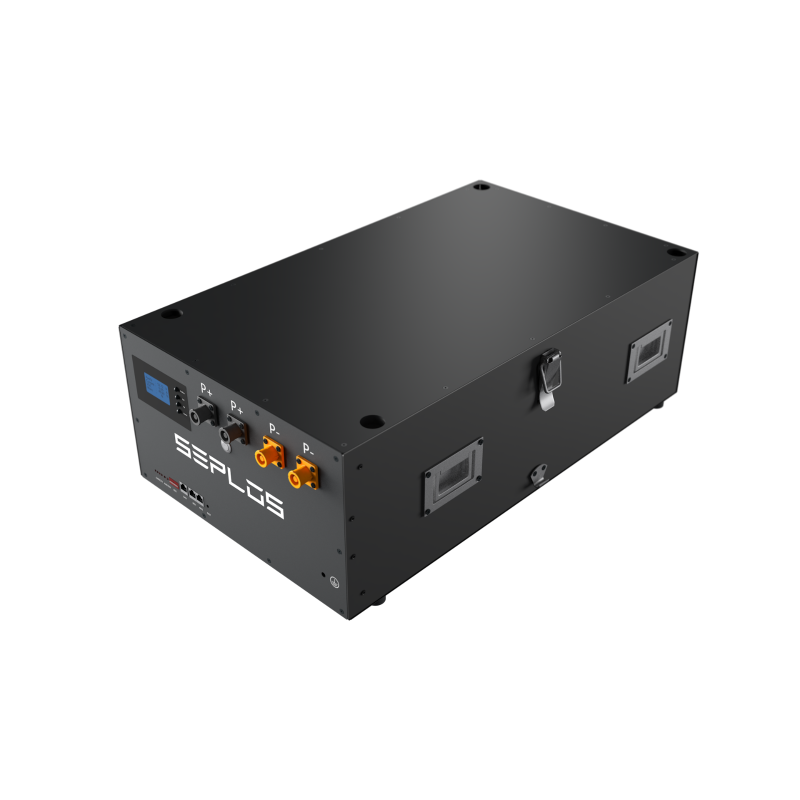
Modern manufacturing environments demand battery management systems that integrate multiple layers of safety protection while maintaining operational efficiency and cost-effectiveness. The evolution of BMS safety features reflects the increasing sophistication of industrial applications, where system failures can result in significant production downtime, safety hazards, and financial losses. Understanding the essential safety features within BMS technology enables manufacturers to make informed decisions about energy storage investments, ensuring their chosen solutions meet both immediate operational requirements and future scalability needs.
Core Protection Mechanisms in BMS Safety
Voltage Monitoring and Control Systems
Voltage protection stands as the fundamental safety feature in any robust BMS design, providing continuous monitoring of individual cell voltages and overall system voltage levels. The BMS continuously tracks each cell's voltage state, identifying dangerous overvoltage or undervoltage conditions that could lead to cell degradation, thermal runaway, or complete system failure. Advanced voltage monitoring systems within BMS technology implement multiple threshold levels, providing early warning alerts before critical voltage limits are reached.
Overvoltage protection mechanisms within the BMS automatically disconnect charging sources when individual cells approach dangerous voltage levels, preventing overcharging that could cause cell swelling, electrolyte breakdown, or fire hazards. The precision of voltage monitoring directly impacts battery longevity and safety, with high-quality BMS units capable of detecting voltage variations as small as 10 millivolts across individual cells. This granular monitoring capability enables proactive maintenance scheduling and prevents unexpected system failures in manufacturing environments.
Undervoltage protection features ensure that battery cells never discharge below safe operational limits, preserving cell chemistry and preventing irreversible damage that could compromise future performance. The BMS implements controlled shutdown procedures when undervoltage conditions are detected, maintaining system integrity while protecting valuable battery assets from permanent damage.
Current Limiting and Overcurrent Protection
Current control mechanisms within BMS safety systems protect against excessive charge and discharge currents that could damage battery cells or create hazardous conditions. The BMS continuously monitors current flow in both directions, implementing immediate protective actions when predetermined current thresholds are exceeded. These protective measures prevent thermal stress on battery connections, reduce fire risks, and extend overall system lifespan.
Overcurrent protection features within the BMS activate instantaneously when dangerous current spikes are detected, typically responding within microseconds to disconnect the battery from the load or charging source. This rapid response capability proves essential in manufacturing environments where electrical faults or equipment malfunctions could create sudden current demands that exceed safe operating parameters. The BMS safety system includes multiple current sensing points throughout the battery pack, ensuring comprehensive protection coverage.
Short circuit protection represents a critical safety feature that prevents catastrophic failures when internal or external short circuits occur. The BMS detects short circuit conditions through rapid current rise patterns and immediately isolates the affected circuit sections, preventing thermal damage and potential fire hazards. Modern BMS units implement intelligent short circuit discrimination, distinguishing between temporary current spikes and genuine short circuit events to minimize unnecessary system shutdowns.
Thermal Management and Temperature Safety
Temperature Monitoring Networks
Thermal safety features within BMS technology encompass comprehensive temperature monitoring across battery packs, with multiple temperature sensors providing real-time data on cell temperatures, ambient conditions, and thermal gradients. The BMS processes temperature data continuously, identifying hot spots, thermal imbalances, and dangerous temperature trends that could indicate impending thermal runaway events. Temperature monitoring networks within advanced BMS systems include redundant sensors to ensure reliable detection even if individual sensors fail.
Critical temperature thresholds programmed into the BMS trigger graduated responses based on severity levels, from reduced charging rates at elevated temperatures to complete system shutdown when dangerous thermal conditions are detected. The thermal management capabilities of the BMS extend beyond simple temperature monitoring to include predictive algorithms that anticipate thermal events based on operational patterns, environmental conditions, and historical performance data.
Temperature-based protection protocols within the BMS coordinate with active and passive cooling systems to maintain optimal operating conditions, ensuring consistent performance and safety across varying environmental conditions. The integration of thermal management with other BMS safety features creates comprehensive protection systems that address the complex interactions between electrical, thermal, and chemical processes within battery systems.
Thermal Runaway Prevention
Thermal runaway prevention represents the most critical safety feature in modern BMS design, incorporating multiple detection methods and response strategies to prevent catastrophic battery failures. The bms monitors temperature rise rates, voltage instabilities, and other indicators that precede thermal runaway events, enabling proactive intervention before dangerous conditions develop. Advanced thermal runaway detection algorithms analyze multiple data streams simultaneously, improving detection accuracy and reducing false alarms.
When thermal runaway conditions are detected, the BMS implements immediate isolation procedures to contain the affected cells and prevent propagation to adjacent battery sections. These containment strategies include electrical isolation, active cooling activation, and coordinated shutdown procedures that prioritize safety while minimizing system damage. The BMS maintains detailed event logs during thermal incidents, providing valuable data for post-event analysis and system improvement.
Prevention strategies embedded within BMS safety systems include cell balancing algorithms that prevent thermal stress from uneven charging, current limiting during high-temperature conditions, and proactive cooling system activation based on predictive thermal models. These comprehensive prevention measures significantly reduce the likelihood of thermal runaway events while maintaining optimal system performance.
Communication and Monitoring Safety Features
Real-Time System Diagnostics
Advanced diagnostic capabilities within BMS safety systems provide continuous health monitoring and early warning systems that enable proactive maintenance and prevent safety incidents. The BMS collects extensive operational data, including electrical parameters, thermal conditions, and system performance metrics, creating comprehensive system health profiles that identify developing issues before they become critical. Real-time diagnostics enable manufacturing teams to optimize battery performance while maintaining safety standards.
Diagnostic algorithms within the BMS analyze historical performance patterns, comparing current operating conditions with established baselines to detect anomalies that could indicate developing safety risks. These predictive diagnostic capabilities enable scheduled maintenance interventions, reducing unplanned downtime and preventing safety incidents that could impact manufacturing operations. The BMS generates detailed diagnostic reports that support compliance documentation and regulatory reporting requirements.
System diagnostic features include self-testing capabilities that verify the integrity of safety systems, sensors, and protection circuits on regular intervals. The BMS maintains diagnostic logs that track system health trends over time, providing valuable insights for optimizing battery management strategies and identifying potential safety improvements.
Communication Protocol Safety
Secure communication protocols within BMS safety systems ensure reliable data transmission and prevent unauthorized system access that could compromise safety features. The BMS implements encrypted communication channels with manufacturing control systems, providing real-time safety status updates while maintaining data security. Communication safety features include redundant data pathways and fail-safe communication modes that maintain critical safety functions even during communication disruptions.
Emergency communication capabilities within the BMS enable immediate notification of safety incidents to designated personnel and systems, supporting rapid response procedures that minimize safety risks and operational impacts. The BMS integrates with facility alarm systems and emergency response protocols, ensuring comprehensive safety coordination across manufacturing operations.
Data integrity verification within BMS communication systems prevents corruption of safety-critical information, ensuring that protection decisions are based on accurate and reliable data. The BMS implements multiple data validation methods, including checksums, redundant data transmission, and error correction algorithms that maintain system safety under challenging industrial conditions.
Compliance and Regulatory Safety Standards
International Safety Certifications
BMS safety features must comply with international safety standards that govern battery system design, installation, and operation in manufacturing environments. Key certification requirements include UL 1973 for stationary battery systems, IEC 62619 for industrial battery applications, and UN 38.3 for battery transportation safety. These standards establish minimum safety requirements for BMS functionality, ensuring consistent protection levels across different manufacturers and applications.
Compliance with safety standards requires comprehensive testing and documentation of BMS safety features, including fault injection testing, thermal abuse testing, and electrical stress testing under controlled laboratory conditions. The certification process validates that BMS safety systems perform reliably under extreme conditions and maintain protection capabilities throughout the expected system lifetime.
Manufacturing organizations implementing BMS technology must verify that chosen systems meet applicable safety standards for their specific applications and operating environments. The BMS certification documentation provides essential information for regulatory compliance, insurance requirements, and safety risk assessments that support informed decision-making.
Workplace Safety Integration
BMS safety features must integrate seamlessly with existing workplace safety protocols and emergency response procedures in manufacturing facilities. The BMS provides safety status information to facility management systems, enabling coordinated responses to battery-related incidents and supporting comprehensive safety management programs. Integration capabilities include connections to fire suppression systems, ventilation controls, and emergency shutdown procedures.
Training requirements for personnel working with BMS-equipped battery systems include understanding of safety features, emergency procedures, and maintenance protocols that ensure safe operation. The BMS provides user interfaces and diagnostic tools that support safe maintenance practices while preventing exposure to electrical and chemical hazards associated with battery systems.
Safety documentation provided by BMS manufacturers includes installation guidelines, operational procedures, and emergency response protocols that support comprehensive workplace safety programs. Manufacturing organizations must integrate this information into their safety management systems to ensure consistent application of safety procedures across all battery system operations.
Implementation Considerations for Manufacturers
System Selection and Sizing
Selecting appropriate BMS safety features requires careful analysis of manufacturing applications, environmental conditions, and operational requirements that influence safety system performance. The BMS must provide adequate protection capacity for the specific battery chemistry, pack configuration, and load characteristics anticipated in manufacturing applications. Proper sizing ensures that safety features operate effectively under normal and emergency conditions without unnecessary restrictions on system performance.
Environmental considerations affecting BMS safety feature selection include temperature ranges, humidity levels, vibration exposure, and electromagnetic interference present in manufacturing environments. The BMS must maintain safety functionality under these challenging conditions while providing reliable protection throughout the expected system lifetime. Industrial-grade BMS units incorporate enhanced environmental protection and robust construction suitable for demanding manufacturing applications.
Application-specific safety requirements may necessitate additional BMS features beyond standard protection mechanisms, including specialized monitoring capabilities, enhanced communication protocols, or integration with facility safety systems. Manufacturing organizations should evaluate their unique safety requirements and select BMS technology that provides comprehensive protection for their specific operational context.
Installation and Maintenance Protocols
Proper installation of BMS safety systems requires adherence to manufacturer specifications and industry best practices that ensure optimal protection performance and regulatory compliance. Installation procedures must maintain the integrity of safety circuits, sensor connections, and communication pathways that enable effective BMS operation. Professional installation by qualified technicians reduces the risk of installation errors that could compromise safety system effectiveness.
Maintenance protocols for BMS safety systems include regular testing of protection circuits, calibration of monitoring sensors, and verification of communication system functionality. The BMS provides diagnostic tools and maintenance schedules that support proactive maintenance programs, ensuring continued safety system reliability throughout the system lifetime. Maintenance documentation supports regulatory compliance and provides valuable data for optimizing system performance.
Training programs for maintenance personnel must cover BMS safety system operation, diagnostic procedures, and emergency response protocols that ensure safe and effective system maintenance. The BMS manufacturer typically provides training resources and technical support that enable manufacturing organizations to develop internal expertise in BMS safety system management.
FAQ
What are the most critical safety features that a BMS must include for manufacturing applications?
The most critical BMS safety features for manufacturing include comprehensive voltage monitoring with overvoltage and undervoltage protection, current limiting with overcurrent and short circuit protection, thermal monitoring with thermal runaway prevention, and real-time diagnostic capabilities with emergency communication protocols. These features work together to prevent catastrophic failures, ensure worker safety, and maintain system integrity under demanding industrial conditions.
How does BMS thermal management prevent dangerous battery conditions in industrial environments?
BMS thermal management prevents dangerous conditions through continuous temperature monitoring across battery packs, predictive thermal modeling that anticipates dangerous trends, and graduated response protocols that range from reduced charging rates to complete system shutdown. The BMS coordinates with cooling systems and implements thermal runaway prevention algorithms that detect early warning signs and isolate affected cells before propagation occurs.
What compliance standards must BMS safety systems meet for manufacturing facility installation?
BMS safety systems must comply with international standards including UL 1973 for stationary battery systems, IEC 62619 for industrial applications, and UN 38.3 for transportation safety. Additional local codes and regulations may apply depending on the facility location and specific manufacturing applications. Compliance documentation must demonstrate that BMS safety features meet minimum performance requirements under standardized testing conditions.
How often should BMS safety systems be tested and maintained in manufacturing environments?
BMS safety systems should undergo comprehensive testing quarterly, with daily automated self-diagnostics and monthly manual verification of critical safety functions. Maintenance schedules depend on environmental conditions and system utilization but typically include annual calibration of sensors, semi-annual testing of protection circuits, and continuous monitoring of diagnostic indicators. The BMS provides maintenance alerts and diagnostic tools that support proactive maintenance scheduling based on actual system conditions rather than fixed time intervals.
Table of Contents
- Core Protection Mechanisms in BMS Safety
- Thermal Management and Temperature Safety
- Communication and Monitoring Safety Features
- Compliance and Regulatory Safety Standards
- Implementation Considerations for Manufacturers
-
FAQ
- What are the most critical safety features that a BMS must include for manufacturing applications?
- How does BMS thermal management prevent dangerous battery conditions in industrial environments?
- What compliance standards must BMS safety systems meet for manufacturing facility installation?
- How often should BMS safety systems be tested and maintained in manufacturing environments?