EN
EN




Smart BMS technology represents a fundamental evolution in battery management systems, transforming how businesses monitor, control, and optimize their energy storage solutions. Modern smart BMS platforms integrate advanced algorithms, wireless connectivity, and intelligent analytics to deliver unprecedented visibility and control over battery performance, making them essential components for any serious energy storage deployment.
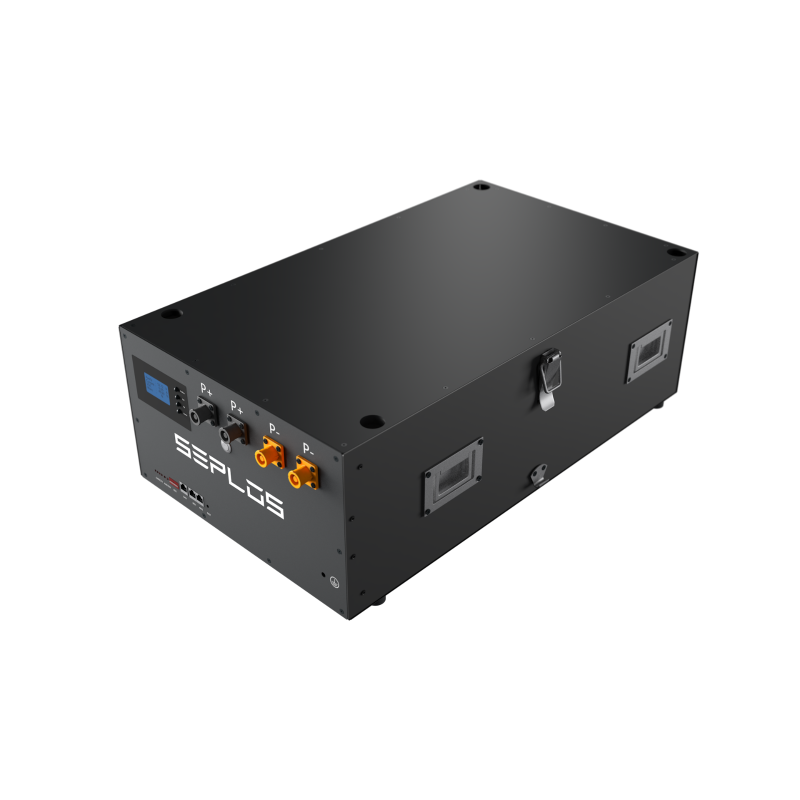
The implementation of smart BMS technology extends far beyond traditional battery monitoring, creating comprehensive energy management ecosystems that enhance safety, efficiency, and operational intelligence. This guide explores the concrete benefits these systems deliver and provides practical implementation strategies for businesses seeking to leverage smart BMS capabilities in their energy infrastructure projects.
Understanding Smart BMS Architecture
Core System Components
Smart BMS platforms integrate multiple sophisticated components working in harmony to deliver comprehensive battery management capabilities. The central processing unit coordinates real-time monitoring functions, while advanced sensor networks continuously track voltage, current, temperature, and state-of-charge parameters across individual cells and battery modules.
Modern BMS architectures incorporate distributed intelligence through modular control units that enable scalable monitoring across large battery installations. These systems utilize high-speed communication protocols to ensure millisecond response times for critical safety functions while maintaining continuous data logging for performance analysis and predictive maintenance algorithms.
The wireless connectivity layer enables remote monitoring and control capabilities, allowing operators to access real-time system status, configure operational parameters, and receive instant alerts from anywhere with internet connectivity. This connectivity foundation supports integration with broader energy management systems and cloud-based analytics platforms.
Advanced Control Algorithms
Smart BMS technology leverages sophisticated control algorithms that adapt battery operation to optimize performance under varying conditions. These algorithms continuously analyze battery behavior patterns, environmental factors, and load demands to automatically adjust charging profiles, thermal management settings, and power output parameters.
Machine learning capabilities within modern BMS platforms enable predictive optimization based on historical usage patterns and environmental data. The system learns from operational experience to refine charging strategies, predict maintenance needs, and identify potential issues before they impact system performance or safety.
Dynamic load balancing algorithms ensure optimal energy distribution across battery cells and modules, preventing overcharge or over-discharge conditions while maximizing overall system capacity utilization. These algorithms adapt in real-time to changing load conditions and battery aging characteristics.
Operational Benefits of Smart BMS Technology
Enhanced Safety and Protection
Smart BMS systems provide multi-layered safety protection through continuous monitoring and automated response mechanisms that far exceed traditional battery management capabilities. Advanced fault detection algorithms identify abnormal operating conditions within milliseconds, triggering immediate protective actions to prevent thermal runaway, overcharge damage, or dangerous voltage conditions.
The intelligent monitoring capabilities of modern BMS platforms detect subtle changes in battery behavior that might indicate developing safety risks. Early warning systems alert operators to potential issues before they become critical, enabling proactive maintenance and reducing the risk of unexpected failures or safety incidents.
Integrated fire suppression interfaces and emergency shutdown protocols ensure comprehensive safety coverage for large-scale battery installations. Smart BMS systems coordinate with facility safety systems to provide automated emergency response capabilities that protect both equipment and personnel.
Performance Optimization and Efficiency
Smart BMS technology delivers significant efficiency improvements through intelligent charge management and dynamic optimization algorithms. These systems continuously adjust charging parameters based on battery condition, temperature, and usage patterns to minimize energy losses and extend battery lifespan.
Advanced state-of-charge estimation algorithms provide accurate capacity predictions that enable optimal energy planning and reduce the risk of unexpected power shortages. The precision of smart bms systems eliminates the need for conservative safety margins, maximizing usable battery capacity.
Thermal management optimization reduces cooling energy requirements while maintaining optimal battery operating temperatures. Smart algorithms balance thermal loads across battery modules and coordinate with facility HVAC systems to minimize overall energy consumption while ensuring optimal battery performance.
Implementation Planning and Strategy
System Requirements Assessment
Successful smart BMS implementation begins with comprehensive assessment of existing infrastructure, energy requirements, and operational objectives. Organizations must evaluate their current battery systems, communication infrastructure, and integration requirements to determine optimal BMS configuration and functionality needs.
Capacity planning considerations include not only current energy storage requirements but also anticipated future expansion and changing operational demands. Smart BMS platforms must be sized and configured to accommodate growth while maintaining optimal performance across varying load conditions and system configurations.
Environmental factors significantly influence BMS selection and configuration decisions. Temperature ranges, humidity levels, electromagnetic interference, and physical space constraints all impact system design requirements and component selection for optimal long-term performance.
Integration and Compatibility Planning
Modern smart BMS systems must integrate seamlessly with existing energy management infrastructure, SCADA systems, and facility automation platforms. Compatibility assessment ensures smooth data exchange, coordinated control functions, and unified operational interfaces across the entire energy management ecosystem.
Communication protocol compatibility requires careful evaluation to ensure reliable data exchange between the BMS and other system components. Standard protocols like Modbus, CAN bus, and Ethernet-based communications enable flexible integration while maintaining system security and reliability.
Cloud connectivity and remote monitoring capabilities require robust cybersecurity measures and network infrastructure planning. Organizations must establish secure communication channels and implement appropriate access controls to protect sensitive operational data while enabling remote management capabilities.
Advanced Features and Capabilities
Predictive Analytics and Maintenance
Smart BMS platforms leverage advanced analytics to predict battery performance degradation and maintenance requirements before issues impact system operation. Machine learning algorithms analyze historical performance data, environmental conditions, and usage patterns to identify trends and predict future maintenance needs.
Automated health assessment capabilities continuously evaluate battery condition and provide detailed insights into capacity fade, internal resistance changes, and other aging indicators. This information enables proactive maintenance scheduling and helps optimize replacement timing to minimize operational disruptions.
Predictive failure analysis identifies components at risk of failure before they impact system performance, enabling targeted maintenance actions and reducing unexpected downtime. Advanced BMS systems provide detailed diagnostics and recommended actions to guide maintenance teams in addressing identified issues.
Energy Optimization and Grid Integration
Smart BMS technology enables sophisticated energy optimization strategies that maximize the value of battery storage investments. Dynamic pricing algorithms optimize charge and discharge cycles based on real-time electricity rates, reducing energy costs while maintaining required backup capacity.
Grid services integration allows battery systems managed by smart BMS platforms to participate in utility demand response programs, frequency regulation services, and peak shaving initiatives. These capabilities create additional revenue streams while supporting grid stability and reliability.
Load forecasting capabilities enable intelligent energy management decisions based on predicted demand patterns, weather conditions, and historical usage data. Smart BMS systems coordinate with renewable energy sources to optimize charging from solar and wind generation while maintaining grid independence during outages.
FAQ
What are the key differences between traditional and smart BMS systems?
Smart BMS systems offer advanced connectivity, predictive analytics, and automated optimization capabilities that traditional systems lack. While conventional BMS platforms provide basic monitoring and protection functions, smart systems integrate machine learning algorithms, wireless connectivity, and cloud-based analytics to deliver comprehensive energy management and predictive maintenance capabilities.
How does smart BMS technology improve battery lifespan and performance?
Smart BMS platforms extend battery life through intelligent charging algorithms, thermal management optimization, and proactive maintenance scheduling. These systems continuously analyze battery condition and automatically adjust operating parameters to minimize stress factors, prevent harmful operating conditions, and optimize charge cycles for maximum longevity.
What implementation challenges should organizations expect with smart BMS technology?
Common implementation challenges include integration complexity with existing systems, cybersecurity considerations for connected devices, and staff training requirements for advanced functionality. Organizations should plan for adequate network infrastructure, establish security protocols, and provide comprehensive training to maximize the benefits of smart BMS capabilities.
How can businesses measure the return on investment for smart BMS implementation?
ROI measurement should include reduced maintenance costs, extended battery life, improved energy efficiency, and potential revenue from grid services participation. Smart BMS systems typically deliver measurable savings through optimized charging cycles, predictive maintenance benefits, and enhanced operational reliability that reduces downtime and emergency repair costs.
Table of Contents
- Understanding Smart BMS Architecture
- Operational Benefits of Smart BMS Technology
- Implementation Planning and Strategy
- Advanced Features and Capabilities
-
FAQ
- What are the key differences between traditional and smart BMS systems?
- How does smart BMS technology improve battery lifespan and performance?
- What implementation challenges should organizations expect with smart BMS technology?
- How can businesses measure the return on investment for smart BMS implementation?