EN
EN



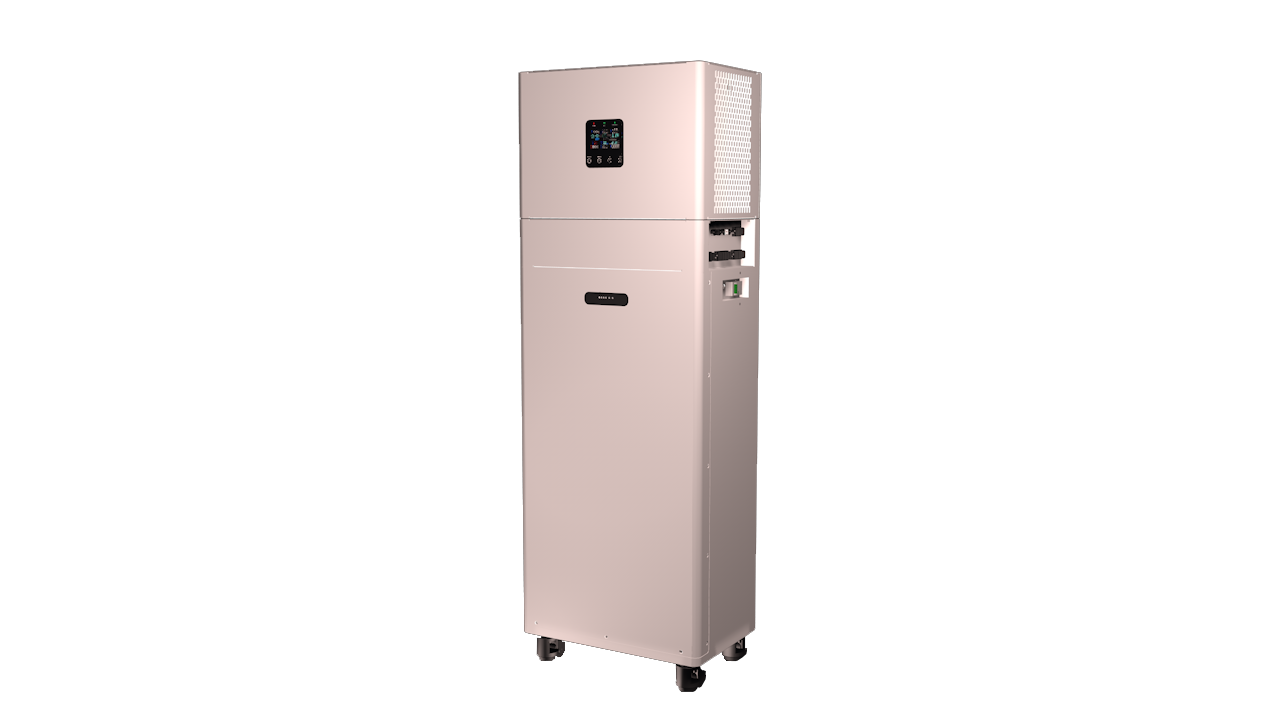
Businesses across industries are discovering that energy storage systems provide a proven pathway to dramatically reduce electricity expenses through strategic power management and demand optimization. These advanced battery-based solutions enable companies to store energy during low-cost periods and deploy it when utility rates peak, creating substantial savings opportunities that often exceed 30-40% of monthly power bills. Understanding how an energy storage system achieves these cost reductions requires examining the specific mechanisms and strategies that make commercial energy storage financially transformative.
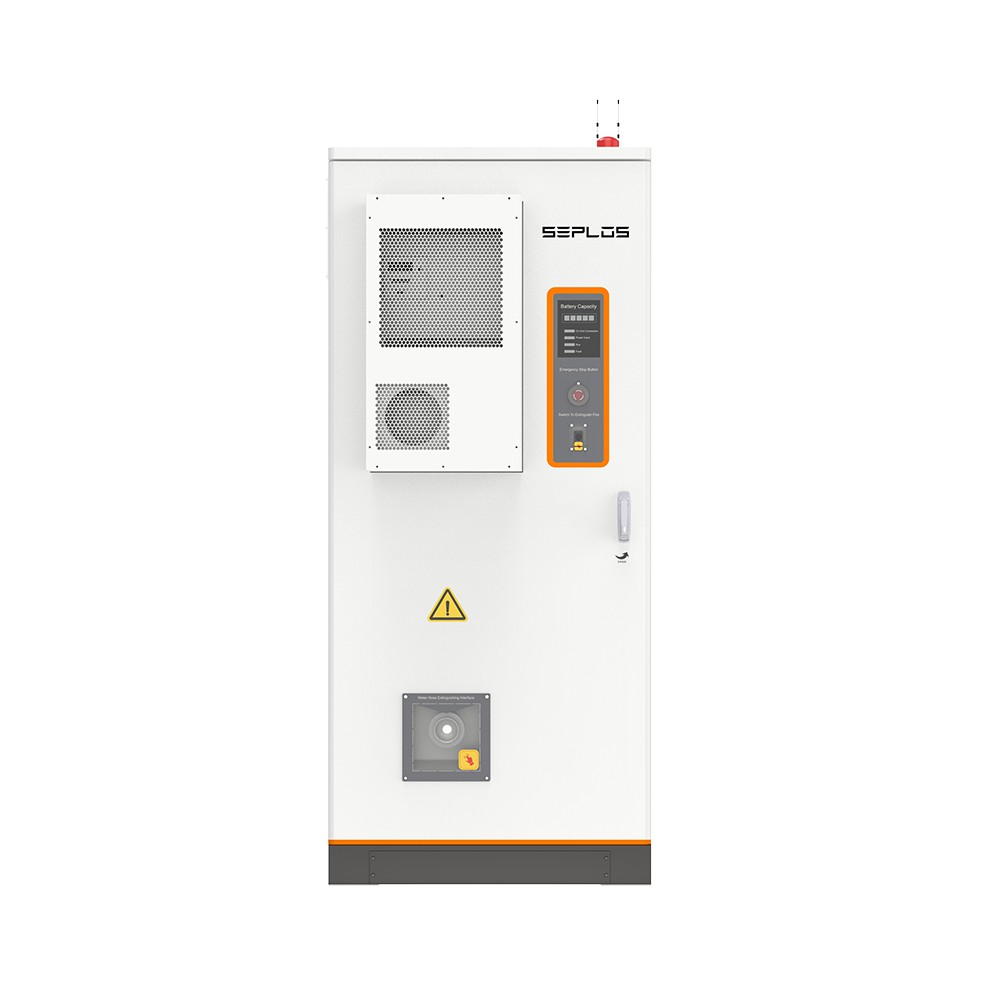
The economics of commercial energy storage center on time-shifting electricity consumption to avoid expensive peak demand charges and capitalize on variable time-of-use pricing structures. Modern businesses face increasingly complex utility billing that includes demand charges, time-of-use rates, and peak period premiums that can account for 50-70% of total electricity costs. An energy storage system acts as an intelligent buffer that allows facilities to become more strategic about when and how they consume grid power, effectively decoupling energy usage from immediate grid dependency during high-cost periods.
Peak Demand Reduction and Demand Charge Elimination
Understanding Commercial Demand Charges
Commercial facilities typically face demand charges based on their highest 15-minute power consumption interval during each billing period, creating significant cost exposure from brief periods of high electricity usage. These demand charges often represent 30-50% of total electricity costs for manufacturing facilities, office buildings, and retail operations. An energy storage system monitors real-time power consumption and automatically supplements grid power during demand spikes, effectively capping the facility's maximum grid draw and reducing demand charge exposure by up to 80% in many applications.
The financial impact of demand charge reduction compounds over time because utility companies typically calculate demand charges based on the highest demand recorded over a rolling 12-month period. This means that even a single brief spike in power consumption can affect electricity bills for an entire year. Energy storage systems prevent these costly spikes by providing instantaneous power support during high-consumption periods, ensuring that demand charges remain consistently low throughout the billing cycle.
Load Leveling and Grid Interaction Optimization
Advanced energy storage systems employ sophisticated load leveling algorithms that smooth power consumption patterns and minimize grid interaction during expensive periods. These systems continuously analyze facility power requirements and strategically discharge stored energy to maintain consistent grid draw levels throughout the day. This load leveling capability prevents the sharp consumption peaks that trigger demand charges while ensuring that critical operations receive uninterrupted power support.
The load leveling process also extends to managing power factor correction and reactive power compensation, which can further reduce utility charges for commercial facilities with significant motor loads or electronic equipment. Modern energy storage systems integrate power factor correction capabilities that improve overall electrical efficiency and reduce apparent power consumption, contributing additional cost savings beyond basic demand charge reduction.
Time-of-Use Rate Arbitrage and Energy Cost Optimization
Strategic Energy Purchasing Through Storage
Energy storage systems enable businesses to implement sophisticated energy purchasing strategies that capitalize on time-varying electricity rates offered by most commercial utility providers. These rate structures typically feature off-peak periods with electricity costs 50-70% lower than peak period rates, creating significant arbitrage opportunities for facilities equipped with adequate storage capacity. An energy storage system automatically charges during low-cost periods and discharges during high-cost periods, effectively purchasing electricity at wholesale rates and avoiding retail peak pricing.
The arbitrage potential becomes particularly compelling in markets with substantial rate differentials between peak and off-peak periods. For example, facilities in regions with time-of-use rates ranging from $0.08 per kWh during off-peak hours to $0.25 per kWh during peak periods can achieve dramatic cost reductions by shifting 60-80% of their peak-period consumption to stored energy. This strategy requires careful sizing of the energy storage system to match facility consumption patterns and utility rate structures.
Grid Services Revenue and Ancillary Benefits
Commercial energy storage systems can generate additional revenue streams by participating in utility grid services programs and demand response initiatives. These programs compensate facilities for providing grid stability services, emergency backup capacity, or load reduction during critical grid conditions. Revenue from grid services programs can offset 15-25% of energy storage system costs while providing utilities with valuable grid management resources.
Demand response participation allows facilities to receive direct payments for reducing grid consumption during peak demand periods, creating a dual benefit scenario where the energy storage system both reduces internal power costs and generates external revenue. These programs are expanding rapidly as utilities seek distributed resources to manage grid stability and defer expensive infrastructure investments.
Renewable Energy Integration and Grid Independence
Solar Energy Storage and Self-Consumption Optimization
Facilities with solar photovoltaic installations can maximize their renewable energy investment returns by integrating energy storage systems that capture excess solar production for later use during non-sunlight hours. Without storage, excess solar energy is typically exported to the grid at wholesale rates significantly lower than retail electricity prices, reducing the financial benefit of solar installations. An energy storage system enables complete self-consumption of solar production, increasing the effective value of renewable energy by 40-60% compared to grid export scenarios.
The combination of solar generation and energy storage creates opportunities for facilities to approach net-zero grid consumption during favorable conditions, eliminating electricity costs entirely during optimal periods. This solar-plus-storage configuration provides predictable energy costs and shields businesses from utility rate increases while supporting sustainability objectives. Advanced energy management systems optimize the interaction between solar generation, energy storage, and facility loads to maximize financial and environmental benefits.
Backup Power Integration and Resilience Value
Commercial energy storage systems provide valuable backup power capabilities that eliminate the need for separate generator systems while offering clean, silent, and instant power during grid outages. This dual functionality creates additional economic value by consolidating backup power and energy management functions into a single system. The resilience value becomes particularly important for facilities with critical operations, refrigeration requirements, or data processing needs that cannot tolerate power interruptions.
The backup power capability also enables facilities to avoid costly power quality issues and voltage fluctuations that can damage sensitive equipment or disrupt production processes. Energy storage systems provide clean, regulated power that protects valuable equipment while maintaining operations during brief grid disturbances that might otherwise result in expensive downtime or product loss.
Implementation Economics and Return on Investment
System Sizing and Financial Optimization
Proper sizing of an energy storage system requires detailed analysis of facility power consumption patterns, utility rate structures, and operational requirements to maximize cost reduction potential while ensuring adequate return on investment. Oversized systems may not generate sufficient savings to justify increased capital costs, while undersized systems may miss significant cost reduction opportunities during peak demand periods. Professional energy audits and consumption analysis typically reveal optimal system sizes that balance capital investment with savings potential.
The financial analysis must consider both immediate cost reductions and long-term value factors including utility rate escalation, demand charge avoidance, and potential grid services revenue. Most commercial energy storage systems achieve payback periods of 5-8 years with internal rates of return exceeding 15-20% when properly sized and implemented. These returns improve significantly in markets with high demand charges, substantial peak-to-off-peak rate differentials, or attractive grid services compensation programs.
Operational Optimization and Performance Monitoring
Maximizing cost reduction benefits requires ongoing optimization of energy storage system operation through advanced monitoring and control systems that adapt to changing facility needs and utility rate structures. Modern energy storage systems include sophisticated software platforms that continuously analyze performance, identify optimization opportunities, and automatically adjust operating parameters to maximize savings. These systems learn from facility consumption patterns and utility pricing signals to improve performance over time.
Regular performance monitoring ensures that the energy storage system maintains optimal efficiency and identifies potential maintenance needs before they impact cost reduction performance. Monitoring platforms typically provide detailed analytics on energy savings, demand charge reduction, and system performance metrics that demonstrate ongoing financial benefits and support operational decision-making.
FAQ
How quickly can an energy storage system reduce my business electricity costs?
Most businesses see immediate cost reductions within the first billing cycle after energy storage system installation and commissioning. Peak demand charge reductions typically appear on the next utility bill, while time-of-use arbitrage benefits accumulate daily. The full cost reduction potential is usually realized within 2-3 billing cycles as the system optimizes to facility consumption patterns and utility rate structures.
What size energy storage system do I need to achieve meaningful cost reductions?
The optimal energy storage system size depends on your facility's peak demand levels, consumption patterns, and utility rate structure. Generally, systems sized to provide 2-4 hours of average facility load or enough capacity to reduce peak demand by 50-70% deliver the most attractive cost reduction benefits. Professional energy audits can determine the specific system size that maximizes return on investment for your facility.
Can energy storage systems work effectively with existing solar installations?
Energy storage systems integrate seamlessly with existing solar photovoltaic installations and typically increase the financial value of solar investments by 40-60% through improved self-consumption and peak demand management. The storage system captures excess solar production during peak generation periods and releases it during high-cost utility rate periods, maximizing the value of renewable energy while reducing grid dependence.
How do energy storage systems compare to other cost reduction strategies?
Energy storage systems often provide superior cost reduction potential compared to energy efficiency upgrades or demand management programs because they address both demand charges and time-of-use rate optimization simultaneously. While efficiency measures reduce overall consumption, energy storage systems optimize the timing and cost of remaining consumption, creating complementary benefits that can reduce total electricity costs by 35-50% when properly implemented.
Table of Contents
- Peak Demand Reduction and Demand Charge Elimination
- Time-of-Use Rate Arbitrage and Energy Cost Optimization
- Renewable Energy Integration and Grid Independence
- Implementation Economics and Return on Investment
-
FAQ
- How quickly can an energy storage system reduce my business electricity costs?
- What size energy storage system do I need to achieve meaningful cost reductions?
- Can energy storage systems work effectively with existing solar installations?
- How do energy storage systems compare to other cost reduction strategies?