EN
EN



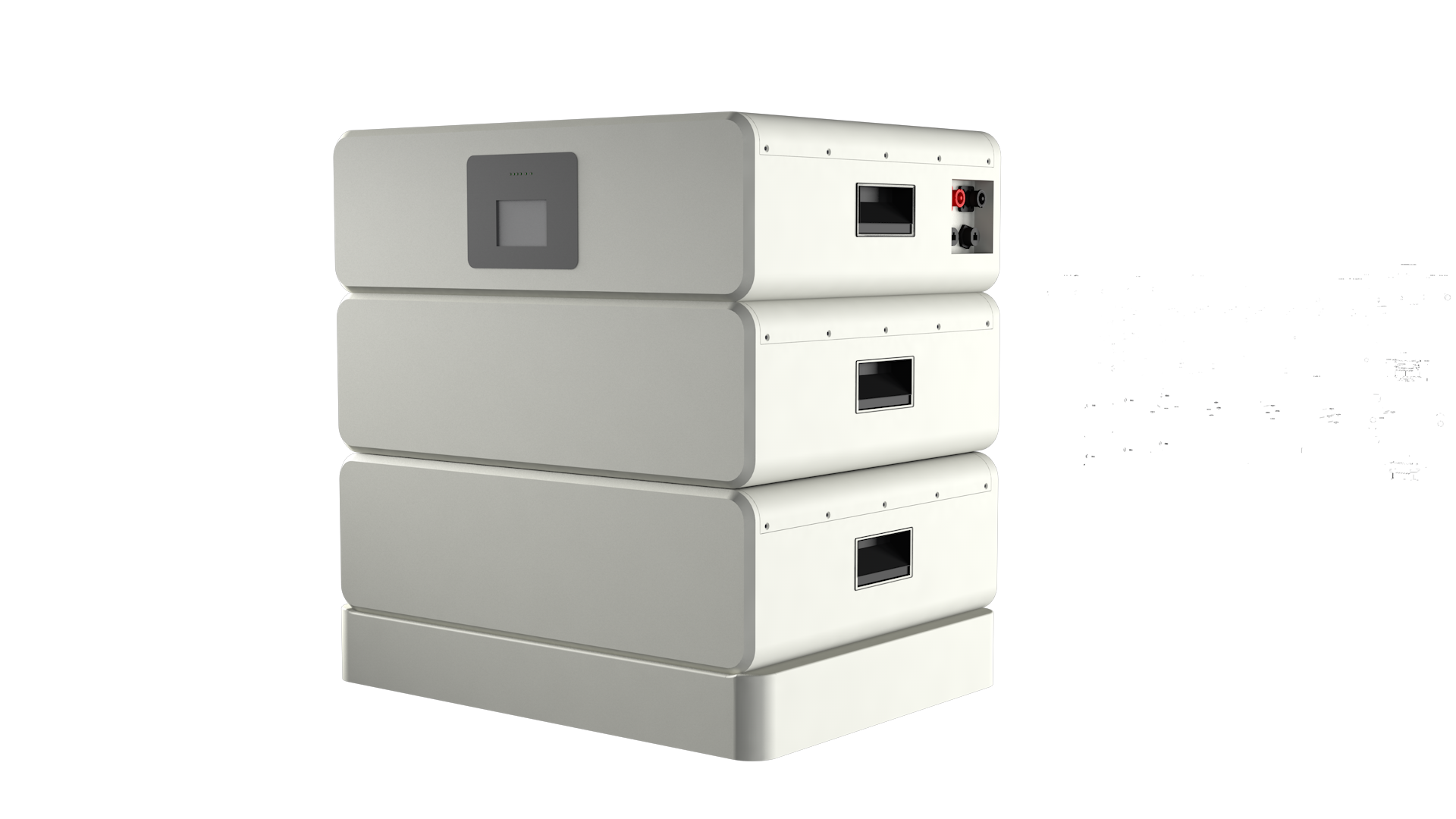
The global energy storage market has experienced unprecedented growth, driven by the accelerating transition to renewable energy sources and the increasing need for grid stability. As businesses and utilities seek reliable solutions to manage energy demand and supply fluctuations, identifying the leading energy storage system manufacturers becomes crucial for making informed investment decisions. Understanding the competitive landscape helps stakeholders evaluate technology capabilities, manufacturing quality, and long-term viability when selecting an energy storage system provider.
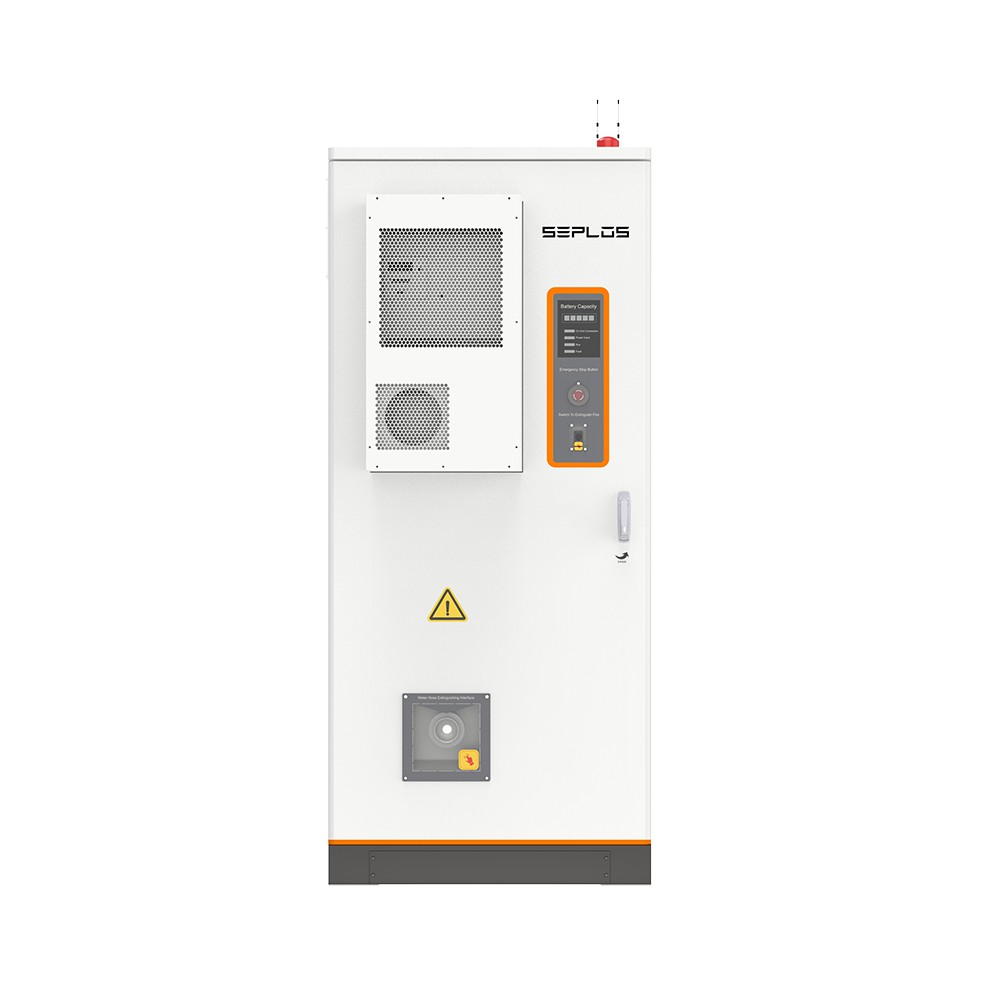
The ranking methodology for energy storage system manufacturers considers multiple critical factors including market share, technological innovation, manufacturing capacity, deployment scale, and customer satisfaction. These criteria provide a comprehensive framework for evaluating industry leaders who consistently deliver high-performance energy storage solutions across diverse applications. The assessment also examines financial stability, research and development investments, and global market presence to ensure sustainable partnerships for large-scale energy storage projects.
Market Leadership Assessment Criteria
Manufacturing Scale and Capacity
Leading energy storage system manufacturers demonstrate exceptional production capabilities with dedicated facilities capable of meeting growing global demand. These companies maintain strategic manufacturing locations across key markets to reduce logistics costs and improve delivery timelines for large-scale projects. Manufacturing excellence includes automated production lines, stringent quality control processes, and the ability to scale production rapidly in response to market demands.
Production capacity metrics reveal the true operational strength of energy storage system providers. Top-tier manufacturers operate facilities with annual production capabilities exceeding several gigawatt-hours, supported by robust supply chain relationships and component sourcing strategies. The ability to maintain consistent quality while scaling production volumes distinguishes industry leaders from smaller competitors in the energy storage system market.
Technology Innovation and Performance
Innovation leadership in energy storage technology encompasses battery chemistry advancements, system integration capabilities, and software optimization features. Leading manufacturers invest heavily in research and development to improve energy density, cycle life, safety features, and overall system efficiency. These technological improvements directly translate to better performance metrics and lower total cost of ownership for end users.
Performance benchmarking includes round-trip efficiency ratings, depth of discharge capabilities, and operational lifespan under various environmental conditions. Top energy storage system manufacturers achieve efficiency ratings above 95% while maintaining degradation rates below industry averages. Advanced thermal management systems, intelligent battery management software, and modular design architectures contribute to superior performance characteristics that set market leaders apart from competitors.
Financial Strength and Market Presence
Revenue Growth and Market Share
Financial performance indicators provide crucial insights into the sustainability and growth trajectory of energy storage system manufacturers. Companies with consistent revenue growth, healthy profit margins, and strong balance sheets demonstrate the financial resources necessary to support large-scale manufacturing operations and ongoing research initiatives. Market share analysis reveals competitive positioning and customer confidence in specific manufacturer capabilities.
Global market presence extends beyond simple revenue figures to include geographic diversity, customer base breadth, and project portfolio complexity. Leading energy storage system providers maintain operations across multiple continents with established customer relationships spanning utilities, commercial enterprises, and residential markets. This diversification strategy reduces market risk while providing opportunities for cross-pollination of technological innovations across different application segments.
Strategic Partnerships and Ecosystem Development
Strategic alliances with key industry players strengthen the competitive position of energy storage system manufacturers through complementary capabilities and expanded market access. Partnerships with renewable energy developers, grid operators, and system integrators create comprehensive solution offerings that address complex customer requirements. These relationships often lead to preferred vendor arrangements and long-term supply agreements that provide revenue stability.
Ecosystem development includes collaboration with research institutions, component suppliers, and software developers to advance energy storage technology and accelerate market adoption. Leading manufacturers actively participate in industry standards development, regulatory discussions, and technology roadmap planning to shape the future direction of the energy storage system market. This proactive approach ensures alignment with evolving customer needs and regulatory requirements.
Product Portfolio and Application Versatility
Utility-Scale Energy Storage Solutions
Utility-scale energy storage system deployments represent the largest market segment and the most demanding application environment for manufacturer capabilities. Leading companies offer comprehensive solutions ranging from frequency regulation systems to long-duration storage installations supporting renewable energy integration. These projects require sophisticated project management capabilities, extensive engineering expertise, and proven track records of successful large-scale implementations.
Grid-scale energy storage system requirements include high power output capabilities, extended operational lifespans, and integration with existing transmission infrastructure. Top manufacturers provide turnkey solutions that encompass battery modules, power conversion systems, control software, and ongoing maintenance services. The ability to deliver gigawatt-hour scale projects while maintaining performance guarantees distinguishes industry leaders from smaller specialized providers.
Commercial and Industrial Applications
Commercial and industrial energy storage system applications demand flexible solutions that can adapt to diverse customer requirements and facility constraints. Leading manufacturers offer modular designs that enable scalable installations while maintaining cost-effectiveness across different project sizes. These systems typically focus on peak shaving, demand charge reduction, and backup power capabilities that deliver measurable economic benefits to end users.
Integration capabilities with existing building management systems, solar installations, and electrical infrastructure require comprehensive engineering support and standardized interface protocols. Top energy storage system providers maintain extensive application engineering teams capable of customizing solutions for specific industry requirements while leveraging standardized components to maintain competitive pricing and reliable performance characteristics.
Quality Assurance and Safety Standards
Certification and Compliance Framework
Safety certification and regulatory compliance represent fundamental requirements for energy storage system manufacturers operating in global markets. Leading companies maintain comprehensive certification portfolios including UL listings, IEC standards compliance, and regional regulatory approvals that enable market access across diverse jurisdictions. These certifications require substantial investments in testing infrastructure and quality management systems that smaller competitors often cannot afford.
Quality assurance programs encompass component testing, system validation, and field performance monitoring to ensure consistent product quality and customer satisfaction. Top manufacturers implement rigorous quality control processes throughout the manufacturing lifecycle, including incoming component inspection, production testing protocols, and final system commissioning procedures. This comprehensive approach minimizes field failures and maintains customer confidence in energy storage system reliability.
Safety Technology and Risk Management
Advanced safety technologies distinguish leading energy storage system manufacturers through proactive risk mitigation and emergency response capabilities. These systems include sophisticated fire suppression systems, gas detection monitoring, and automated shutdown procedures that protect personnel and facilities from potential hazards. Safety technology development requires significant research investments and collaboration with safety equipment specialists to deliver comprehensive protection systems.
Risk management frameworks encompass operational safety protocols, maintenance procedures, and emergency response planning that ensure safe operation throughout the system lifecycle. Leading manufacturers provide comprehensive safety training programs, detailed operating procedures, and ongoing technical support to minimize operational risks and maintain compliance with evolving safety regulations. This commitment to safety excellence builds customer confidence and supports long-term business relationships.
Customer Support and Service Excellence
Technical Support Infrastructure
Comprehensive technical support infrastructure enables energy storage system manufacturers to maintain customer satisfaction and system performance throughout extended operational periods. Leading companies maintain global service networks with trained technicians, spare parts inventory, and remote monitoring capabilities that enable rapid response to customer needs. This infrastructure investment represents a significant competitive advantage in markets where system uptime directly impacts customer revenue.
Remote monitoring and diagnostic capabilities allow proactive maintenance scheduling and performance optimization that extends system life and maintains peak efficiency. Top energy storage system providers implement sophisticated monitoring platforms that continuously track system performance, identify potential issues before they impact operations, and provide data-driven insights for operational optimization. These capabilities reduce maintenance costs while improving overall system reliability and customer satisfaction.
Warranty and Performance Guarantees
Warranty terms and performance guarantees reflect manufacturer confidence in product quality and long-term reliability. Leading energy storage system companies offer comprehensive warranty coverage that includes capacity retention guarantees, performance benchmarks, and extended service periods that protect customer investments. These warranties typically span 10-20 years and include provisions for capacity replacement if systems fail to meet specified performance criteria.
Performance guarantee structures address key customer concerns including energy throughput, round-trip efficiency, and availability metrics that directly impact project economics. Top manufacturers back these guarantees with financial assurances and comprehensive service agreements that ensure customers achieve expected returns on their energy storage system investments. This level of commitment demonstrates confidence in product quality and builds trust with risk-averse utility and commercial customers.
FAQ
What factors determine the ranking of energy storage system manufacturers?
Energy storage system manufacturer rankings consider manufacturing capacity, technology innovation, market share, financial stability, product performance, safety certifications, and customer satisfaction. Additional factors include global presence, project deployment scale, warranty terms, and long-term viability. The assessment evaluates both quantitative metrics and qualitative factors that impact customer success and market leadership position.
How do leading manufacturers ensure energy storage system quality and reliability?
Top energy storage system manufacturers implement comprehensive quality assurance programs including rigorous component testing, automated production processes, extensive safety certifications, and field performance monitoring. These companies invest in advanced testing facilities, maintain strict quality control protocols, and provide comprehensive warranty coverage backed by global service networks to ensure consistent product quality and customer satisfaction.
What distinguishes utility-scale energy storage system providers from smaller manufacturers?
Leading utility-scale energy storage system providers demonstrate superior manufacturing capacity, project management expertise, financial resources, and technical capabilities required for gigawatt-hour deployments. These companies maintain global service networks, offer comprehensive performance guarantees, and provide turnkey solutions that address complex grid integration requirements while smaller manufacturers typically focus on niche applications or specific market segments.
How important are strategic partnerships for energy storage system manufacturer success?
Strategic partnerships significantly enhance energy storage system manufacturer competitiveness through expanded market access, complementary capabilities, and technology advancement opportunities. Leading companies collaborate with renewable energy developers, system integrators, utilities, and research institutions to create comprehensive solutions and accelerate market adoption. These partnerships provide competitive advantages through preferred vendor relationships and technology innovation acceleration.
Table of Contents
- Market Leadership Assessment Criteria
- Financial Strength and Market Presence
- Product Portfolio and Application Versatility
- Quality Assurance and Safety Standards
- Customer Support and Service Excellence
-
FAQ
- What factors determine the ranking of energy storage system manufacturers?
- How do leading manufacturers ensure energy storage system quality and reliability?
- What distinguishes utility-scale energy storage system providers from smaller manufacturers?
- How important are strategic partnerships for energy storage system manufacturer success?