EN
EN



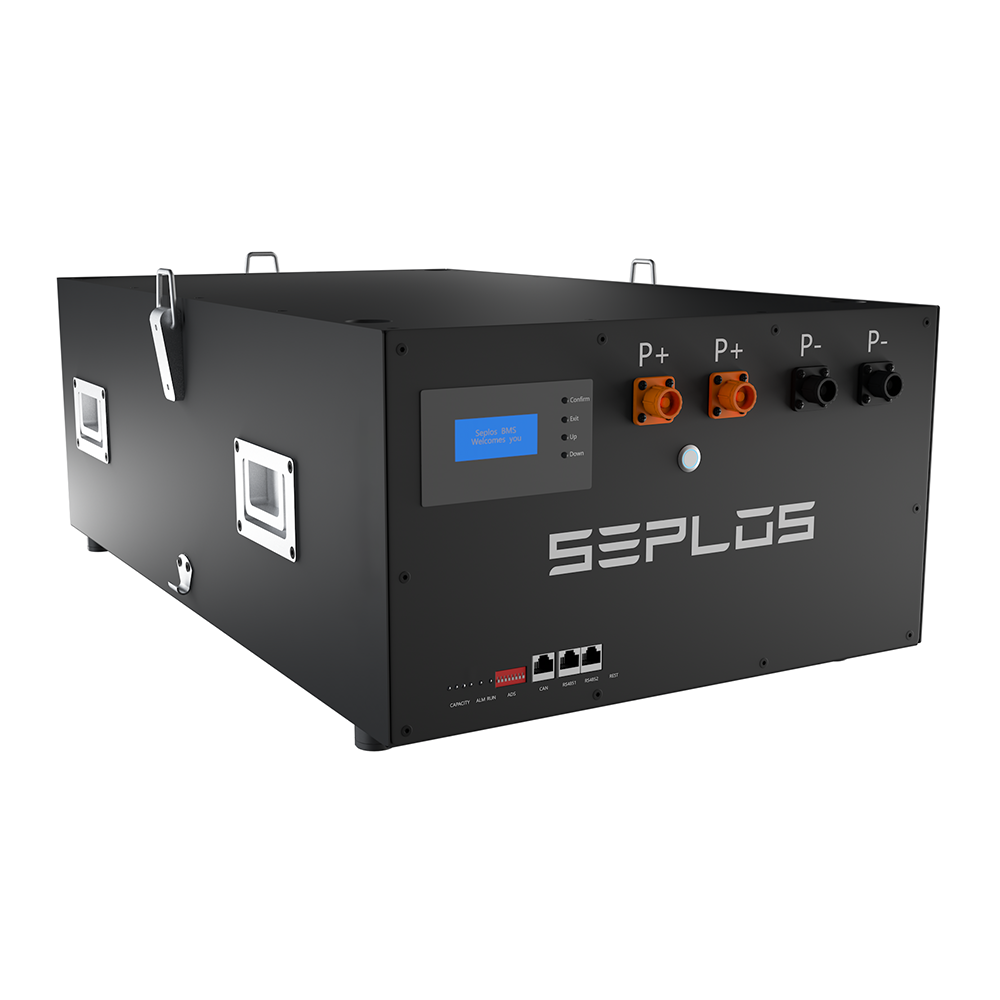
Selecting the right home energy storage system requires careful evaluation of your household's specific energy consumption patterns, backup power requirements, and long-term financial goals. Modern homeowners face increasingly complex decisions when integrating renewable energy solutions with reliable backup systems that can maintain essential functions during outages while optimizing electricity costs through strategic energy management.
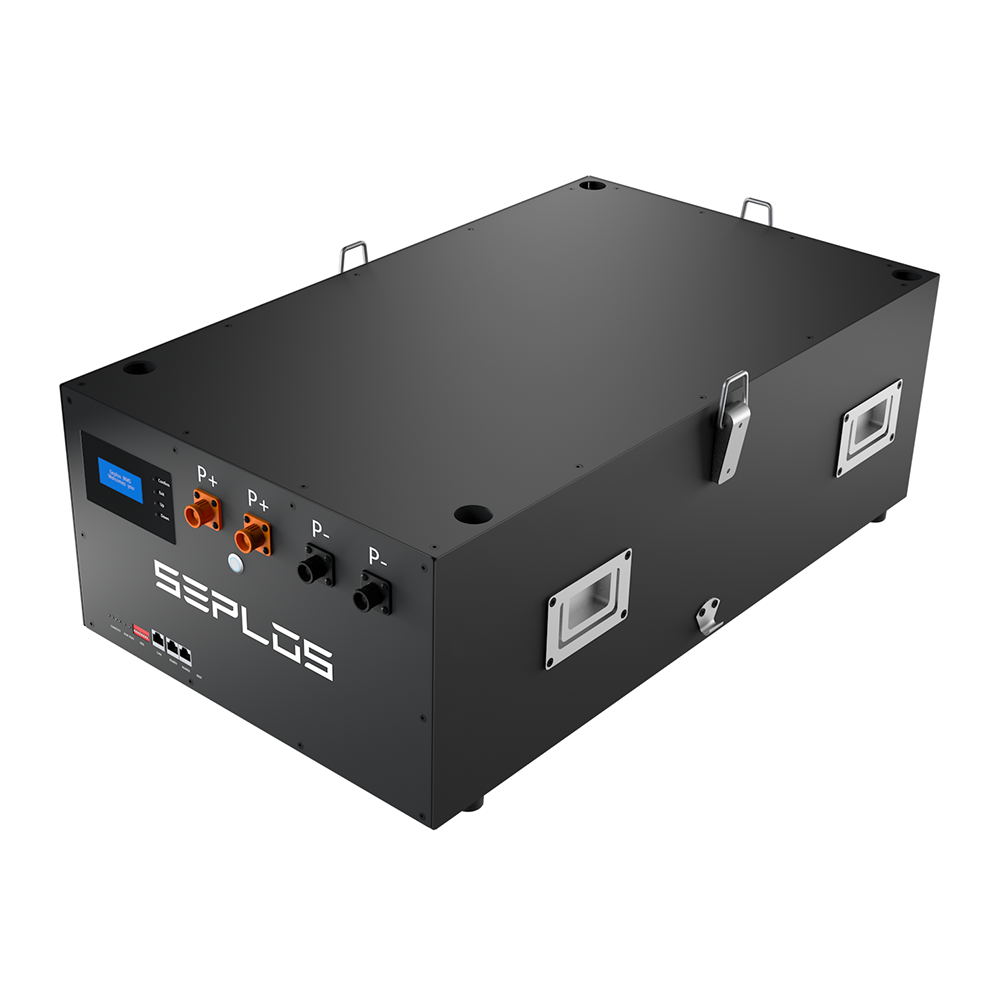
The process of choosing an appropriate home energy storage solution involves analyzing multiple technical and practical factors including battery capacity requirements, power output capabilities, installation considerations, and compatibility with existing solar panels or electrical systems. Understanding these fundamental elements enables homeowners to make informed decisions that deliver optimal performance, safety, and return on investment for their unique circumstances.
Understanding Your Energy Consumption Requirements
Calculating Daily Energy Usage Patterns
Accurate assessment of your household's daily energy consumption forms the foundation for selecting an appropriately sized home energy storage system. Review twelve months of electricity bills to identify seasonal variations, peak usage periods, and average daily kilowatt-hour consumption. Most residential properties consume between 20-40 kWh daily, though this varies significantly based on home size, appliance efficiency, heating and cooling systems, and occupancy patterns.
Essential appliances that require backup power during outages typically include refrigeration units, lighting systems, communication devices, medical equipment, and heating or cooling systems. Calculate the combined power requirements of these critical loads to determine minimum capacity needs for your home energy storage system. Consider both continuous power requirements and surge capacity needed for motor-driven appliances during startup.
Smart home monitoring systems provide detailed insights into real-time energy consumption patterns, helping identify opportunities for optimization and more precise sizing calculations. These systems track individual circuit usage, identify energy-intensive appliances, and reveal consumption trends that inform storage system specifications and operational strategies.
Identifying Backup Power Priorities
Establishing clear priorities for backup power allocation helps optimize home energy storage system configuration and ensures critical functions remain operational during extended outages. Create a tiered list ranking essential appliances and systems based on importance, with life-safety equipment and medical devices receiving highest priority, followed by refrigeration, communication, and comfort systems.
Consider the duration of backup power needed based on historical outage patterns in your area and personal risk tolerance. Some homeowners require only a few hours of backup power for brief interruptions, while others in areas prone to severe weather may need multiple days of autonomous operation. Your home energy storage capacity should align with these backup duration requirements while maintaining reasonable cost considerations.
Evaluate whether whole-home backup or selective circuit backup better serves your needs and budget. Whole-home systems provide seamless operation of all electrical circuits but require significantly larger capacity and higher investment. Selective backup systems focus on predetermined critical circuits, offering more cost-effective protection for essential functions while reducing overall system complexity.
Battery Technology and Capacity Considerations
Comparing Battery Chemistry Options
Lithium iron phosphate (LiFePO4) batteries have emerged as the preferred technology for home energy storage applications due to their superior safety characteristics, extended cycle life, and stable performance across wide temperature ranges. These batteries typically provide 6,000-10,000 cycles at 80% depth of discharge, translating to 15-20 years of reliable service under normal operating conditions.
Lead-acid batteries remain a cost-effective option for budget-conscious installations, though they require more frequent replacement and careful maintenance to achieve optimal performance. These systems typically deliver 1,500-3,000 cycles and require regular monitoring of electrolyte levels, terminal connections, and charging parameters to prevent premature failure or safety issues.
Advanced lithium-ion variants offer high energy density and rapid charging capabilities but may require more sophisticated battery management systems to ensure safe operation. When evaluating battery technologies for your Home Energy Storage system, consider total cost of ownership including replacement intervals, maintenance requirements, and performance degradation over time.
Determining Optimal Storage Capacity
Right-sizing your home energy storage capacity requires balancing backup power needs, solar energy utilization, and economic considerations. A common starting point involves calculating 1-3 days of essential load coverage, then adjusting based on solar generation potential and grid electricity pricing structures in your area.
Modular battery systems offer flexibility to start with basic capacity and expand as needs evolve or budgets allow. Stackable designs enable homeowners to begin with smaller installations and add capacity incrementally based on actual usage patterns and changing energy requirements. This approach reduces initial investment while maintaining upgrade pathways for future expansion.
Consider seasonal variations in both energy consumption and solar generation when determining capacity requirements. Winter months typically feature increased heating loads and reduced solar production, potentially requiring larger storage capacity to maintain desired backup duration and energy independence levels.
System Integration and Installation Requirements
Solar Panel Compatibility and Sizing
Successful home energy storage integration depends on proper coordination between solar panel capacity, inverter specifications, and battery storage requirements. Solar arrays should generate sufficient energy to meet daily consumption needs while providing excess capacity to recharge the storage system for nighttime use and backup power applications.
AC-coupled systems connect storage batteries through dedicated inverters that interface with existing solar installations, offering flexibility and simplified integration with established solar arrays. DC-coupled configurations connect batteries directly to solar charge controllers, providing higher efficiency for new installations but requiring more comprehensive system redesign for existing solar properties.
Evaluate your property's solar potential considering roof orientation, shading patterns, and local climate conditions to ensure adequate renewable energy generation supports your home energy storage goals. Professional site assessments help optimize panel placement and system sizing for maximum energy production and storage utilization.
Electrical Infrastructure and Safety Requirements
Home energy storage installations require proper electrical infrastructure including dedicated circuits, appropriate disconnect switches, and safety equipment that meets local building codes and utility interconnection standards. Professional installation ensures compliance with National Electrical Code requirements and local regulations while maintaining optimal system performance and safety.
Consider the physical installation location for battery systems, evaluating factors such as temperature control, ventilation requirements, accessibility for maintenance, and protection from environmental hazards. Indoor installations offer better temperature control and security but may require additional ventilation, while outdoor installations need weatherproof enclosures and temperature management systems.
Grid-tie capabilities enable seamless transition between utility power, solar generation, and battery storage while providing options for energy arbitrage and grid services participation. Advanced inverter systems offer grid support functions including frequency regulation, voltage support, and demand response capabilities that may provide additional revenue opportunities.
Economic Evaluation and Financial Considerations
Analyzing Return on Investment Factors
Home energy storage system economics depend on multiple variables including electricity rates, time-of-use pricing structures, net metering policies, and available incentives. Calculate potential savings from peak demand reduction, energy arbitrage opportunities, and backup power value to determine overall financial benefits and payback periods.
Time-of-use electricity pricing creates opportunities to store low-cost off-peak energy and discharge during expensive peak periods, potentially reducing monthly electricity costs by 20-40% depending on rate structures and usage patterns. Demand charge reduction benefits apply primarily to commercial properties but may affect residential customers with exceptionally high peak consumption.
Factor in the value of backup power reliability, considering potential losses from food spoilage, business interruption, medical equipment requirements, and comfort during extended outages. While difficult to quantify precisely, these benefits often justify home energy storage investments even when pure energy arbitrage savings appear marginal.
Available Incentives and Financing Options
Federal tax credits, state rebates, and utility incentive programs significantly improve home energy storage system economics. The federal investment tax credit currently provides 30% cost reduction for qualified installations, while many states offer additional rebates ranging from $500-5,000 per system depending on capacity and local program availability.
Financing options include traditional home improvement loans, solar-specific financing programs, and lease arrangements that reduce upfront costs while providing immediate energy benefits. Compare financing terms carefully, considering interest rates, payment schedules, and ownership implications for tax credit eligibility and system maintenance responsibilities.
Utility programs increasingly offer virtual power plant participation opportunities where home energy storage systems provide grid services in exchange for monthly payments or reduced electricity rates. These programs can provide additional revenue streams that improve overall investment returns while supporting grid stability and renewable energy integration.
FAQ
How much does a typical home energy storage system cost?
Home energy storage system costs typically range from $10,000-30,000 for complete installations, depending on capacity requirements, battery technology, and installation complexity. Basic 10-15 kWh systems suitable for essential backup loads start around $12,000-18,000 including installation, while larger whole-home systems may exceed $25,000. Federal tax credits and state incentives can reduce these costs by 30-50% in many areas.
What maintenance is required for home energy storage batteries?
Modern lithium-based home energy storage systems require minimal maintenance, typically involving annual visual inspections, software updates, and basic cleaning of ventilation areas. Advanced battery management systems monitor cell performance automatically and provide alerts for any issues requiring attention. Most manufacturers recommend professional inspections every 2-3 years to ensure optimal performance and warranty compliance.
Can I add energy storage to my existing solar panel system?
Yes, home energy storage can be added to most existing solar installations through AC-coupled configurations that integrate with your current inverter setup. This retrofit approach typically requires additional equipment including a battery inverter and monitoring system, but preserves your existing solar investment while adding backup power and energy management capabilities. Professional evaluation ensures compatibility and optimal system performance.
How long will a home energy storage system provide backup power?
Backup power duration depends on battery capacity and connected load requirements. A typical 15 kWh system can power essential appliances for 12-24 hours, while larger 25-30 kWh systems may provide 2-3 days of backup power for critical loads. Combining storage with solar panels extends backup duration indefinitely during sunny conditions, making home energy storage systems particularly effective for extended outages in areas with adequate solar resources.