EN
EN



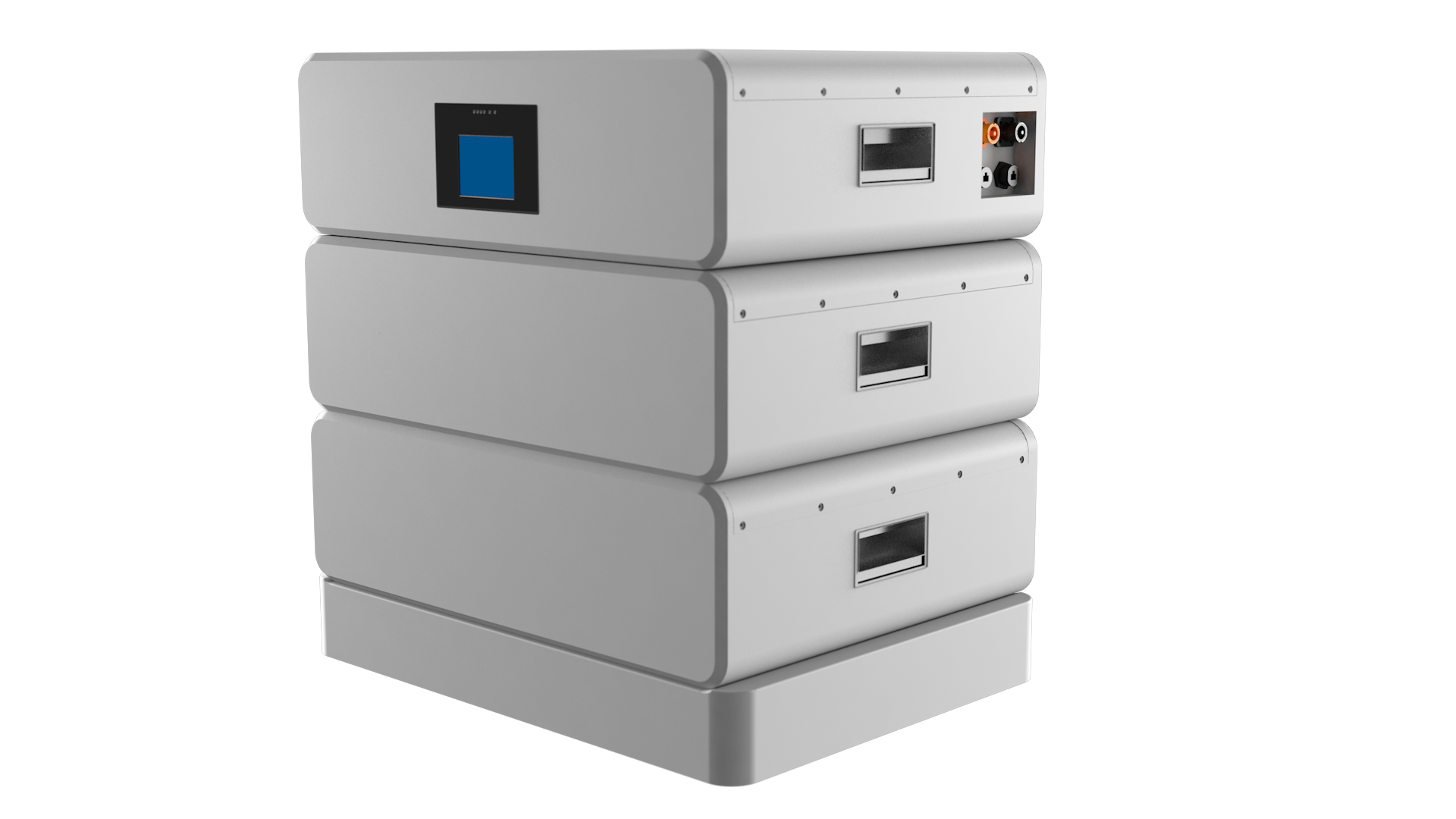
When evaluating an energy storage system for commercial or industrial applications, understanding the critical features that define performance, safety, and long-term value becomes essential for making informed investment decisions. Modern energy storage technologies have evolved significantly, offering sophisticated capabilities that extend far beyond basic battery functionality to deliver comprehensive grid-level solutions that support renewable energy integration, demand management, and operational resilience.
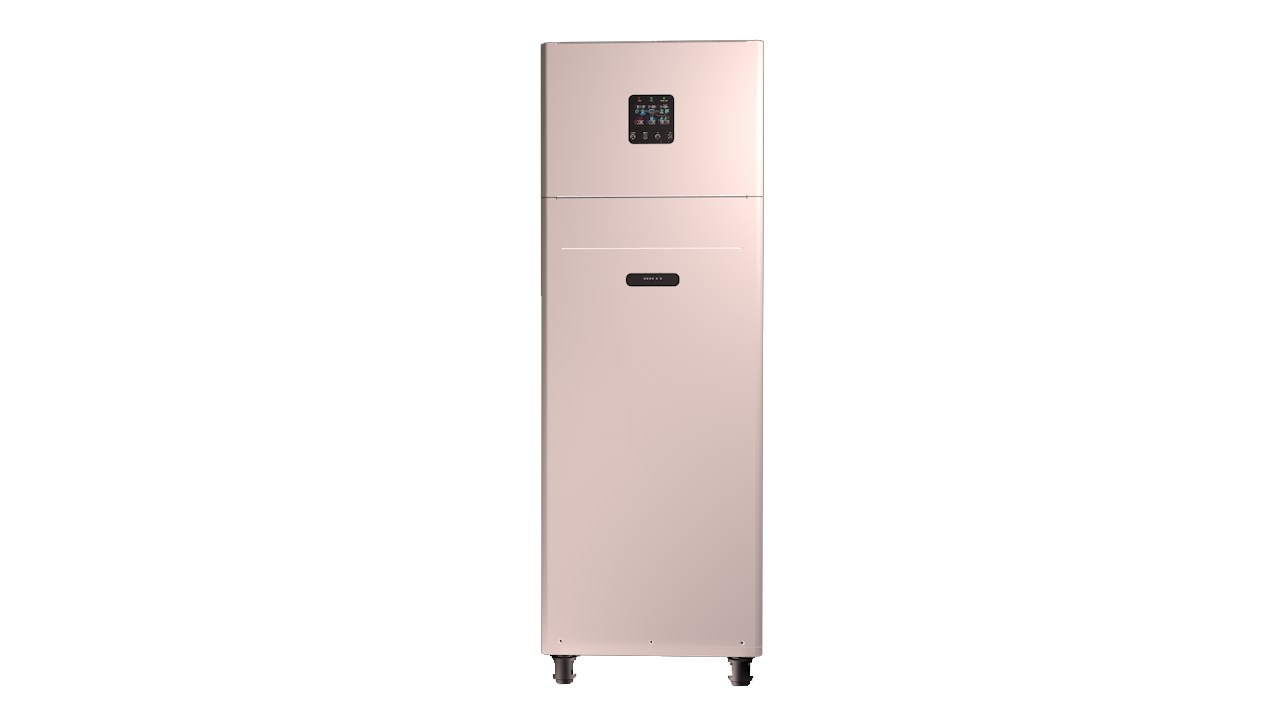
The selection of an appropriate energy storage system requires careful analysis of multiple technical specifications, operational requirements, and environmental considerations that directly impact system performance and return on investment. From battery chemistry and cycle life to thermal management and safety protocols, each feature contributes to the overall effectiveness of the storage solution in meeting specific application demands while ensuring reliable operation across varying conditions and usage patterns.
Battery Technology and Chemistry Considerations
Lithium-Ion Battery Performance Characteristics
The foundation of any modern energy storage system lies in its battery chemistry, with lithium-ion technology representing the current standard for commercial applications due to its superior energy density, cycle life, and efficiency characteristics. Lithium iron phosphate (LiFePO4) chemistry has emerged as particularly well-suited for stationary storage applications, offering enhanced thermal stability, longer cycle life, and improved safety profiles compared to other lithium-ion variants.
Energy density specifications directly influence the physical footprint and installation requirements of an energy storage system, with higher density units enabling more compact installations while maintaining required capacity levels. Modern commercial systems typically achieve energy densities ranging from 150 to 250 watt-hours per kilogram, allowing for efficient space utilization in industrial facilities where real estate costs represent significant operational considerations.
Round-trip efficiency ratings indicate how much energy can be recovered from the storage system relative to the amount initially stored, with high-quality units achieving efficiency levels of 95% or higher. This efficiency metric becomes particularly important in applications where frequent charging and discharging cycles occur, as even small efficiency losses can accumulate into substantial energy and cost penalties over extended operating periods.
Cycle Life and Degradation Patterns
Cycle life specifications define the expected operational lifespan of an energy storage system, typically expressed as the number of complete charge-discharge cycles the system can perform while maintaining a specified percentage of original capacity. Commercial-grade systems often provide cycle life ratings of 6,000 to 10,000 cycles at 80% depth of discharge, translating to operational lifespans of 15 to 20 years under typical usage patterns.
Understanding degradation patterns helps predict long-term performance characteristics and maintenance requirements for the energy storage system throughout its operational life. Linear degradation models provide predictable capacity reduction rates, while calendar aging effects must be considered for applications with irregular usage patterns or extended standby periods that can impact overall system longevity.
Temperature effects on cycle life represent a critical consideration, as elevated operating temperatures can significantly accelerate degradation processes and reduce the effective lifespan of the storage system. Advanced thermal management systems help maintain optimal operating temperatures, preserving cycle life performance and ensuring consistent operation across varying ambient conditions.
Power and Capacity Specifications
Energy Capacity and Scalability Options
Energy capacity ratings determine the total amount of electrical energy an energy storage system can store and deliver, typically expressed in kilowatt-hours (kWh) or megawatt-hours (MWh) for larger installations. Commercial systems range from small-scale units providing 50 kWh to large-scale installations exceeding 1 MWh, with modular designs enabling scalable configurations that can grow with changing operational requirements.
Modular architecture allows for incremental capacity expansion without requiring complete system replacement, providing flexibility for facilities with evolving energy storage needs or phased implementation strategies. This scalability feature enables organizations to optimize initial capital investments while maintaining options for future capacity increases as operational requirements or economic conditions change.
Usable capacity specifications indicate the practical energy available for discharge under normal operating conditions, accounting for battery management system constraints and safety margins that preserve system longevity. Understanding the relationship between nameplate capacity and usable capacity helps ensure accurate system sizing and performance expectations for specific applications.
Power Output and Response Characteristics
Power output ratings define the maximum electrical power an energy storage system can deliver instantaneously, typically expressed in kilowatts (kW) or megawatts (MW) depending on system scale. The power-to-energy ratio determines how quickly the stored energy can be discharged, with some applications requiring high power output for short durations while others prioritize sustained output over extended periods.
Response time characteristics indicate how quickly the energy storage system can transition from standby mode to full output operation, with modern systems capable of responding within milliseconds to support critical loads or grid stabilization functions. Fast response capabilities enable participation in frequency regulation services and provide enhanced protection for sensitive equipment during power quality events.
Continuous versus peak power ratings distinguish between sustained output capabilities and short-term surge capacity, helping ensure proper system sizing for applications with varying load profiles. Understanding these power characteristics enables optimal system configuration for specific operational requirements while avoiding oversizing that increases unnecessary costs.
Safety and Protection Features
Battery Management System Capabilities
Advanced battery management systems (BMS) provide comprehensive monitoring and control functions that ensure safe operation of the energy storage system under all operating conditions. These sophisticated systems continuously monitor individual cell voltages, temperatures, and current flows while implementing protective actions to prevent dangerous operating conditions such as overcharging, over-discharging, or thermal runaway events.
Cell balancing functions within the BMS help maintain uniform charge states across all battery cells, preventing capacity imbalances that can reduce system performance and lifespan. Active balancing systems provide superior performance compared to passive designs by redistributing energy between cells rather than simply dissipating excess charge as heat, improving overall system efficiency and longevity.
Diagnostic capabilities enable early detection of potential issues within the energy storage system, providing predictive maintenance alerts that help prevent unexpected failures and optimize maintenance scheduling. Advanced BMS platforms offer detailed logging and analysis functions that support performance optimization and warranty compliance documentation.
Fire Suppression and Containment Systems
Fire suppression systems represent a critical safety feature for large-scale energy storage installations, providing automated detection and suppression capabilities specifically designed for lithium-ion battery fires. Clean agent suppression systems offer effective fire control without damaging sensitive electronic components, while aerosol-based systems provide cost-effective protection for smaller installations.
Thermal barrier systems help contain potential fire events within individual battery modules or racks, preventing fire propagation throughout the energy storage system. These passive protection measures work in conjunction with active suppression systems to provide multiple layers of fire safety protection that meet stringent safety standards and insurance requirements.
Ventilation and gas detection systems monitor for potentially hazardous gas emissions that can occur during certain battery failure modes, providing early warning and automatic ventilation activation to maintain safe operating environments. These systems integrate with facility safety protocols to ensure comprehensive protection for personnel and equipment.
Environmental and Installation Considerations
Operating Temperature Range and Thermal Management
Operating temperature specifications define the environmental conditions under which an energy storage system can function safely and effectively, with most commercial systems designed for operation within temperature ranges of -20°C to +60°C. Thermal management systems maintain optimal operating temperatures through active cooling and heating systems that respond to ambient conditions and internal heat generation during charge and discharge cycles.
HVAC integration capabilities allow the energy storage system thermal management to coordinate with facility climate control systems, optimizing overall energy efficiency while maintaining required operating conditions. Advanced thermal management systems can utilize waste heat for facility heating applications or implement heat recovery systems that improve overall system efficiency.
Humidity and altitude specifications determine installation suitability for various geographic locations and facility conditions. Marine-grade or industrial-rated enclosures provide enhanced protection against corrosive environments, while altitude derating considerations ensure proper performance at elevated installations where reduced air density affects cooling effectiveness.
Enclosure Design and Protection Ratings
Ingress protection (IP) ratings indicate the level of protection provided by the energy storage system enclosure against dust and moisture intrusion, with IP54 or higher ratings recommended for most commercial installations. These protection standards ensure reliable operation in industrial environments where dust, moisture, or other contaminants might otherwise compromise system performance or safety.
Seismic qualification standards ensure the energy storage system can withstand earthquake forces and maintain structural integrity during seismic events. These certifications become particularly important for installations in seismically active regions where building codes require specific seismic resistance capabilities for critical infrastructure components.
EMI shielding and electromagnetic compatibility features prevent interference with sensitive electronic equipment while ensuring the storage system itself remains unaffected by external electromagnetic disturbances. These design considerations become increasingly important in industrial environments with high levels of electrical noise or sensitive control systems that require clean electromagnetic environments.
Integration and Communication Protocols
Grid Interface and Power Electronics
Power conversion systems within the energy storage system manage the interface between DC battery power and AC grid connections, incorporating sophisticated inverter technology that provides high efficiency power conversion with advanced grid support functions. Modern power electronics enable bidirectional power flow with power factor control, harmonic filtering, and grid stabilization capabilities that enhance overall power quality.
Grid code compliance ensures the energy storage system meets specific utility interconnection requirements and can provide ancillary services such as frequency regulation, voltage support, and reactive power compensation. These capabilities enable revenue generation through participation in utility programs while supporting grid stability and reliability.
Islanding protection and grid synchronization functions ensure safe operation during grid disturbances while enabling seamless reconnection when grid conditions normalize. Advanced grid interface systems can detect and respond to grid events within milliseconds, providing enhanced protection for connected loads and supporting overall grid resilience.
Communication and Control Integration
SCADA integration capabilities allow the energy storage system to communicate with facility management systems and utility control centers, providing real-time operational data and enabling remote monitoring and control functions. Standard communication protocols such as Modbus, DNP3, and IEC 61850 ensure compatibility with existing control infrastructure and future system expansions.
Cybersecurity features protect the energy storage system from potential cyber threats while maintaining necessary communication functions for operation and monitoring. These security measures include encrypted communications, access controls, and intrusion detection systems that meet industrial cybersecurity standards and utility requirements.
Remote monitoring capabilities enable off-site technical support and predictive maintenance services that can optimize system performance and identify potential issues before they impact operations. Cloud-based monitoring platforms provide comprehensive analytics and reporting functions that support operational optimization and regulatory compliance documentation.
FAQ
What is the typical lifespan of a commercial energy storage system?
A well-designed commercial energy storage system typically operates for 15 to 20 years, depending on usage patterns, environmental conditions, and maintenance practices. Cycle life ratings of 6,000 to 10,000 cycles at 80% depth of discharge translate to these operational lifespans under normal commercial applications, while proper thermal management and regular maintenance can extend system life beyond these specifications.
How do environmental conditions affect energy storage system performance?
Environmental conditions significantly impact energy storage system performance, with temperature being the most critical factor affecting both capacity and cycle life. Operating temperatures outside optimal ranges can reduce available capacity by 10-20% and accelerate degradation processes, while humidity, altitude, and contamination levels influence cooling effectiveness and component reliability. Proper thermal management and environmental protection measures help maintain optimal performance across varying conditions.
What safety certifications should I look for in an energy storage system?
Key safety certifications for energy storage systems include UL 9540 for overall system safety, UL 9540A for thermal runaway fire propagation testing, and IEC 62619 for battery safety standards. Additionally, look for IEEE 1547 compliance for grid interconnection, seismic certification for earthquake-prone areas, and appropriate IP ratings for environmental protection. These certifications ensure the system meets recognized safety standards and regulatory requirements.
How does an energy storage system integrate with existing electrical infrastructure?
Energy storage systems integrate with existing electrical infrastructure through sophisticated power conversion equipment that manages the interface between DC battery storage and AC electrical systems. Modern systems include grid-tie inverters with advanced control capabilities, protection systems that ensure safe operation during grid disturbances, and communication interfaces that enable coordination with facility management systems and utility networks. Professional engineering assessment ensures proper integration with existing electrical systems and compliance with applicable codes and standards.
Table of Contents
- Battery Technology and Chemistry Considerations
- Power and Capacity Specifications
- Safety and Protection Features
- Environmental and Installation Considerations
- Integration and Communication Protocols
-
FAQ
- What is the typical lifespan of a commercial energy storage system?
- How do environmental conditions affect energy storage system performance?
- What safety certifications should I look for in an energy storage system?
- How does an energy storage system integrate with existing electrical infrastructure?