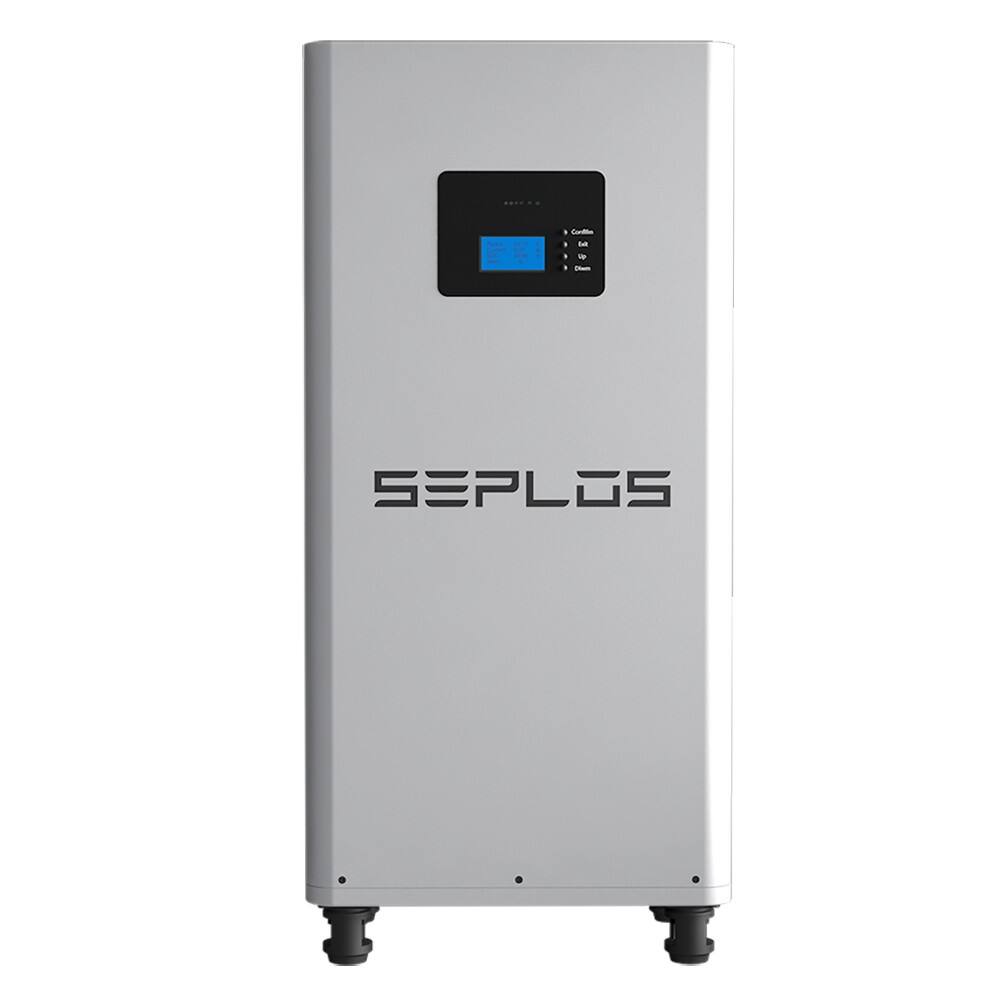
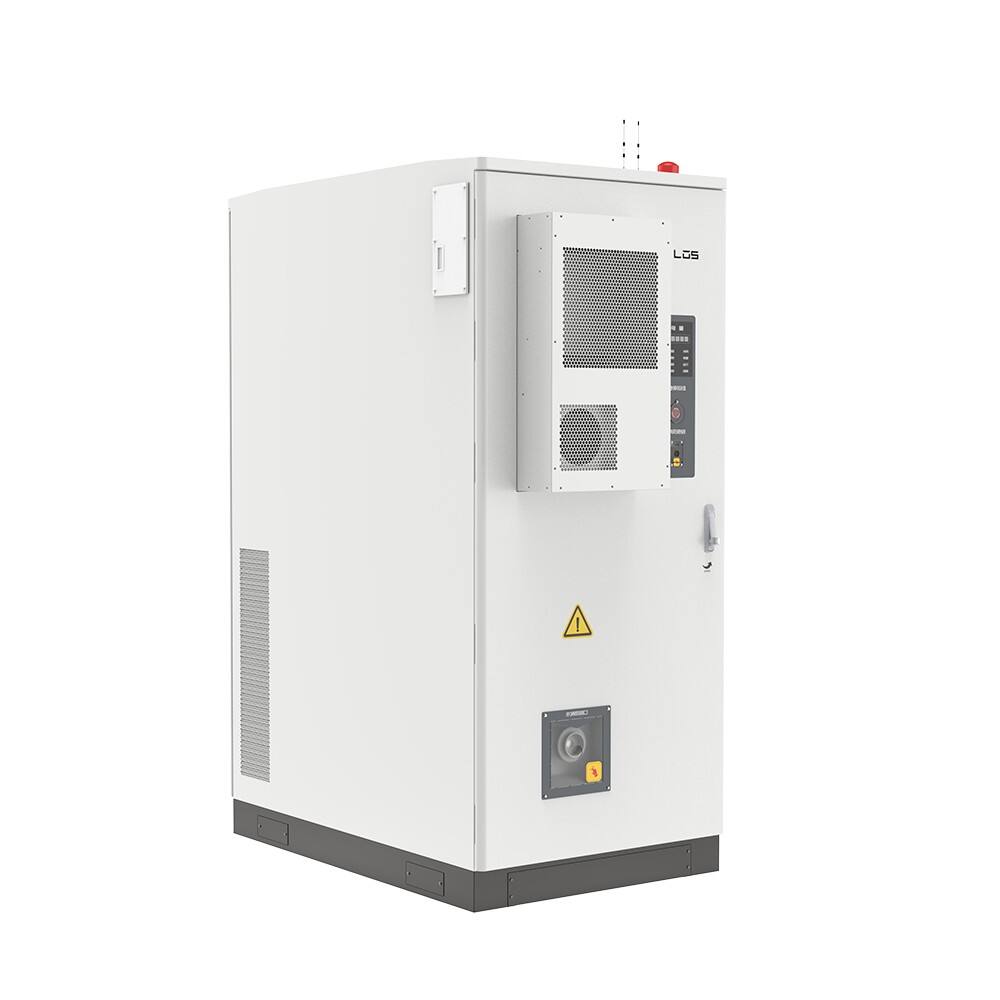
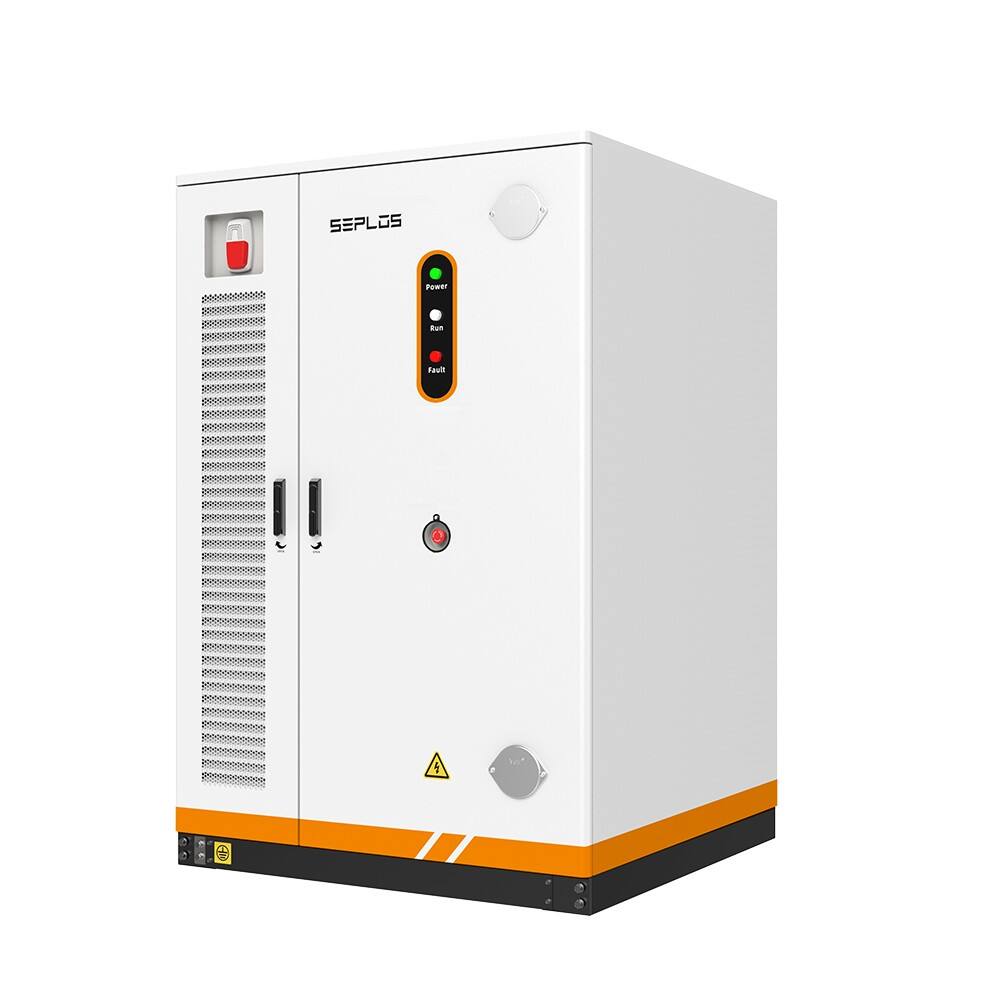
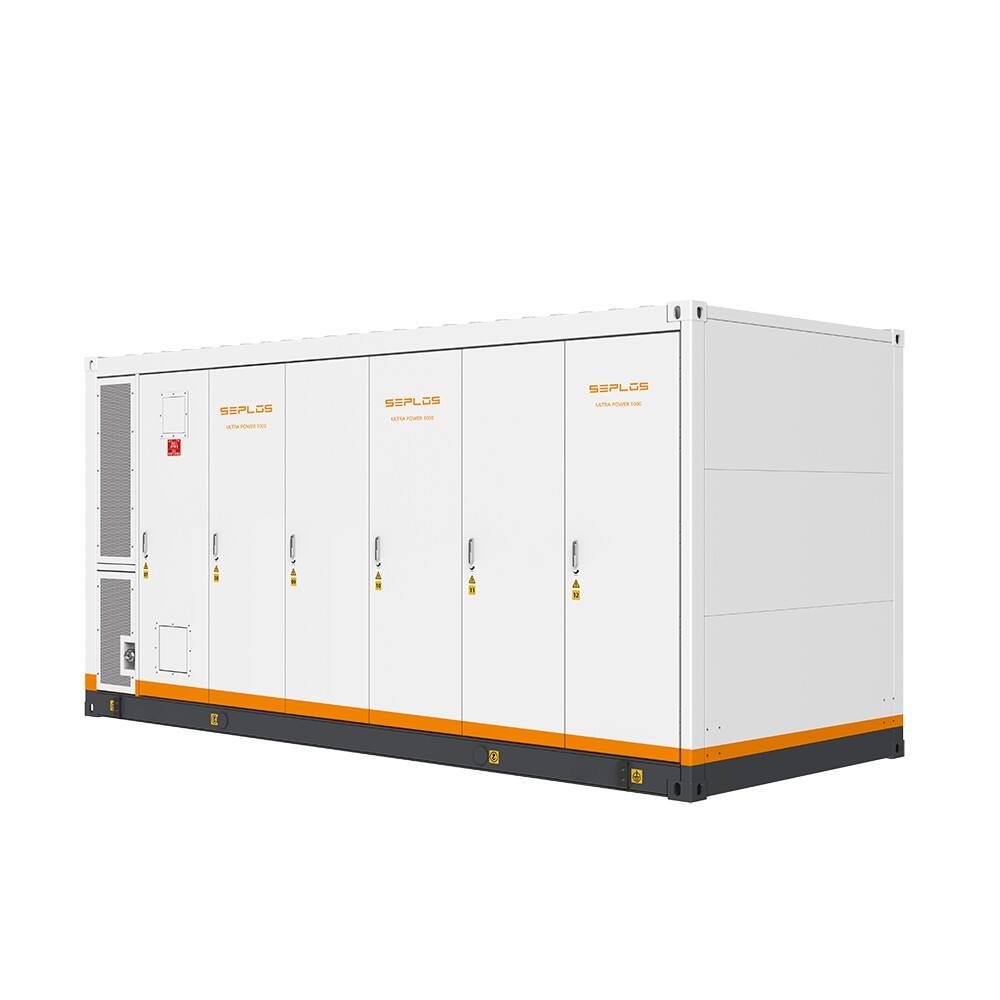
Lithium Iron Phosphate Rechargeable Batteries: Advanced, Safe, and Sustainable Energy Storage Solution

Get a Free Quote

Our representative will contact you soon.
Email
Name
Company Name
Message
0/1000

lithium iron phosphate rechargeable battery

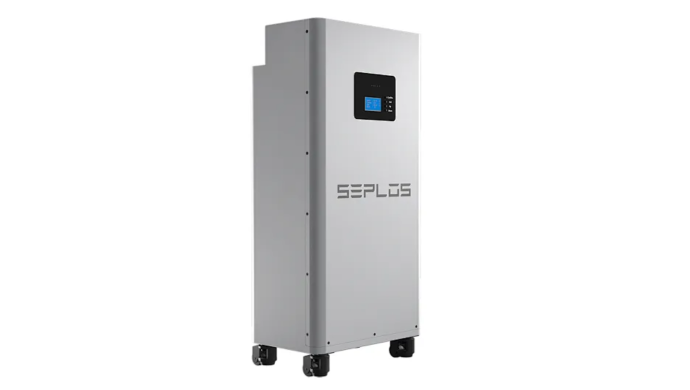
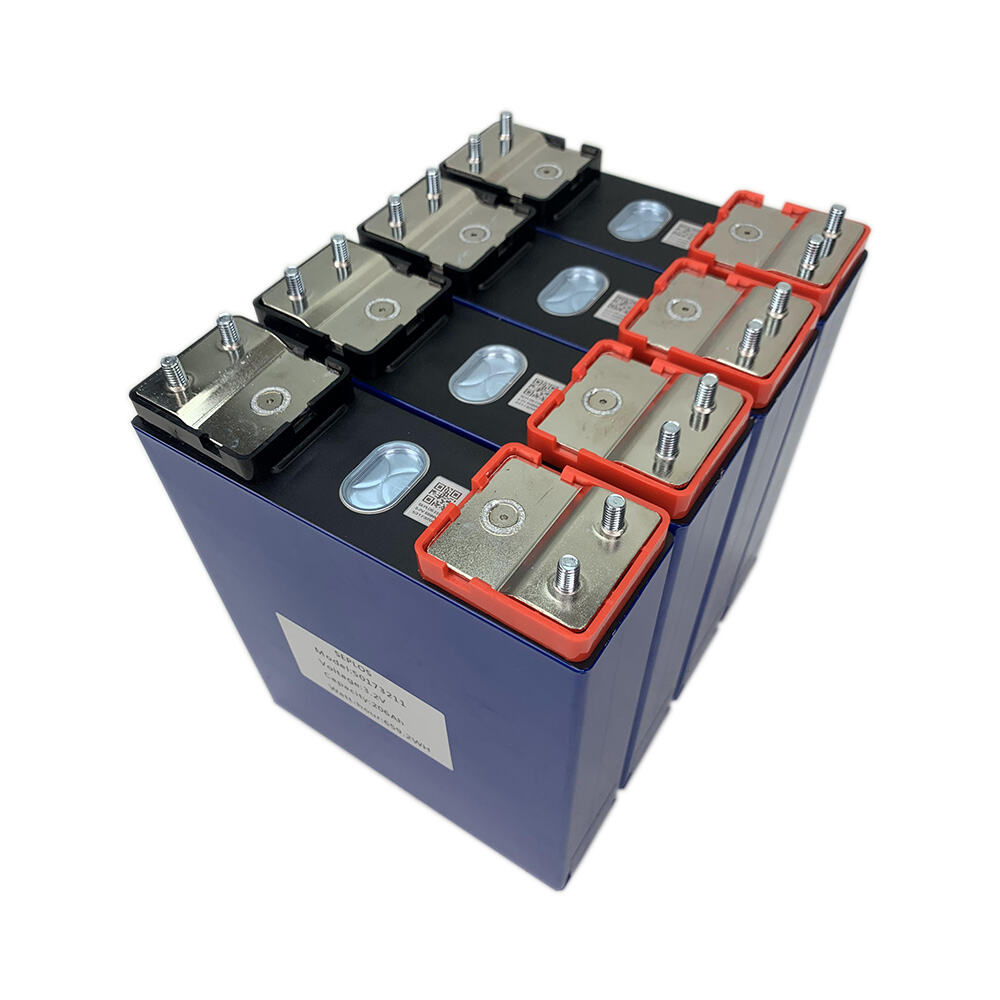
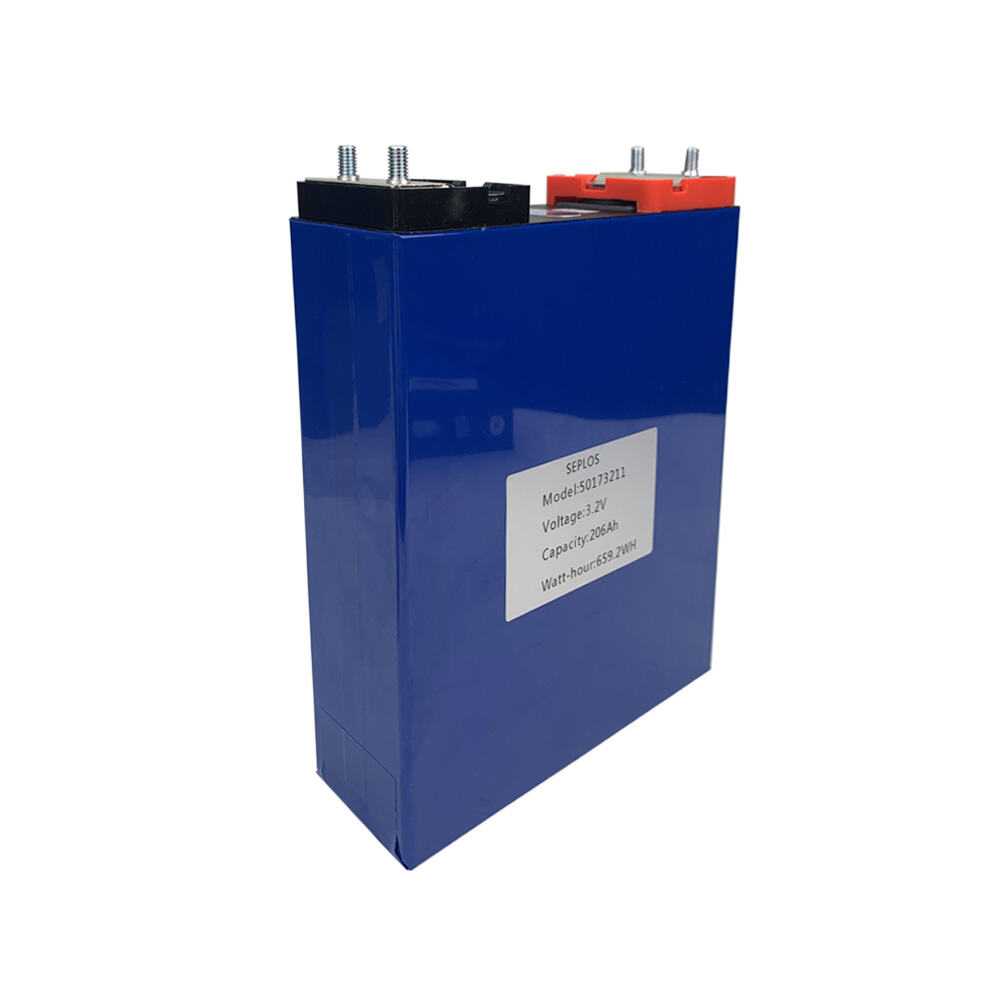
Lithium iron phosphate (LiFePO4) rechargeable batteries represent a groundbreaking advancement in energy storage technology, offering a sophisticated solution for various applications. These batteries utilize iron phosphate as the cathode material, combined with a lithium-based chemistry, resulting in exceptional stability and safety characteristics. The battery's core technology involves the intercalation of lithium ions between the anode and cathode, facilitated by a specialized electrolyte solution. This chemical process enables efficient energy storage and release while maintaining structural integrity over numerous charge cycles. The battery's robust design incorporates multiple safety features, including thermal stability up to 500°C and resistance to thermal runaway. With a typical voltage of 3.2V per cell and energy densities ranging from 90-120Wh/kg, these batteries excel in applications requiring long cycle life and consistent performance. They are particularly well-suited for renewable energy storage, electric vehicles, and industrial applications where reliability and safety are paramount. The technology's inherent stability also eliminates the need for complex battery management systems, though basic monitoring is still recommended for optimal performance.
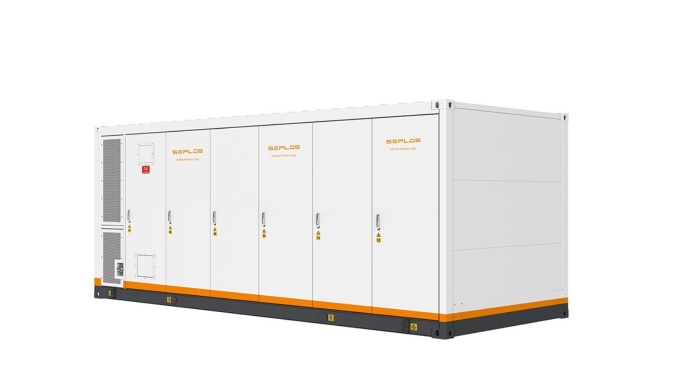
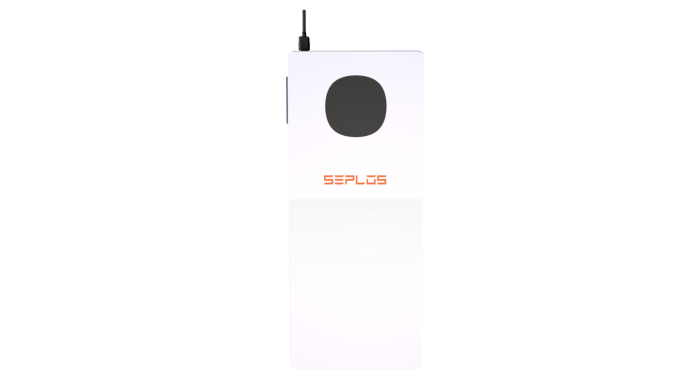
New Product Recommendations

Lithium iron phosphate rechargeable batteries offer numerous compelling advantages that set them apart in the energy storage market. First and foremost, their exceptional safety profile makes them ideal for applications where reliability is crucial. Unlike traditional lithium-ion batteries, these batteries remain stable even under severe conditions, significantly reducing the risk of thermal runaway or fire. The long cycle life is another standout feature, with many units capable of maintaining over 80% capacity after 2000-3000 charge cycles, far exceeding conventional battery technologies. This translates to lower replacement costs and reduced environmental impact over time. Environmental considerations are further enhanced by the use of phosphate, which is more abundant and environmentally friendly than cobalt-based alternatives. The batteries maintain consistent performance across a wide temperature range, making them suitable for both indoor and outdoor applications. Their flat discharge curve ensures stable voltage output throughout the discharge cycle, providing reliable power delivery for sensitive equipment. The absence of memory effect means users can charge the battery at any time without capacity degradation. These batteries also demonstrate excellent load performance, capable of handling high discharge rates while maintaining efficiency. The combination of these advantages makes lithium iron phosphate batteries particularly cost-effective in the long term, despite a potentially higher initial investment. Their durability and reliability significantly reduce maintenance requirements and extend service intervals, resulting in lower total ownership costs.

Latest News

Commercial Energy Storage Solutions for Industry and Remote Communities: Powering the Future with Intelligence and Resilience

29

Oct

Commercial Energy Storage Solutions for Industry and Remote Communities: Powering the Future with Intelligence and Resilience

View More
Why All-in-One Energy Storage Solutions Are Becoming Popular Among Homeowners

29

Oct

Why All-in-One Energy Storage Solutions Are Becoming Popular Among Homeowners

View More
What Is the Best Energy Storage Solution for Your Home?

29

Oct

What Is the Best Energy Storage Solution for Your Home?

View More

Get a Free Quote

Our representative will contact you soon.
Email
Name
Company Name
Message
0/1000

lithium iron phosphate rechargeable battery

Superior Safety and Stability

Superior Safety and Stability

The paramount feature of lithium iron phosphate batteries lies in their unparalleled safety characteristics. The unique molecular structure of the iron phosphate cathode creates inherent stability that prevents oxygen release during extreme conditions, virtually eliminating the risk of thermal runaway. This safety feature is particularly crucial in high-stakes applications where battery failure could have serious consequences. The chemistry remains stable up to temperatures of 500°C, far exceeding the thermal limits of traditional lithium-ion batteries. Additionally, the battery's ability to withstand physical stress and impact makes it ideal for mobile applications where vibration and movement are common. The phosphate-based chemistry also eliminates the risk of combustion even in cases of severe overcharge or short circuits, providing peace of mind for users in various environments.
Extended Lifespan and Reliability

Extended Lifespan and Reliability

The exceptional longevity of lithium iron phosphate batteries sets a new standard in rechargeable energy storage. These batteries consistently demonstrate cycle lives exceeding 2000 complete charge-discharge cycles while maintaining over 80% of their original capacity. This remarkable durability is achieved through the stable crystal structure of the cathode material, which prevents degradation during repeated lithium ion insertion and extraction. The absence of cobalt in the chemistry not only makes the battery more environmentally friendly but also contributes to its structural stability over time. The consistent performance throughout the battery's lifespan ensures predictable power delivery and reliable operation, making it an ideal choice for critical applications where unexpected failures cannot be tolerated.
Cost-Effective Performance

Cost-Effective Performance

While the initial investment in lithium iron phosphate battery technology may be higher than some alternatives, the long-term economic benefits are substantial. The extended cycle life significantly reduces the frequency of battery replacements, leading to lower total ownership costs over time. The stable chemistry requires minimal maintenance and eliminates the need for complex battery management systems, reducing operational expenses. The batteries' efficient energy conversion and low self-discharge rate contribute to improved energy efficiency and reduced power costs. Additionally, the robust construction and reliable performance minimize downtime and associated costs in commercial applications. The technology's scalability also allows for cost-effective implementation in both small-scale and large-scale energy storage solutions.

Get a Free Quote

Our representative will contact you soon.
Email
Name
Company Name
Message
0/1000