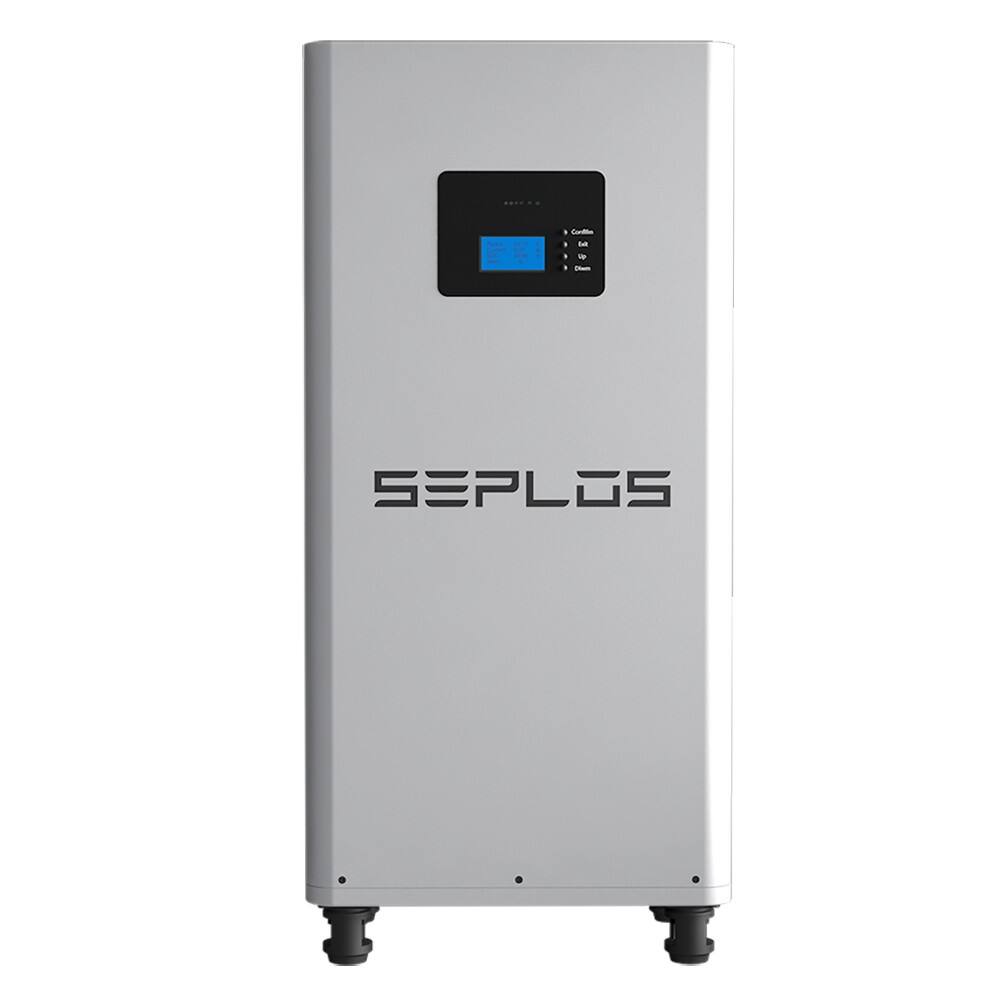
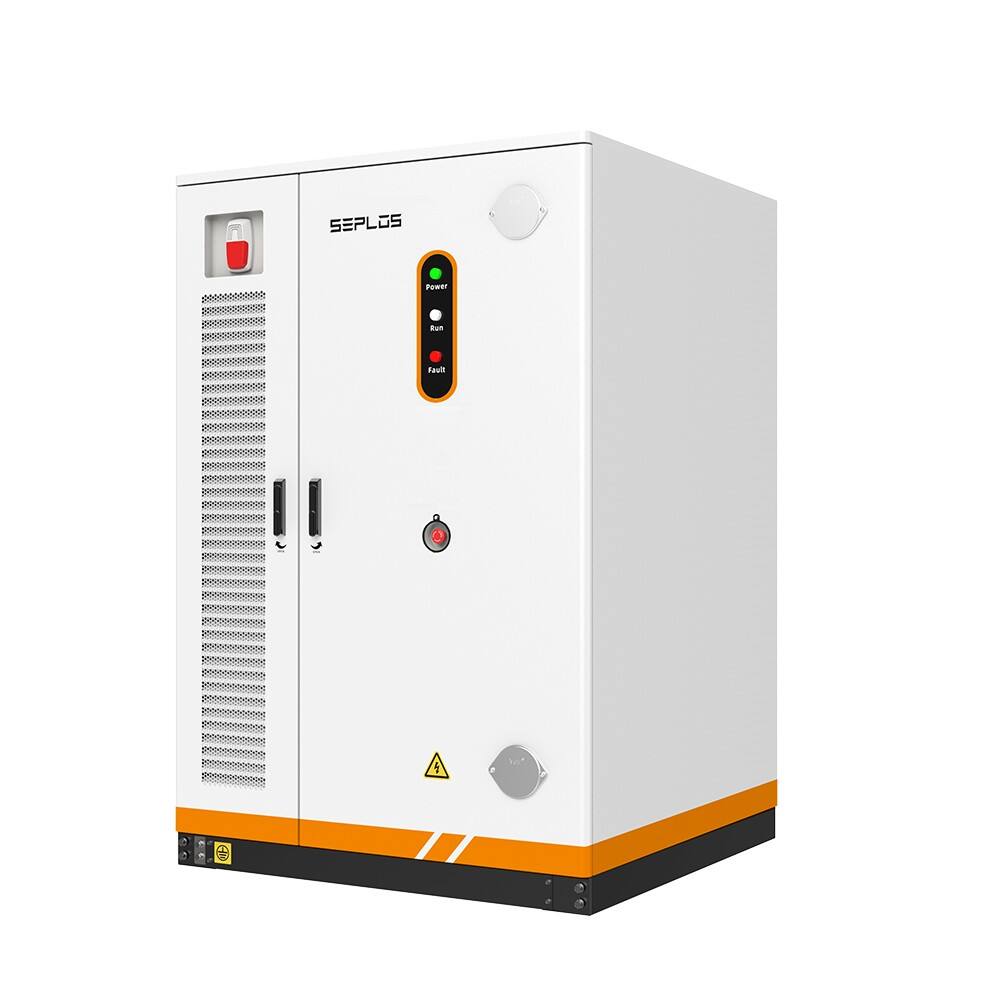
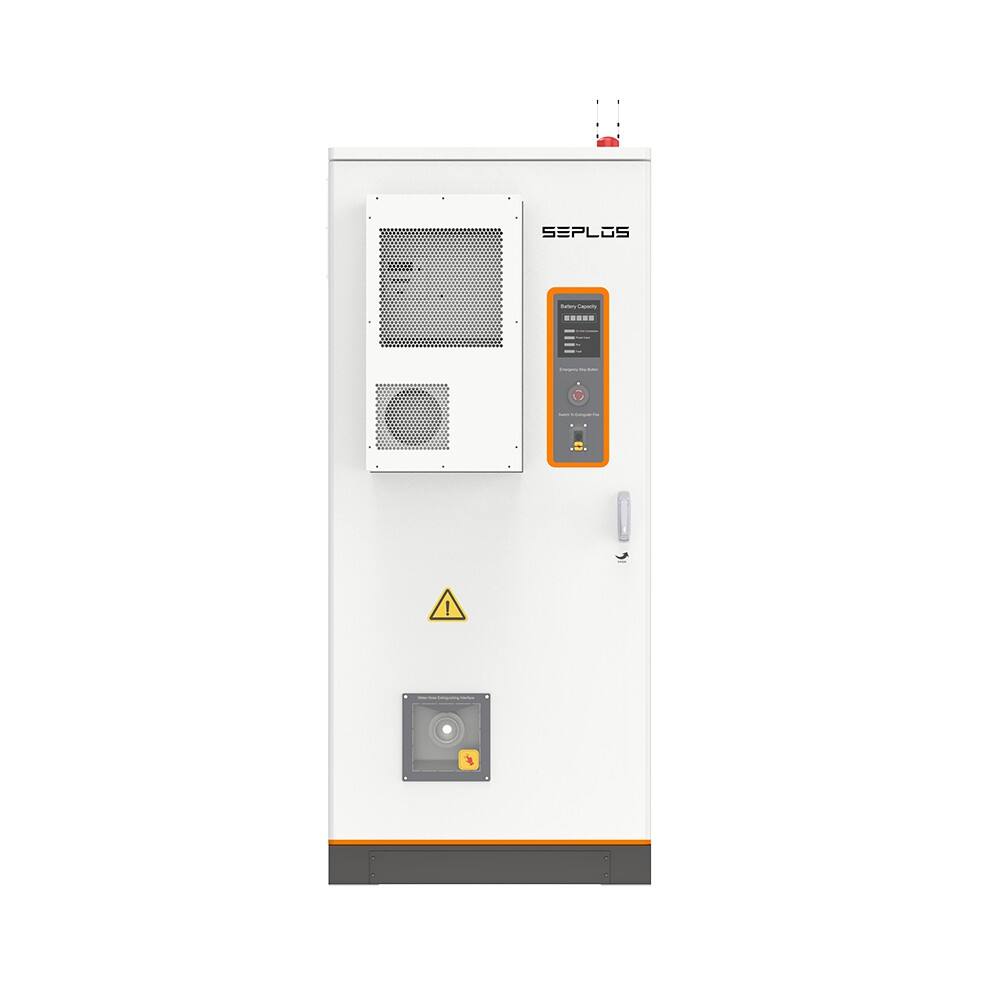
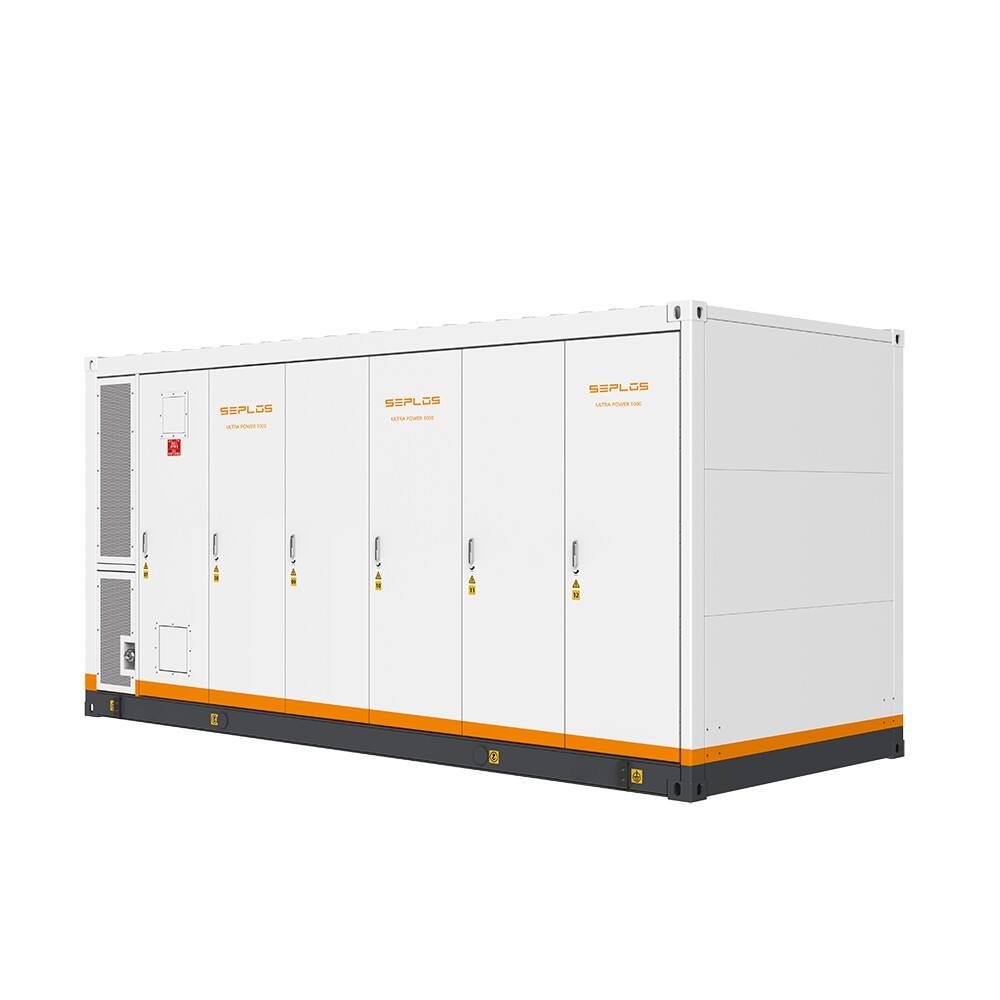
As the world shifts toward cleaner and more sustainable energy sources, residential energy storage solutions have become increasingly vital for homeowners seeking energy independence and reliability. With the growing adoption of renewable energy technologies like solar panels and wind turbines, the ability to store excess electricity has transitioned from a luxury to a necessity. These storage systems empower individuals to capture surplus energy during peak production times—such as sunny afternoons or windy nights—and us e it when generation is low or during power outages. This not only enhances energy self-sufficiency but also reduces reliance on the traditional power grid and helps lower electricity bills over time. However, with a wide array of storage technologies available on the market, determining the best energy storage solution for your home can be a complex and overwhelming task. This comprehensive guide explores the leading residential energy storage options, helping you navigate the choices and make a well-informed decision tailored to your unique needs.
Understanding Your Energy Requirements
Before diving into specific technologies, it's crucial to conduct a thorough assessment of your household’s energy needs. Begin by reviewing your past utility bills to understand your average daily and monthly energy consumption. Look closely at patterns such as peak usage times—whether your energy demand spikes in the early morning, evening, or overnight—as this will influence the size and type of storage system you require. Consider the appliances you use regularly, especially high-consumption ones like air conditioners, electric water heaters, refrigerators, and kitchen appliances. Additionally, think ahead to any future changes that might impact your energy usage, such as purchasing an electric vehicle, expanding your home, or installing new smart home systems. By projecting these demands, you can better estimate the storage capacity—measured in kilowatt-hours (kWh)—that your system should provide. This foundational step ensures that your investment aligns with both your current lifestyle and long-term energy goals.
Lithium-Ion Batteries: The Leading Choice
Among the various residential energy storage solutions, lithium-ion batteries have emerged as the most popular and widely adopted option. Renowned for their high energy density, efficiency (often exceeding 90%), and sleek, compact design, these batteries can store substantial amounts of electricity without occupying excessive space—making them ideal for urban homes and smaller installations. Their long operational lifespan, typically ranging from 10 to 15 years or more with thousands of charge-discharge cycles, adds to their appeal. Unlike older technologies, lithium-ion batteries require minimal maintenance, reducing long-term ownership costs and hassle.
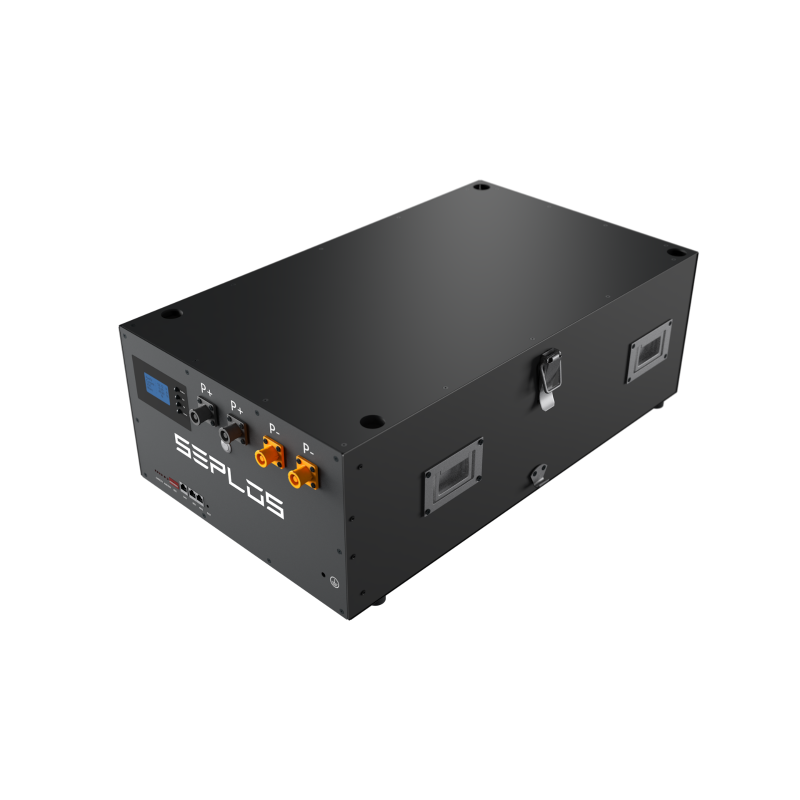
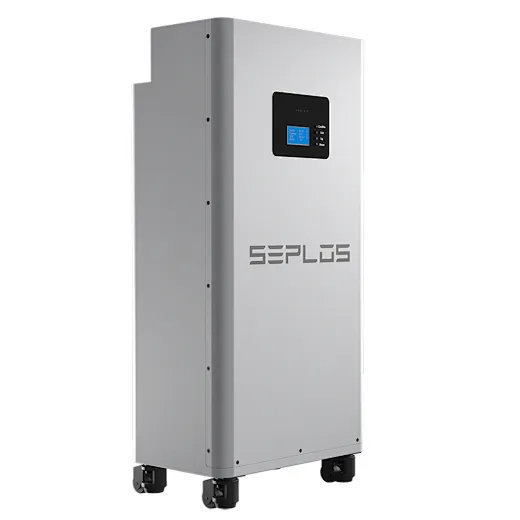
One of the standout features of modern lithium-ion systems is their integration with smart home technology. Most come with intuitive mobile applications and web portals that allow homeowners to monitor energy production from solar panels, track real-time consumption, and even control when stored energy is used—such as drawing power during peak rate periods to save money. Some systems offer backup power capabilities, automatically switching on during grid outages to keep essential appliances running. Brands like Tesla Powerwall, LG Chem, and SEPLOS have pioneered advancements in this space, offering scalable and reliable solutions that seamlessly integrate with solar arrays. While the initial investment can be higher than other options, the long-term savings, performance, and convenience often justify the cost for many households.
Lead-Acid Batteries: A Traditional, Budget-Friendly Option
For decades, lead-acid batteries have served as a reliable energy storage solution, particularly in off-grid and rural applications. Though they are less common in modern urban solar setups, they remain a viable choice for homeowners on a tighter budget. The primary advantage of lead-acid batteries is their lower upfront cost compared to lithium-ion systems, making them accessible for those with limited capital. However, this initial savings comes with trade-offs.
Lead-acid batteries generally have a shorter lifespan—between 5 to 10 years depending on usage and maintenance—and lower depth of discharge (DoD), meaning you can’t safely use as much of their stored energy without damaging the battery. They also require regular maintenance, including checking electrolyte levels, ensuring proper ventilation, and preventing sulfation through periodic charging. Their efficiency is lower, typically around 70–80%, resulting in more energy loss during charge and discharge cycles. Additionally, they are heavier and bulkier, requiring more space and robust installation support.
Despite these limitations, lead-acid batteries can still be a practical solution for specific scenarios. For example, they are well-suited for off-grid cabins, backup power systems, or homes in areas with infrequent grid access where cost is a primary concern. If you're considering lead-acid technology, it's essential to conduct a detailed cost-benefit analysis, factoring in replacement frequency, maintenance labor, and long-term performance to determine whether they truly align with your energy strategy.
Saltwater Batteries and Other Emerging Technologies
As the energy storage industry evolves, innovative alternatives like saltwater batteries are gaining attention for their safety, sustainability, and environmental benefits. Unlike lithium-ion or lead-acid batteries, saltwater batteries use non-toxic, aqueous electrolytes—essentially saltwater—making them inherently safer and easier to recycle. They contain no heavy metals or flammable materials, significantly reducing fire risks and environmental hazards. Some models also boast lifespans that surpass lead-acid batteries, with claims of 10 years or more under proper conditions.
While saltwater batteries are still in the early stages of commercial development and are not yet as widely available, they represent a promising step toward greener energy storage. Their efficiency currently lags behind lithium-ion systems, and their energy density is lower, meaning larger physical units are needed for equivalent storage. However, ongoing research and investment in this technology are rapidly improving performance and scalability. Companies like Aquion Energy (now part of Blue Earth Energy) have already introduced saltwater-based systems to the market, targeting eco-conscious consumers and specialized applications.
Beyond saltwater tech, other emerging solutions include flow batteries, hydrogen storage, and solid-state batteries, each offering unique advantages in specific contexts. Though not yet mainstream for residential use, these innovations signal a future where energy storage is not only efficient but also fully sustainable and accessible.
Making the Right Choice: A Holistic Approach
Selecting the best residential energy storage solution is not a one-size-fits-all decision. It depends on a careful balance of factors, including your household’s energy consumption patterns, budget constraints, space availability, environmental values, and long-term goals. Lithium-ion batteries currently stand out as the top choice for most homeowners due to their superior efficiency, long lifespan, low maintenance, and smart integration capabilities. They are particularly well-suited for grid-tied solar systems aiming to maximize self-consumption and reduce electricity bills.
However, lead-acid batteries remain a practical, cost-effective option for off-grid or backup applications where upfront cost is a critical factor. Meanwhile, saltwater and other emerging technologies offer a glimpse into a more sustainable future, appealing to environmentally conscious consumers who prioritize safety and recyclability over peak performance.
To make the best decision, start by conducting a home energy audit, consult with qualified solar and storage installers, and compare the total cost of ownership—including installation, maintenance, warranties, and replacement cycles—across different systems. Consider incentives, rebates, and tax credits that may be available in your region to offset initial expenses.
Ultimately, investing in a residential energy storage system is more than just a financial decision—it’s a step toward greater energy resilience, reduced carbon emissions, and taking control of your power supply. With the right solution in place, you can maximize the benefits of renewable energy, protect yourself from rising utility rates, and play an active role in building a cleaner, more sustainable world for future generations.
 Hot News
 EN
EN