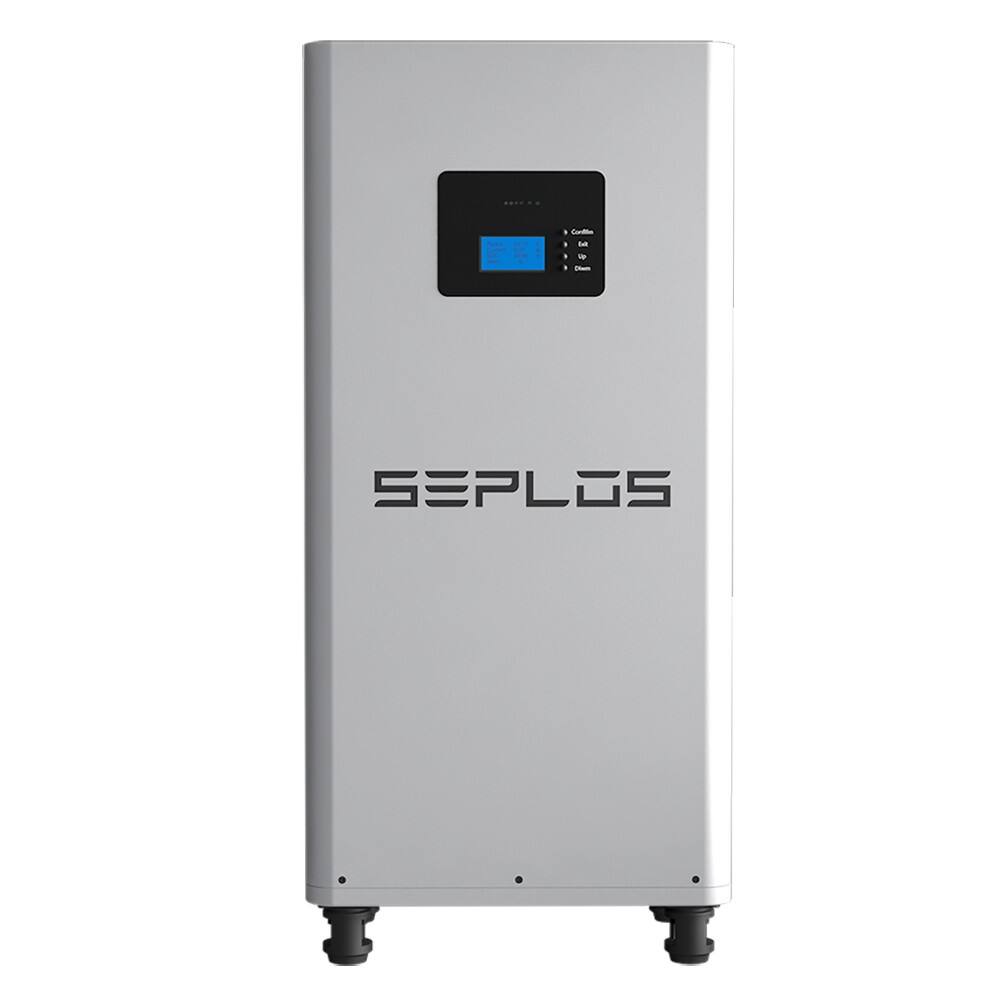
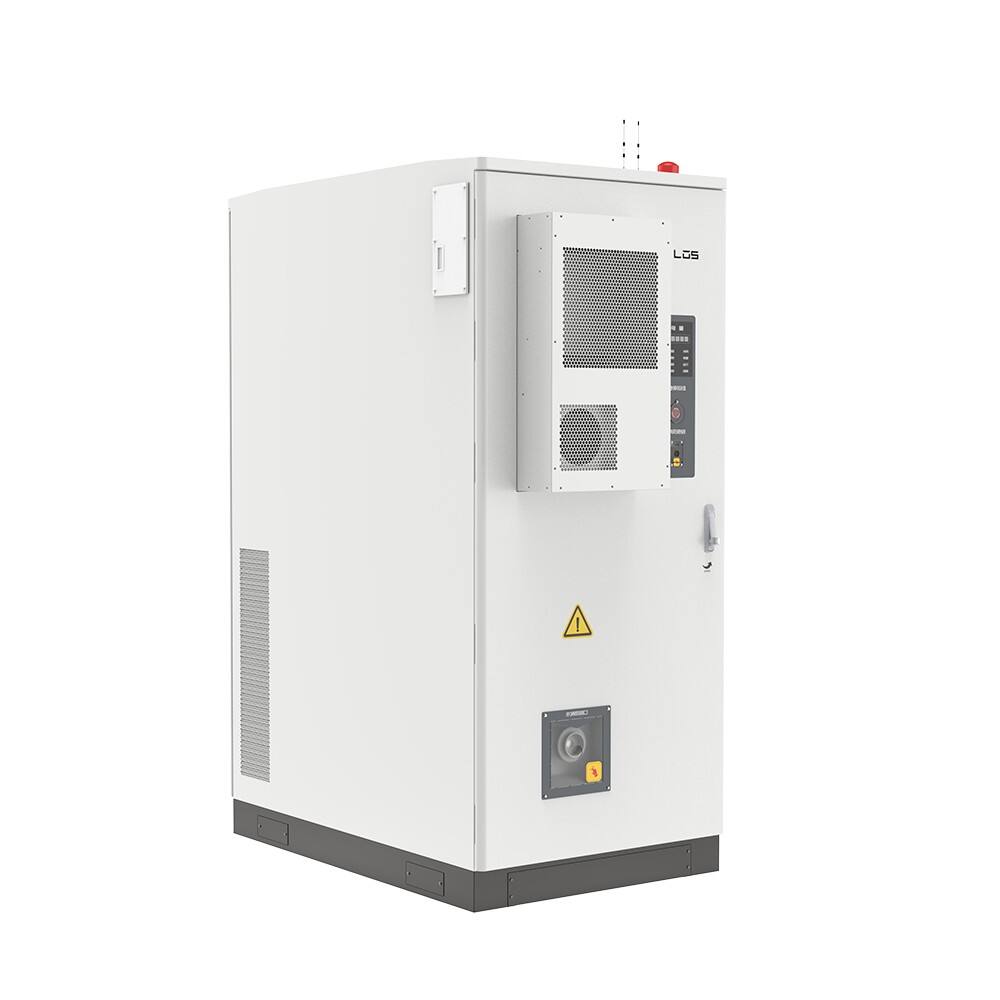
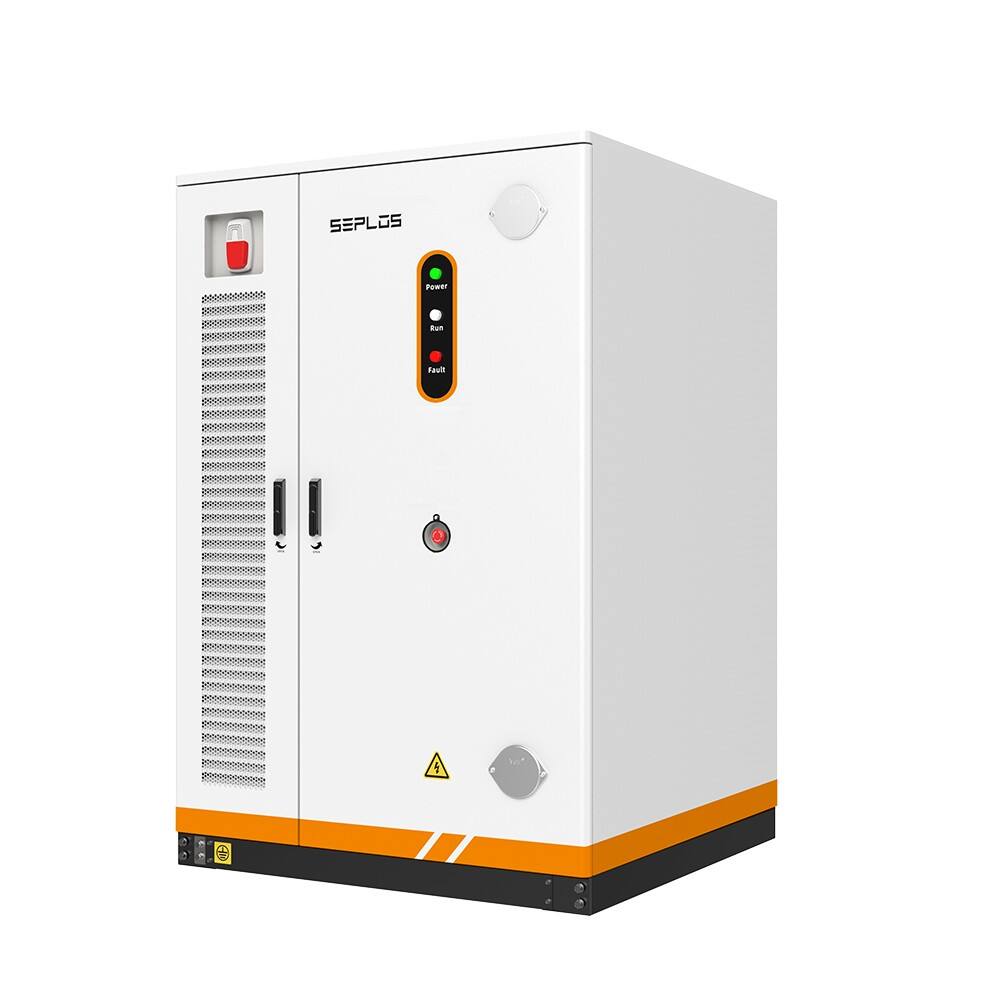
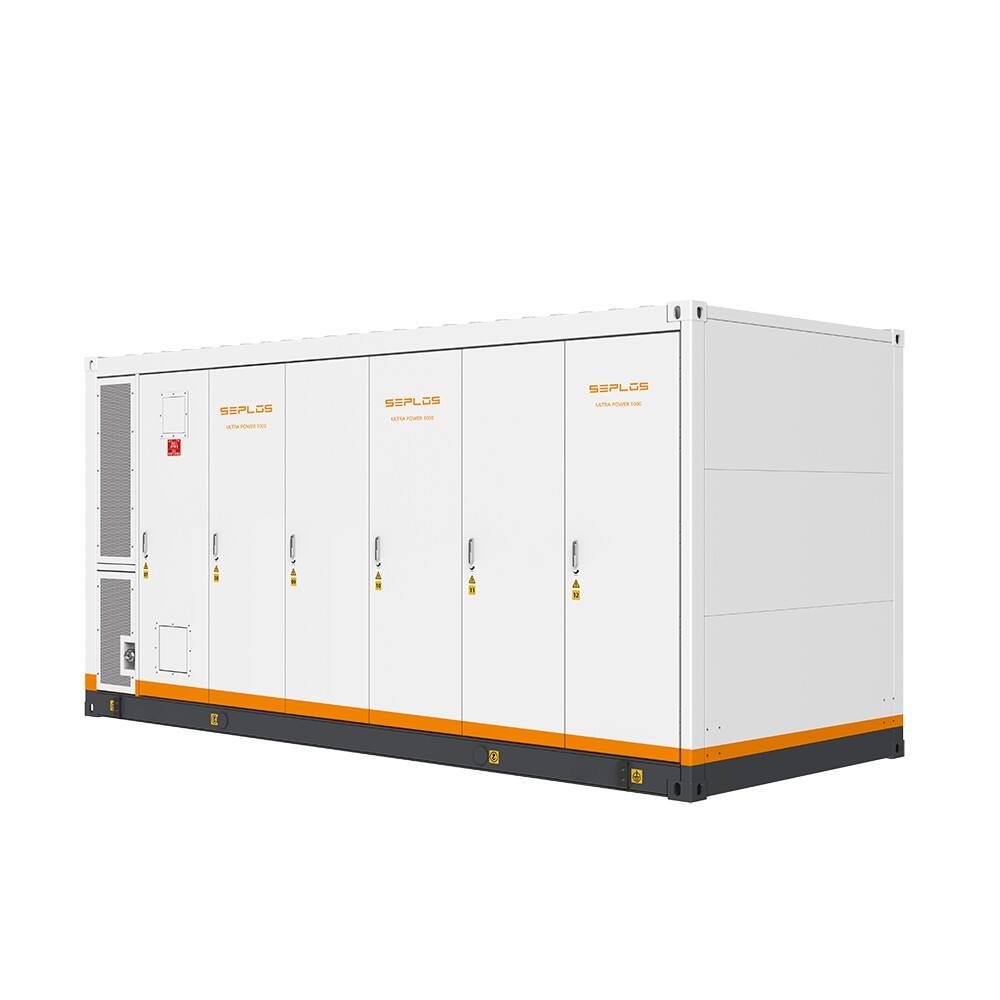
charging lithium phosphate batteries
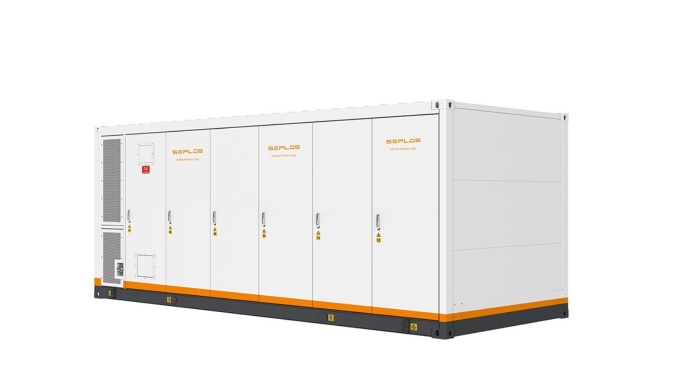
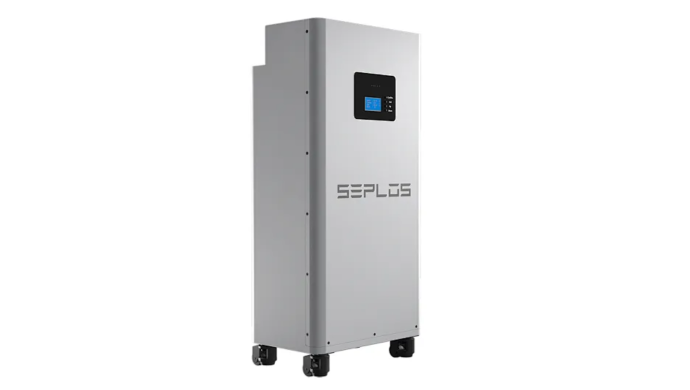
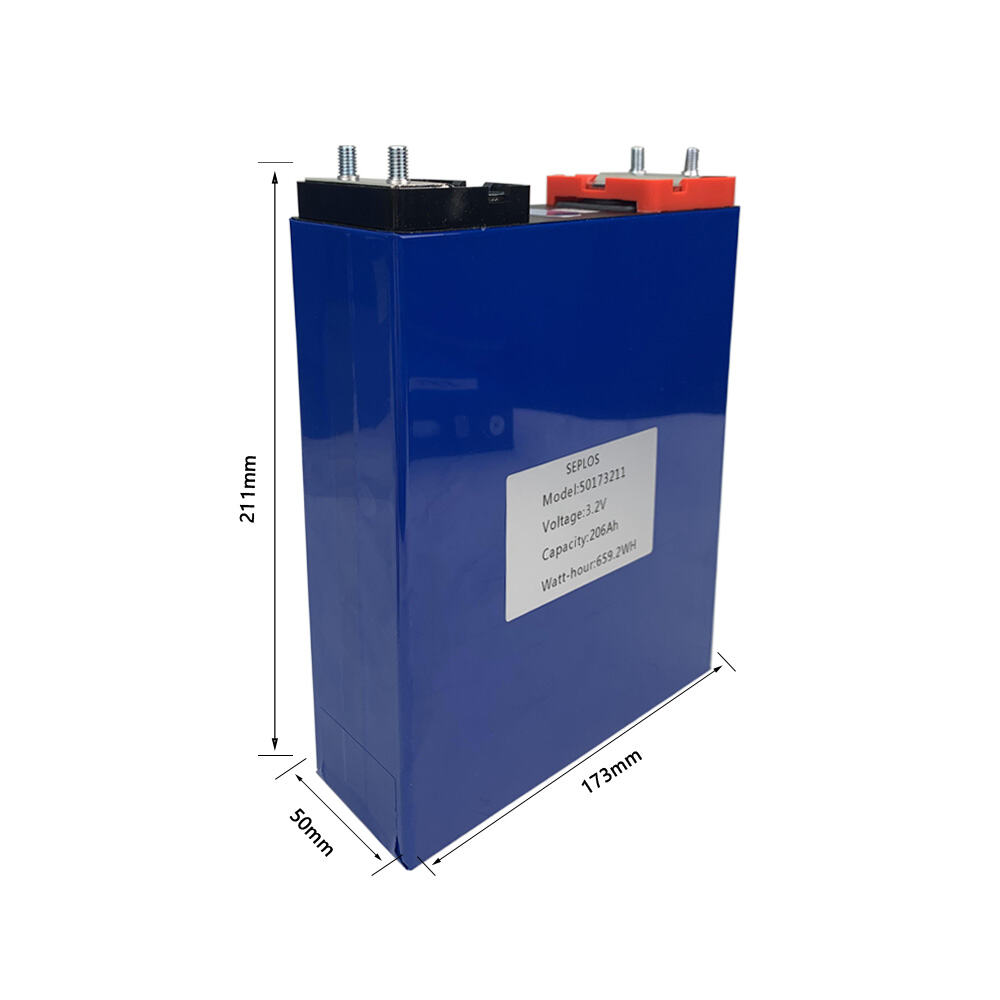
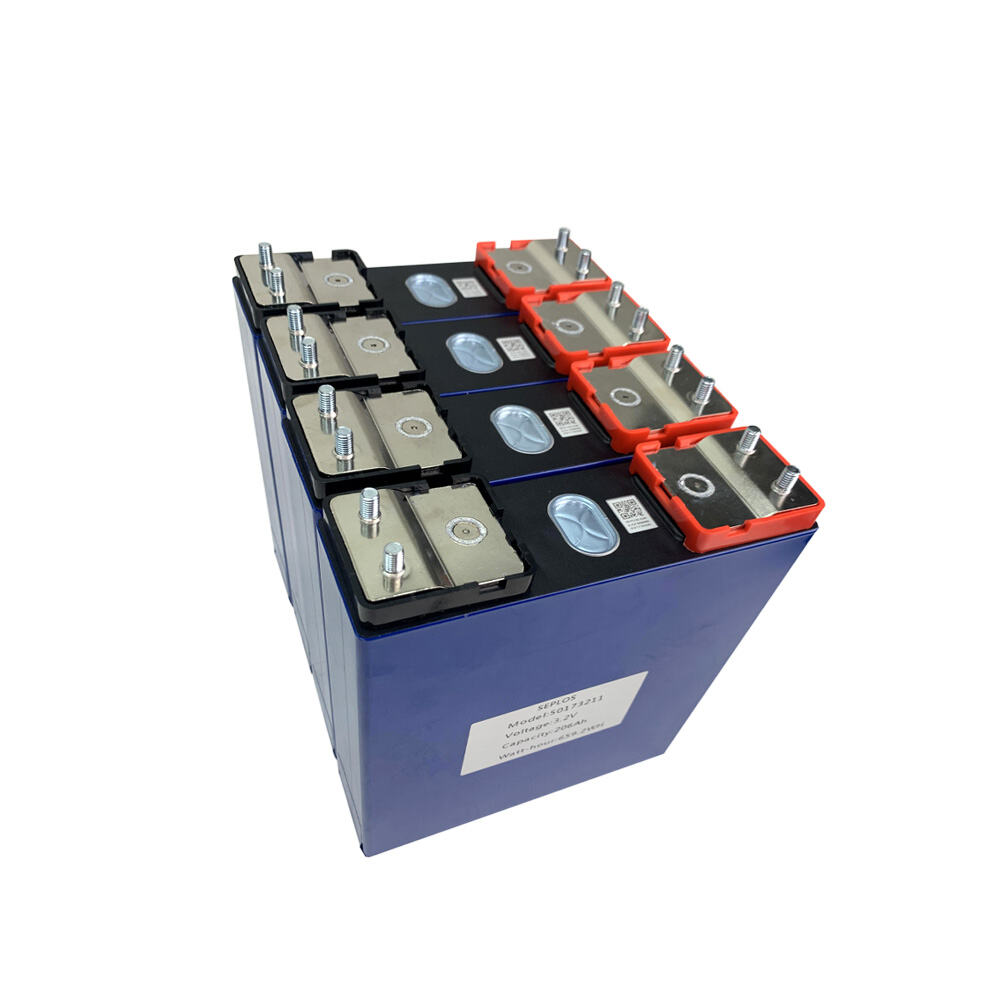
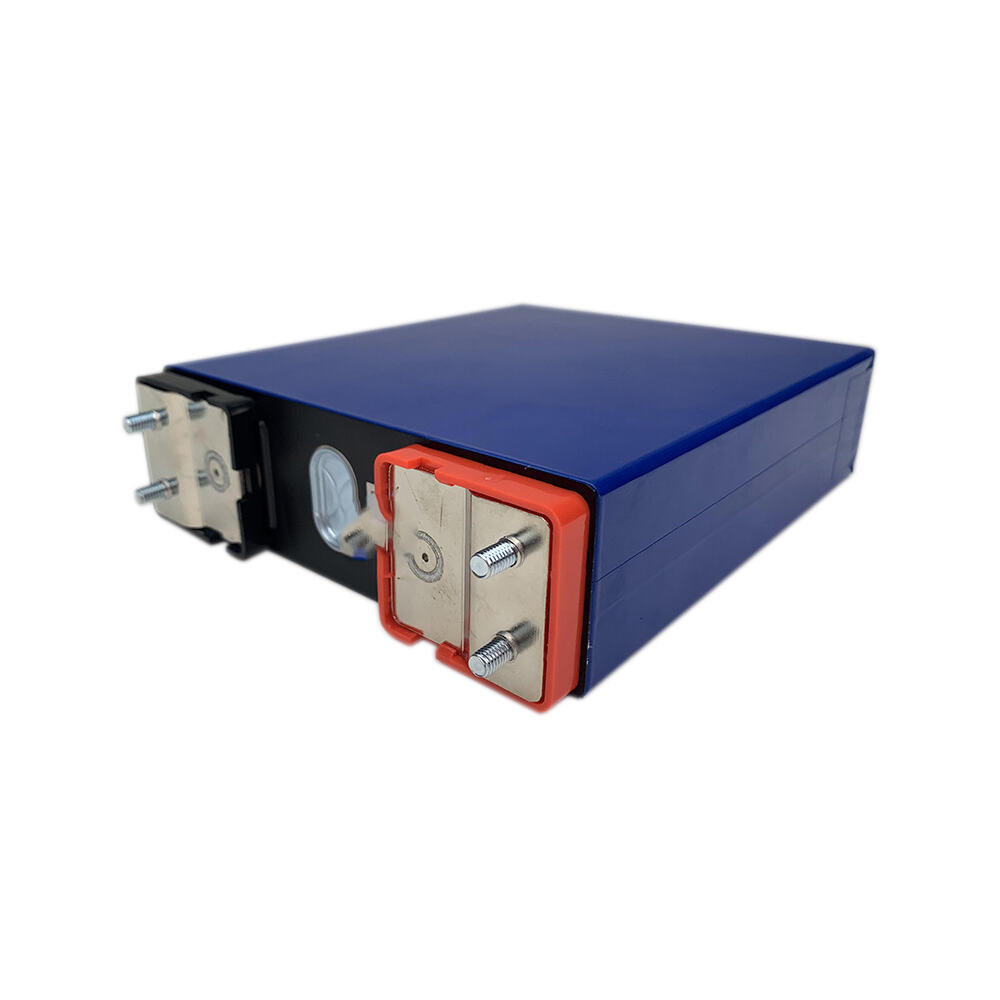
Charging lithium phosphate batteries represent a significant advancement in energy storage technology, offering a safe and efficient power solution for various applications. These batteries utilize lithium iron phosphate (LiFePO4) as the cathode material, combined with a graphite anode, delivering exceptional stability and longevity. The charging process involves a carefully controlled mechanism where lithium ions move from the cathode to the anode during charging and vice versa during discharge. Unlike traditional lithium-ion batteries, LiFePO4 batteries maintain consistent voltage throughout the discharge cycle and can typically achieve 2000-7000 charge cycles. They operate within a voltage range of 2.5V to 3.65V per cell and feature built-in battery management systems (BMS) that prevent overcharging and maintain optimal temperature control. These batteries have gained widespread adoption in electric vehicles, solar energy storage systems, and various industrial applications due to their remarkable safety features and extended lifespan. The charging process is highly efficient, with many models achieving up to 98% charging efficiency while maintaining thermal stability even under challenging conditions.


 EN
EN