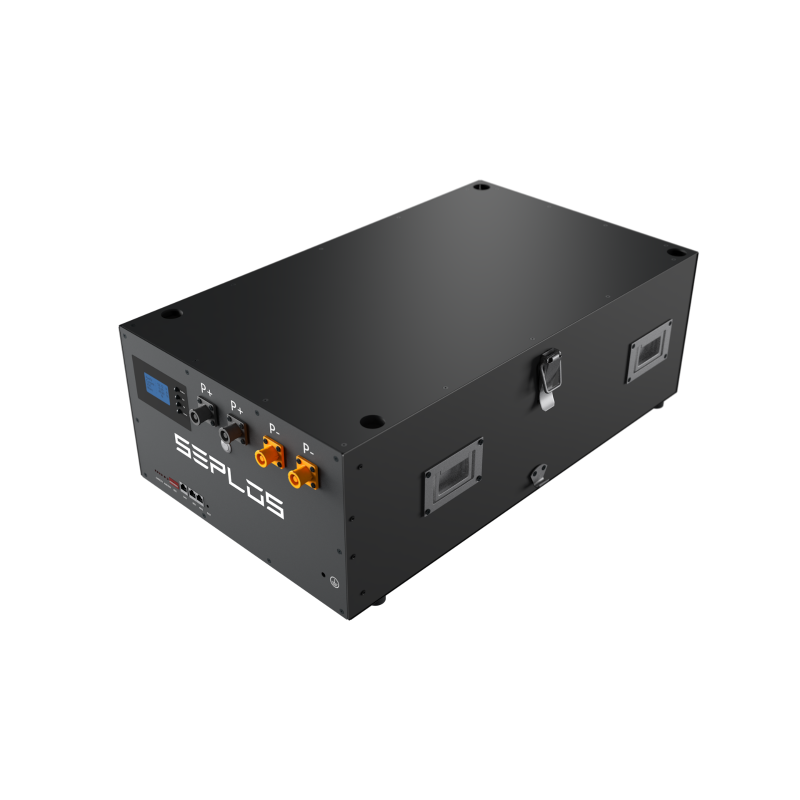
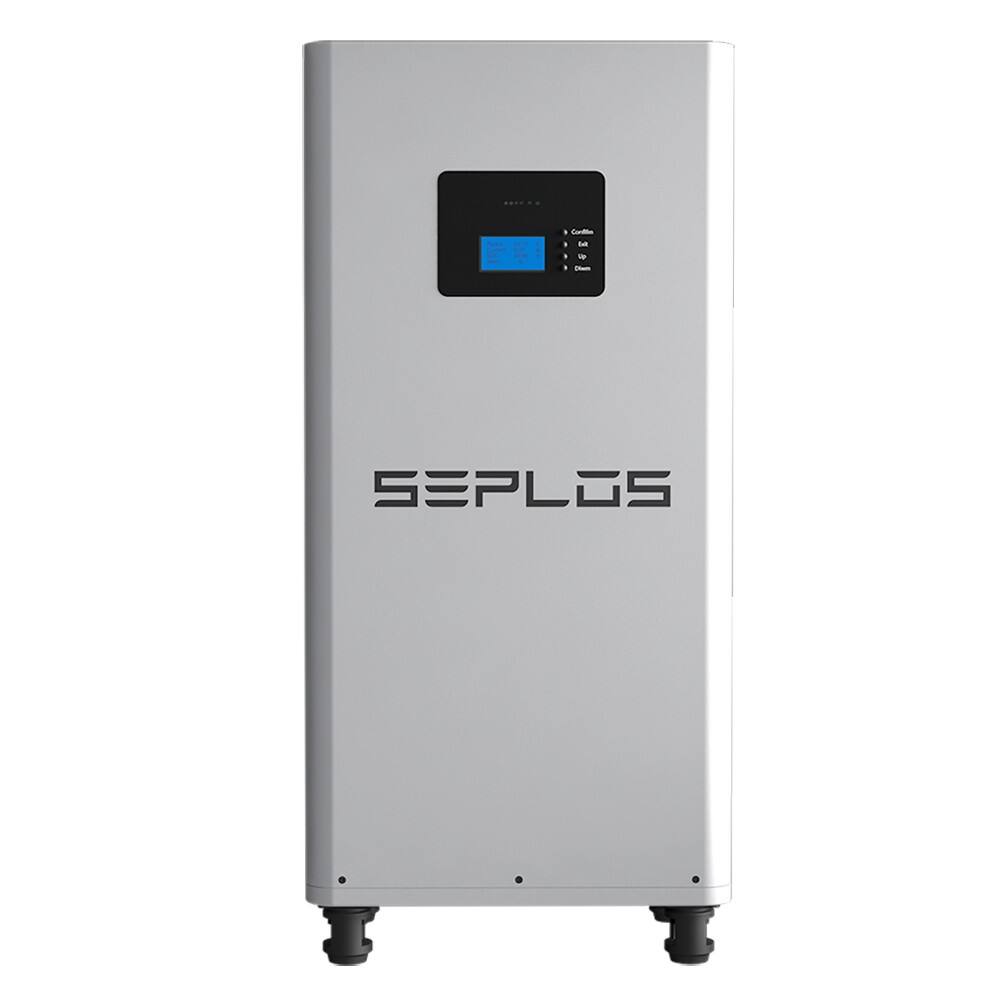
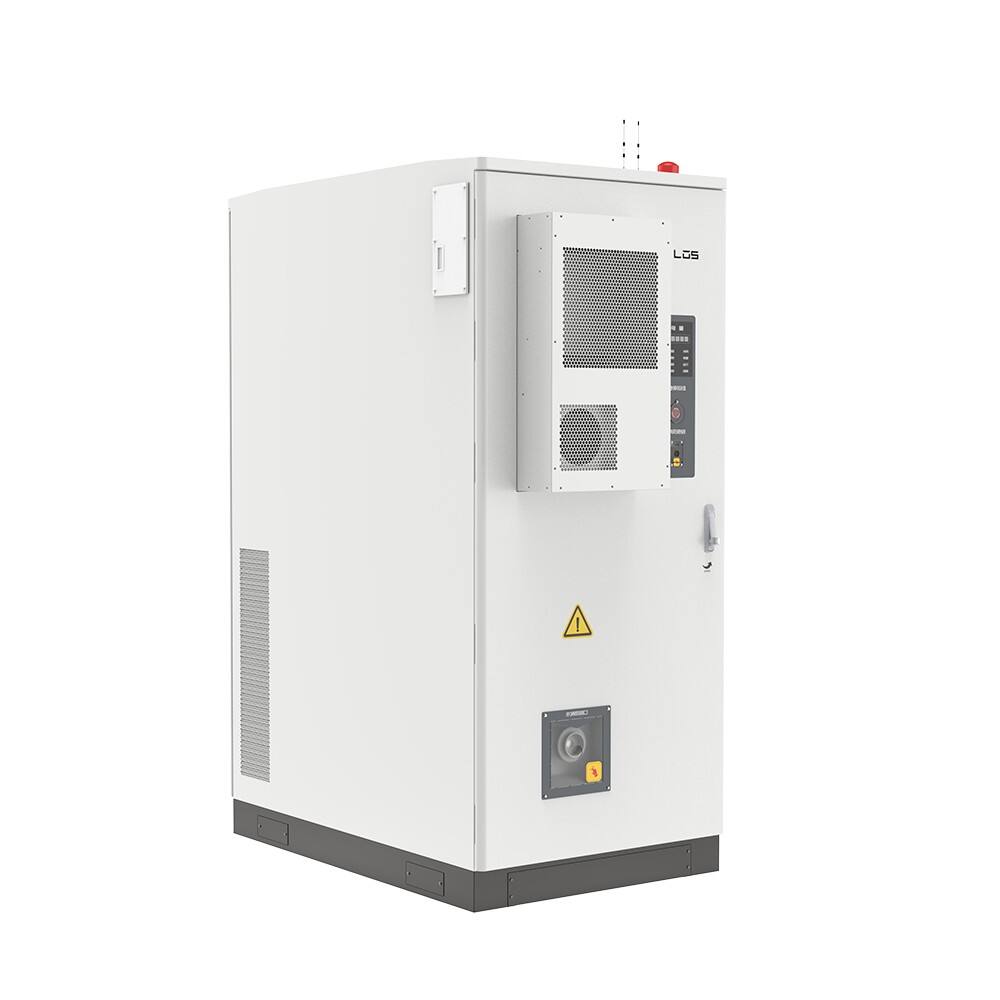
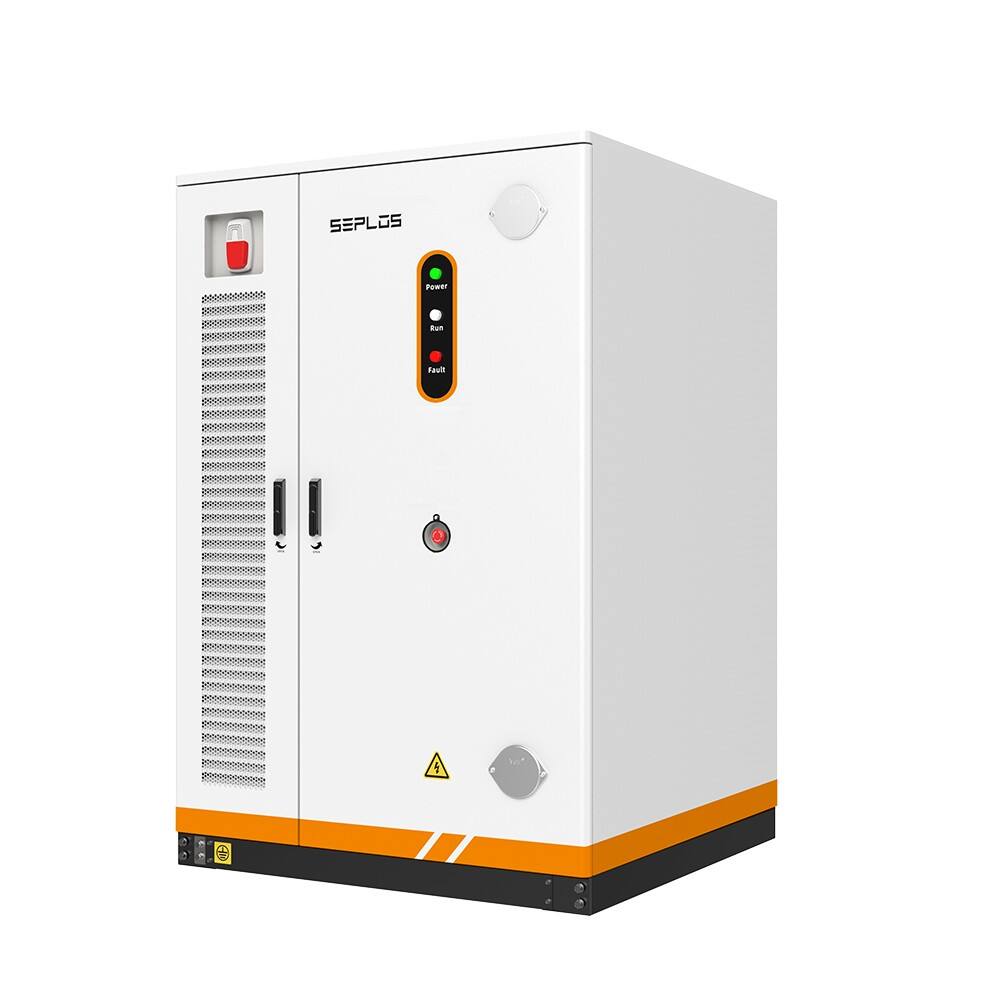
Lithium Phosphate Cell Price: Advanced Energy Storage Solution with Optimal Cost-Performance Ratio

Get a Free Quote

Our representative will contact you soon.
Email
Name
Company Name
Message
0/1000

lithium phosphate cell price

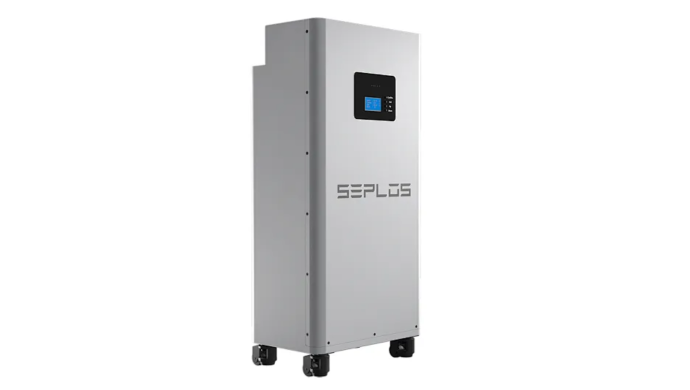
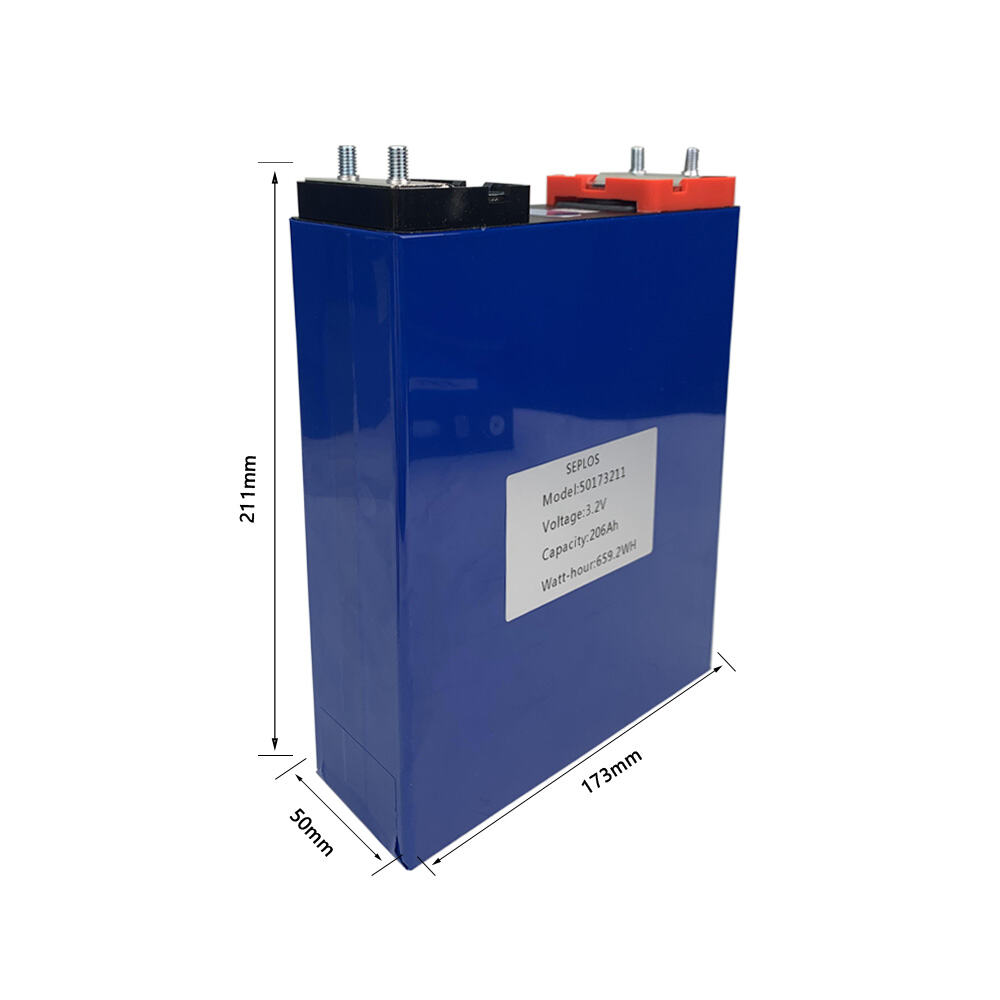
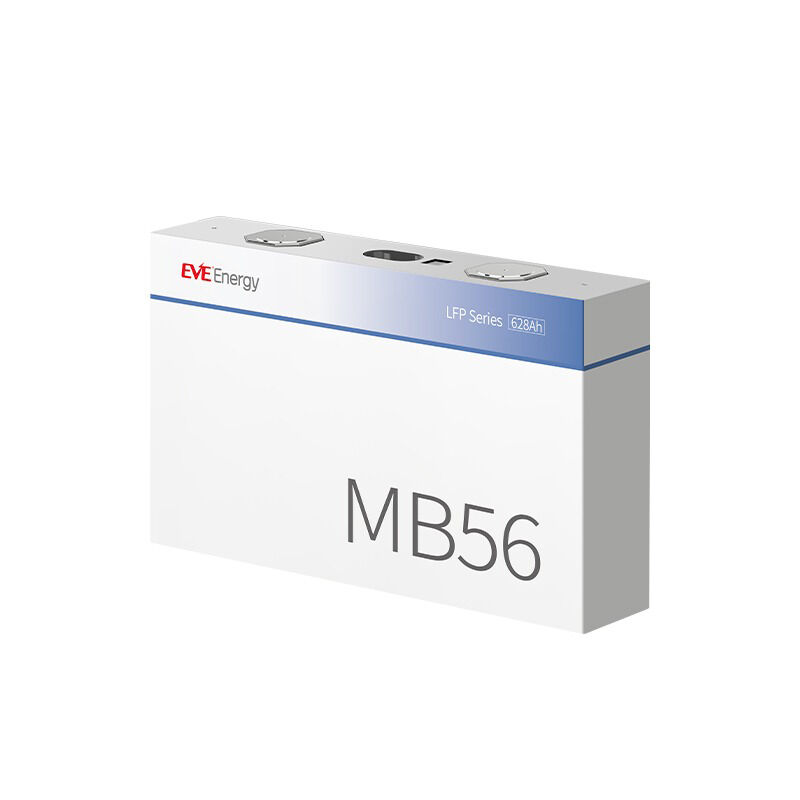
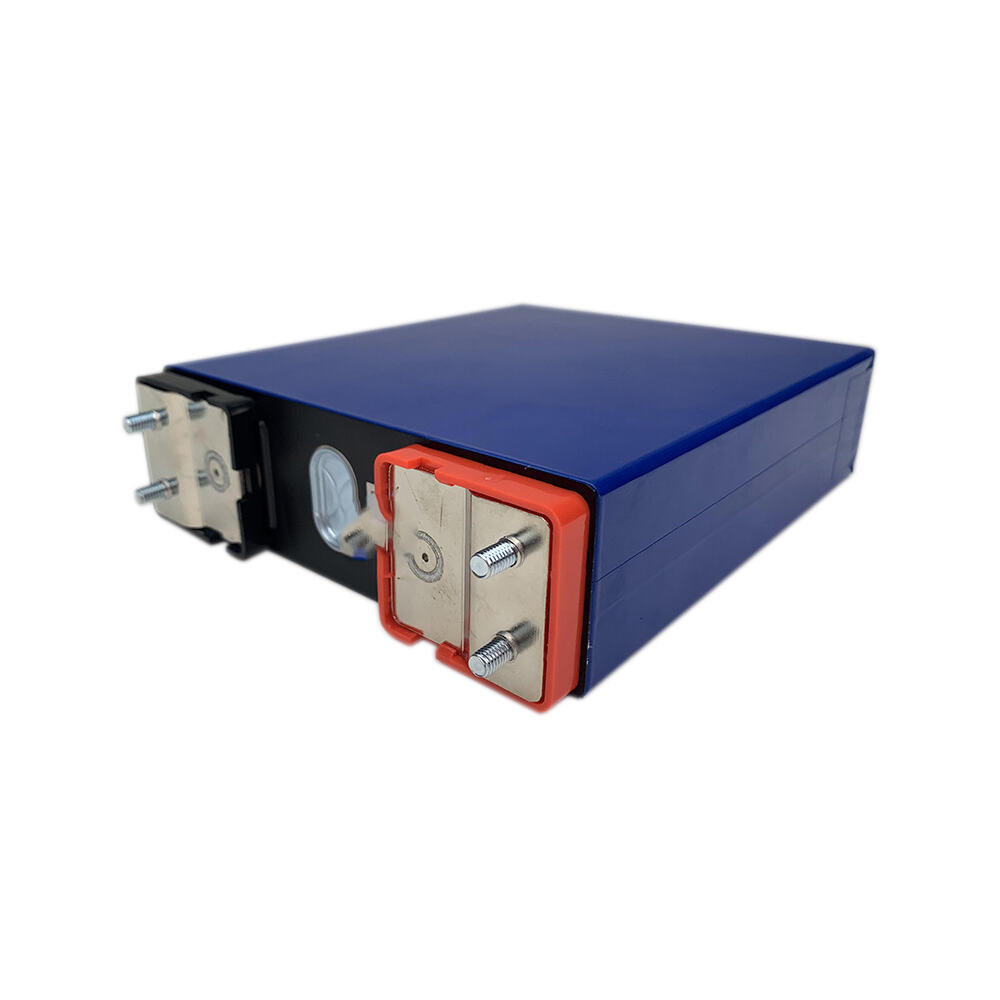
Lithium phosphate cell pricing represents a crucial aspect of the modern energy storage market. As a cost-effective and sustainable solution, these cells have become increasingly prominent in various applications, from electric vehicles to renewable energy storage systems. The current market pricing reflects the balance between advanced technology and manufacturing efficiency, typically ranging from $90 to $150 per kilowatt-hour. This pricing structure encompasses the sophisticated cathode material technology, which utilizes lithium iron phosphate (LiFePO4) chemistry, known for its exceptional stability and safety features. The manufacturing process incorporates state-of-the-art techniques that optimize production costs while maintaining high quality standards. These cells demonstrate remarkable longevity, with cycle lives often exceeding 2000 cycles at 100% depth of discharge, making them a cost-effective long-term investment. The price point also factors in the cells' inherent safety features, thermal stability, and environmental friendliness, which contribute to reduced maintenance and operational costs over their lifespan. Recent technological advancements and increased production scale have led to a steady decline in prices, making these cells more accessible to various market segments while maintaining their high-performance characteristics.
Popular Products

The pricing structure of lithium phosphate cells offers several compelling advantages that make them an attractive choice for various applications. First, the initial investment is offset by the cells' exceptional longevity and reliability, resulting in a lower total cost of ownership compared to traditional battery technologies. The price point reflects the cells' advanced safety features, eliminating the need for expensive cooling systems and reducing insurance costs. Additionally, these cells maintain consistent performance throughout their lifespan, ensuring predictable operational costs and minimal maintenance requirements. The current market pricing also accounts for the cells' rapid charging capabilities, which can significantly reduce downtime and operational expenses in commercial applications. Environmental considerations are built into the price, as these cells contain no toxic heavy metals and are highly recyclable, potentially leading to future cost savings through recycling programs. The scalability of lithium phosphate cell production has led to economies of scale, resulting in more competitive pricing for bulk purchases. Their stable chemistry and long shelf life mean lower replacement costs and reduced waste management expenses. The pricing structure also reflects the cells' ability to operate efficiently in various temperature conditions, eliminating the need for costly climate control systems. Furthermore, the cells' high energy density and power output capabilities provide excellent value for the price, making them particularly cost-effective for high-performance applications.

Latest News

Commercial Energy Storage Solutions for Industry and Remote Communities: Powering the Future with Intelligence and Resilience

29

Oct

Commercial Energy Storage Solutions for Industry and Remote Communities: Powering the Future with Intelligence and Resilience

View More
Why All-in-One Energy Storage Solutions Are Becoming Popular Among Homeowners

29

Oct

Why All-in-One Energy Storage Solutions Are Becoming Popular Among Homeowners

View More
What Is the Best Energy Storage Solution for Your Home?

29

Oct

What Is the Best Energy Storage Solution for Your Home?

View More

Get a Free Quote

Our representative will contact you soon.
Email
Name
Company Name
Message
0/1000

lithium phosphate cell price

Cost-Effective Long-Term Investment

Cost-Effective Long-Term Investment

The pricing structure of lithium phosphate cells represents a strategic long-term investment that delivers substantial value over time. The initial price point reflects the advanced technology and quality materials used in manufacturing, but the real value becomes apparent when considering the total cost of ownership. These cells typically last 5-10 years or more under normal operating conditions, significantly longer than traditional battery technologies. The price includes the benefit of minimal maintenance requirements, reducing ongoing operational costs. Additionally, the cells' high cycle life, often exceeding 2000 cycles, means they can provide reliable service for extended periods without significant degradation in performance. This longevity translates to fewer replacement cycles and lower long-term costs for users. The pricing also factors in the cells' exceptional energy efficiency, which contributes to reduced electricity costs during charging and operation.
Safety and Reliability Premium

Safety and Reliability Premium

The price of lithium phosphate cells incorporates a significant safety and reliability premium that justifies the investment. These cells feature inherent safety mechanisms at the chemical level, making them highly resistant to thermal runaway and combustion. This enhanced safety profile is reflected in the pricing and translates to reduced insurance costs and simplified safety management requirements. The cells' stable chemistry eliminates the need for complex battery management systems, further reducing the total system cost. Their reliable performance across various temperature ranges and operating conditions means fewer unexpected failures and replacement needs. The pricing also accounts for the cells' ability to maintain consistent voltage output throughout the discharge cycle, ensuring stable performance for sensitive equipment and applications.
Sustainable Technology Value Proposition

Sustainable Technology Value Proposition

The pricing of lithium phosphate cells reflects their position as a sustainable technology solution with significant environmental benefits. The manufacturing process and materials used are increasingly environmentally friendly, with reduced carbon footprint compared to other battery technologies. This environmental consciousness is built into the price point and provides value through potential carbon credits and compliance with environmental regulations. The cells' high recyclability rate, often exceeding 90%, means that much of the initial investment can be recovered at the end of their life cycle. Their long service life reduces electronic waste and the environmental impact of battery disposal. The price also accounts for the cells' role in enabling renewable energy integration and reducing dependence on fossil fuels, making them a key component in sustainable energy systems.

Get a Free Quote

Our representative will contact you soon.
Email
Name
Company Name
Message
0/1000