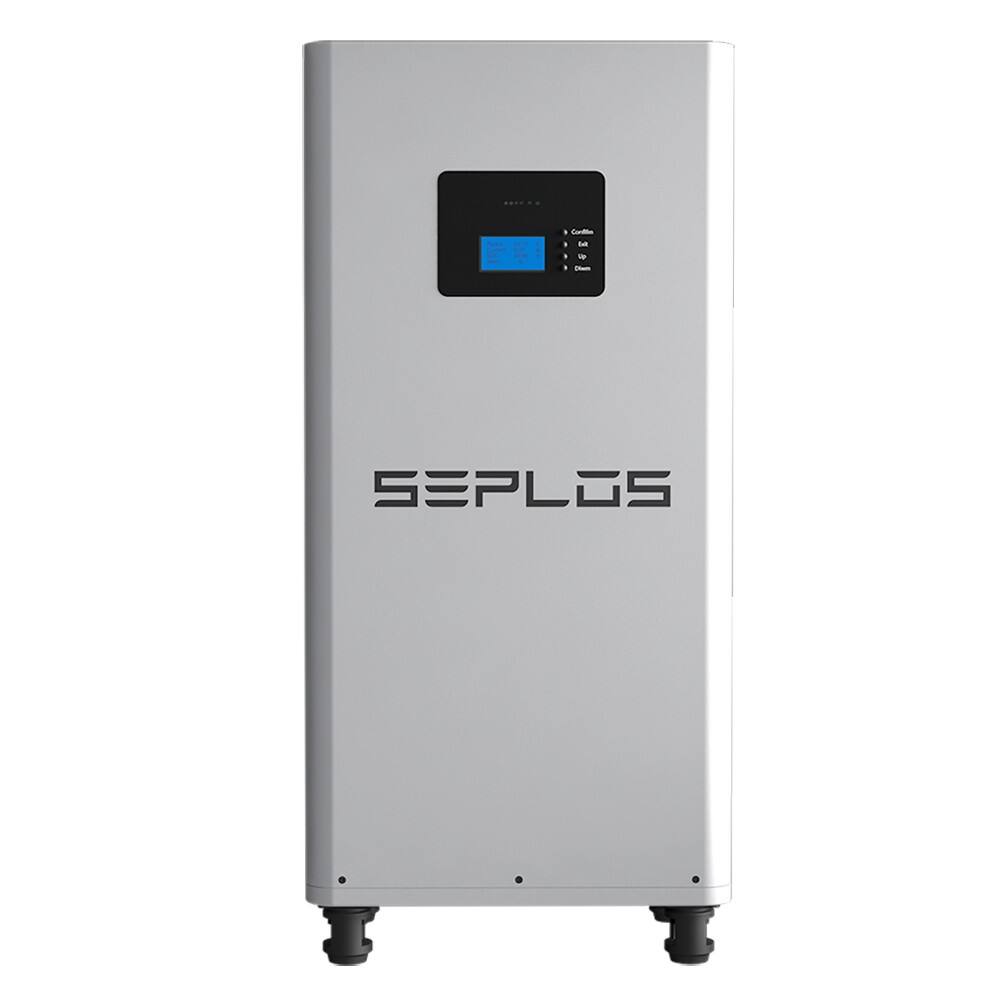
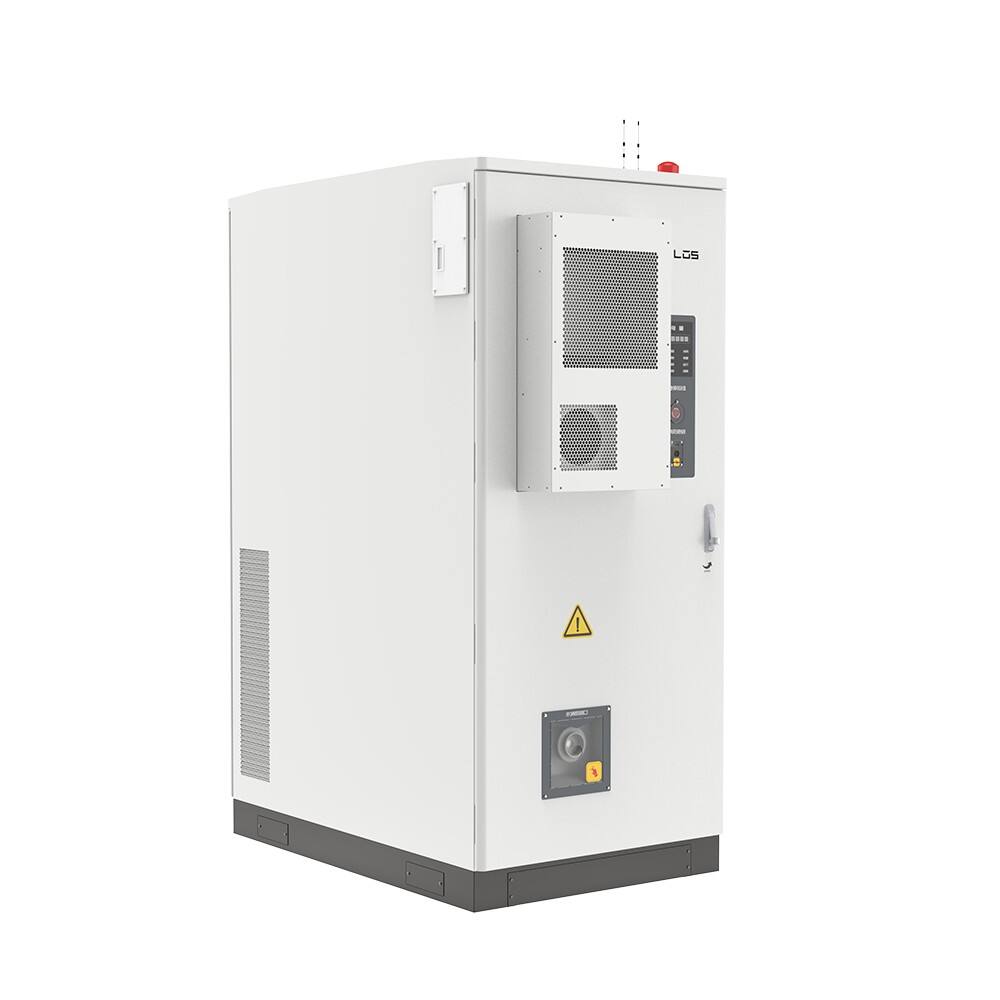
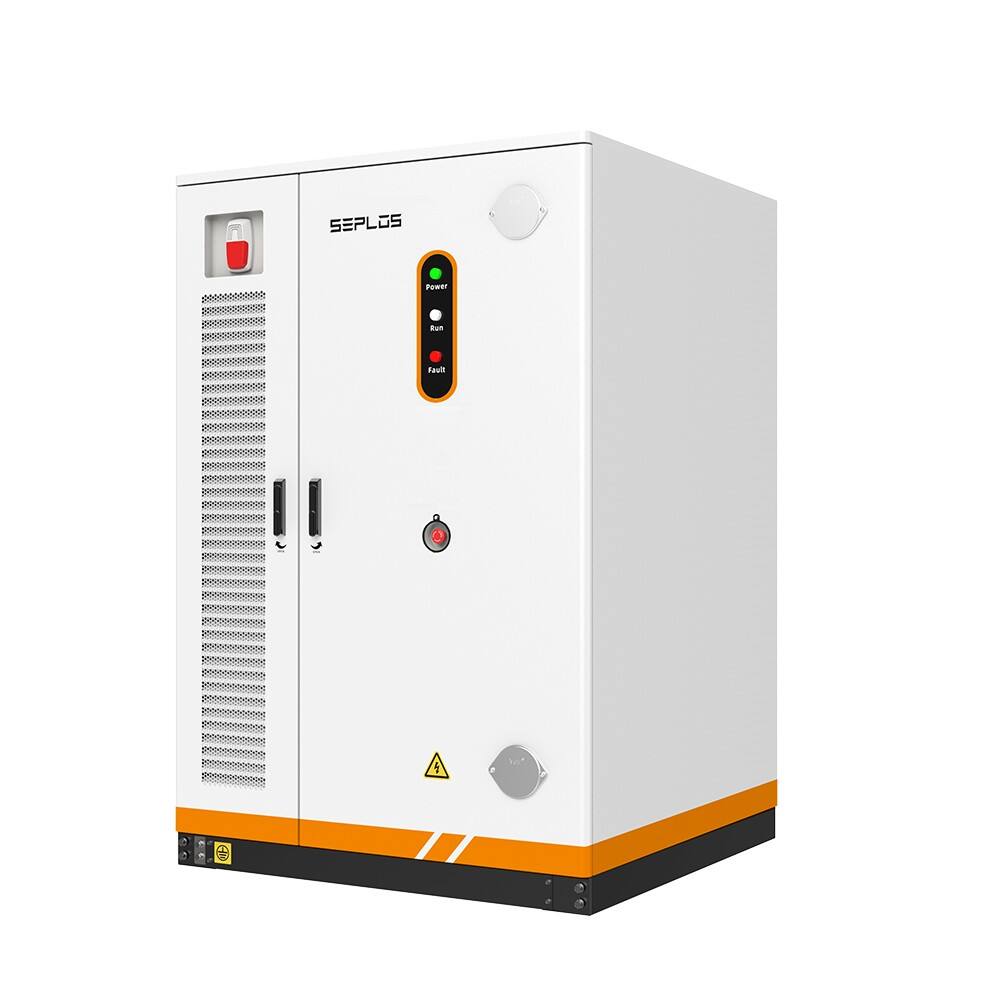
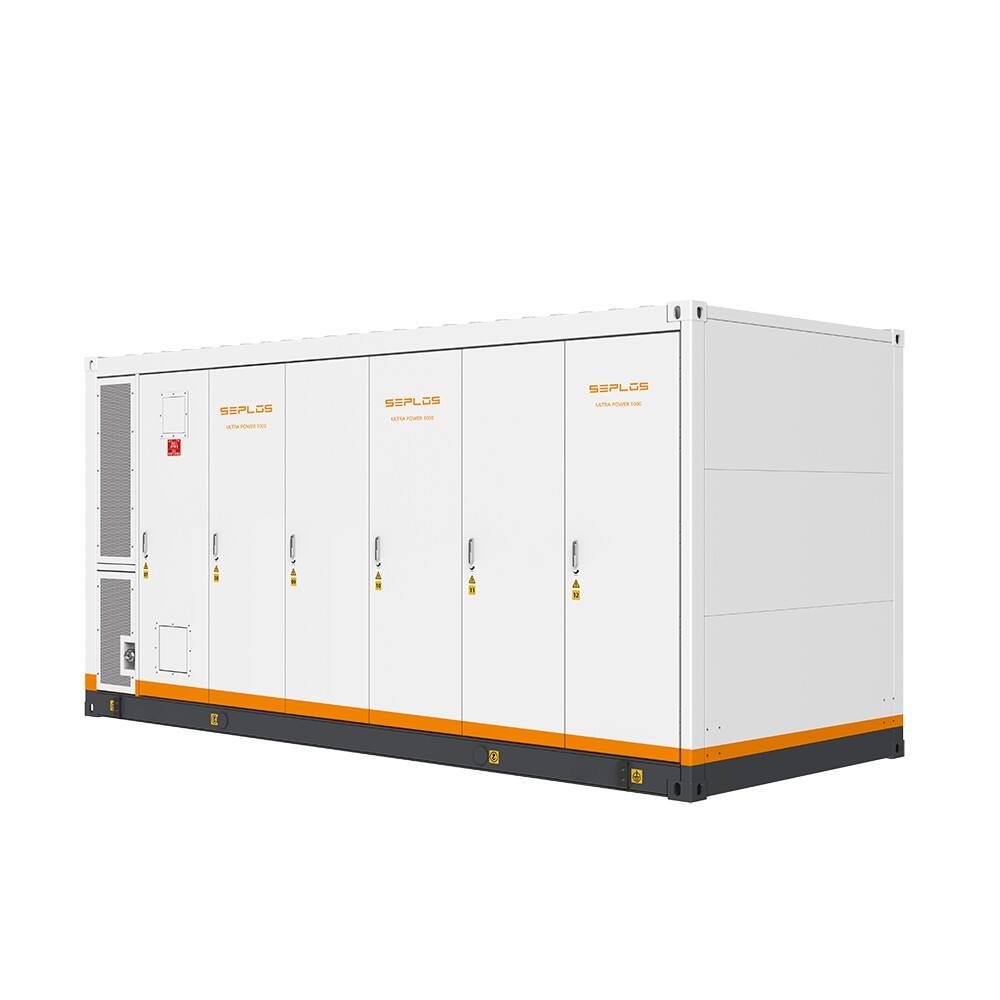
High-Performance Lithium Iron Phosphate Batteries: Advanced Charging Solutions for Sustainable Energy Storage

Get a Free Quote

Our representative will contact you soon.
Email
Name
Company Name
Message
0/1000

charging lithium iron phosphate batteries

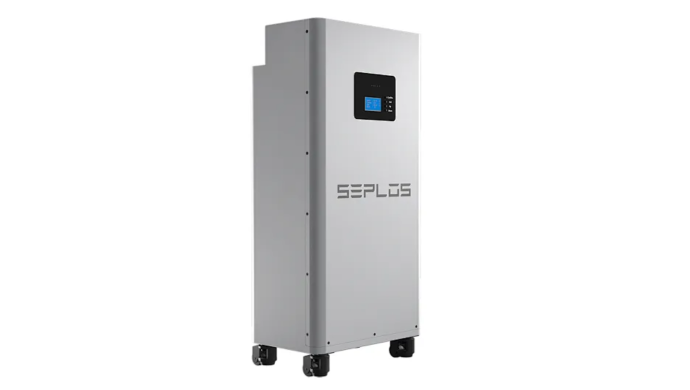
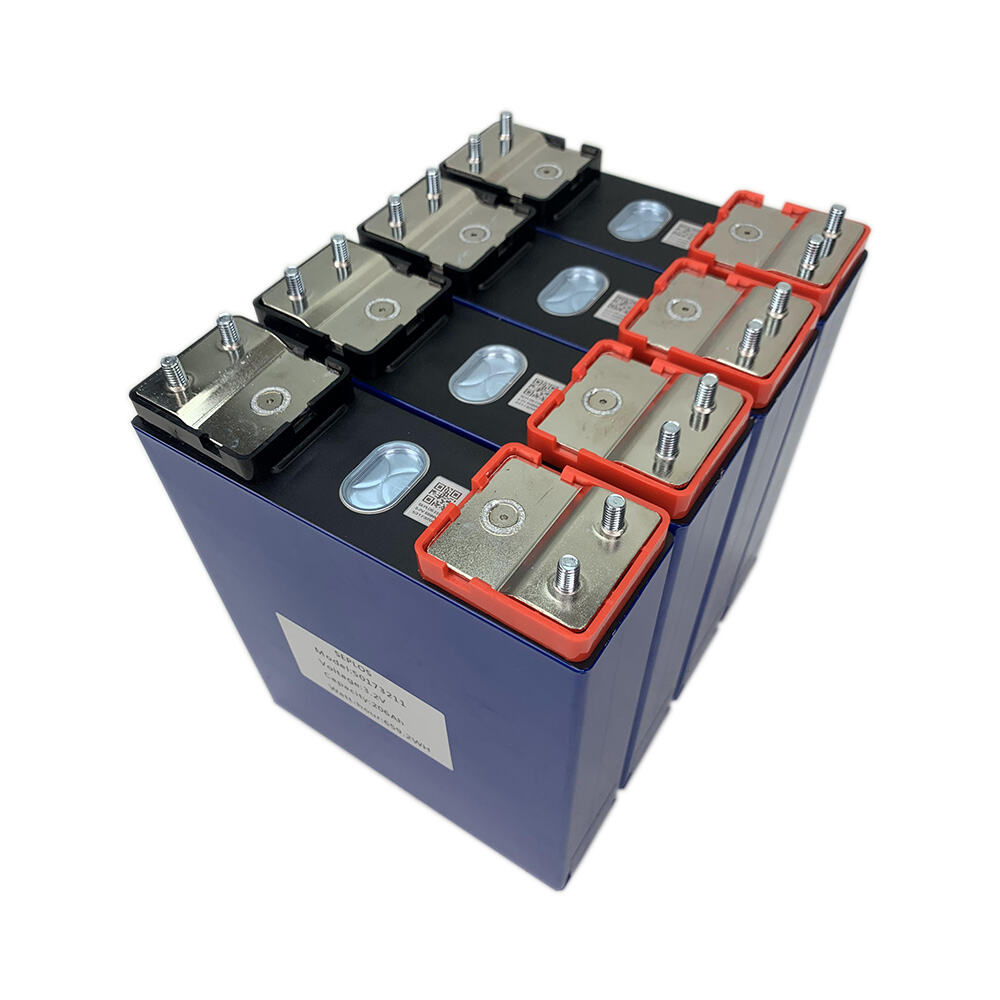
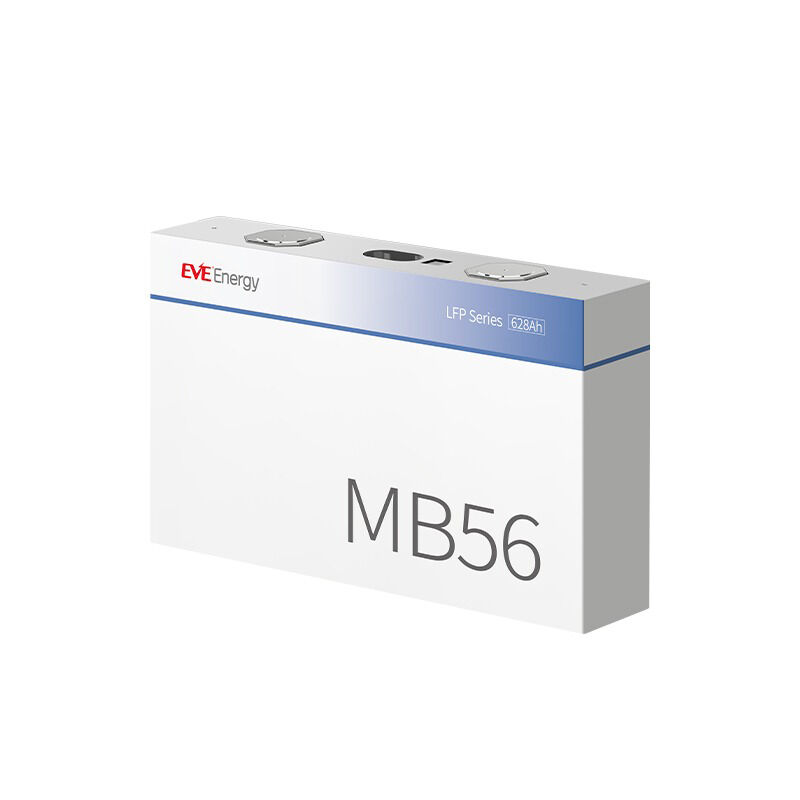
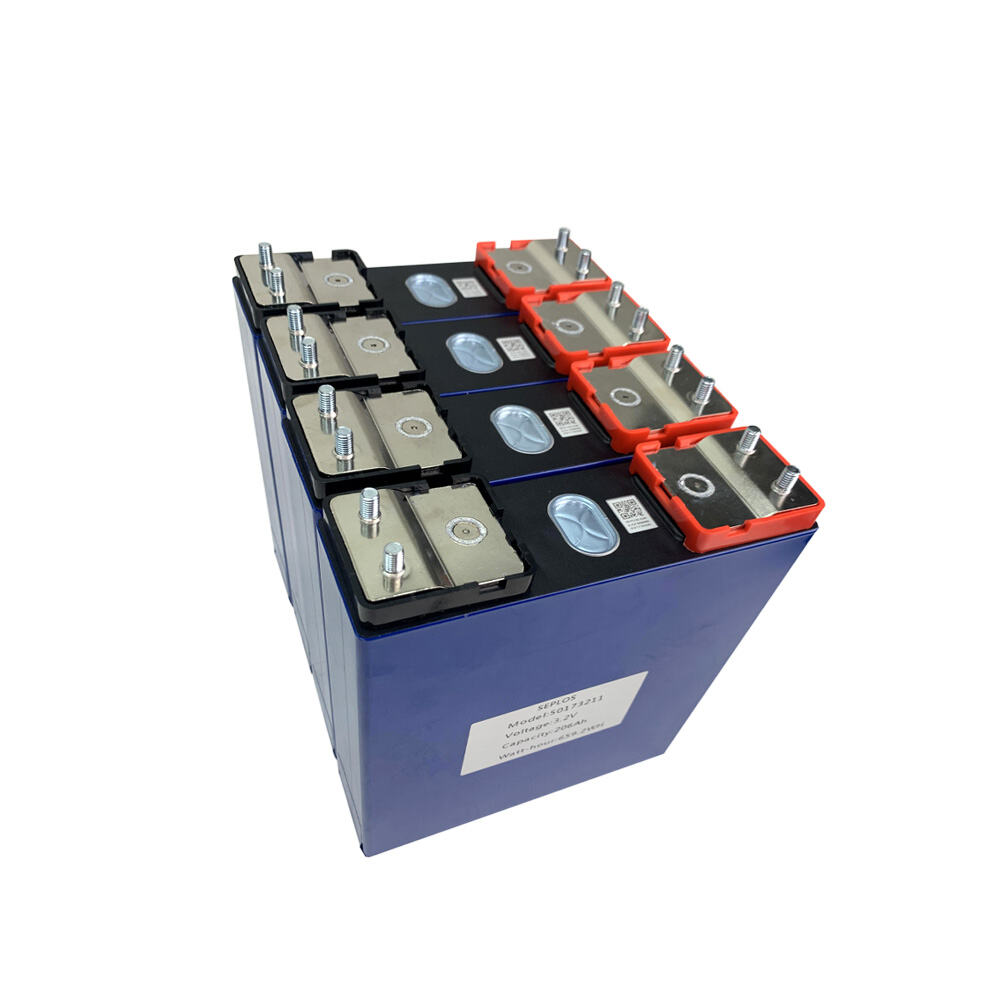
Charging lithium iron phosphate batteries represent a significant advancement in energy storage technology, combining safety, longevity, and exceptional performance. These batteries utilize lithium iron phosphate (LiFePO4) as the cathode material, which provides remarkable thermal and chemical stability. The charging process involves a constant current-constant voltage (CC-CV) methodology, where the battery first charges at a constant current until reaching its voltage limit, then maintains that voltage while the current gradually decreases. This sophisticated charging mechanism, coupled with built-in battery management systems (BMS), ensures optimal charging efficiency and prevents overcharging. The batteries typically operate within a voltage range of 2.5V to 3.65V per cell, with a nominal voltage of 3.2V. Their charging efficiency can reach up to 98%, making them highly energy-efficient. These batteries find extensive applications in electric vehicles, renewable energy storage systems, industrial equipment, and backup power solutions. The robust chemistry allows for rapid charging capabilities while maintaining stable performance across thousands of cycles, making them particularly suitable for demanding applications requiring frequent charging and discharging.
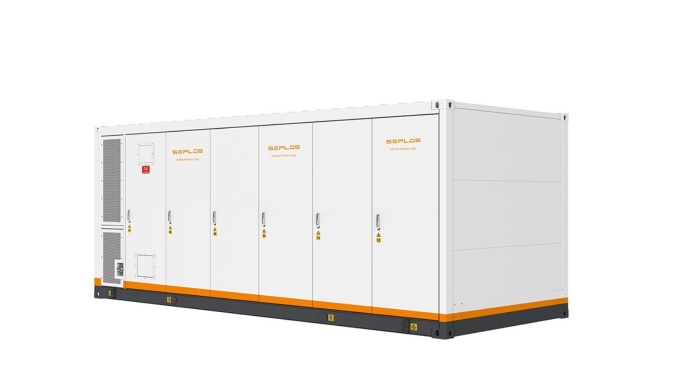
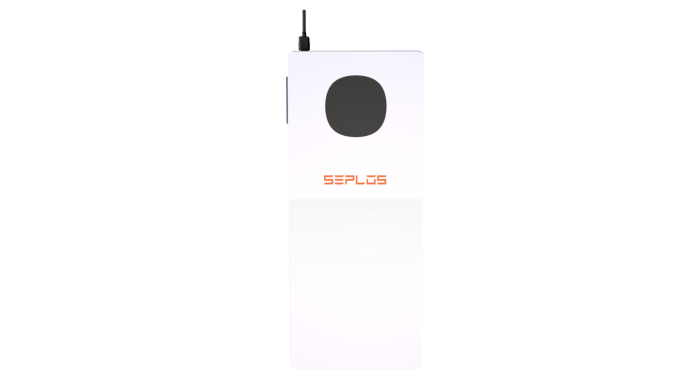
New Product Recommendations

Lithium iron phosphate batteries offer numerous compelling advantages that set them apart in the energy storage market. First and foremost is their outstanding safety profile, achieved through a highly stable chemical composition that resists thermal runaway and maintains integrity even under adverse conditions. The exceptional cycle life of these batteries, typically ranging from 3000 to 7000 cycles, provides significant cost benefits over their operational lifetime. This translates to a lower total cost of ownership despite a potentially higher initial investment. The batteries maintain consistent performance across their lifespan, with minimal capacity degradation and stable voltage output. Their charging efficiency remains high even in cold temperatures, though optimal performance is achieved between 0°C and 45°C. The environmental impact is notably reduced compared to other lithium-based batteries, as they contain no toxic heavy metals and are highly recyclable. The flat discharge curve ensures stable power delivery throughout the discharge cycle, making them ideal for applications requiring consistent power output. These batteries also excel in rapid charging scenarios, capable of achieving 80% capacity in as little as 30 minutes with appropriate charging infrastructure. Their low self-discharge rate, typically less than 3% per month, ensures reliable long-term storage capability. The absence of memory effect means they can be charged at any time without impacting battery life or performance.

Tips And Tricks

Commercial Energy Storage Solutions for Industry and Remote Communities: Powering the Future with Intelligence and Resilience

29

Oct

Commercial Energy Storage Solutions for Industry and Remote Communities: Powering the Future with Intelligence and Resilience

View More
Why All-in-One Energy Storage Solutions Are Becoming Popular Among Homeowners

29

Oct

Why All-in-One Energy Storage Solutions Are Becoming Popular Among Homeowners

View More
What Is the Best Energy Storage Solution for Your Home?

29

Oct

What Is the Best Energy Storage Solution for Your Home?

View More

Get a Free Quote

Our representative will contact you soon.
Email
Name
Company Name
Message
0/1000

charging lithium iron phosphate batteries

Superior Safety and Stability

Superior Safety and Stability

Lithium iron phosphate batteries stand out for their exceptional safety characteristics and operational stability. The unique crystal structure of the LiFePO4 cathode material creates strong molecular bonds that prevent oxygen release even under extreme conditions, virtually eliminating the risk of thermal runaway. This inherent safety feature is further enhanced by the battery's ability to maintain stability at high temperatures, typically up to 140°C, compared to 80°C for traditional lithium-ion batteries. The chemical composition resists decomposition and remains stable even when subjected to electrical or mechanical stress, making these batteries particularly suitable for applications where safety is paramount. The robust nature of the phosphate-based cathode also contributes to the battery's resistance to short circuits and overcharging, providing an additional layer of protection for users and equipment.
Extended Lifespan and Reliability

Extended Lifespan and Reliability

The remarkable longevity of lithium iron phosphate batteries sets a new standard in energy storage solutions. These batteries consistently deliver between 3000 to 7000 charge-discharge cycles while maintaining over 80% of their original capacity, significantly outperforming traditional lithium-ion alternatives. This extended lifespan is attributed to the stable chemical structure of the cathode material, which undergoes minimal structural changes during charging and discharging. The absence of cobalt in the chemistry not only makes these batteries more environmentally friendly but also contributes to their stability over time. The consistent performance throughout the battery's life cycle ensures reliable operation, with voltage stability maintained even under varying load conditions. This predictable behavior allows for more accurate system design and energy management, making these batteries particularly valuable for long-term installations.
Rapid Charging Capabilities

Rapid Charging Capabilities

The advanced charging capabilities of lithium iron phosphate batteries represent a significant technological breakthrough in energy storage solutions. These batteries can handle high charging currents without degradation, enabling charging rates that can reach up to 1C (full charge in one hour) under standard conditions, and even higher rates with appropriate thermal management. The crystal structure of LiFePO4 facilitates rapid lithium ion insertion and extraction, allowing for efficient charge transfer without causing structural damage to the cathode material. This rapid charging capability is maintained throughout the battery's lifetime, unlike many other battery chemistries that show degradation in charging performance over time. The battery's ability to accept high charging currents is complemented by sophisticated battery management systems that optimize the charging process, ensuring maximum efficiency while preventing potential damage from excessive current or voltage.

Get a Free Quote

Our representative will contact you soon.
Email
Name
Company Name
Message
0/1000