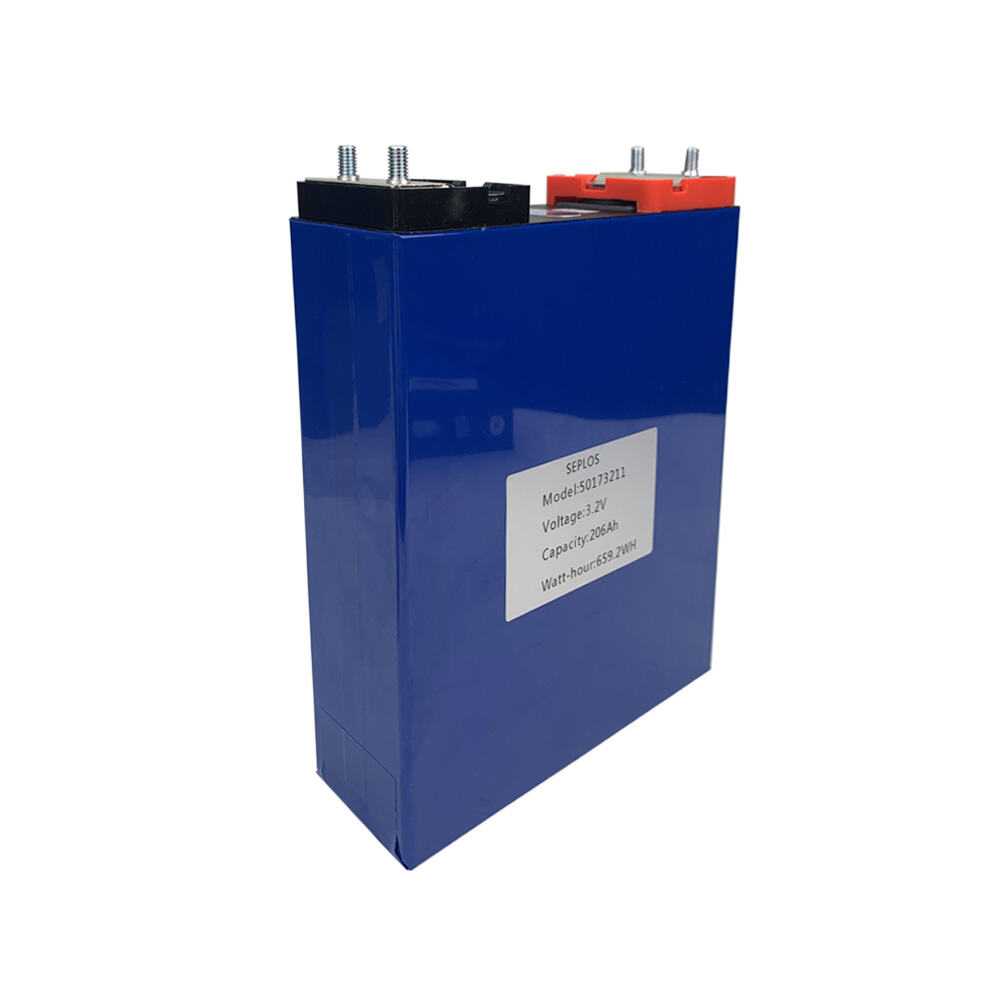
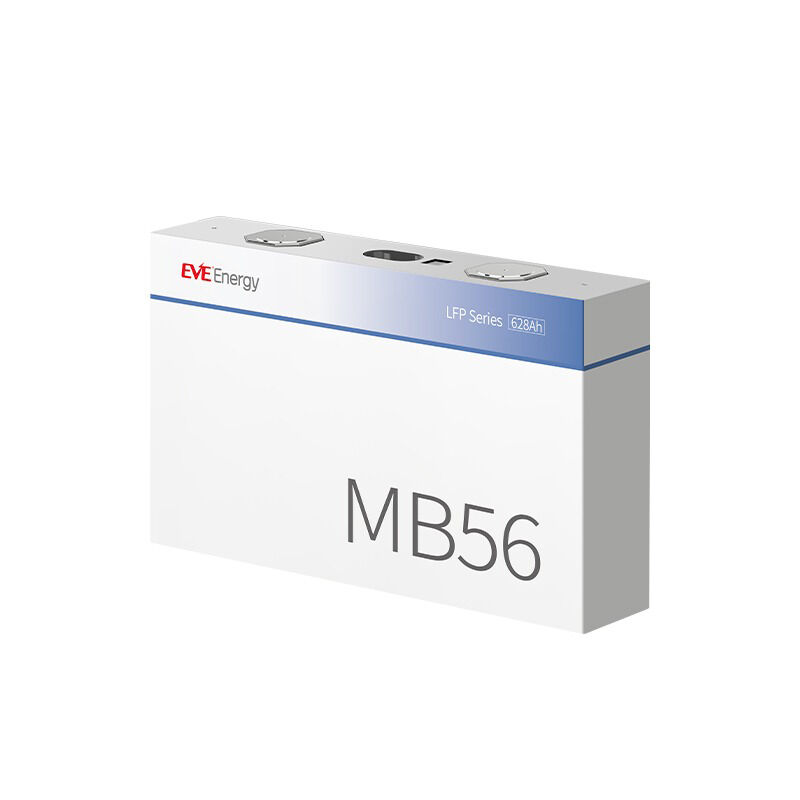
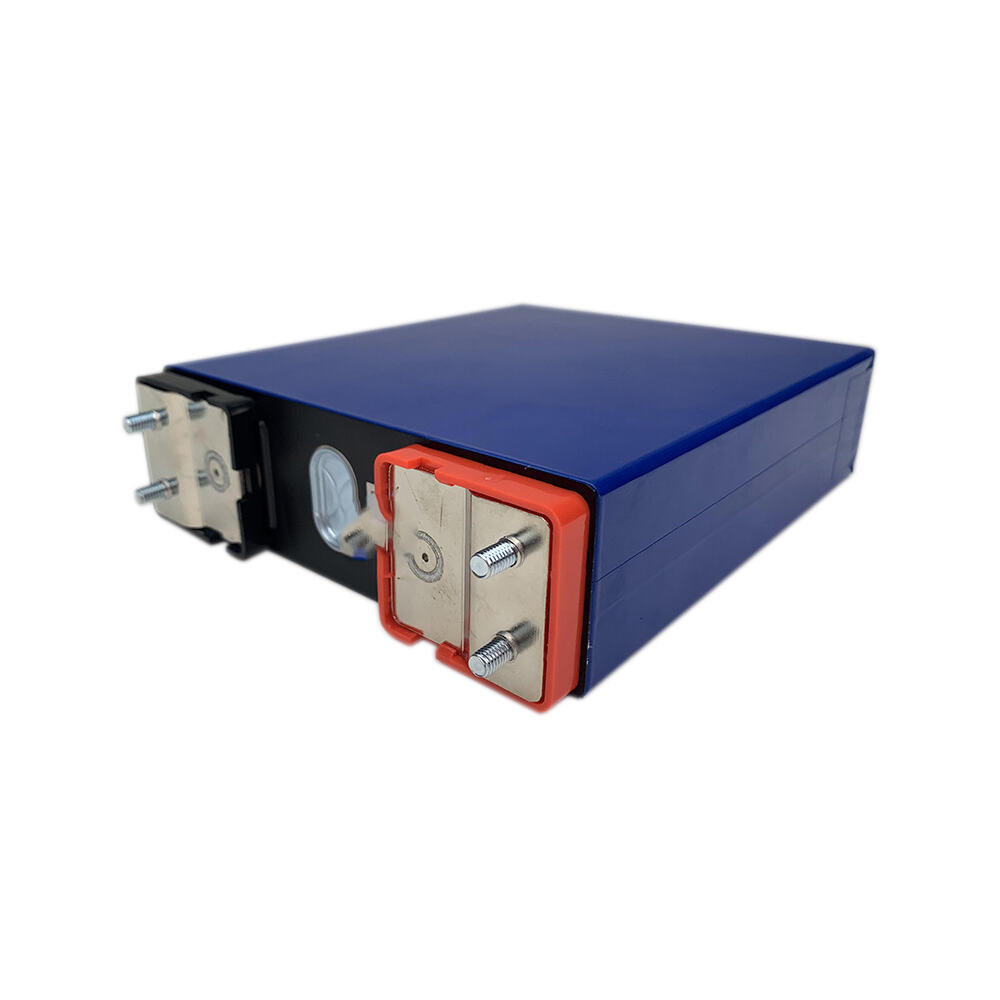
lithium phosphate battery cell
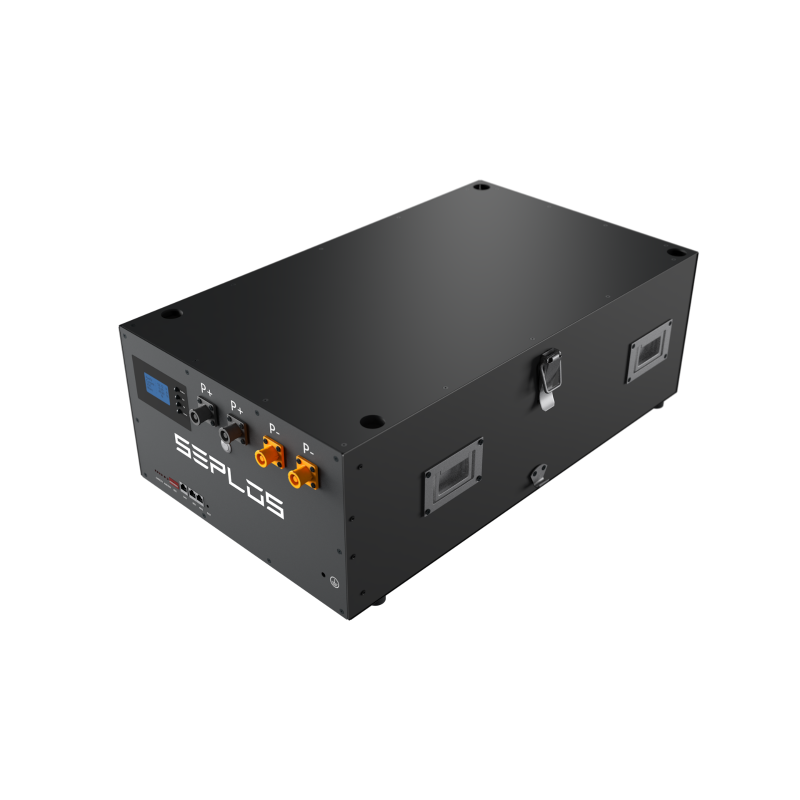
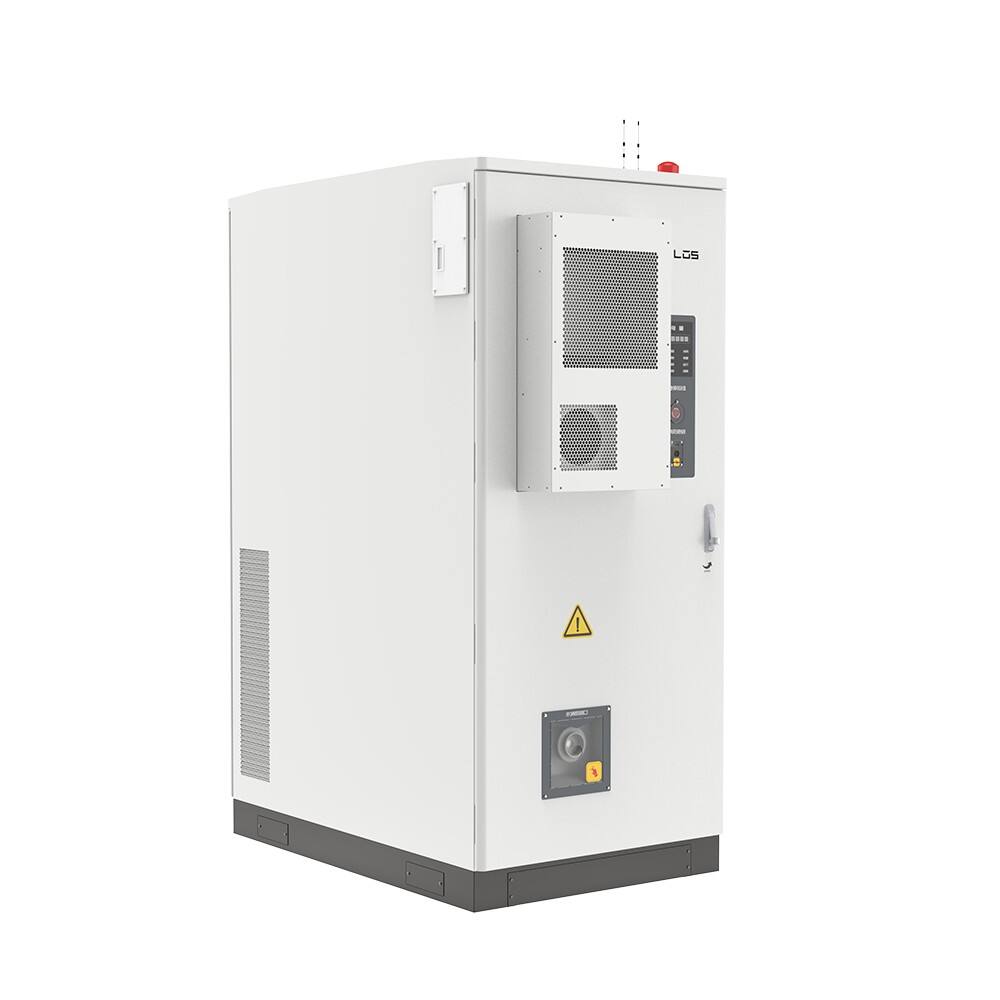
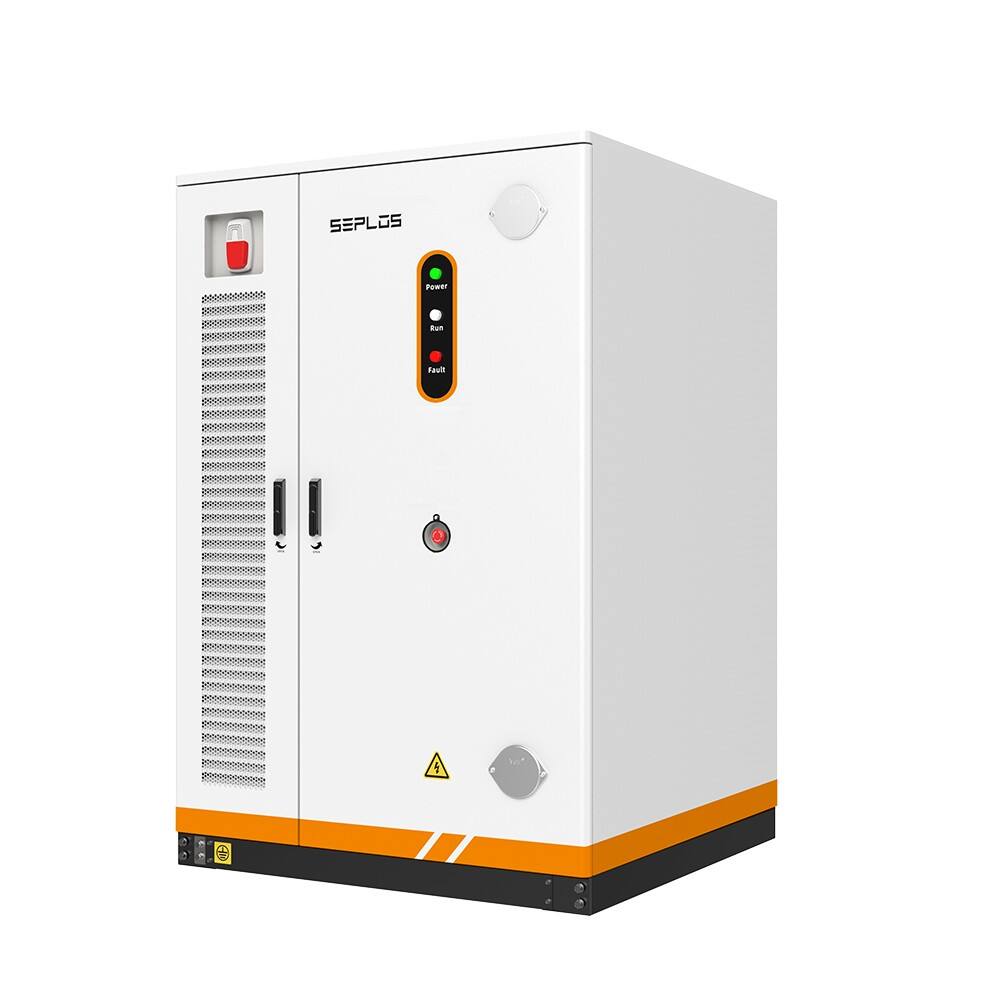
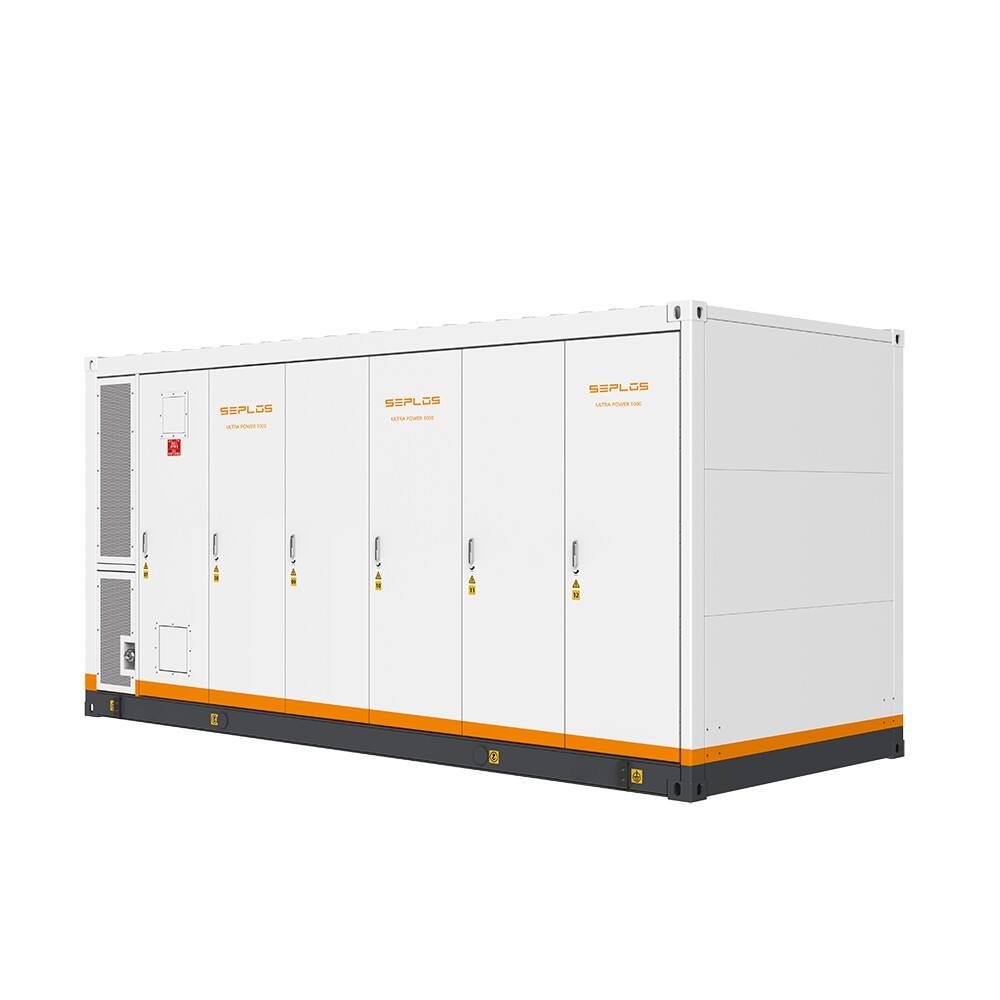
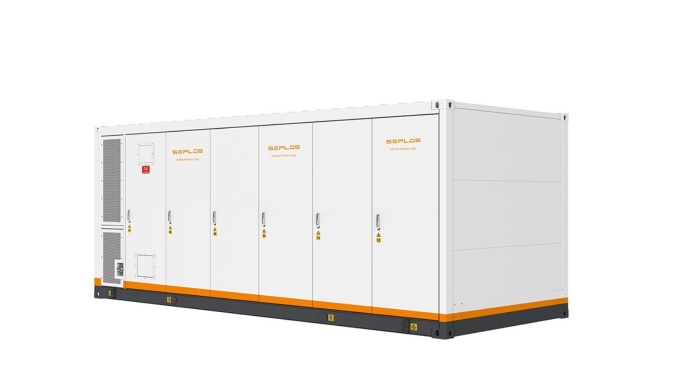
The lithium phosphate battery cell, also known as LiFePO4 or LFP battery, represents a significant advancement in energy storage technology. This innovative battery chemistry combines lithium iron and phosphate in its cathode material, delivering exceptional stability and safety characteristics. The cell's structure consists of a lithium iron phosphate cathode, a graphite anode, and an electrolyte medium that facilitates ion transfer. Operating within a voltage range of 2.5V to 3.65V, these cells provide consistent power output throughout their discharge cycle. The technology's inherent thermal and chemical stability makes it particularly suitable for large-scale energy storage applications. These cells demonstrate remarkable cycle life, typically achieving 2000-7000 cycles while maintaining 80% of their original capacity. Their distinctive architecture allows for efficient electron transfer, resulting in improved power density and faster charging capabilities compared to traditional lithium-ion batteries. In practical applications, lithium phosphate battery cells excel in electric vehicles, renewable energy storage systems, and industrial power backup solutions. The cells' ability to operate effectively across a wide temperature range, combined with their environmental friendliness and absence of toxic heavy metals, has positioned them as a preferred choice in sustainable energy solutions.

 EN
EN