Lithium Iron Phosphate Cells: Advanced, Safe, and Sustainable Energy Storage Solutions

Get a Free Quote

Our representative will contact you soon.
Email
Name
Company Name
Message
0/1000

lithium iron phosphate cells

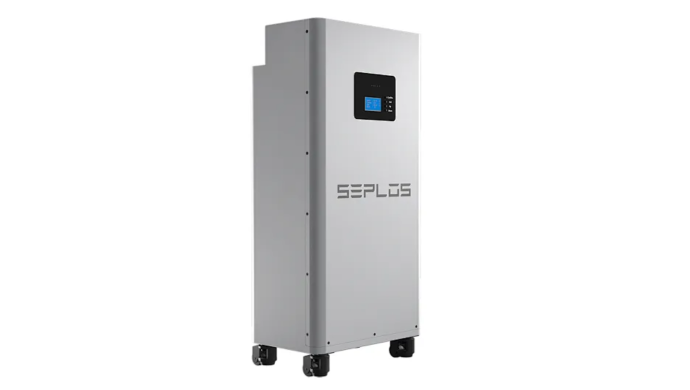
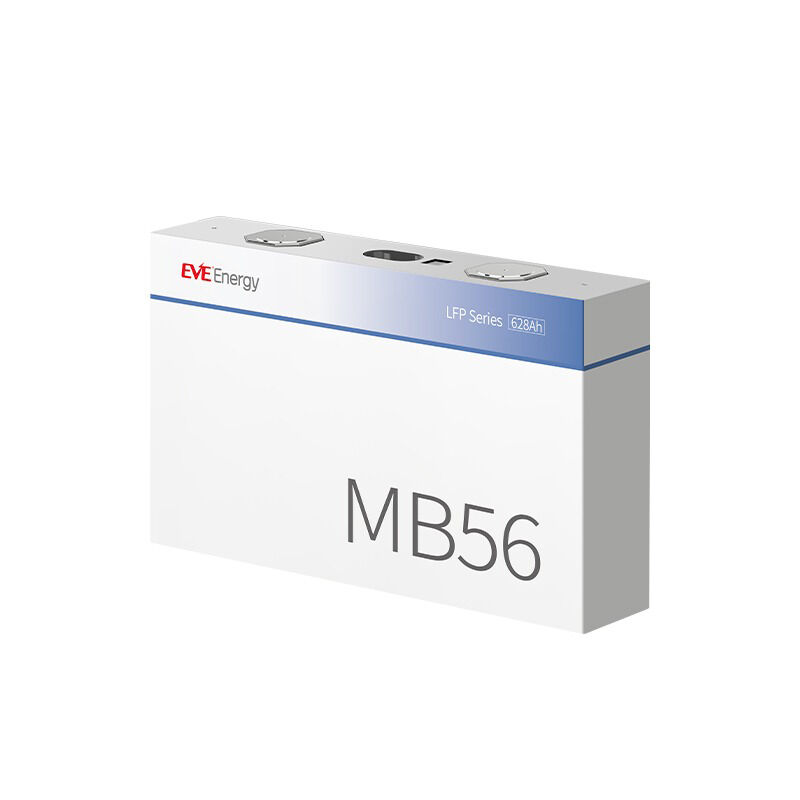
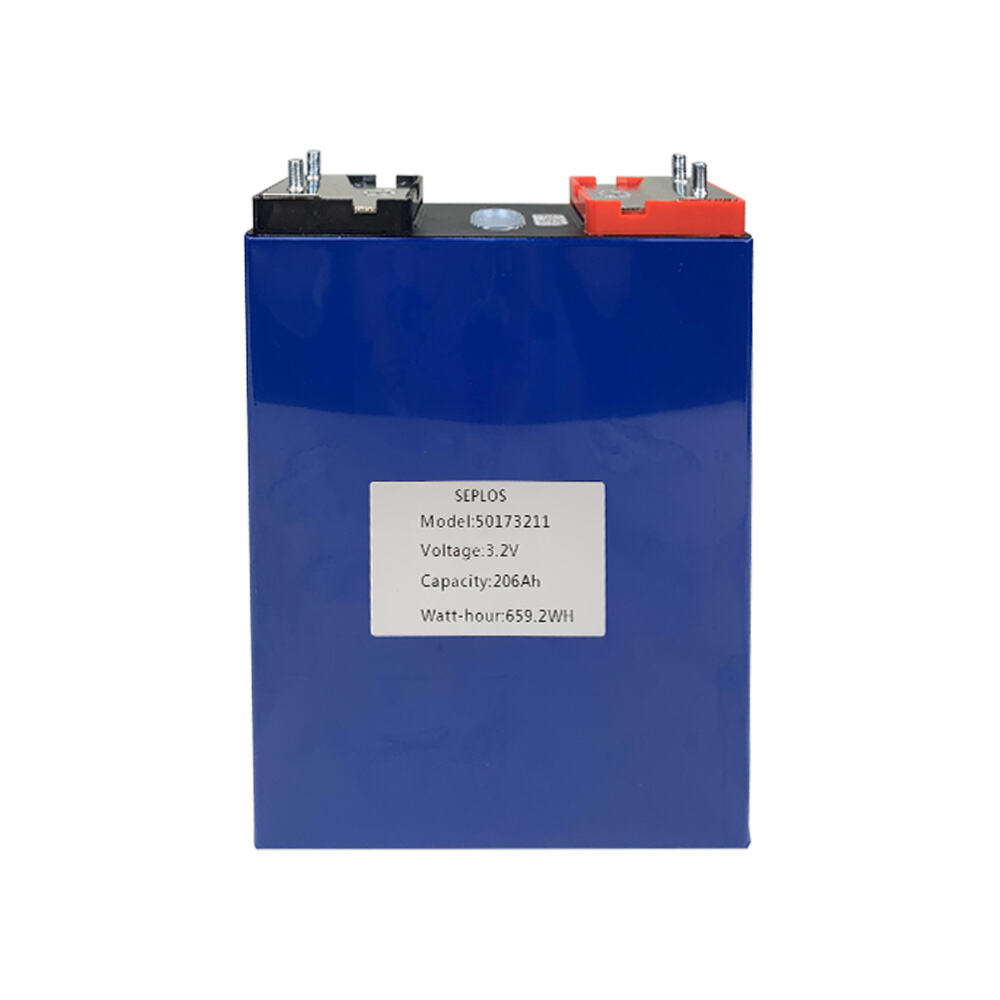
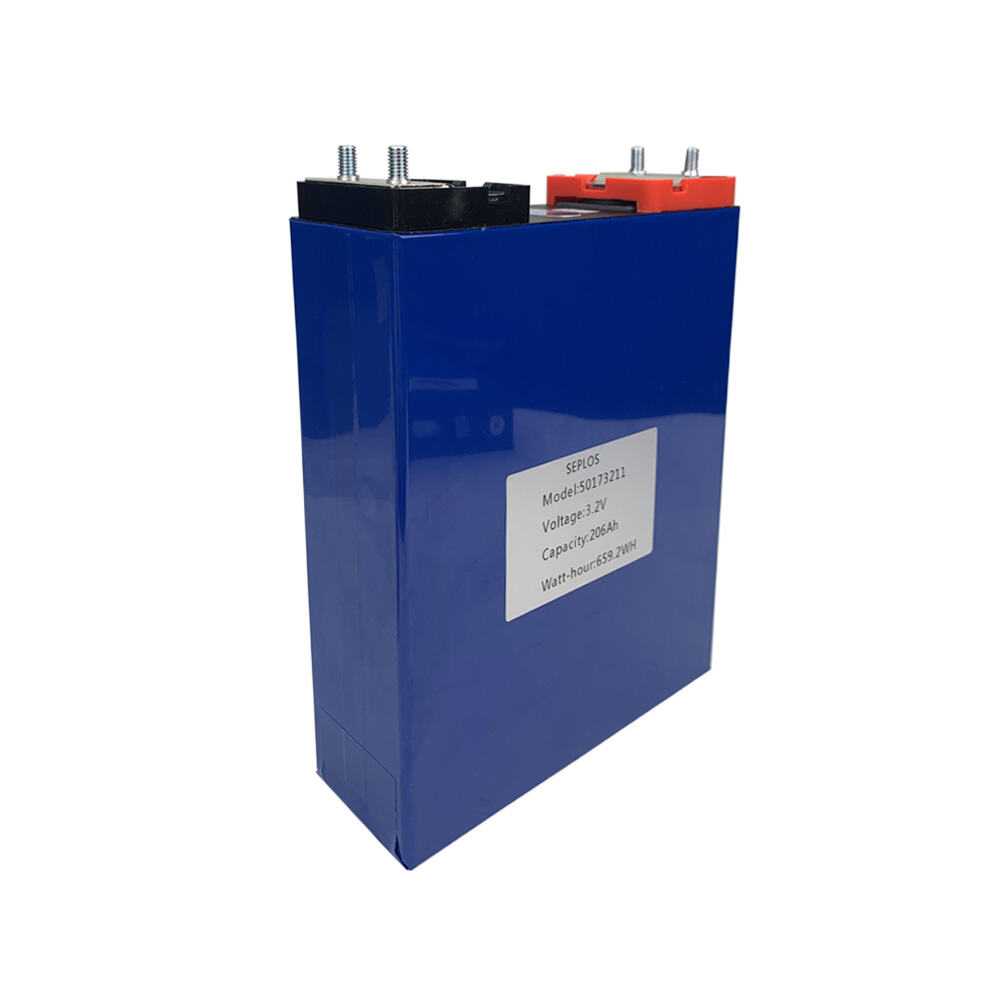
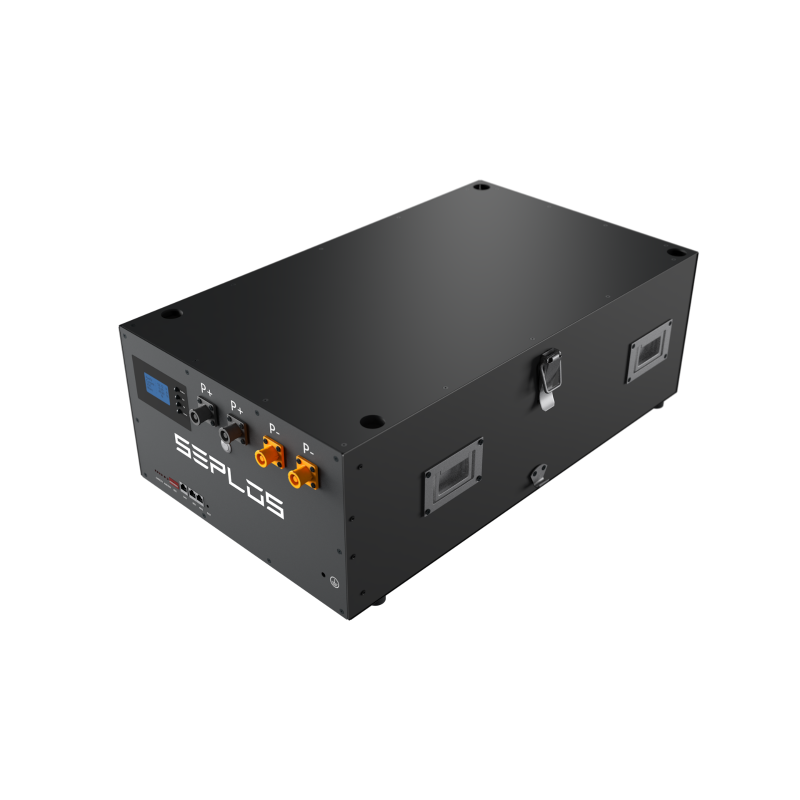
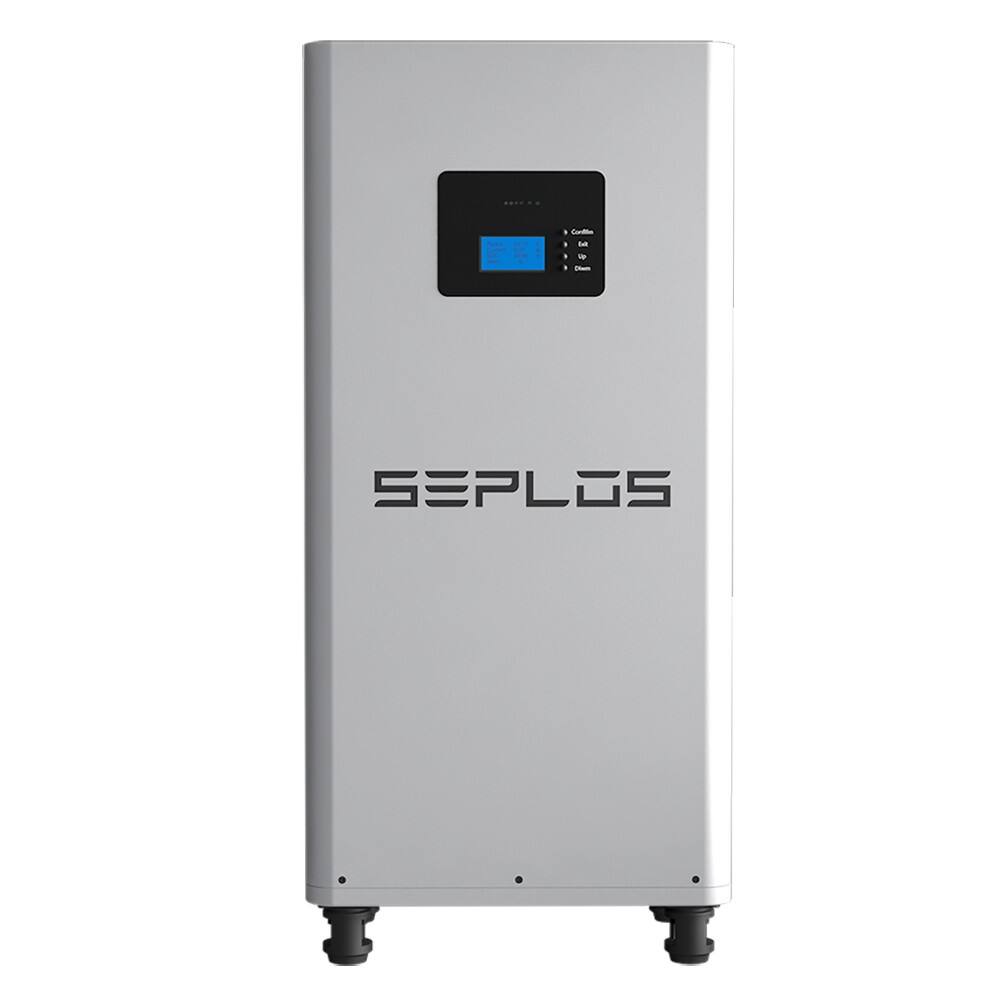
Lithium iron phosphate (LiFePO4) cells represent a groundbreaking advancement in battery technology, offering a safer and more stable alternative to traditional lithium-ion batteries. These cells utilize iron phosphate as the cathode material, combined with a lithium-based anode, creating a robust and reliable energy storage solution. The unique chemical structure of LiFePO4 cells provides exceptional thermal and chemical stability, making them significantly safer than conventional lithium-ion batteries. These cells operate within a voltage range of 2.5V to 3.65V per cell, delivering consistent power output throughout their discharge cycle. The technology excels in various applications, from renewable energy storage systems to electric vehicles, offering an impressive cycle life of 2000-7000 cycles. The cells maintain stable performance across a wide temperature range and demonstrate remarkable resistance to overcharging and short-circuit conditions. Their applications span across multiple industries, including solar energy storage, electric mobility solutions, and industrial power backup systems. The absence of toxic heavy metals in their composition makes them environmentally friendly, aligning with global sustainability goals. These cells also feature built-in protection mechanisms against common battery failures, ensuring reliable operation in demanding conditions.
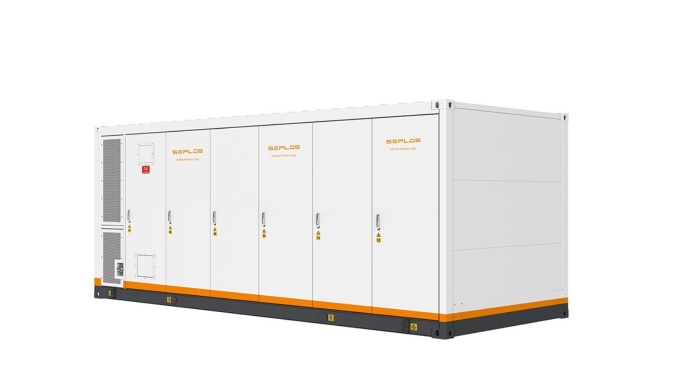
Popular Products

Lithium iron phosphate cells offer numerous compelling advantages that set them apart in the energy storage market. First and foremost, their outstanding safety profile stems from exceptional thermal stability, making them highly resistant to thermal runaway, a common concern with other lithium-based batteries. This enhanced safety makes them ideal for applications in sensitive environments. The cells demonstrate remarkable longevity, maintaining up to 80% of their original capacity even after thousands of cycles, significantly reducing the total cost of ownership. Their consistent voltage output throughout the discharge cycle ensures stable performance for connected devices, eliminating the need for complex voltage regulation systems. These cells excel in rapid charging capabilities, typically achieving 80% capacity in under an hour with appropriate charging systems. The environmental impact is minimal due to the use of abundant, non-toxic materials in their construction, making them a sustainable choice for green energy solutions. Their operational efficiency remains high across various temperature conditions, reducing the need for complex thermal management systems. The cells require minimal maintenance throughout their lifespan, contributing to lower operational costs. Their compact design and high energy density make them suitable for space-constrained applications while delivering reliable power output. The absence of memory effect allows for flexible charging patterns without compromising battery life, offering greater operational flexibility for users.

Latest News

Commercial Energy Storage Solutions for Industry and Remote Communities: Powering the Future with Intelligence and Resilience

29

Oct

Commercial Energy Storage Solutions for Industry and Remote Communities: Powering the Future with Intelligence and Resilience

View More
Why All-in-One Energy Storage Solutions Are Becoming Popular Among Homeowners

29

Oct

Why All-in-One Energy Storage Solutions Are Becoming Popular Among Homeowners

View More
What Is the Best Energy Storage Solution for Your Home?

29

Oct

What Is the Best Energy Storage Solution for Your Home?

View More

Get a Free Quote

Our representative will contact you soon.
Email
Name
Company Name
Message
0/1000

lithium iron phosphate cells

Superior Safety and Stability

Superior Safety and Stability

The paramount feature of lithium iron phosphate cells lies in their unmatched safety characteristics and operational stability. The inherent chemical structure of LiFePO4 creates a highly stable cathode material that resists decomposition even under extreme conditions. This stability manifests in several critical ways: the cells maintain their structural integrity at high temperatures, resist thermal runaway events, and demonstrate exceptional tolerance to electrical abuse conditions. The phosphate-based cathode chemistry creates strong covalent bonds that prevent oxygen release during failure modes, significantly reducing fire risks. This enhanced safety profile eliminates the need for complex protection circuits, though basic safety measures are still implemented. The cells maintain stable performance even when subjected to physical stress or impact, making them ideal for mobile applications where vibration and movement are common. Their ability to withstand various environmental conditions without degradation ensures reliable operation in diverse applications, from residential energy storage to industrial power systems.
Extended Cycle Life and Durability

Extended Cycle Life and Durability

Lithium iron phosphate cells distinguish themselves through their exceptional longevity and durability in real-world applications. The robust chemical structure enables these cells to withstand thousands of charge-discharge cycles while maintaining high capacity retention. This extended cycle life translates directly to lower replacement costs and reduced maintenance requirements over the system's lifetime. The cells demonstrate minimal capacity fade during normal operation, typically retaining over 80% of their initial capacity after 2000-7000 cycles, depending on usage conditions. This durability stems from the stable crystal structure of the cathode material, which experiences minimal physical changes during cycling. The absence of significant structural degradation ensures consistent performance throughout the battery's lifespan. This remarkable cycle life makes these cells particularly valuable in applications requiring frequent cycling, such as daily energy storage in solar systems or electric vehicle operations.
Environmental Sustainability and Cost Efficiency

Environmental Sustainability and Cost Efficiency

The environmental and economic benefits of lithium iron phosphate cells represent a significant advancement in sustainable energy storage technology. The cells utilize environmentally friendly materials, with iron and phosphate being abundant and non-toxic elements. This composition eliminates concerns about heavy metal pollution and reduces the environmental impact of battery production and disposal. The manufacturing process requires less energy compared to other lithium-based batteries, resulting in a lower carbon footprint. The extended lifespan of these cells reduces waste generation and the frequency of replacement, contributing to sustainability goals. From an economic perspective, the combination of long cycle life, minimal maintenance requirements, and stable raw material costs makes these cells highly cost-effective over their operational lifetime. The ability to operate efficiently without complex cooling systems further reduces installation and operating costs. These factors combine to deliver an environmentally responsible and economically viable energy storage solution.

Get a Free Quote

Our representative will contact you soon.
Email
Name
Company Name
Message
0/1000