EN
EN



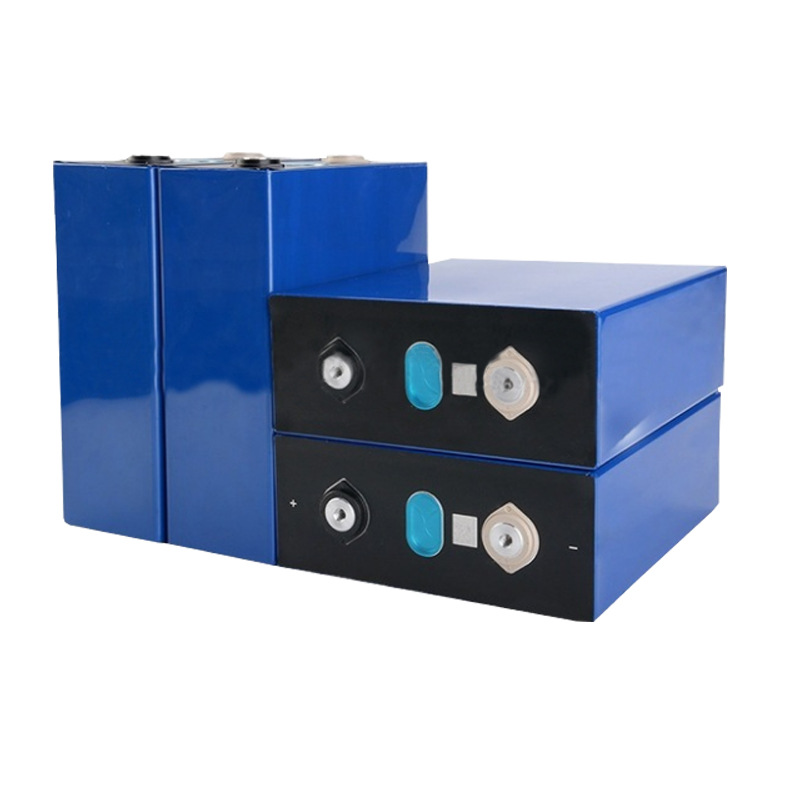
Lithium battery safety is a critical concern across industries, from renewable energy systems to industrial equipment and portable power solutions. Proper lithium battery handling and storage protect personnel, equipment, and facilities from fire, explosion, and chemical hazards. Understanding the risks associated with lithium battery chemistry and implementing best practices for lithium battery management ensures compliance with safety regulations and prevents costly operational disruptions. This guide covers essential protocols for lithium battery safety that every organization should adopt.
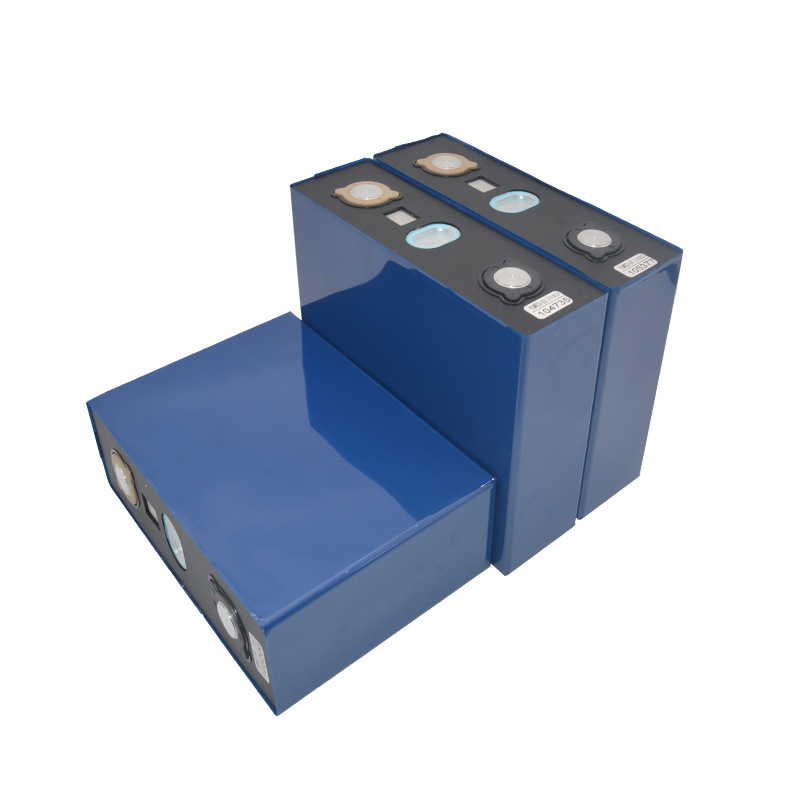
The risks posed by lithium battery mishandling stem from the reactive nature of lithium compounds and the flammable electrolyte solutions they contain. A single lithium battery damaged by physical shock, thermal stress, or manufacturing defect can generate sufficient heat to ignite surrounding materials and trigger thermal runaway—a cascading chemical reaction that is nearly impossible to extinguish with conventional firefighting methods. Organizations must establish clear protocols for lithium battery handling, storage, and transport to mitigate these inherent dangers and maintain a safety-first environment.
Understanding Lithium Battery Hazards and Risks
Chemical and Physical Properties of Lithium Batteries
A lithium battery contains highly reactive materials suspended in organic solvents and housed within a sealed cell. When a lithium battery is punctured, overcharged, or exposed to extreme temperatures, internal chemistry becomes unstable. The separator between the positive and negative terminals can fail, causing a short circuit that generates intense heat. This thermal event can rupture the lithium battery case, releasing electrolyte vapor and creating conditions for fire. Understanding these failure mechanisms is the first step toward safe lithium battery operation and preventing workplace incidents.
Thermal Runaway and Fire Propagation
Thermal runaway is the most dangerous failure mode in a lithium battery. Once initiated, thermal runaway in a lithium battery self-perpetuates through exothermic chemical reactions, producing temperatures exceeding 1,000 degrees Celsius within seconds. A single failing lithium battery can ignite adjacent units in a battery pack or system, creating a cascading failure that spreads throughout the installation. Preventing thermal runaway requires controlling the lithium battery operating environment, maintaining structural integrity, and detecting early warning signs such as swelling or unusual heat. Organizations storing or deploying lithium battery systems must have detection capabilities and emergency response protocols in place.
Safe Storage Practices for Lithium Battery Systems
Environmental Control and Facility Design
Lithium battery storage facilities must maintain stable environmental conditions to minimize chemical stress on cells. Temperature fluctuations accelerate degradation within a lithium battery, increasing the risk of internal defects that lead to failure. Optimal storage temperatures for a lithium battery range from 15 to 35 degrees Celsius, with humidity controlled between 20 and 80 percent. Storage areas should be well-ventilated, equipped with fire suppression systems compatible with lithium battery fires—such as Class D extinguishing agents or specialized lithium battery suppression systems—and physically separated from occupied workspaces. A dedicated lithium battery storage room reduces exposure to personnel and limits damage if a lithium battery incident occurs.
Isolation, Spacing, and Containment
Individual lithium battery units and modules should be stored with adequate spacing to prevent thermal energy transfer if one lithium battery fails. Horizontal spacing of at least 0.5 meters between battery modules and vertical separation in racking systems minimizes the risk of cascading thermal runaway across multiple lithium battery packs. Containment barriers made from fire-resistant materials can further isolate a lithium battery failure and prevent electrolyte migration across the storage floor. Each lithium battery should be labeled with voltage, capacity, date of manufacture, and emergency contact information. Secondary containment trays capture leaking electrolyte from a damaged lithium battery, protecting concrete floors and groundwater from chemical contamination.
Handling Procedures and Personnel Training
Transport and Mechanical Stress Prevention
Physical damage is a primary cause of lithium battery failure and fire. Personnel handling a lithium battery must use appropriate lifting equipment and padding to prevent dropping or striking battery cases. Forklifts should have soft, non-conductive forks to minimize impact when moving a lithium battery pallet. Lithium battery transport routes should be inspected for obstacles, and personnel should avoid stacking heavy materials on top of battery shipments. Shock sensors and accelerometers can be attached to lithium battery pallets during transport to detect rough handling, alerting teams to potential internal damage in a lithium battery that may not be visually apparent. Damaged or deformed lithium battery units should be quarantined immediately and not placed into service until inspected by a qualified technician.
Emergency Response and Personnel Competency
Staff working with lithium battery systems must receive comprehensive training on hazard recognition, safe handling practices, and emergency procedures. Training should cover how to identify signs of a failing lithium battery, including visible swelling, unusual odors, and temperature anomalies. Personnel should understand that water is ineffective for extinguishing a lithium battery fire and may accelerate the chemical reaction. Emergency response teams must practice lithium battery incident drills, including evacuation procedures, use of specialized suppression equipment, and communication protocols. First responders and fire departments should be informed of lithium battery storage locations and provided with technical documentation describing lithium battery chemistry and appropriate suppression methods.
Compliance, Monitoring, and Long-Term Stewardship
Regulatory Requirements and Documentation
Lithium battery handling and storage are governed by regulations including NFPA 855 (Standard on the Installation of Stationary Energy Storage Systems), DOT shipping rules, and local fire codes. Organizations must maintain documentation of lithium battery purchase dates, installation records, maintenance logs, and any incidents involving lithium battery failure or degradation. A lithium battery management system should track state of health metrics, remaining useful life, and cycle counts to predict end-of-life and prevent operation of a lithium battery beyond safe performance windows. Periodic third-party audits of lithium battery facilities ensure compliance with evolving standards and identify gaps in safety protocols or training.
Maintenance, Testing, and Continuous Improvement
Regular maintenance of a lithium battery system extends operational life and reduces failure risk. Thermal imaging surveys can detect hot spots in a lithium battery rack that indicate internal resistance or component failure developing. Impedance testing measures the internal resistance of a lithium battery and can reveal manufacturing defects or age-related degradation before catastrophic failure occurs. Battery management systems should continuously monitor voltage, current, and temperature within each lithium battery cell, logging data for trend analysis. When a lithium battery reaches end-of-life, it must be recycled or disposed of through licensed facilities specializing in lithium battery recovery and safe material handling. Closed-loop lithium battery recycling programs recover valuable materials and prevent environmental contamination while reducing demand for virgin lithium extraction.

FAQ
What is the most common cause of lithium battery fire?
Physical damage and manufacturing defects are the most common triggers for lithium battery fire. Impact, crushing, or puncture of a lithium battery cell creates internal short circuits that generate heat and initiate thermal runaway. Overcharging, exposure to temperatures above 60 degrees Celsius, and internal separator failure also cause a lithium battery to enter thermal runaway. Proper handling, environmental control, and pre-use inspection reduce these risks significantly.
How long can a lithium battery be safely stored?
A lithium battery stored in controlled conditions—temperatures between 15 and 35 degrees Celsius and humidity between 20 and 80 percent—can remain stable for 12 to 24 months when stored at 50 percent state of charge. Extreme temperatures accelerate chemical aging inside a lithium battery, reducing safe storage duration. Long-term lithium battery storage should include periodic state-of-health checks and rebalancing to maintain cell voltage uniformity and prevent a lithium battery from entering a failure state due to self-discharge imbalance.
What specialized equipment do lithium battery fires require?
Water and standard dry chemical extinguishers are ineffective against a lithium battery fire. Class D extinguishing agents such as sodium chloride or specialized lithium battery suppression systems are required for a lithium battery incident. Wet sand, argon gas, or specialized thermal blankets can smother flames from a lithium battery fire by excluding oxygen. Fire departments responding to a lithium battery emergency should have access to technical data sheets and be trained on the differences between lithium battery fires and conventional fires to select appropriate suppression methods.