EN
EN


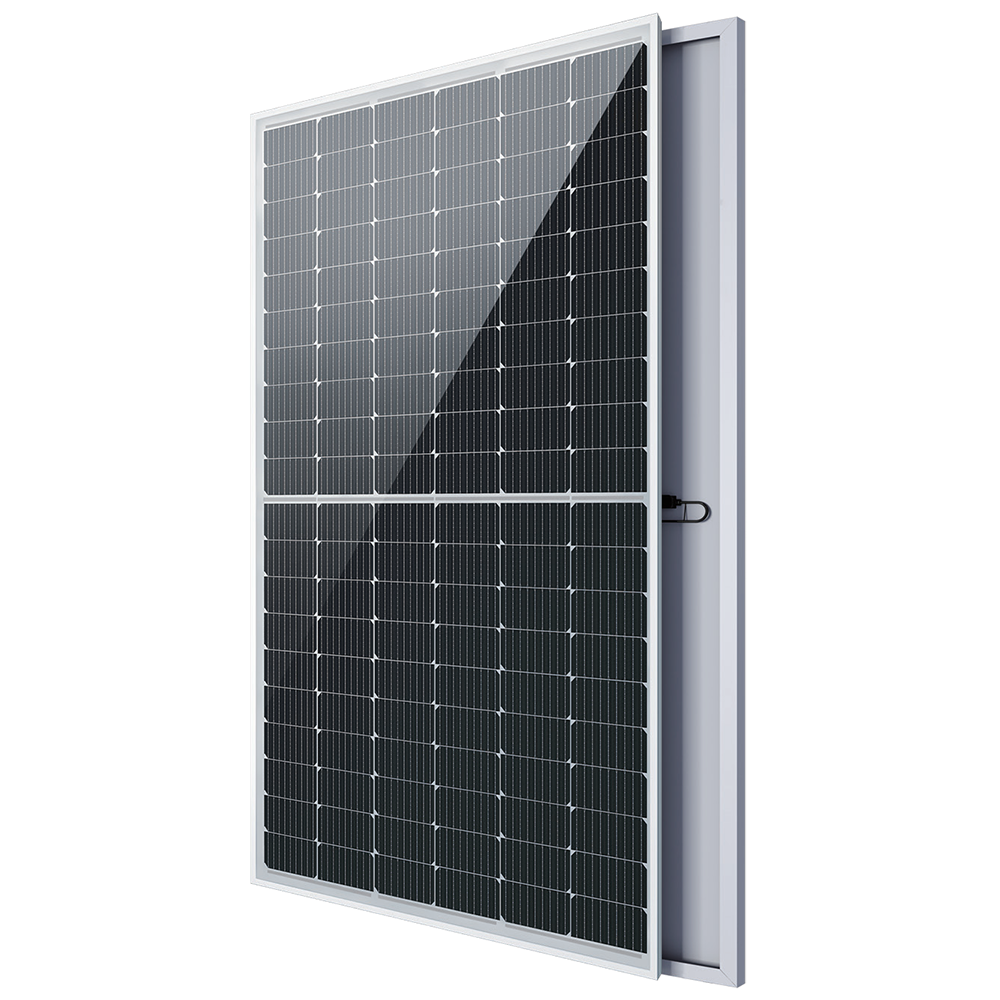
A solar energy system represents a significant investment in your property's energy independence and sustainability. To protect this investment and ensure your solar energy system continues delivering reliable power for decades, a comprehensive maintenance approach is essential. Regular upkeep of your solar energy system not only maximizes energy production but also prevents costly repairs and extends the operational lifespan of all components. Understanding how to properly maintain your solar energy system is the foundation of long-term performance and financial returns.
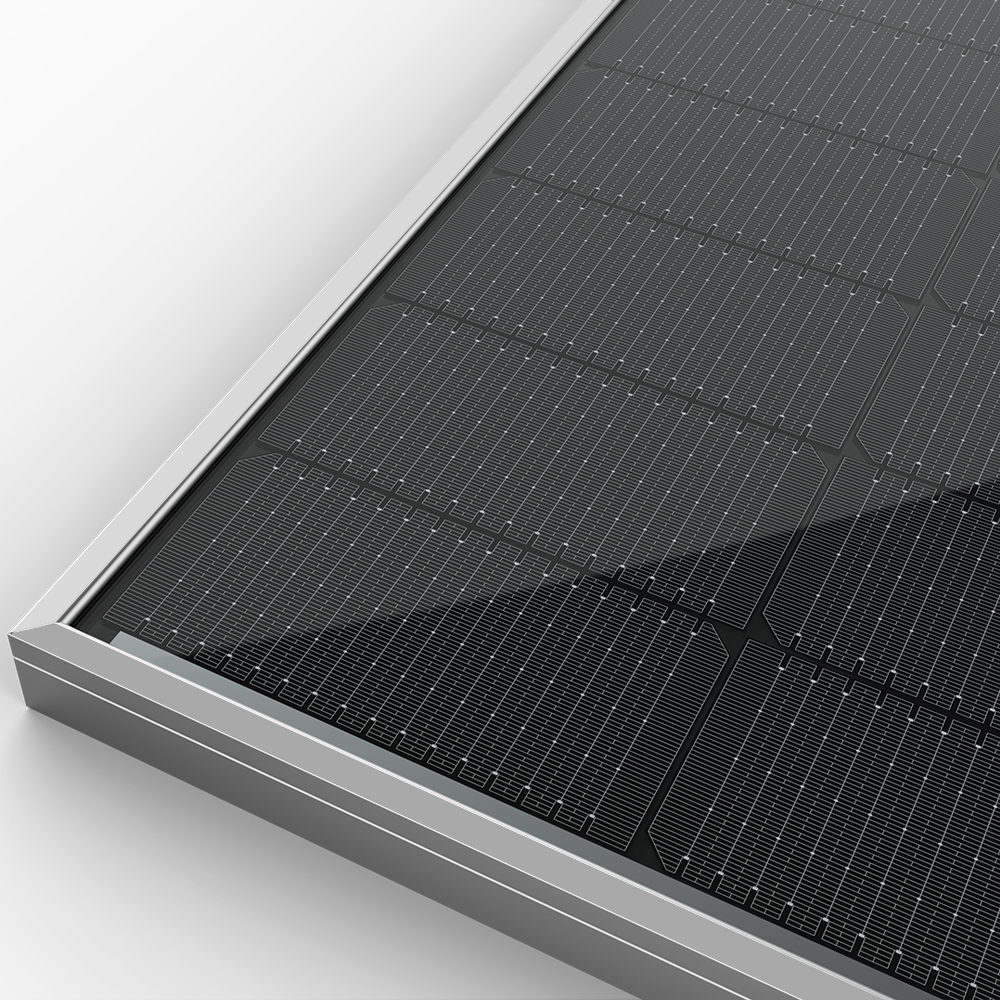
Most property owners underestimate the importance of proactive maintenance for their solar energy system. Unlike traditional grid-connected utilities, your solar energy system requires active monitoring and periodic care to maintain peak efficiency. Environmental factors such as dust accumulation, weather exposure, and seasonal variations directly impact how your solar energy system performs. By implementing a structured maintenance schedule for your solar energy system, you can avoid performance degradation and ensure consistent energy generation throughout the year.
Cleaning and Inspection Protocols for Your Solar Energy System
Regular Panel Cleaning for Optimal Solar Energy System Output
Dust, debris, and environmental contaminants accumulate on solar panels and significantly reduce the efficiency of your solar energy system. Quarterly cleaning of your solar energy system panels is recommended in dry climates, while monthly cleaning may be necessary in dusty or coastal regions. When cleaning your solar energy system, use soft-bristled brushes and deionized water to avoid scratching the glass surface or damaging the protective coating. Professional cleaning of your solar energy system typically costs between two hundred and five hundred dollars annually but can increase energy output by five to fifteen percent, making it a worthwhile investment for maintaining your solar energy system.
Structural and Electrical Inspections of Your Solar Energy System
Visual inspections of your solar energy system should occur at least twice yearly to identify loose connections, corrosion, or physical damage. Check all mounting hardware, wiring connections, and conduit integrity to ensure your solar energy system remains secure and safe. Thermal imaging technology can detect internal faults within your solar energy system that may not be visible to the naked eye, revealing hotspots that indicate failing cells or connection issues. Professional electrical testing of your solar energy system ensures that inverters, charge controllers, and battery storage systems are functioning within specification and safely managing power flow throughout your solar energy system infrastructure.
Battery Storage Maintenance and Monitoring
Battery Performance and Health Management for Your Solar Energy System
If your solar energy system includes battery storage, monitoring charge cycles and state of health becomes critical for longevity. Modern battery management systems integrated into your solar energy system automatically track voltage, current, and temperature to prevent overcharging or deep discharge conditions that degrade battery chemistry. Temperature control is particularly important for battery longevity in your solar energy system; keeping batteries within forty-five to sixty-five degrees Fahrenheit optimizes performance and extends cycle life. A solar energy system with advanced battery monitoring allows you to observe real-time metrics and receive alerts when maintenance is needed.
Seasonal Battery Maintenance for Your Solar Energy System
Seasonal changes affect how your solar energy system stores and delivers power throughout the year. Before winter, ensure your solar energy system batteries are fully charged and that thermal management systems are functioning properly to protect against cold-weather performance loss. During summer months, verify that your solar energy system cooling mechanisms prevent excessive heat accumulation in battery enclosures. Annual professional battery inspection of your solar energy system includes checking terminal connections, measuring specific gravity in lead-acid systems, and validating lithium battery management protocols that keep your solar energy system operating safely and efficiently.
Inverter Care and System Integration Optimization
Inverter Maintenance and Firmware Updates for Your Solar Energy System
The inverter serves as the central intelligence of your solar energy system, converting direct current from panels into usable alternating current for household loads. Dust and debris can accumulate on inverter cooling fans, reducing cooling efficiency and potentially causing thermal shutdown of your solar energy system. Inspect the inverter enclosure for water ingress, corrosion, or physical damage that could compromise the performance of your solar energy system. Manufacturers regularly release firmware updates for your solar energy system inverter that improve efficiency, fix bugs, and enhance grid interconnection capabilities, so check for available updates quarterly to keep your solar energy system operating at peak capability.
Electrical System Integration and Safety Protocols for Your Solar Energy System
Your solar energy system connects to multiple electrical components including disconnect switches, circuit breakers, surge protectors, and grounding systems that require periodic verification. Test all safety disconnects annually to ensure your solar energy system can be safely powered down during emergencies or maintenance activities. Verify that your solar energy system grounding connections remain tight and corrosion-free, as poor grounding compromises both safety and electrical performance. A well-maintained solar energy system produces reliable power, but only when all interconnected components function together harmoniously, making comprehensive system checks essential for long-term reliability and safety.
Monitoring, Documentation, and Professional Support
Performance Tracking and Data Analysis for Your Solar Energy System
Modern monitoring systems provide detailed insights into your solar energy system performance, tracking daily output, efficiency metrics, and identifying anomalies that might indicate problems. Comparing historical performance data from your solar energy system helps establish baseline expectations and quickly detect when energy production drops unexpectedly. Cloud-based monitoring platforms for your solar energy system offer remote alerts when production falls below predicted levels, enabling rapid diagnosis and repair. Monthly review of your solar energy system data ensures you catch performance issues early before they worsen or cause cascading failures in interconnected components.
Professional Maintenance Plans and Expert Guidance for Your Solar Energy System
Many solar installers offer annual maintenance plans that include comprehensive inspections, cleaning, and priority repair service for your solar energy system. Professional technicians have specialized diagnostic equipment that can thoroughly assess all aspects of your solar energy system health and identify potential problems before they impact performance. Documentation of all maintenance activities on your solar energy system creates a service history valuable for warranty claims and future system upgrades. Investing in professional support for your solar energy system pays dividends through optimized performance, extended component lifespan, and protection of your overall investment in renewable energy independence.
FAQ
How often should I have my solar energy system professionally serviced?
Annual professional servicing of your solar energy system is the industry standard recommendation, with additional inspections recommended after severe weather events or if you notice performance changes. Quarterly visual inspections and monthly monitoring data reviews help catch issues early for your solar energy system. Some manufacturers recommend bi-annual comprehensive inspections for solar energy system systems with battery storage to ensure optimal battery health and safety compliance.
What are the most common maintenance issues that affect solar energy system efficiency?
Panel soiling from dust and debris is the most frequent efficiency reducer for solar energy system installations, followed by loose electrical connections and failing inverters. Battery systems within a solar energy system commonly experience performance degradation from temperature extremes or improper charge management. Identifying and addressing these issues through regular solar energy system maintenance prevents efficiency losses that can reduce annual energy production by twenty to thirty percent.
Can I perform maintenance on my solar energy system myself?
Basic cleaning and visual inspections of your solar energy system can be performed by homeowners, but electrical work should always be handled by licensed professionals to ensure safety and warranty compliance. Complex diagnostics on your solar energy system, battery testing, and inverter work require specialized training and equipment that professional technicians possess. Always consult your solar energy system manufacturer's guidelines and local regulations before attempting any maintenance beyond simple cleaning and monitoring data review.