EN
EN


An efficient residential solar energy system represents the convergence of multiple integrated components working in harmony to capture, convert, and store solar power for household consumption. Understanding these key components and their interconnected roles is essential for homeowners seeking to maximize energy independence while optimizing system performance and long-term return on investment. The effectiveness of any solar energy system depends not only on individual component quality but also on how well these elements complement each other within the overall system architecture.
Modern residential solar installations have evolved far beyond simple panel arrays, incorporating sophisticated energy management technologies that enable homeowners to capture maximum value from their solar investment. Each component within a comprehensive solar energy system serves a specific function while contributing to the overall efficiency and reliability of renewable energy generation. The strategic selection and proper integration of these components directly impact system performance, energy output, and the ability to maintain consistent power supply during various operating conditions.
Solar Panels: The Foundation of Energy Capture
Photovoltaic Cell Technology and Efficiency Ratings
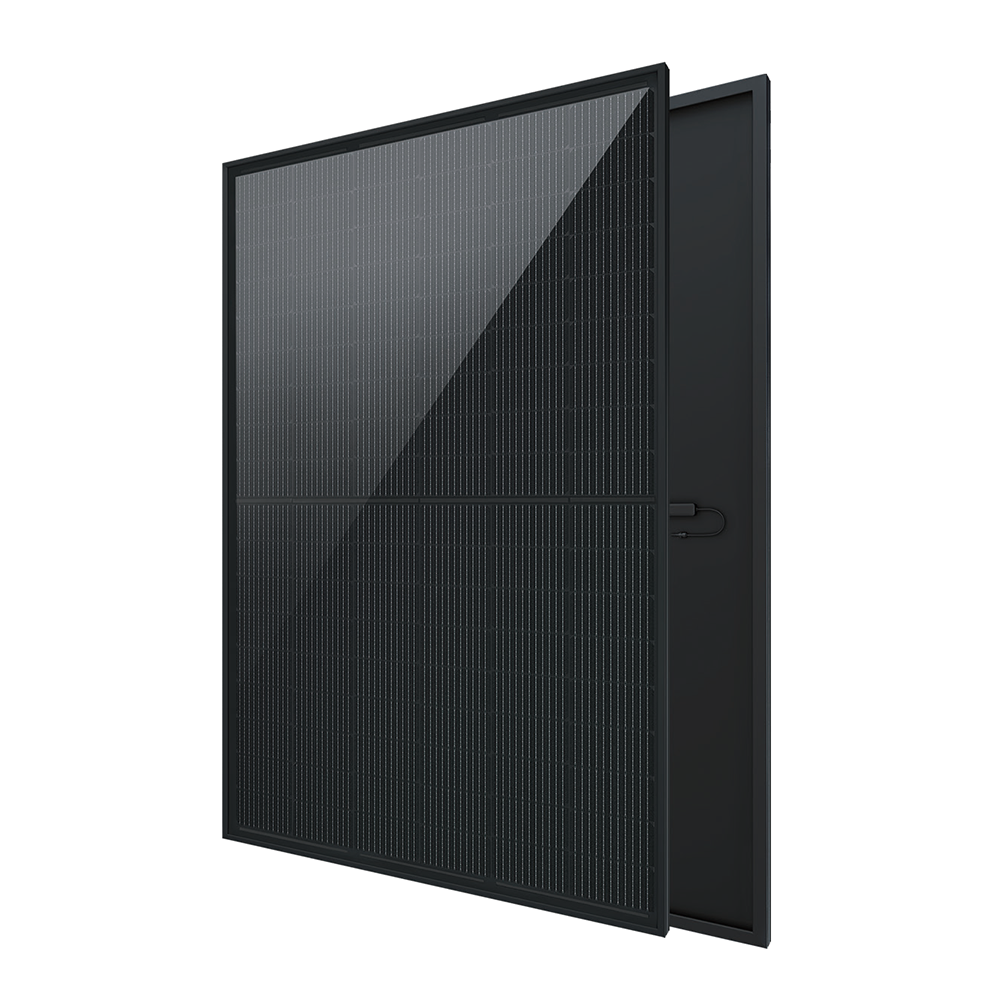
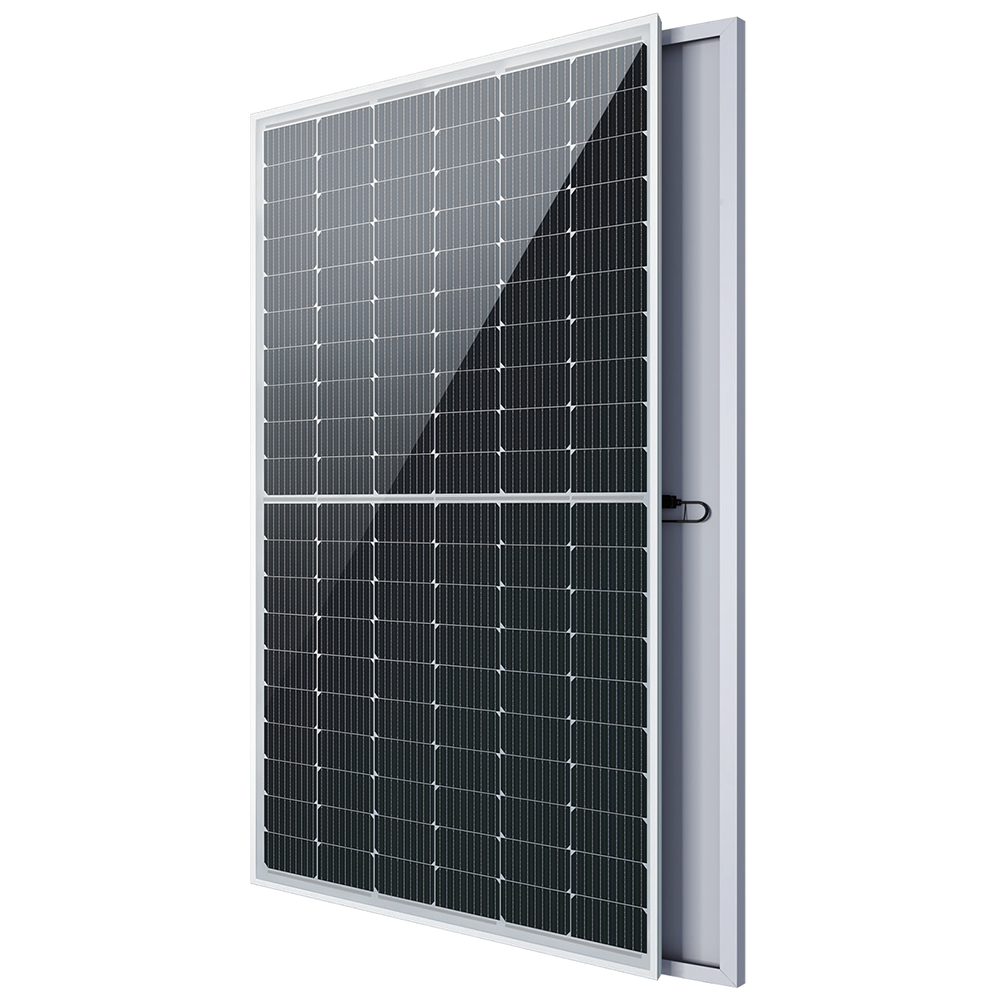
Solar panels form the primary energy capture component of any solar energy system, converting sunlight directly into electrical current through photovoltaic cells. Modern residential panels typically utilize monocrystalline or polycrystalline silicon technology, with monocrystalline panels generally offering higher efficiency ratings ranging from eighteen to twenty-two percent. The efficiency rating determines how much available sunlight the panel can convert into usable electricity, directly impacting the overall energy production capacity of the solar energy system.
Panel efficiency becomes particularly critical in residential installations where roof space may be limited, requiring homeowners to maximize energy generation within available mounting areas. High-efficiency panels produce more electricity per square foot, allowing smaller installations to meet household energy demands while reducing overall system footprint. The relationship between panel efficiency and system performance extends beyond pure energy output, influencing installation costs, mounting requirements, and long-term maintenance considerations.
Panel Configuration and Array Design
The configuration of solar panels within the array significantly affects overall system performance and energy production consistency. String configurations connect multiple panels in series, creating higher voltage output that travels more efficiently through system wiring to the inverter components. Parallel configurations maintain consistent voltage levels while increasing current capacity, providing better performance resilience when individual panels experience shading or performance variations.
Array design considerations include panel orientation, tilt angles, and spacing between panel rows to minimize shading effects throughout the day. Optimal array configuration for a residential solar energy system balances maximum energy capture with practical installation constraints, including roof geometry, structural limitations, and local building code requirements. The strategic arrangement of panels within the array can improve overall system efficiency by ten to fifteen percent compared to suboptimal configurations.
Inverter Systems: Converting and Managing Power Flow
String Inverters and Centralized Power Conversion
String inverters serve as the central power conversion component in most residential solar energy systems, transforming the direct current generated by solar panels into alternating current compatible with household electrical systems and grid connections. These inverters typically handle multiple panel strings simultaneously, providing centralized conversion efficiency while offering cost-effective installation and maintenance advantages. Modern string inverters incorporate maximum power point tracking technology that continuously optimizes power extraction from connected panel strings under varying sunlight conditions.
The performance characteristics of string inverters directly impact overall system efficiency, with premium models achieving conversion efficiency rates exceeding ninety-seven percent. Inverter sizing must carefully match the power output characteristics of the connected solar panel array, ensuring optimal performance across the full range of operating conditions. Proper inverter selection considers factors including maximum power handling capacity, input voltage ranges, and environmental operating specifications that affect long-term reliability within the solar energy system.
Power Optimizers and Module-Level Management
Power optimizers represent an advanced inverter technology that provides individual panel-level power management within the solar energy system architecture. These devices attach to each solar panel, performing localized maximum power point tracking while maintaining the benefits of centralized string inverter conversion. Power optimizers enable improved system performance in installations where panels experience varying shading conditions, different orientations, or mixed panel types within the same string configuration.
Module-level power management through optimizers can improve overall system energy production by five to twenty-five percent compared to traditional string-only configurations, depending on installation-specific conditions. The technology provides enhanced monitoring capabilities that allow homeowners to track individual panel performance, identifying maintenance needs or performance issues at the component level. This granular visibility supports proactive system maintenance and helps ensure consistent long-term performance across all components of the solar energy system.
Energy Storage: Battery Integration and Management
Lithium Battery Technology and Performance Characteristics
Battery storage has become an increasingly important component of comprehensive residential solar energy systems, enabling homeowners to store excess solar production for use during evening hours or periods of limited sunlight. Lithium iron phosphate batteries have emerged as the preferred technology for residential applications, offering superior cycle life, safety characteristics, and energy density compared to traditional lead-acid alternatives. These advanced battery systems typically provide ten to fifteen years of reliable service while maintaining consistent performance characteristics throughout their operational lifespan.
The integration of Solar Energy System storage enables greater energy independence and provides backup power capabilities during grid outages or utility interruptions. Modern battery management systems continuously monitor individual cell performance, temperature conditions, and charge states to ensure optimal performance and safety throughout the storage cycle. Proper battery sizing considers household energy consumption patterns, desired backup duration, and the capacity of the solar array to replenish stored energy under typical operating conditions.
Battery Management and System Integration
Sophisticated battery management systems coordinate energy storage operations with solar production and household consumption patterns, optimizing the economic value of stored energy while maintaining system reliability. These management systems can prioritize battery charging during periods of excess solar production, automatically switch to battery power during peak utility rate periods, and maintain reserve capacity for emergency backup applications. Integration with smart home energy management systems enables advanced optimization strategies that reduce overall electricity costs while maximizing solar energy utilization.
The seamless integration of battery storage within the solar energy system requires careful coordination between charging systems, inverter components, and household electrical distribution. Modern integrated storage systems combine battery cells, management electronics, and safety systems within compact enclosures that simplify installation while ensuring reliable long-term operation. Proper system integration enables automatic switching between grid power, solar production, and battery storage based on real-time energy availability and consumption requirements.
Monitoring and Control Systems
Performance Monitoring and Data Analytics
Comprehensive monitoring systems provide essential visibility into solar energy system performance, enabling homeowners to track energy production, consumption patterns, and overall system efficiency in real-time. Modern monitoring platforms combine hardware sensors with cloud-based analytics to deliver detailed performance insights through smartphone applications and web-based dashboards. These systems track individual component performance, identifying potential issues before they significantly impact overall energy production or system reliability.
Advanced monitoring capabilities include weather correlation analysis, historical performance trending, and predictive maintenance alerts that help optimize long-term system operation. The data collected by monitoring systems enables homeowners to understand their energy usage patterns, identify opportunities for additional energy savings, and validate the financial performance of their solar investment. Comprehensive monitoring supports warranty compliance requirements while providing documentation needed for utility incentive programs and tax credit applications.
Smart Grid Integration and Energy Management
Smart grid integration capabilities enable residential solar energy systems to participate in advanced utility programs including net metering, time-of-use optimization, and demand response initiatives. These integration features allow the solar energy system to automatically adjust energy production and storage operations based on utility signals, electricity pricing, and grid stability requirements. Smart grid connectivity provides additional revenue opportunities through virtual power plant programs and grid services while supporting overall electrical grid stability.
Energy management systems coordinate solar production, battery storage, and household consumption to minimize electricity costs while maximizing energy independence. These systems can automatically shift high-energy appliance operation to periods of peak solar production, pre-cool homes during off-peak utility rates, and maintain optimal battery charge levels for anticipated weather conditions. Advanced energy management transforms the residential solar energy system from a simple power generation installation into an intelligent energy platform that adapts to changing conditions and optimization opportunities.
System Integration and Performance Optimization
Component Compatibility and System Design
The overall performance of a residential solar energy system depends heavily on component compatibility and integrated system design rather than individual component specifications alone. Proper system design ensures that solar panels, inverters, battery storage, and monitoring components work together efficiently while maintaining safety and reliability standards. Component matching considers electrical characteristics, communication protocols, and environmental operating requirements to create a cohesive system architecture that delivers consistent long-term performance.
Professional system design addresses factors including electrical load analysis, local climate conditions, utility interconnection requirements, and building code compliance to create installations that meet specific household energy needs. The integration process involves careful sizing calculations, electrical design specifications, and component selection criteria that optimize both initial performance and long-term operational characteristics. Proper integration ensures that the solar energy system can adapt to changing household energy requirements while maintaining optimal efficiency across all operating conditions.
Installation Quality and Long-Term Reliability
Installation quality significantly impacts the long-term performance and reliability of every component within the residential solar energy system. Professional installation practices include proper grounding systems, weather-resistant connections, and structural mounting that ensures safe operation throughout the system's expected lifespan. Quality installation work prevents common issues including water intrusion, electrical faults, and mechanical failures that can compromise system performance or create safety hazards.
Long-term reliability considerations extend beyond initial installation to include component accessibility for maintenance, expansion capabilities for future energy needs, and compatibility with evolving technology standards. A well-designed solar energy system anticipates future requirements including battery storage additions, electric vehicle charging integration, and smart home technology connectivity. Professional installation establishes the foundation for decades of reliable operation while ensuring that homeowners can adapt their systems to meet changing energy requirements and take advantage of emerging technologies.
FAQ
What size solar energy system do I need for my home?
The appropriate size for a residential solar energy system depends on your household's annual electricity consumption, available roof space, and energy independence goals. Most homes require systems ranging from four to ten kilowatts to offset significant portions of their electricity usage. A professional energy assessment can analyze your utility bills, roof characteristics, and local solar conditions to determine the optimal system size that balances energy production with economic considerations.
How long do the components of a solar energy system typically last?
Solar panels typically carry warranties of twenty-five years and often continue producing electricity efficiently for thirty years or more. Inverters generally require replacement after ten to fifteen years of operation, while modern lithium battery systems provide ten to fifteen years of reliable service. Monitoring systems and electrical components can last twenty years or more with proper maintenance, making the overall solar energy system a long-term investment with predictable component replacement schedules.
Can I add battery storage to my existing solar energy system?
Most existing solar energy systems can accommodate battery storage additions, though the specific integration requirements depend on the original system design and component specifications. AC-coupled battery systems can integrate with virtually any existing solar installation, while DC-coupled solutions may require inverter modifications or replacements. A qualified installer can assess your current system and recommend the most appropriate storage integration approach based on your equipment and energy storage goals.
How much maintenance does a residential solar energy system require?
Residential solar energy systems require minimal ongoing maintenance, primarily consisting of periodic visual inspections, occasional panel cleaning, and annual performance reviews. Most maintenance tasks involve monitoring system performance through smartphone applications and ensuring that panels remain free of debris or shading. Professional maintenance services typically include annual electrical inspections, inverter performance testing, and battery system health checks to ensure optimal long-term operation and warranty compliance.