EN
EN


A solar energy system represents one of the most significant investments a property owner can make toward energy independence and environmental responsibility. Understanding how these systems work, what components are involved, and how to plan your transition to solar power is essential for making informed decisions that will benefit you for decades to come. This comprehensive guide breaks down everything beginners need to know about solar energy systems, from basic concepts to practical implementation strategies.
The transition to solar energy involves multiple interconnected components working together to capture, convert, and distribute clean electricity throughout your property. A well-designed solar energy system not only reduces your monthly utility bills but also increases property value while contributing to a more sustainable future. Whether you're considering a small residential installation or planning a larger commercial project, understanding the fundamental principles will help you navigate the process with confidence and achieve optimal results from your investment.
Understanding Solar Energy System Components
Solar Panels and Photovoltaic Technology
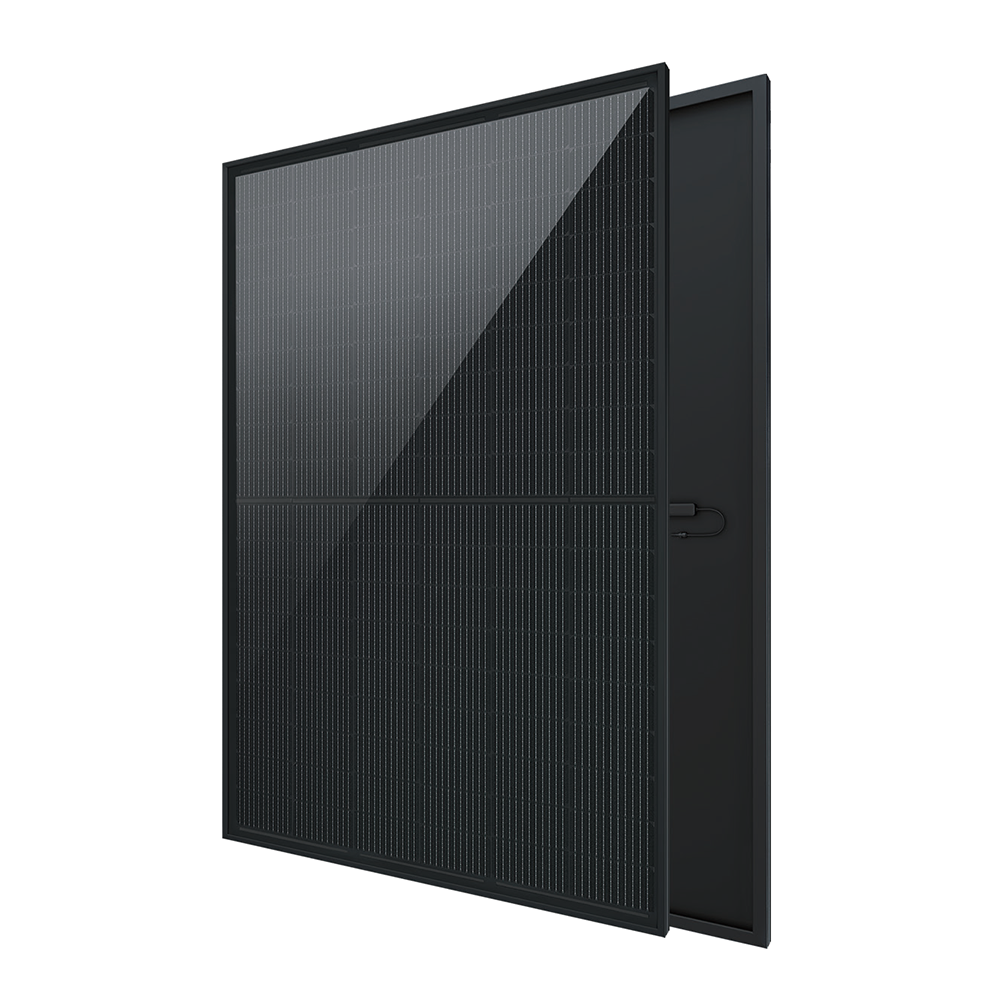
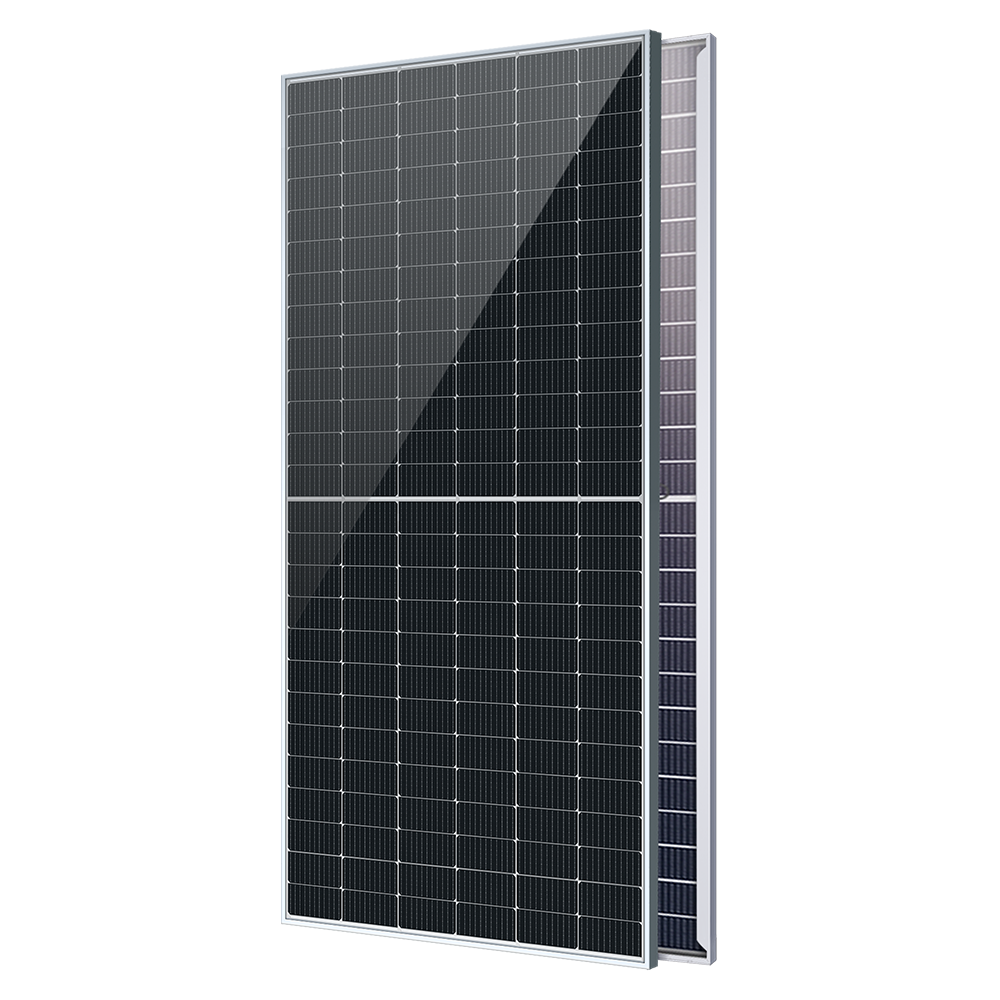
The foundation of any solar energy system begins with photovoltaic panels that convert sunlight directly into electrical energy through the photovoltaic effect. Modern solar panels typically use crystalline silicon cells arranged in a grid pattern within weatherproof frames designed to withstand decades of outdoor exposure. These panels generate direct current electricity when photons from sunlight knock electrons loose from silicon atoms, creating an electrical flow that forms the primary power source for your system.
Panel efficiency ratings determine how much sunlight gets converted into usable electricity, with most residential panels achieving between 15-22% efficiency under standard test conditions. Higher efficiency panels cost more initially but require less roof space to generate the same amount of power, making them ideal for properties with limited installation area. The quality and warranty terms of solar panels significantly impact long-term system performance and return on investment.
Inverters and Power Conversion
Inverters serve as the critical bridge between your solar panels and your home's electrical system by converting the direct current produced by panels into alternating current used by household appliances. String inverters connect multiple panels in series and represent the most common and cost-effective solution for residential installations. Power optimizers and microinverters offer panel-level monitoring and can improve performance when shading or panel orientation varies across your installation.
Modern inverter technology includes built-in safety features, monitoring capabilities, and grid-tie functionality that allows excess power to flow back into the utility grid. Smart inverters can automatically adjust their output to match grid requirements and provide valuable data about system performance through mobile apps and web portals. The inverter warranty period typically ranges from 10-25 years and represents a crucial factor in evaluating total system costs.
Battery Storage and Backup Power
Energy storage systems allow solar energy system owners to store excess electricity generated during peak sunlight hours for use during evening hours or power outages. Lithium-ion battery systems have become the preferred choice due to their high energy density, long cycle life, and decreasing costs compared to traditional lead-acid alternatives. A properly sized solar energy system with battery backup can provide several hours or even days of emergency power depending on usage patterns and battery capacity.
Battery management systems monitor charge levels, temperature, and individual cell performance to optimize storage efficiency and extend battery life. Integration with smart home systems allows automated load management during outages, prioritizing essential circuits like refrigeration, lighting, and communication equipment. The scalable nature of modern battery systems means you can start with basic storage capacity and expand as needs change or budgets allow.
Planning Your Solar Energy System Installation
Site Assessment and Solar Potential
Evaluating your property's solar potential involves analyzing roof condition, orientation, shading patterns, and available space to determine optimal panel placement and system sizing. South-facing roofs with minimal shading typically provide the best solar energy system performance, though east and west-facing orientations can also generate substantial electricity with proper design considerations. Professional site assessments use specialized tools to measure solar irradiance levels throughout the day and across seasons.
Roof age and structural integrity must be evaluated before installation since solar panels add weight and create additional stress points where mounting hardware penetrates roofing materials. Older roofs may require replacement or reinforcement before solar installation, but this investment often pays dividends through improved weather protection and increased property value. Ground-mounted systems offer alternatives for properties with unsuitable roof conditions or insufficient roof space.
System Sizing and Energy Analysis
Proper solar energy system sizing requires detailed analysis of your historical electricity usage patterns, future consumption changes, and local solar resource availability. Utility bills from the past 12 months provide baseline data for calculating annual kilowatt-hour requirements and identifying seasonal usage variations. Energy efficiency improvements completed before solar installation can reduce required system size and improve overall project economics.
Load analysis considers time-of-use patterns to optimize system design for maximum self-consumption and utility bill reduction. Properties with high daytime electricity usage naturally achieve better solar economics since generated power directly offsets expensive grid electricity. Evening and weekend usage patterns influence battery storage requirements and net metering benefits in areas where utilities purchase excess solar production.
Permits and Regulatory Requirements
Solar energy system installations require building permits, electrical permits, and utility interconnection agreements that vary significantly by location and system size. Local building codes specify structural requirements, setback distances, and safety features that must be incorporated into system designs. Professional installers typically handle permit applications and inspections as part of their service packages, but understanding requirements helps property owners participate effectively in the approval process.
Utility interconnection standards govern how solar energy systems connect to the electrical grid and determine net metering policies that credit customers for excess power production. Some utilities require additional safety equipment or impose limits on system size relative to property electrical load. Homeowner association rules and historical district regulations may also impact system design and placement options in certain neighborhoods.
Financial Considerations and Incentives
Cost Analysis and Return on Investment
Solar energy system costs vary based on system size, component quality, installation complexity, and local market conditions, with typical residential installations ranging from $15,000 to $30,000 before incentives. Cost per watt metrics help compare proposals from different installers, but total project value depends on system performance, warranty terms, and long-term reliability rather than initial price alone. Financing options include cash purchases, solar loans, leases, and power purchase agreements that offer different risk and reward profiles.
Payback periods for solar energy systems typically range from 6-12 years depending on local electricity rates, solar resource quality, and available incentives. Properties in areas with high electricity costs and strong solar irradiance achieve faster payback and higher returns on investment. Net metering policies significantly impact financial performance by determining compensation rates for excess solar production sent back to the utility grid.
Federal and State Incentive Programs
The federal solar Investment Tax Credit provides a 30% tax credit on total system costs through 2032, making it one of the most valuable incentives available to solar energy system buyers. This credit applies to residential and commercial installations and can be carried forward to future tax years if current year tax liability is insufficient. State and local incentive programs may offer additional rebates, tax credits, or performance-based incentives that further improve project economics.
Property tax exemptions for solar installations prevent increased property values from triggering higher tax assessments in many jurisdictions. Some states offer solar renewable energy certificates that provide ongoing payments based on system production, creating additional revenue streams beyond utility bill savings. Researching available incentives before system purchase ensures maximum financial benefit and proper timing of installation and documentation.
Installation Process and Timeline
Contractor Selection and Project Management
Choosing qualified solar energy system installers involves evaluating certifications, insurance coverage, local experience, and customer references to ensure professional installation and reliable long-term support. Licensed electrical contractors with solar-specific training provide the technical expertise required for safe and code-compliant installations. Manufacturer certifications often indicate advanced training on specific equipment and may be required for warranty coverage.
Project timelines typically span 2-6 months from contract signing to final inspection, with permit approval and equipment procurement representing the longest phases. Weather conditions, utility interconnection schedules, and inspector availability can affect installation timing. Clear communication with your installer about timeline expectations and potential delays helps manage the process effectively and coordinates with other home improvement projects.
Installation Day Procedures
Professional solar energy system installation typically requires 1-3 days depending on system size and complexity, with crews working systematically through mounting, wiring, and safety testing phases. Roof work begins early to take advantage of cooler temperatures and optimal working conditions. Homeowners should expect temporary power shutoffs during electrical connections and should plan accordingly for work-from-home schedules or sensitive equipment.
Quality installations include comprehensive testing of all electrical connections, grounding systems, and safety shutdown mechanisms before final inspection. Documentation packages provide system specifications, warranty information, monitoring system setup, and maintenance recommendations. Post-installation system commissioning ensures proper operation and establishes baseline performance metrics for ongoing monitoring.
System Commissioning and Performance Verification
Final system commissioning involves comprehensive testing of all solar energy system components, safety systems, and monitoring equipment to verify proper operation and compliance with design specifications. Performance testing measures actual power output under current weather conditions and compares results to expected production based on system ratings. Monitoring system setup provides ongoing visibility into daily and monthly energy production patterns.
Utility final inspection and permission to operate approval complete the installation process and authorize grid-connected operation. Net metering setup activates bidirectional metering that tracks both electricity consumption and solar production for billing purposes. Initial performance monitoring helps identify any issues early and establishes normal operation baselines for future comparison.
Maintenance and Long-term Performance
Routine Maintenance Requirements
Solar energy systems require minimal maintenance but benefit from periodic cleaning, visual inspections, and performance monitoring to ensure optimal operation throughout their 25-30 year lifespan. Panel cleaning frequency depends on local dust levels, precipitation patterns, and nearby pollution sources, with most residential systems requiring cleaning 1-2 times annually. Automated monitoring systems alert owners to performance issues that may indicate equipment problems or maintenance needs.
Annual professional inspections verify electrical connections, mounting system integrity, and inverter operation while identifying potential issues before they affect system performance. Preventive maintenance includes checking grounding systems, cleaning electrical contacts, and updating monitoring system software. Warranty requirements may specify minimum maintenance standards to maintain coverage, making documentation important for long-term protection.
Performance Monitoring and Troubleshooting
Modern solar energy systems include sophisticated monitoring capabilities that track real-time and historical performance data through web portals and mobile applications. Production monitoring helps identify underperforming panels, inverter issues, or shading problems that reduce system output. Comparative analysis against weather data and system projections reveals maintenance needs or equipment failures requiring professional attention.
Common performance issues include shading from tree growth, soiling from dust or debris, and equipment degradation that gradually reduces output over time. Panel-level monitoring systems can isolate problems to specific components, reducing troubleshooting time and repair costs. Professional service providers use monitoring data to prioritize maintenance activities and schedule repairs during optimal weather windows.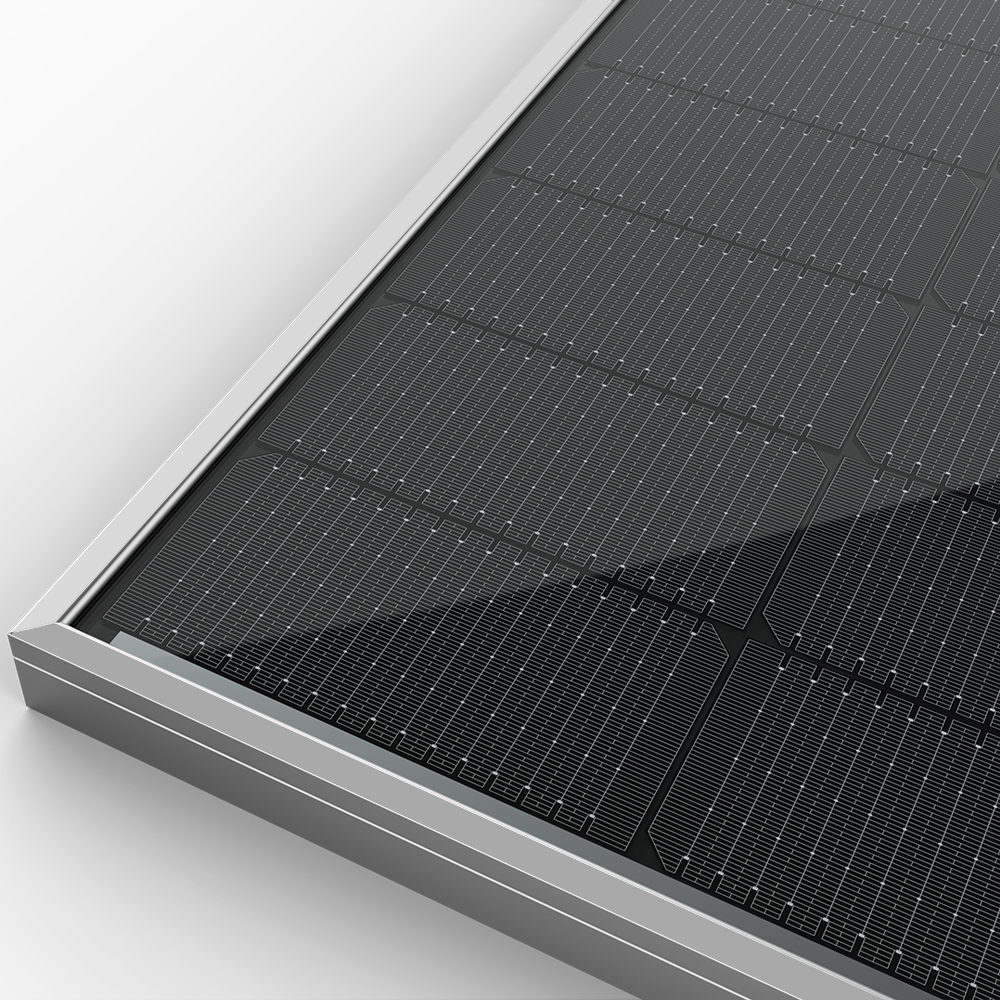
FAQ
How long does it take to install a solar energy system?
A typical residential solar energy system installation takes 2-6 months from contract signing to final activation, with actual installation work completed in 1-3 days. The majority of this timeline involves permit approval, equipment procurement, and utility interconnection processing rather than physical installation work. Complex installations or properties requiring electrical upgrades may extend this timeline.
What happens to my solar energy system during power outages?
Standard grid-tied solar energy systems automatically shut down during power outages for utility worker safety, meaning you won't have power even with solar panels unless you have battery storage. Systems with battery backup can provide power to essential circuits during outages, with available power depending on battery capacity and connected loads. Some advanced inverters offer limited daytime power during outages without batteries.
How much can I save with a solar energy system?
Solar energy system savings depend on your current electricity costs, system size, local solar resource quality, and net metering policies, with typical residential customers saving 50-90% on their electric bills. Properties with high electricity usage and expensive utility rates achieve the greatest absolute savings. Most systems pay for themselves within 6-12 years and continue generating free electricity for decades afterward.
Do solar panels work on cloudy days?
Solar energy systems continue generating electricity on cloudy days but at reduced output levels compared to sunny conditions, typically producing 10-30% of their rated capacity depending on cloud density. Modern panels can capture diffuse sunlight that penetrates cloud cover, and cool temperatures on cloudy days can actually improve panel efficiency. Annual production calculations account for typical weather patterns in your area to provide realistic performance expectations.