Competitive Phosphate Battery Pricing: Advanced Energy Storage Solutions with Superior Lifecycle Value

Get a Free Quote

Our representative will contact you soon.
Email
Name
Company Name
Message
0/1000

phosphate battery price

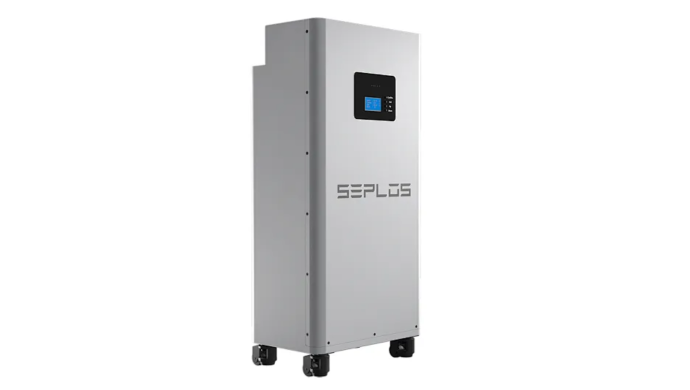
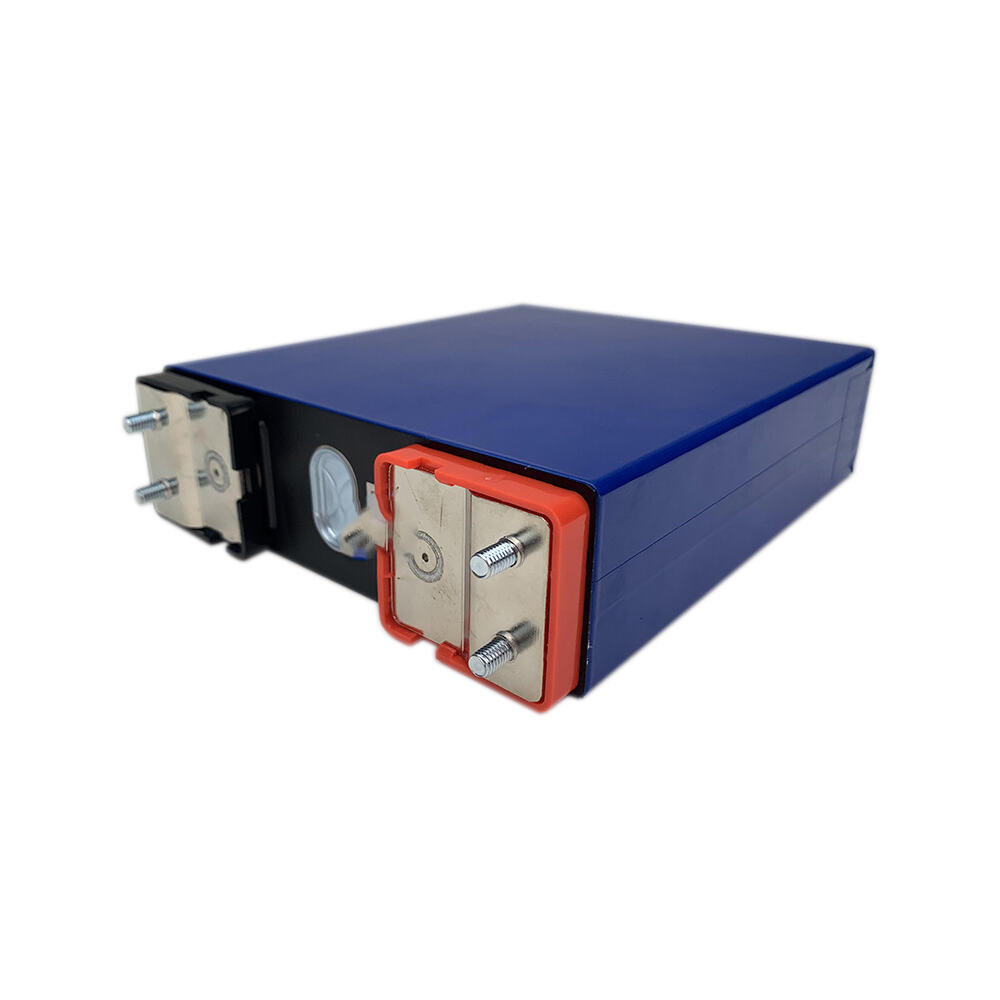
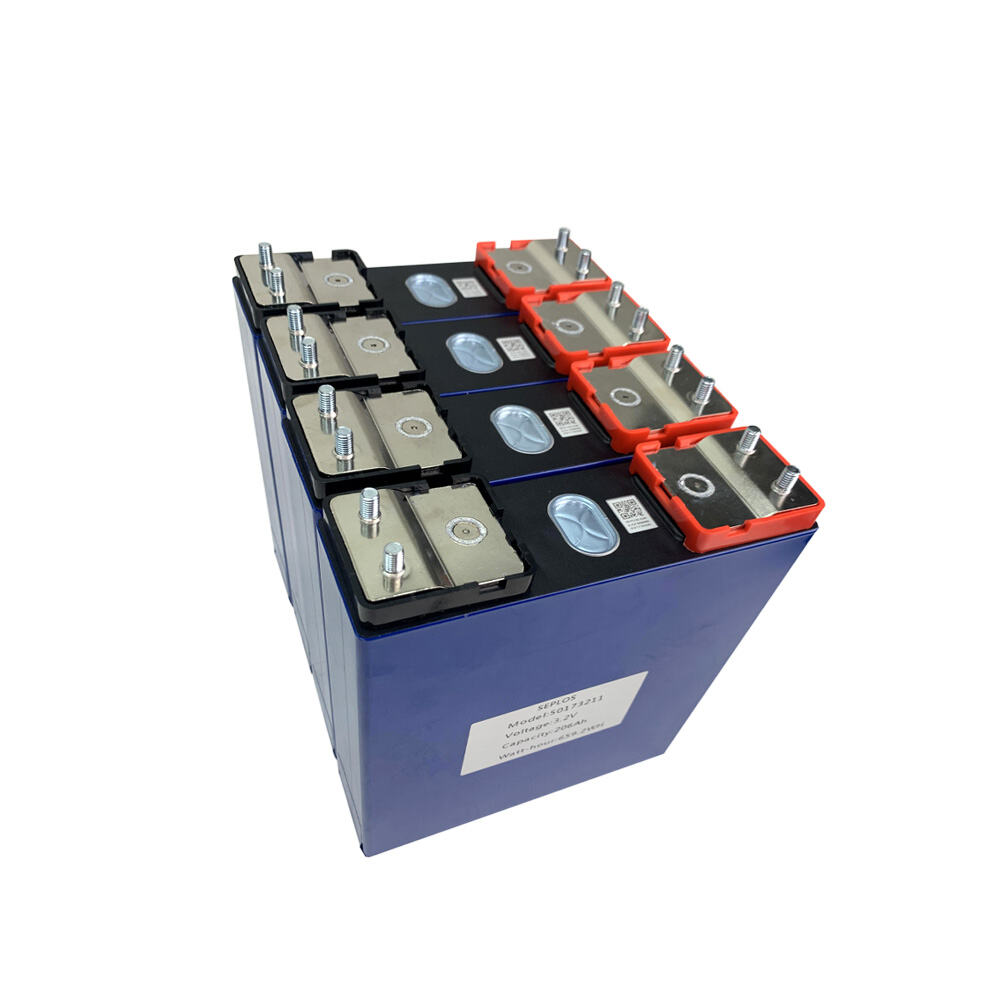
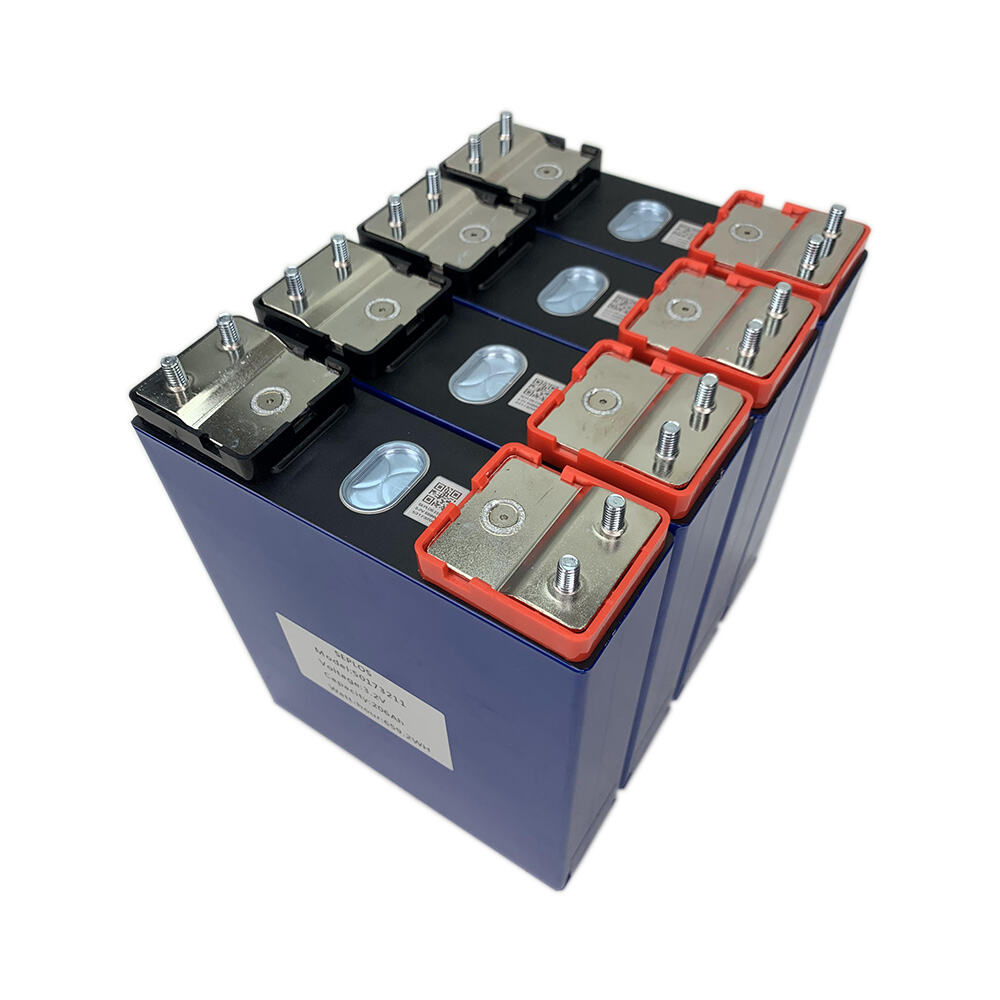
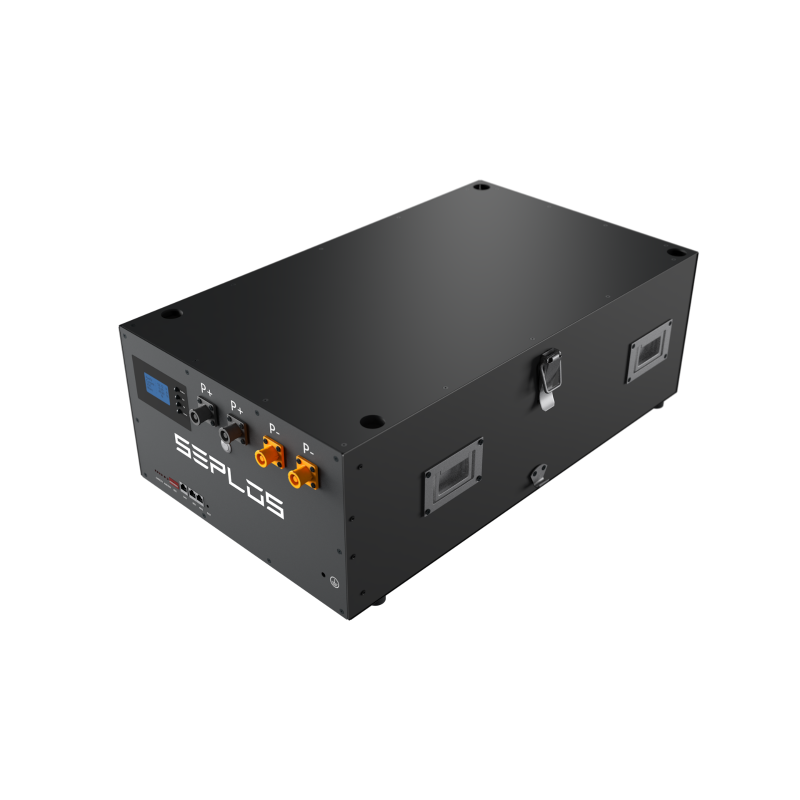
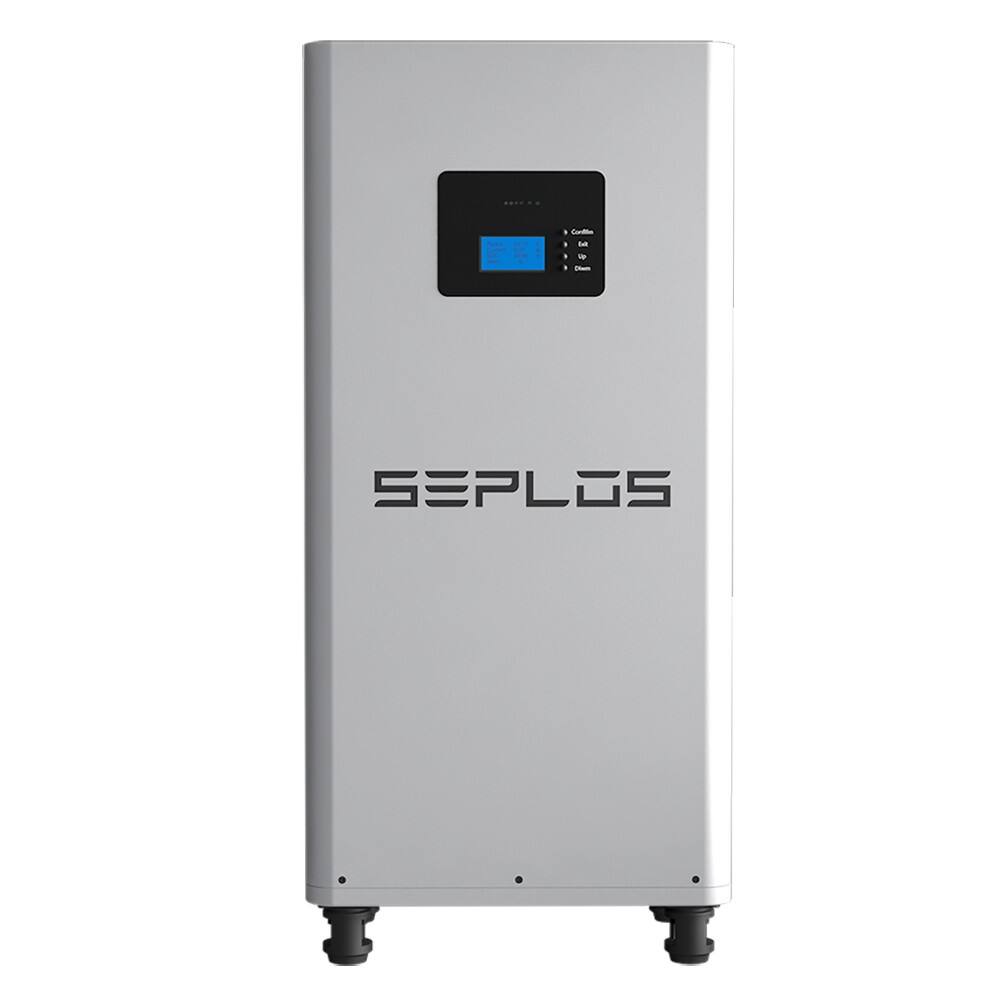
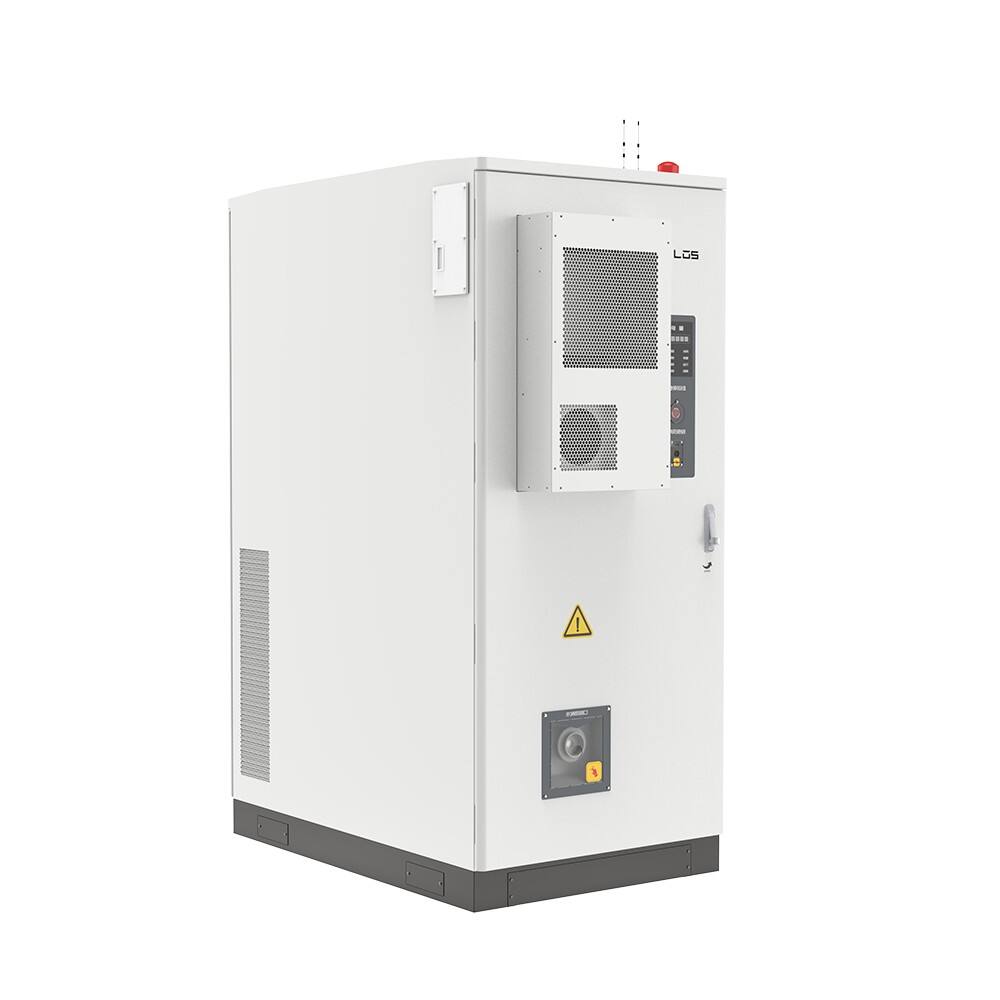
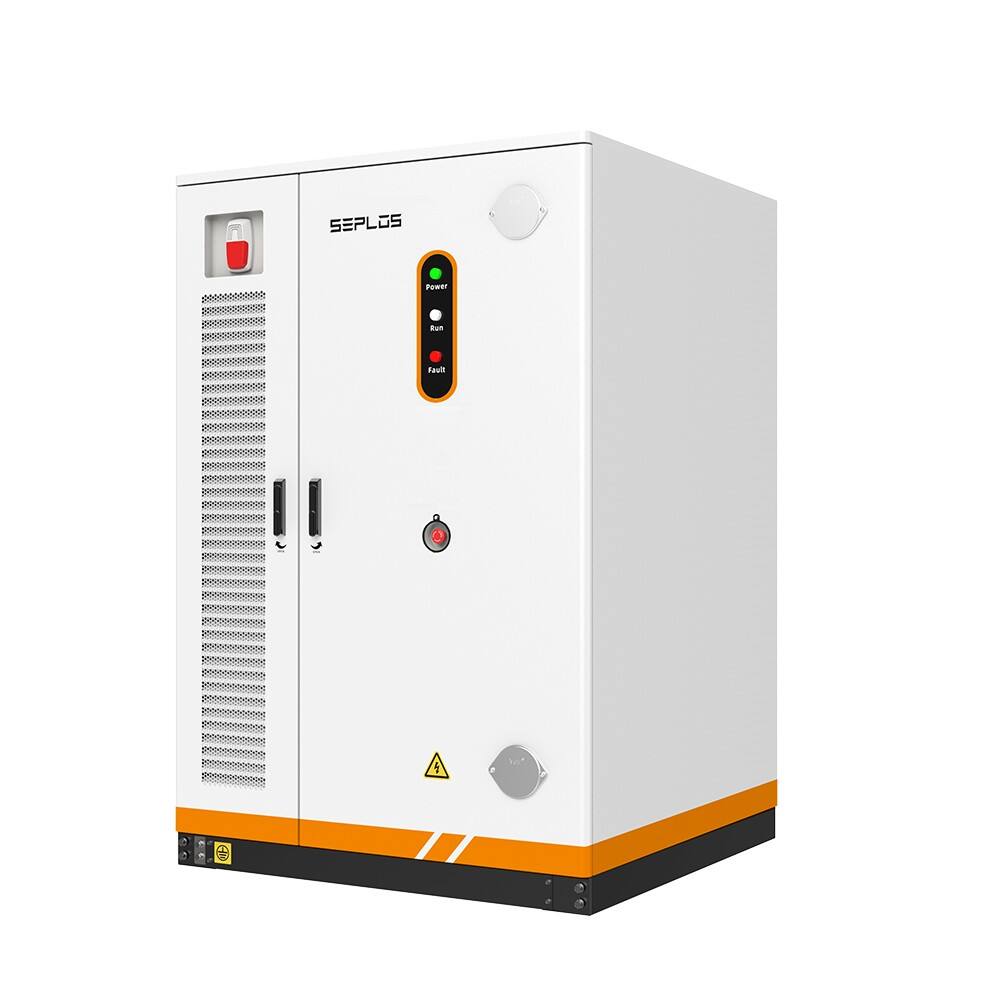
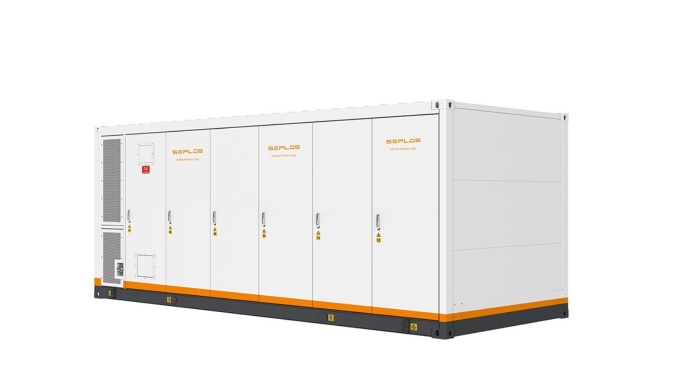
Phosphate battery prices represent a crucial consideration in the modern energy storage market, particularly for lithium iron phosphate (LFP) batteries. These batteries have gained significant attention due to their competitive pricing structure and exceptional performance characteristics. The cost typically ranges from $100 to $300 per kilowatt-hour, depending on various factors including manufacturing scale, raw material costs, and technological advancements. The price point of phosphate batteries has shown a consistent downward trend over recent years, making them increasingly accessible for both industrial and consumer applications. These batteries excel in multiple areas, including electric vehicles, renewable energy storage systems, and backup power solutions. The pricing structure reflects the battery's inherent advantages, such as enhanced safety features, longer cycle life, and improved thermal stability. Manufacturing innovations and increased production efficiency have contributed to more competitive pricing, while maintaining high-quality standards. The cost-effectiveness of phosphate batteries becomes particularly apparent when considering their total lifecycle value, as they typically offer 2000-3000 charge cycles, significantly more than traditional battery technologies. This extended lifespan, combined with minimal maintenance requirements, results in a lower total cost of ownership despite potentially higher initial investment.
New Products

The phosphate battery price structure offers several compelling advantages that make it an attractive option for various applications. Firstly, the cost per cycle is notably lower than many alternative battery technologies, providing better long-term value for investors and users. The initial price point, while competitive, is complemented by minimal maintenance requirements and extended service life, resulting in reduced operational costs over time. The manufacturing process for phosphate batteries has become increasingly efficient, leading to steady price reductions without compromising quality or performance. Another significant advantage is the scalability of production, which helps drive down costs through economies of scale. The pricing model also reflects the batteries' superior safety features and thermal stability, which reduce the need for expensive cooling systems and safety mechanisms. Environmental considerations play a role in the pricing advantage, as phosphate batteries contain no toxic heavy metals and are more recyclable than traditional alternatives. The cost structure includes benefits from improved energy density and power output capabilities, making them particularly cost-effective for high-demand applications. Market competition and technological advancements continue to drive prices down, while performance metrics improve, creating an increasingly attractive value proposition for consumers and businesses alike. The price point also factors in the batteries' ability to operate effectively in various temperature conditions, reducing the need for additional climate control equipment and associated costs.

Latest News

Commercial Energy Storage Solutions for Industry and Remote Communities: Powering the Future with Intelligence and Resilience

29

Oct

Commercial Energy Storage Solutions for Industry and Remote Communities: Powering the Future with Intelligence and Resilience

View More
Why All-in-One Energy Storage Solutions Are Becoming Popular Among Homeowners

29

Oct

Why All-in-One Energy Storage Solutions Are Becoming Popular Among Homeowners

View More
What Is the Best Energy Storage Solution for Your Home?

29

Oct

What Is the Best Energy Storage Solution for Your Home?

View More

Get a Free Quote

Our representative will contact you soon.
Email
Name
Company Name
Message
0/1000

phosphate battery price

Cost-Effective Lifecycle Management

Cost-Effective Lifecycle Management

The phosphate battery price structure demonstrates exceptional value when considering total lifecycle costs. These batteries typically maintain 80% of their original capacity even after 2000-3000 charge cycles, significantly outperforming traditional battery technologies. This extended operational lifespan translates to lower replacement frequency and reduced long-term investment requirements. The minimal maintenance needs further enhance cost savings, as these batteries require little to no regular servicing throughout their operational life. When factoring in the initial purchase price against the total energy storage capacity over the battery's lifetime, phosphate batteries often emerge as the more economical choice. The pricing model also reflects the batteries' ability to operate efficiently in various conditions, reducing additional infrastructure costs typically associated with temperature management systems.
Sustainable Investment Value

Sustainable Investment Value

The price point of phosphate batteries represents a sustainable investment in both environmental and financial terms. The manufacturing processes have become increasingly efficient, leading to reduced production costs while maintaining high environmental standards. The absence of toxic materials in these batteries not only makes them safer but also more cost-effective to recycle at end-of-life. The pricing structure incorporates the benefits of using abundant and relatively stable-priced raw materials, helping to maintain consistent costs over time. This stability in pricing, combined with the batteries' excellent performance characteristics, provides investors with reliable long-term cost projections and return on investment calculations.
Market Competitiveness and Innovation

Market Competitiveness and Innovation

Phosphate battery prices have become increasingly competitive due to continuous technological innovations and manufacturing improvements. The cost per kilowatt-hour has seen steady decreases, making these batteries more accessible across various applications. Market competition has driven manufacturers to optimize production processes, resulting in better price points without compromising quality. The pricing structure reflects the batteries' advanced features, including superior safety characteristics and improved energy density, while remaining competitive with alternative energy storage solutions. The scale of production has reached levels that enable significant cost reductions through economies of scale, benefiting both manufacturers and end-users. This competitive pricing environment continues to drive innovation and efficiency improvements, further enhancing the value proposition of phosphate batteries.

Get a Free Quote

Our representative will contact you soon.
Email
Name
Company Name
Message
0/1000