Home Battery Storage System Cost: Comprehensive Guide to Pricing, Benefits, and ROI

Get a Free Quote

Our representative will contact you soon.
Email
Name
Company Name
Message
0/1000

home battery storage system cost

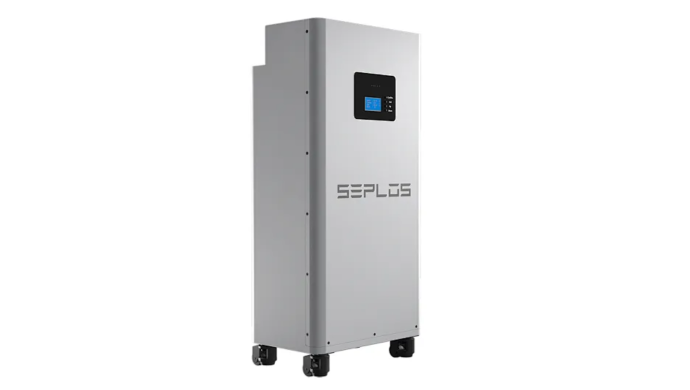
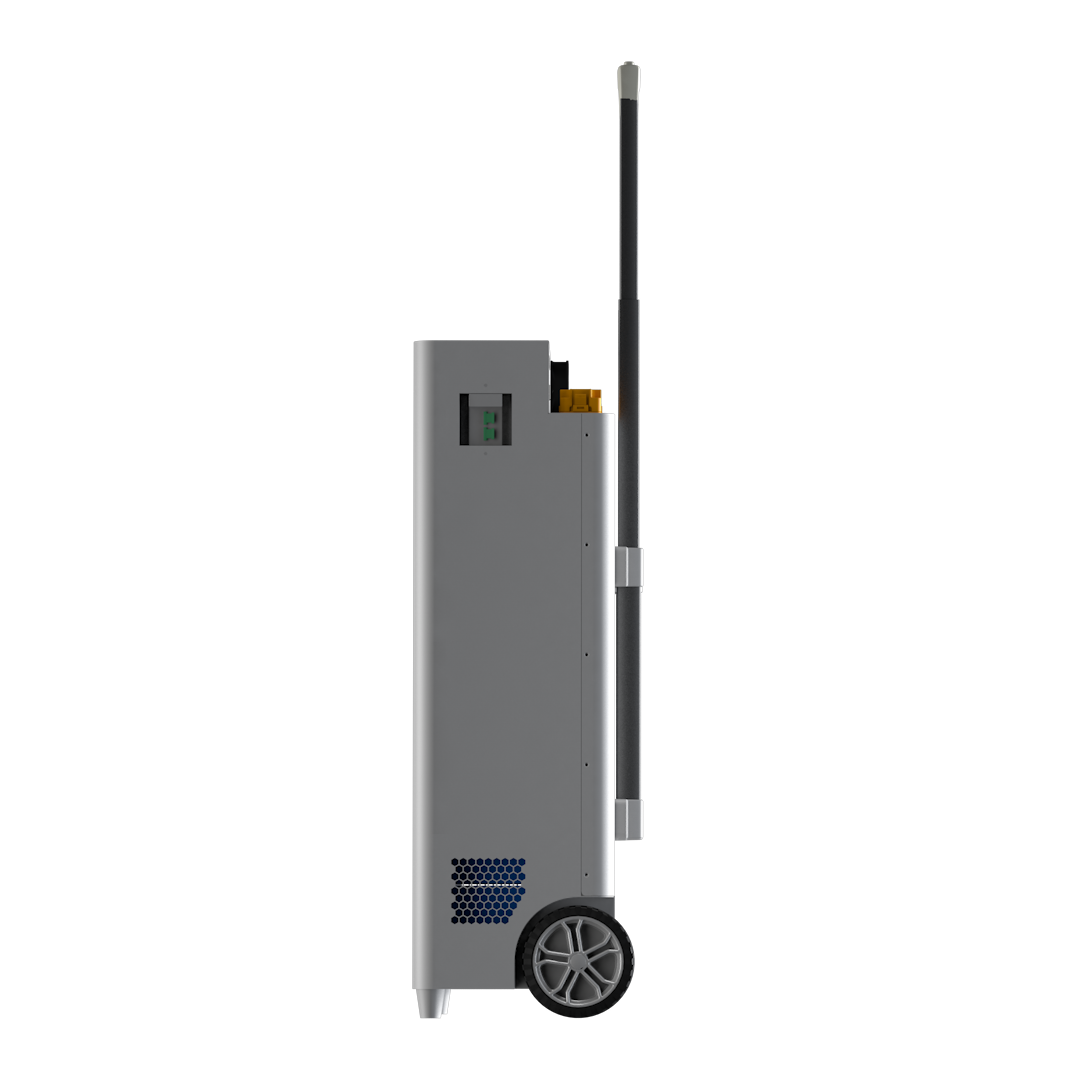
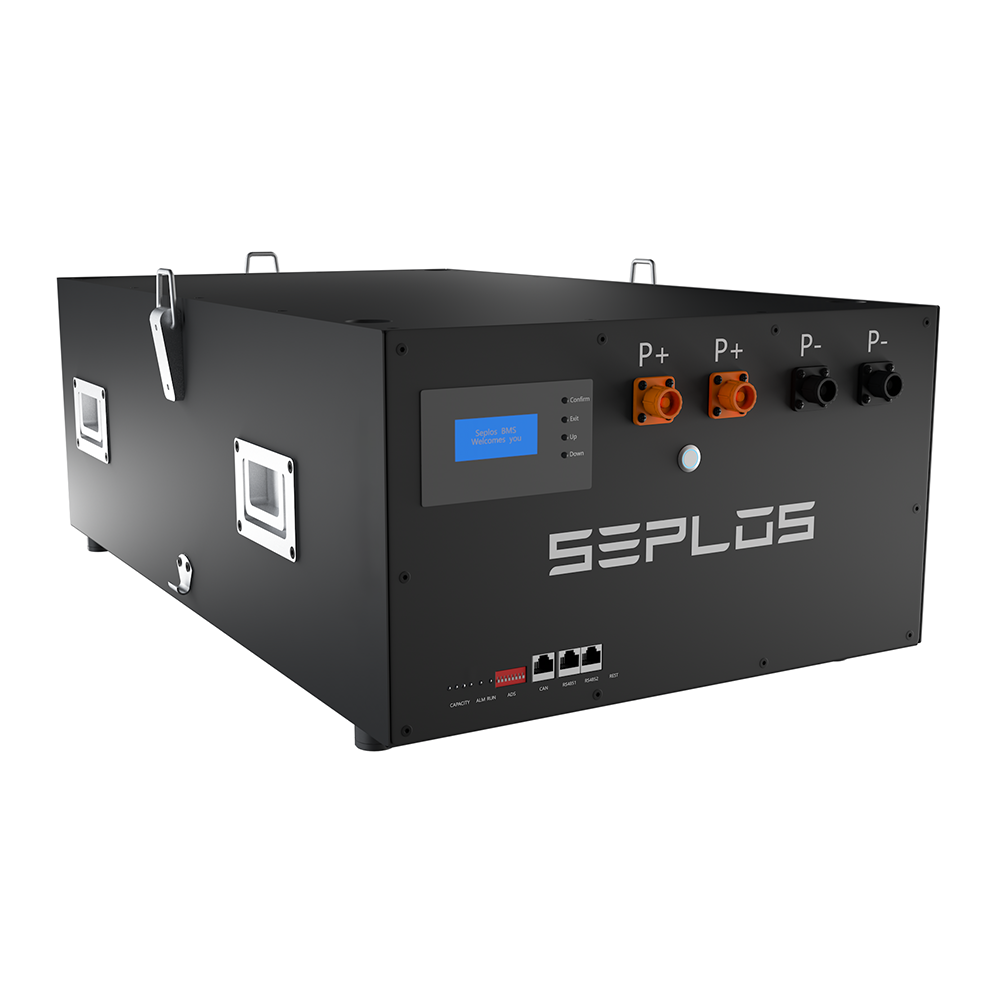
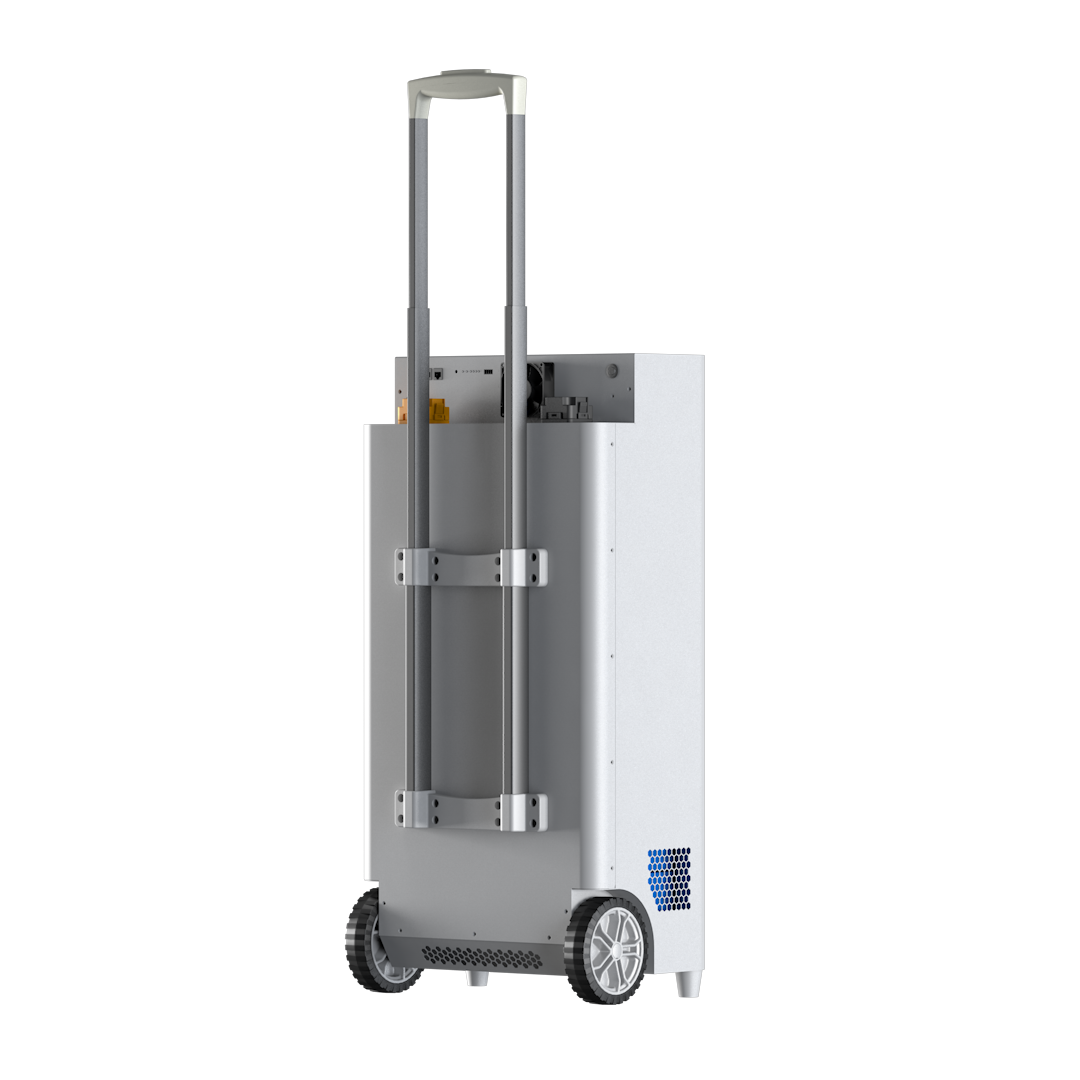
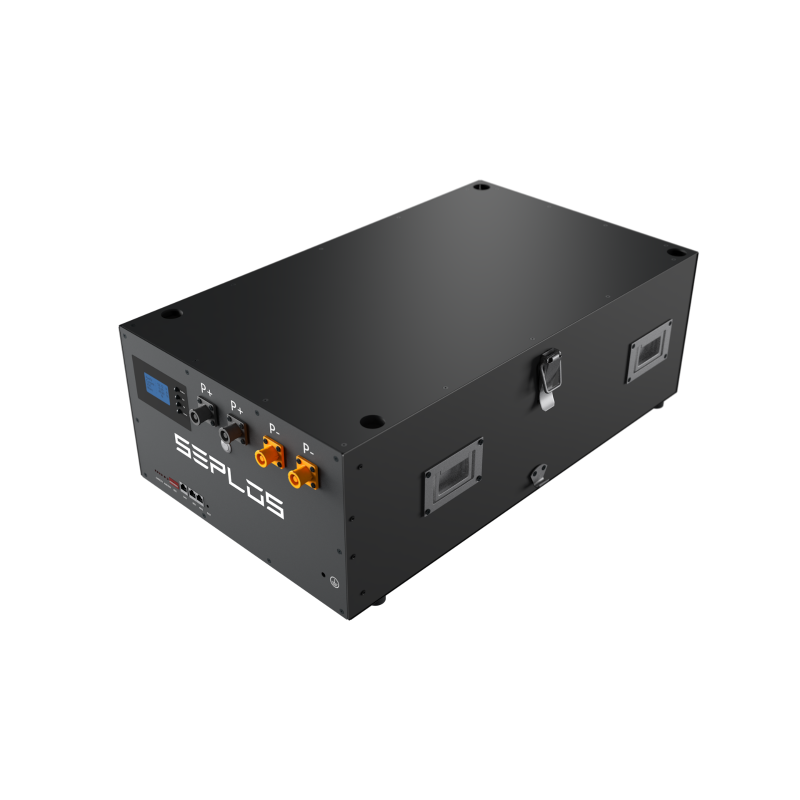
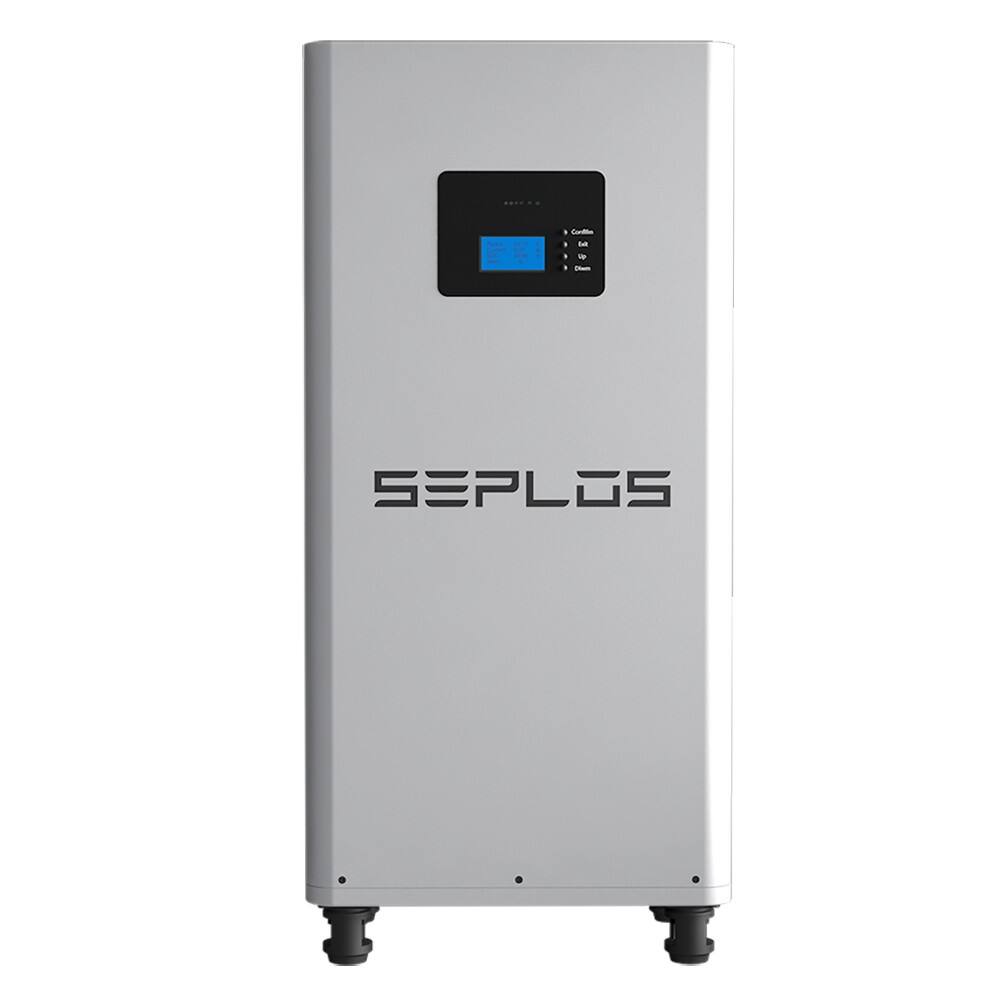
Home battery storage system costs represent a significant investment in energy independence and sustainability. These systems typically range from $7,000 to $30,000, depending on capacity and features. The primary function of a home battery storage system is to store excess energy generated from solar panels or grid power during off-peak hours for use during peak times or power outages. Modern systems feature sophisticated energy management technology, including smart inverters, advanced lithium-ion batteries, and intelligent monitoring systems that optimize energy usage patterns. The capacity of these systems generally ranges from 10kWh to 20kWh, suitable for average household needs. Installation costs typically account for 15-30% of the total investment, while the battery units themselves constitute the majority of the expense. Most systems come with warranties ranging from 10-15 years and can withstand 6,000-8,000 charging cycles. With advancing technology and increasing market competition, costs have been trending downward, making these systems more accessible to homeowners. The return on investment period varies between 5-10 years, depending on local energy rates and usage patterns.
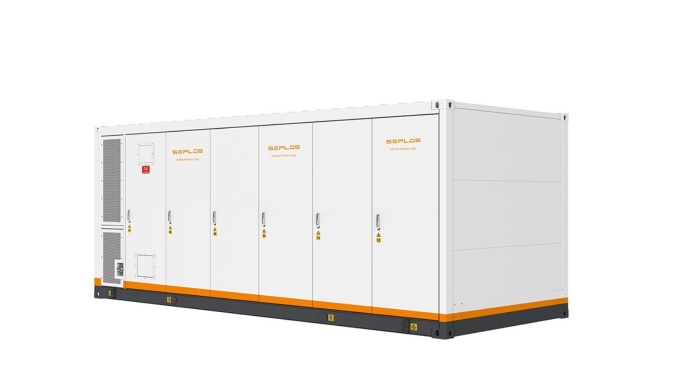
New Products

The financial benefits of home battery storage systems extend beyond simple energy storage. First, these systems enable homeowners to maximize their solar investment by storing excess energy for use during peak rate periods, potentially reducing electricity bills by 30-60%. Users can participate in grid services programs, earning additional income through demand response initiatives. The systems provide reliable backup power during outages, protecting valuable appliances and ensuring uninterrupted daily activities. Advanced monitoring capabilities allow real-time tracking of energy consumption and production, enabling informed decisions about usage patterns. The systems' smart features automatically switch between power sources to optimize costs, particularly beneficial in areas with time-of-use pricing. Environmental benefits include reduced carbon footprint and decreased reliance on fossil fuels. The systems require minimal maintenance, typically only annual inspections, and their modular design allows for future capacity expansion. Modern batteries are compact, requiring minimal space and can be installed both indoors and outdoors. The technology's increasing popularity has led to improved financing options, including leasing and power purchase agreements, making adoption more financially accessible. Property value typically increases with the installation of a battery storage system, providing additional long-term financial benefits.

Tips And Tricks

Commercial Energy Storage Solutions for Industry and Remote Communities: Powering the Future with Intelligence and Resilience

29

Oct

Commercial Energy Storage Solutions for Industry and Remote Communities: Powering the Future with Intelligence and Resilience

View More
Why All-in-One Energy Storage Solutions Are Becoming Popular Among Homeowners

29

Oct

Why All-in-One Energy Storage Solutions Are Becoming Popular Among Homeowners

View More
What Is the Best Energy Storage Solution for Your Home?

29

Oct

What Is the Best Energy Storage Solution for Your Home?

View More

Get a Free Quote

Our representative will contact you soon.
Email
Name
Company Name
Message
0/1000

home battery storage system cost

Cost-Effective Energy Management

Cost-Effective Energy Management

Home battery storage systems represent a significant advancement in residential energy management, offering substantial cost savings through strategic energy utilization. The system's sophisticated algorithms continuously monitor electricity rates and consumption patterns, automatically switching between stored and grid power to minimize costs. Users typically save 40-70% on peak rate charges by drawing from stored energy during high-price periods. The smart management system also predicts usage patterns and weather conditions, optimizing charging cycles to maximize efficiency. This intelligent operation ensures that the battery charges when electricity rates are lowest and deploys stored energy when rates peak, creating a reliable cost-reduction strategy. The system's ability to integrate with existing solar installations further enhances savings potential, creating a comprehensive energy management solution that significantly reduces long-term operational costs.
Long-Term Investment Value

Long-Term Investment Value

The financial proposition of home battery storage systems extends well beyond immediate energy savings. These systems typically maintain 70-80% of their original capacity after 10 years, ensuring sustained performance and value. The investment often qualifies for various government incentives, tax credits, and rebates, which can reduce initial costs by 20-30%. Property values typically increase by 3-5% with the installation of a battery storage system, making it a valuable home improvement investment. The systems' modular design allows for future expansion, protecting the initial investment as energy needs grow. Maintenance costs are minimal, usually less than $200 annually, contributing to favorable long-term economics. The technology's proven reliability and manufacturers' comprehensive warranties provide additional investment security.
Grid Independence and Reliability

Grid Independence and Reliability

Home battery storage systems provide unprecedented energy independence and reliability. During power outages, these systems can power essential home functions for 24-48 hours, depending on capacity and usage. The automatic transfer switch activates within milliseconds of a grid failure, ensuring seamless power transition without disruption to home operations. Advanced monitoring systems provide real-time alerts and system status updates through mobile applications, allowing remote management and peace of mind. The systems can be programmed to prioritize critical loads during outages, ensuring essential services remain operational. This reliability aspect is particularly valuable in areas prone to weather-related grid disruptions or regions with aging power infrastructure. The ability to operate independently from the grid also provides protection against future electricity rate increases and potential grid instability.

Get a Free Quote

Our representative will contact you soon.
Email
Name
Company Name
Message
0/1000