Large Solar Battery Storage Systems: Advanced Energy Solutions for Sustainable Power Management

Get a Free Quote

Our representative will contact you soon.
Email
Name
Company Name
Message
0/1000

large solar battery storage systems

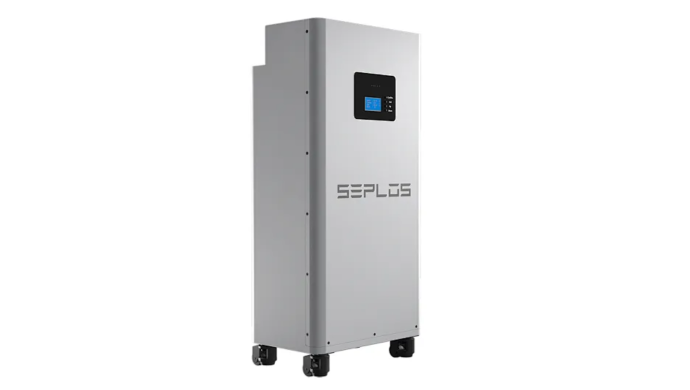
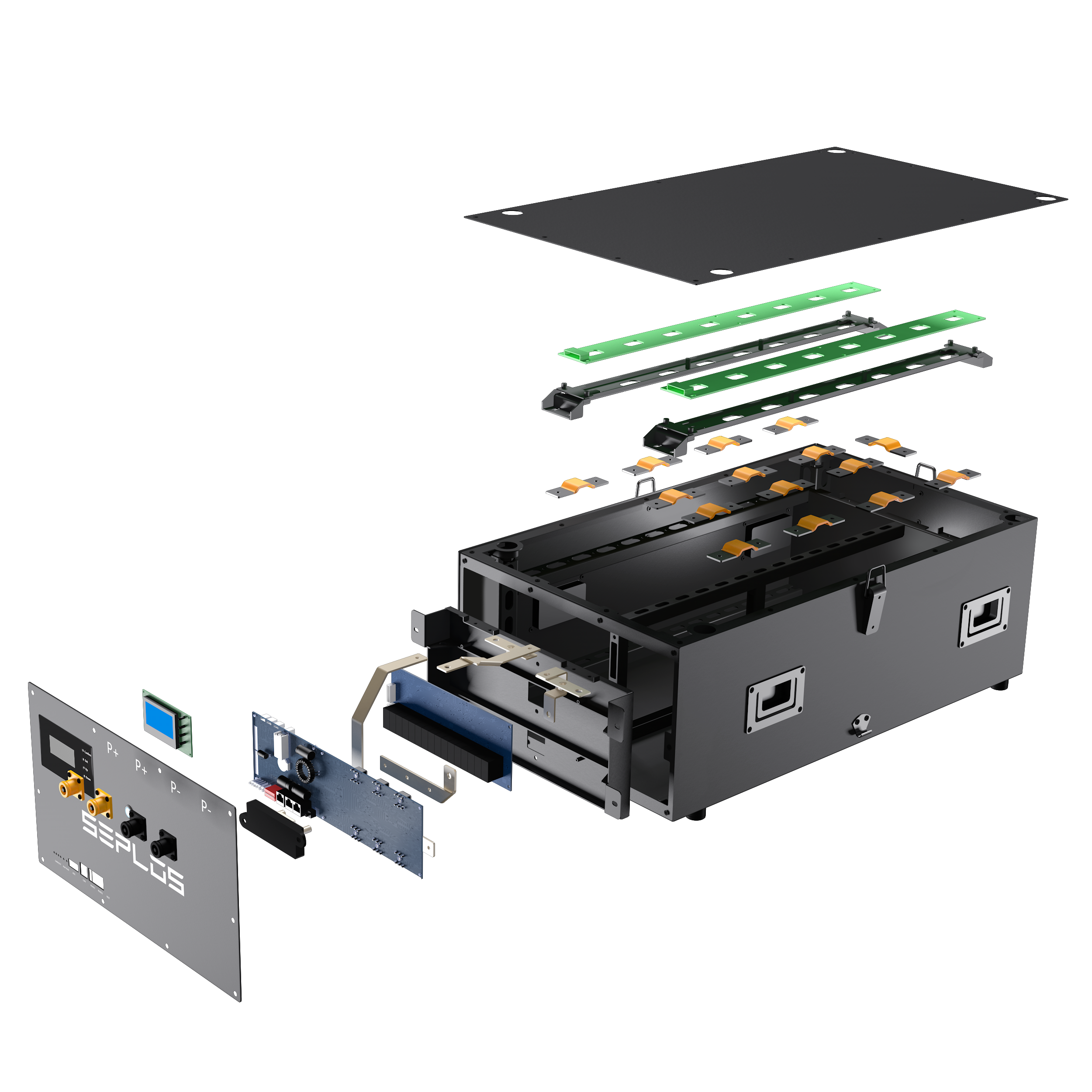
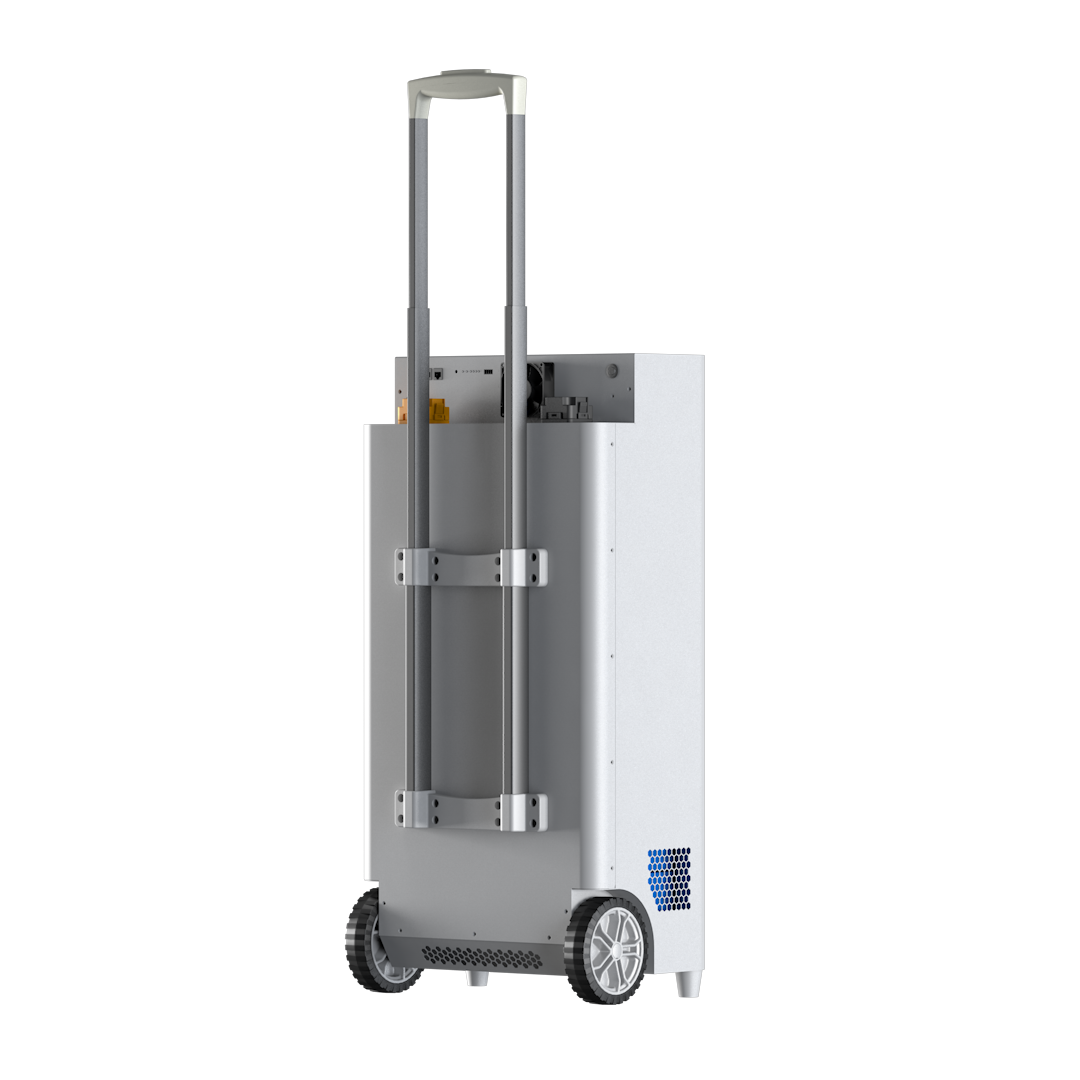
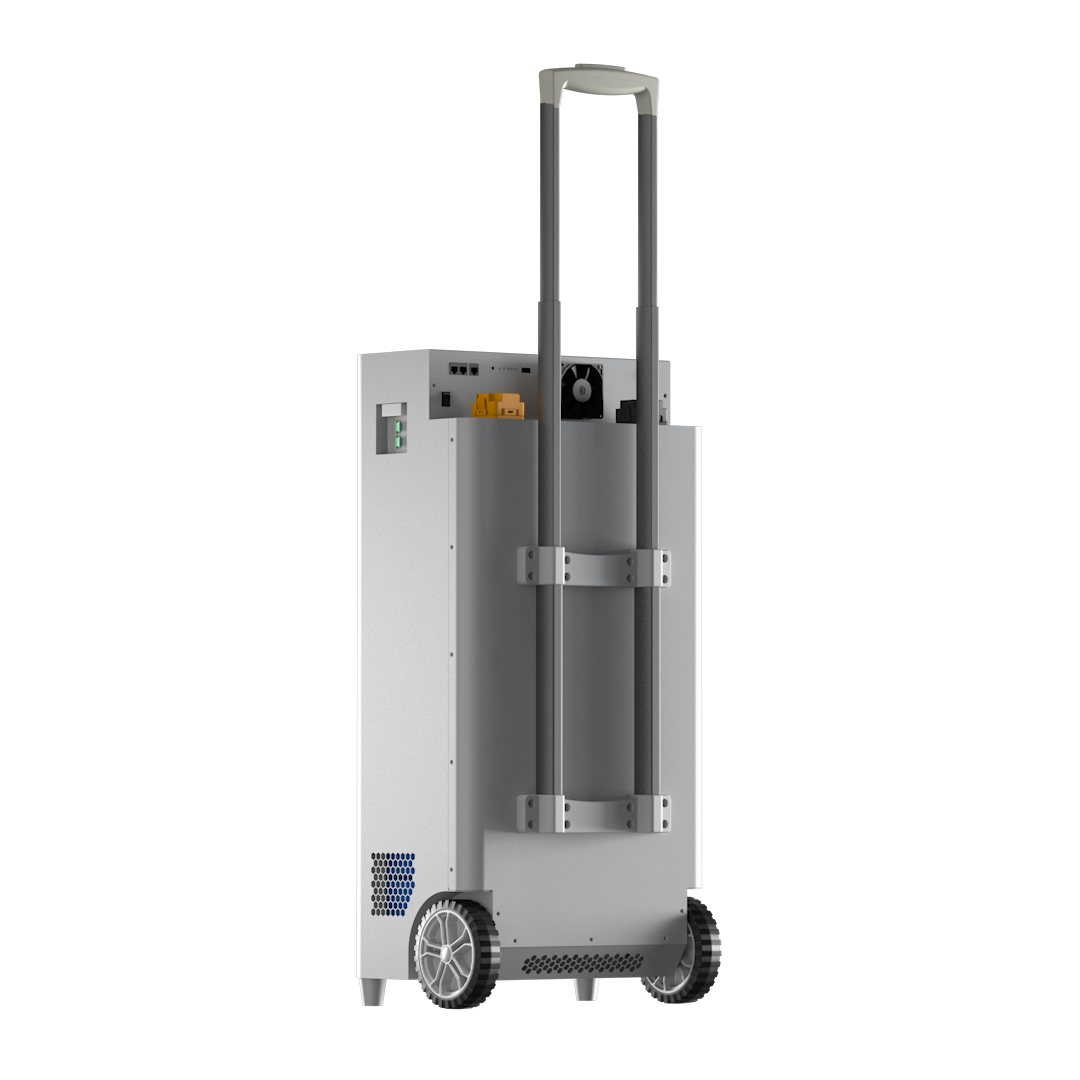
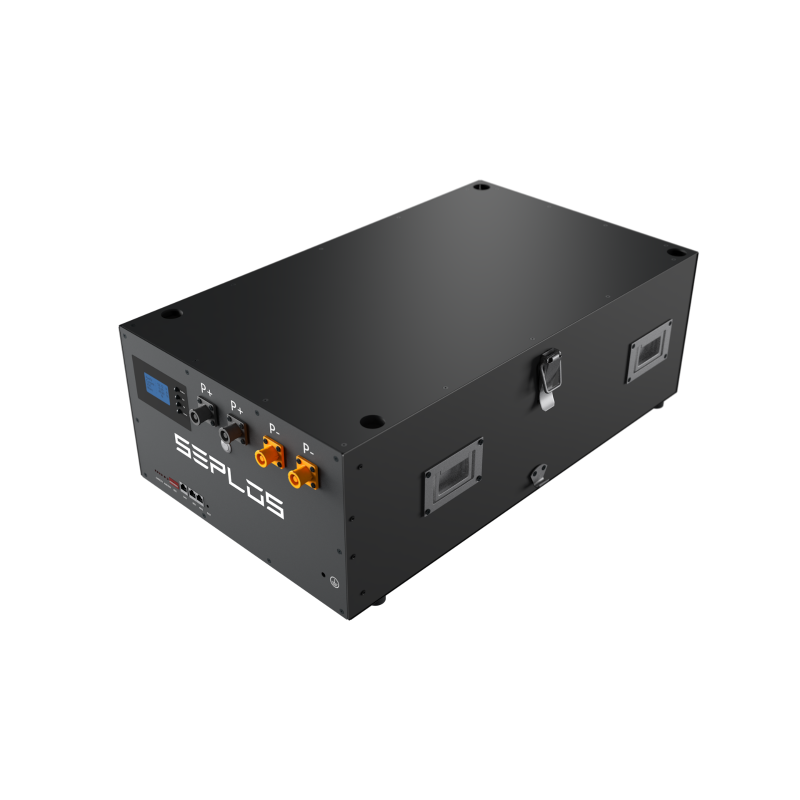
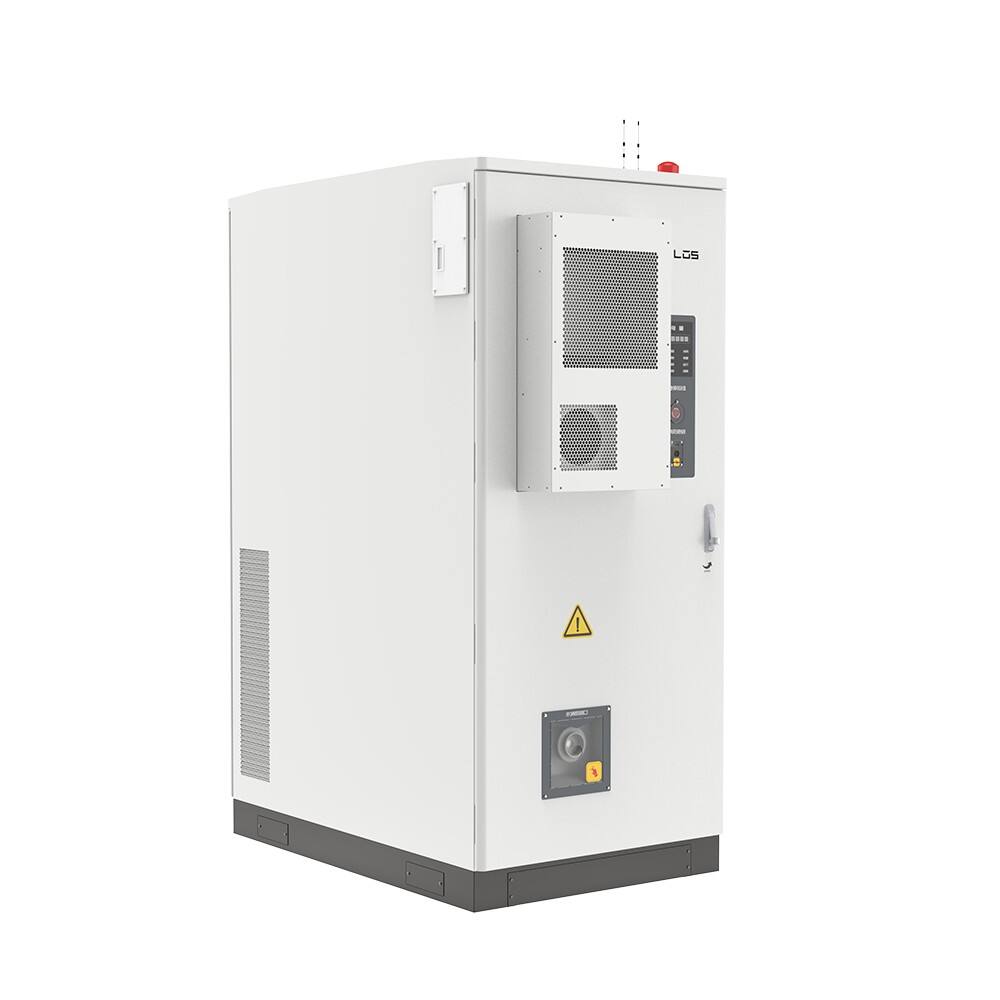
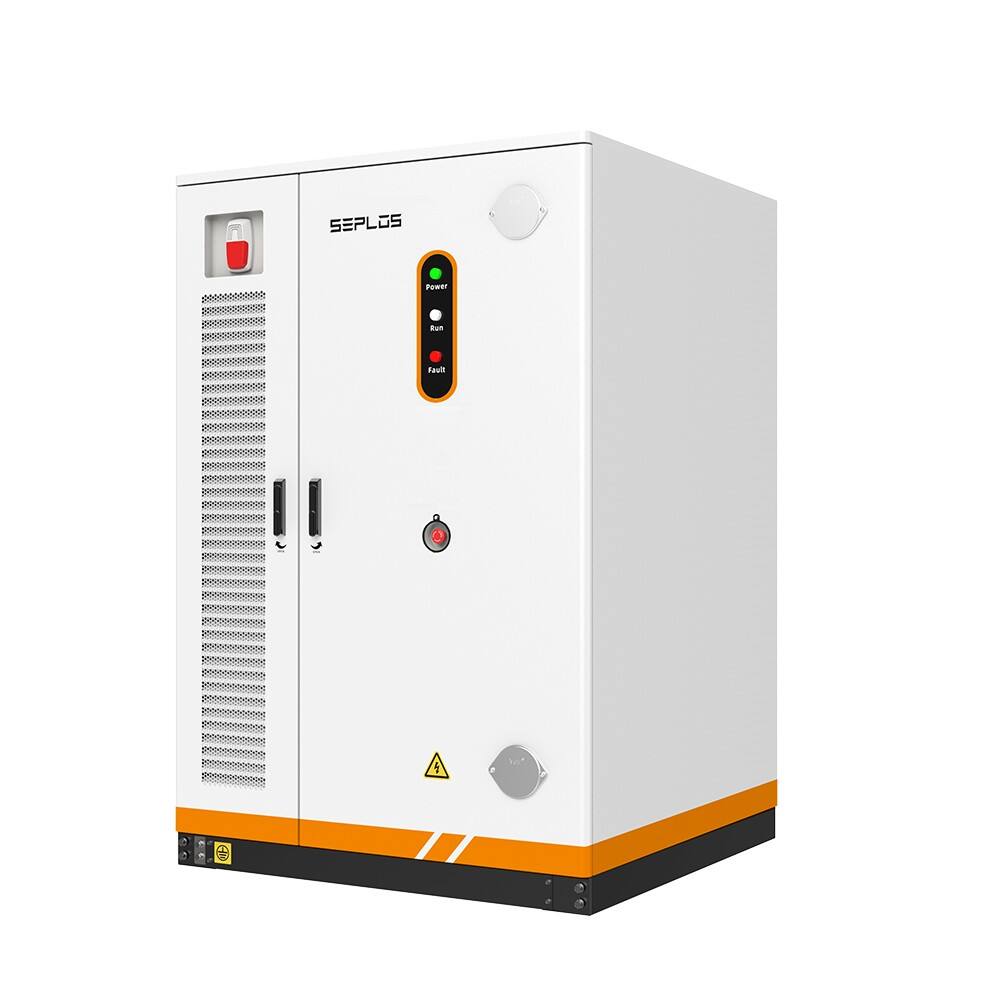
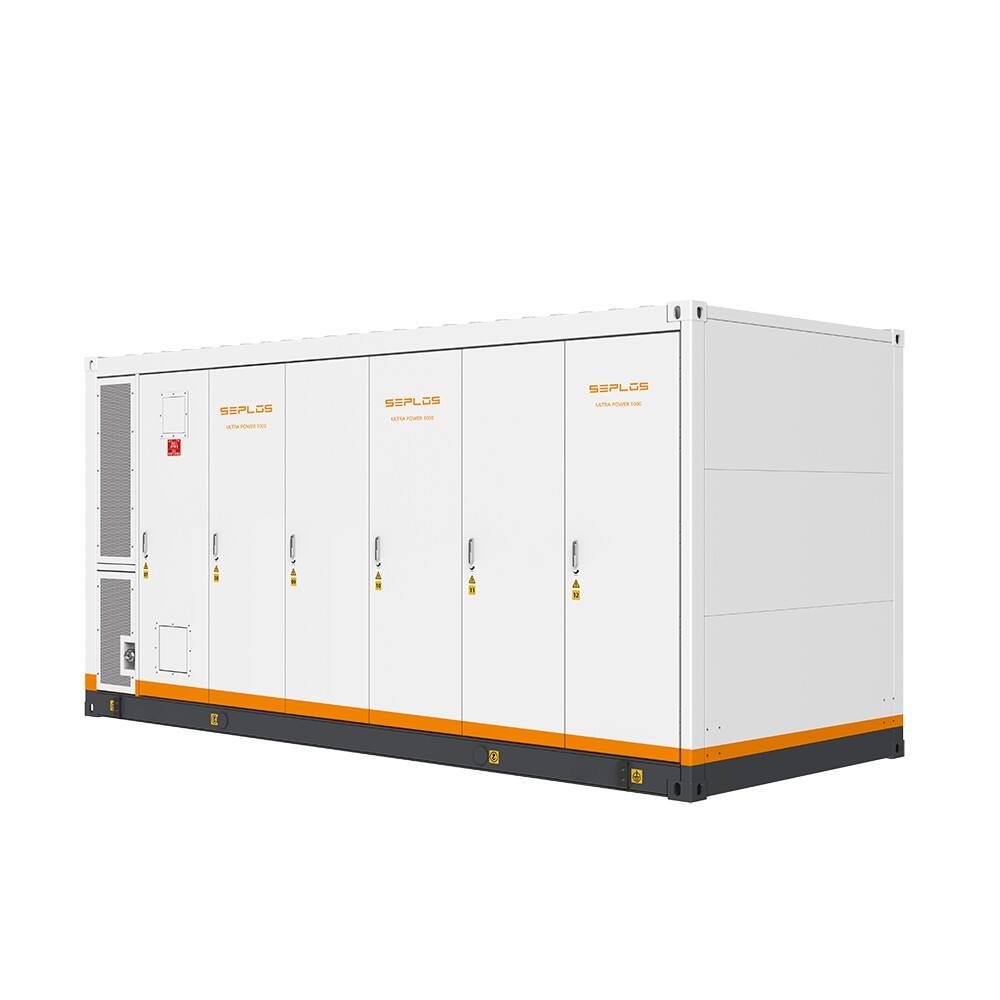
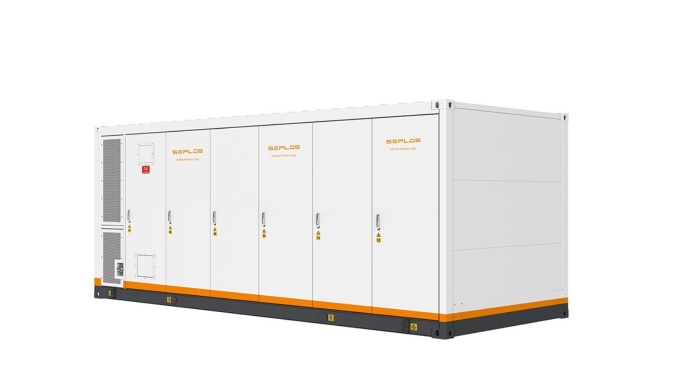
Large solar battery storage systems represent a revolutionary advancement in renewable energy technology, serving as crucial components in modern power management solutions. These sophisticated systems are designed to capture and store excess solar energy generated during peak sunlight hours for use during periods of low or no solar production. The technology comprises high-capacity battery banks, typically utilizing lithium-ion or advanced flow battery chemistry, integrated with smart power management systems. These systems can store anywhere from hundreds of kilowatt-hours to several megawatt-hours of energy, making them suitable for both commercial and utility-scale applications. The core functionality includes intelligent charge control, power conversion systems, and advanced monitoring capabilities that ensure optimal energy distribution and storage efficiency. They feature bidirectional power flow capabilities, allowing them to both store excess solar energy and feed it back into the grid when needed. Modern systems incorporate thermal management systems, sophisticated battery management software, and robust safety protocols. These installations can be scaled to meet various energy demands, from supporting individual commercial buildings to providing grid stability for entire communities.
New Product Recommendations

Large solar battery storage systems offer numerous compelling advantages that make them an invaluable investment for businesses and utilities alike. First and foremost, they provide energy independence by reducing reliance on the traditional power grid, allowing organizations to maintain operations during power outages or grid instability. These systems enable significant cost savings through peak shaving, where stored energy is used during high-demand periods to avoid expensive peak utility rates. The flexibility to store energy when it is abundant and use it when needed helps optimize energy consumption patterns and reduce overall electricity costs. From an environmental perspective, these systems maximize the utilization of clean solar energy, substantially reducing carbon footprints and supporting sustainability goals. The systems also provide grid stability benefits by smoothing out power fluctuations and providing frequency regulation services. For businesses, they offer the advantage of predictable energy costs and protection against future utility rate increases. The scalable nature of these systems allows for easy expansion as energy needs grow, providing long-term flexibility and adaptability. Additionally, many regions offer financial incentives and tax benefits for installing large-scale battery storage, improving the return on investment. These systems can also generate revenue through grid services and energy arbitrage opportunities, where stored energy is sold back to the grid during peak demand periods.

Practical Tips

Commercial Energy Storage Solutions for Industry and Remote Communities: Powering the Future with Intelligence and Resilience

29

Oct

Commercial Energy Storage Solutions for Industry and Remote Communities: Powering the Future with Intelligence and Resilience

View More
Why All-in-One Energy Storage Solutions Are Becoming Popular Among Homeowners

29

Oct

Why All-in-One Energy Storage Solutions Are Becoming Popular Among Homeowners

View More
What Is the Best Energy Storage Solution for Your Home?

29

Oct

What Is the Best Energy Storage Solution for Your Home?

View More

Get a Free Quote

Our representative will contact you soon.
Email
Name
Company Name
Message
0/1000

large solar battery storage systems

Advanced Energy Management and Control

Advanced Energy Management and Control

The sophisticated energy management capabilities of large solar battery storage systems represent a significant technological advancement in power control and optimization. These systems employ artificial intelligence and machine learning algorithms to predict energy consumption patterns, optimize charging and discharging cycles, and maximize system efficiency. The advanced control systems can automatically respond to grid conditions, weather forecasts, and energy pricing signals to make real-time decisions about when to store or release energy. This intelligent management ensures that stored energy is used in the most cost-effective manner while maintaining system reliability. The control systems also provide detailed monitoring and reporting capabilities, allowing operators to track performance metrics, identify potential issues before they become problems, and make data-driven decisions about energy usage strategies.
Grid Independence and Reliability

Grid Independence and Reliability

One of the most valuable features of large solar battery storage systems is their ability to provide energy independence and enhanced reliability. These systems can operate as microgrids, allowing facilities to maintain power even during grid outages or emergencies. The seamless switching capability ensures uninterrupted power supply to critical operations, protecting against costly downtime and potential equipment damage. The systems can be configured to prioritize essential loads during outages, ensuring that critical operations continue while managing remaining capacity efficiently. This level of energy security is particularly valuable for facilities where continuous operation is crucial, such as data centers, healthcare facilities, and manufacturing plants.
Economic and Environmental Benefits

Economic and Environmental Benefits

The economic and environmental advantages of large solar battery storage systems create a compelling value proposition for organizations. These systems enable sophisticated energy arbitrage strategies, allowing users to store energy when prices are low and use or sell it when prices are high. The systems contribute to significant reductions in peak demand charges, which can account for a substantial portion of commercial electricity bills. From an environmental perspective, these systems maximize the use of renewable energy by storing excess solar production that would otherwise be wasted. This increased utilization of clean energy helps organizations meet their sustainability goals and comply with environmental regulations. The systems also support grid decarbonization efforts by reducing the need for fossil fuel-based peaker plants during high demand periods.

Get a Free Quote

Our representative will contact you soon.
Email
Name
Company Name
Message
0/1000