
 EN
EN


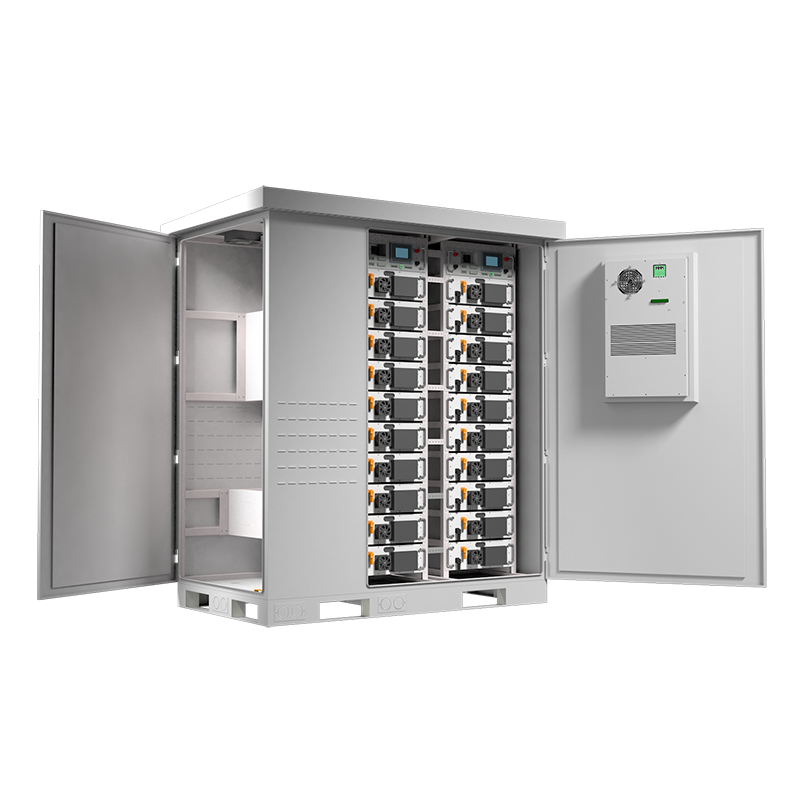
Průmyslové a obchodní zařízení čelí bezprecedentnímu poptávkovému tlaku po spolehlivých a škálovatelných systémech akumulace energie, které snižují provozní náklady a zároveň zajišťují nepřerušované napájení. Trh s průmyslovými a obchodními systémy akumulace energie se výrazně proměnil – dnešní sofistikovaná řešení jsou schopna řídit poplatky za špičkový odběr, poskytovat záložní napájení během výpadků a umožňovat integraci obnovitelných zdrojů energie v různorodých obchodních aplikacích.
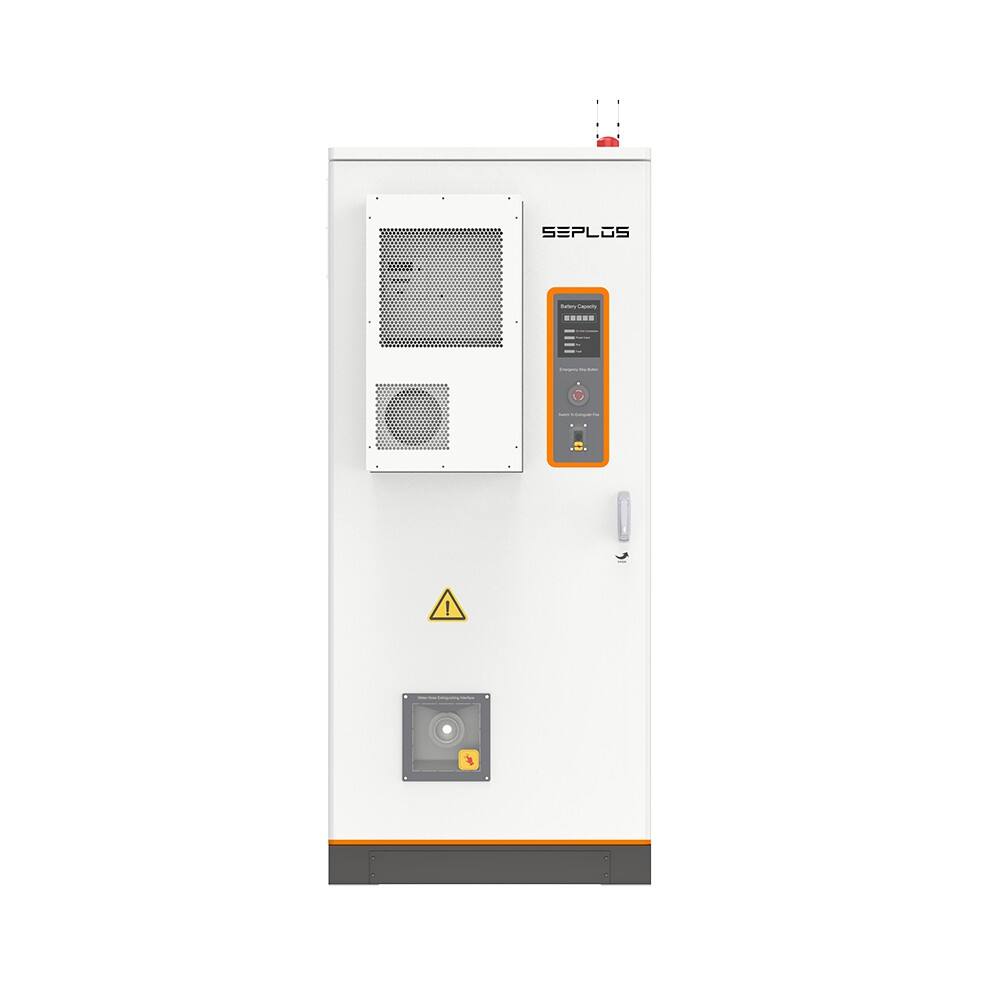
Moderní průmyslové a obchodní systémy akumulace energie představují spojení pokročilé chemie baterií, inteligentního softwaru pro správu energie a robustní elektrické infrastruktury, jež je navržena tak, aby vyhovovala přísným požadavkům komerčních provozů. Tato řešení sahají od modulárních lithiových systémů, které lze nasadit i v rekonstruovaných zařízeních, až po komplexní mikrosítě schopné podporovat celé průmyslové komplexy s bezproblémovými funkcemi propojení se sítí i izolovaného provozu (islanding).
Pokročilé platformy pro ukládání energie v lithiových akumulátorech
Komerční bateriové systémy s vysokým napětím
Bateriové systémy s vysokým napětím na bázi lithiových akumulátorů tvoří základ moderních průmyslových a komerčních systémů pro ukládání energie a nabízejí vynikající energetickou hustotu i provozní flexibilitu. Tyto systémy obvykle pracují v rozsahu napětí mezi 400 V a 1500 V, což umožňuje účinnou konverzi elektrické energie a snižuje elektrické ztráty ve srovnání s tradičními nízkonapěťovými konfiguracemi. Modulární konstrukce umožňuje zařízením postupně rozšiřovat kapacitu ukládání energie tak, aby přesně odpovídala jejich energetickým požadavkům a zároveň minimalizovala plošné nároky instalace.
Komerční lithiové iontové platformy integrují sofistikované systémy řízení baterií, které sledují výkon na úrovni jednotlivých článků, regulaci teploty a optimalizaci stavu nabití. Tato úroveň řízení zajišťuje maximální životnost systému při současném udržení konzistentního výstupního výkonu za různých zatěžovacích podmínek. Pokročilé tepelné řízení brání degradaci za extrémních provozních podmínek, čímž se tyto systémy stávají vhodnými pro různorodá průmyslová prostředí.
Inteligentní možnosti řízení energie vysokonapěťových systémů umožňují protokoly prediktivní údržby, které minimalizují prostoj a provozní narušení. Sledování v reálném čase poskytuje správcům zařízení podrobné poznatky o vzorcích spotřeby energie, což umožňuje optimalizovat strategie nabíjení a vybíjení za účelem maximalizace ekonomického přínosu z programů snižování špičkové zátěže a reakce na poptávku.
Modulární skříně pro ukládání energie montované do racků
Modulární konfigurace montované do racků představují univerzální přístup k průmyslovým a komerčním systémům akumulace energie, které nabízejí standardizované postupy instalace a zjednodušené protokoly údržby. Tyto systémy využívají standardní 19-palcové rackové formáty, které se bezproblémově integrují do stávající elektrické infrastruktury, čímž se snižuje složitost instalace i související náklady na práci. Každý rackový modul obsahuje integrované akumulátorové články, výkonovou elektroniku a bezpečnostní systémy v kompaktním rozměru.
Škálovatelnost rackových systémů umožňuje začít s minimální kapacitou ukládání a postupně rozšiřovat kapacitu podle provozních požadavků a rozpočtových omezení. Tento přístup minimalizuje počáteční kapitálové investice a zároveň poskytuje jasnou cestu pro budoucí rozšíření. Moduly s funkcí horké výměny umožňují provádět údržbu bez vypnutí celého systému, čímž je zajištěna nepřetržitá provozní činnost během údržbových intervalů.
Pokročilé systémy montované na stojanu zahrnují redundantní bezpečnostní mechanismy, včetně systémů potlačení požáru, nouzových vypínacích spínačů a bezpečnostních protokolů pro izolaci baterií. Tyto bezpečnostní funkce splňují přísné stavební předpisy pro komerční budovy a pojišťovací požadavky a poskytují správcům zařízení jistotu při strategiích dlouhodobého nasazení.
Integrované systémy řízení a správy energie
Chytré algoritmy optimalizace zátěže
Složité systémy správy energie využívají algoritmy strojového učení k analýze historických vzorů spotřeby energie a předpovídání budoucích požadavků na zátěž, čímž umožňují proaktivní strategie nasazení systémů akumulace energie. Tyto chytré systémy neustále optimalizují cykly nabíjení a vybíjení na základě tarifů za elektřinu podle času spotřeby, předpovědí výroby energie z obnovitelných zdrojů a provozních plánů zařízení, aby maximalizovaly ekonomické výhody z průmyslové a komerční úložiště energie investic.
Funkce vyrovnávání zatížení v reálném čase zajistí, že uložená energie bude využita přesně v okamžiku, kdy jsou náklady na elektrickou energii ze sítě nejvyšší, nebo kdy kritické zátěže vyžadují nepřerušované napájení. Pokročilé algoritmy berou v úvahu více proměnných, včetně počasí, plánů výroby a tarifních struktur dodavatelů elektřiny, aby určily optimální strategie využití akumulace energie. Tato úroveň optimalizace může snížit náklady na elektřinu o 20–40 % ve srovnání s tradičním nákupem elektrické energie výhradně ze sítě.
Integrace umělé inteligence umožňuje těmto systémům přizpůsobovat se měnícím se provozním podmínkám bez nutnosti ručního zásahu. Neustálé učení se na základě dat specifických pro dané zařízení postupně zlepšuje výkon systému a zajišťuje, že investice do akumulace energie nadále přináší stále vyšší hodnotu, protože algoritmy upravují své optimalizační strategie na základě skutečných provozních dat.
Připojení k síti a funkce ostrovního provozu
Moderní průmyslové a komerční systémy pro ukládání energie zajišťují bezproblémový přechod mezi provozním režimem připojeným ke sítí a ostrovním provozním režimem, čímž zabezpečují nepřetržitý dodávku elektrické energie během výpadků veřejné sítě, aniž by byla narušena normální činnost za provozu připojeného ke síti.
Provoz připojený ke síti umožňuje zařízením účastnit se programů řízení poptávky dodavatele a služeb regulace kmitočtu, čímž vznikají další příjmové proudy z investic do systémů ukládání energie. Tyto systémy mohou poskytovat služby stabilizace sítě v období špičkové poptávky, přičemž zároveň udržují dostatečnou rezervní kapacitu pro nouzové záložní napájení. Možnost obousměrného toku výkonu umožňuje zařízením prodávat přebytečnou uloženou energii zpět do veřejné sítě v obdobích vysoké poptávky po elektrické energii.
Funkce izolovaného provozu (islanding) zajistí, že kritické provozy zařízení pokračují i během prodloužených výpadků dodávky elektrické energie ze sítě, přičemž automatické protokoly odpojování zátěže upřednostňují zásadní systémy na základě předem nakonfigurovaných provozních priorit. Pokročilé řídicí jednotky mikrosítě koordinují výrobu elektrické energie z obnovitelných zdrojů, vybíjení akumulačních systémů a provoz záložních generátorů tak, aby byla zachována optimální kvalita elektrické energie a účinnost celého systému během izolovaného provozu.
Konfigurace úložných systémů specifické pro danou aplikaci
Podpora výrobních a průmyslových procesů
Výrobní zařízení vyžadují specializované průmyslové a komerční konfigurace systémů akumulace energie, které jsou schopny napájet výkonné průmyslové zařízení a zároveň poskytovat stálou kvalitu elektrické energie pro citlivé výrobní procesy. Tyto systémy musí být schopny zvládnout rychlé změny zátěže spojené se startováním motorů, svařovacími operacemi a automatickým výrobním zařízením, aniž by došlo ke ztrátě stability napájení nebo k vzniku elektrických poruch.
Průmyslové akumulační systémy pro energii zahrnují zařízení pro úpravu elektrické energie, která dodávají čistý a regulovaný proud citlivým výrobním zařízením a zároveň tlumí poruchy kvality napájecího proudu ze sítě. Pokročilé funkce filtrace harmonických složek a regulace napětí chrání cenná výrobní zařízení před elektrickými anomáliemi, jež by mohly způsobit nákladné výpadky nebo poškození zařízení.
Akumulační systémy pro energii navržené pro výrobní aplikace často obsahují specializovaná softwarová rozhraní, která se integrují do stávajících průmyslových řídicích systémů a platforem pro plánování podnikových zdrojů. Tato integrace umožňuje koordinované strategie řízení energie, které synchronizují provoz akumulace s výrobními plány a zajistí minimalizaci nákladů na energii při zachování efektivity výroby a požadovaných kvalitních standardů.
Řešení pro komerční budovy a kancelářské komplexy
Komerční kancelářské budovy a obchodní zařízení profitují z průmyslových a komerčních systémů akumulace energie optimalizovaných pro řízení zátěže systémů vytápění, větrání a klimatizace (HVAC), osvětlovacích systémů a obecných provozních potřeb budov. Tyto systémy se zaměřují na snížení poplatků za maximální odběr, přičemž zároveň udržují pohodlné vnitřní prostředí a splňují elektrické požadavky nájemců během běžného provozu.
Do budov integrované systémy akumulace energie spolupracují se systémy automatizace budov za účelem optimalizace spotřeby energie na základě vzorů obsazení, povětrnostních podmínek a tarifních struktur dodavatelů energie. Chytré nabíjecí strategie zajišťují, že jsou akumulační systémy plně nabity v období nízkých cen elektřiny a vybíjejí se v období špičkových sazeb, čímž se maximalizují ekonomické výhody pro majitele budov i jejich nájemce.
Pokročilá řešení pro ukládání energie v budovách zahrnují měření a fakturaci na úrovni nájemců, která umožňují správcům nemovitostí přesně rozúčtovat náklady na energii a zároveň poskytnout nájemcům podrobné údaje o jejich spotřebě energie. Tato transparentnost umožňuje společné strategie řízení energie, které přinášejí výhody jak majitelům nemovitostí, tak nájemcům snížením celkových nákladů na elektřinu.
Rámce zabezpečení a souladu
Systémy požární ochrany a hašení
Komplexní systémy požární ochrany představují klíčovou součást průmyslových a komerčních zařízení pro ukládání energie a zahrnují více technologií detekce a hašení, které slouží k prevenci a omezení potenciálních incidentů souvisejících s bateriemi. Pokročilé systémy detekce kouře využívají vícesenzorovou technologii, která dokáže rozlišit mezi běžnými provozními podmínkami a potenciálně nebezpečnými situacemi, čímž minimalizují falešné poplachy a zároveň zajišťují rychlou reakci na skutečné mimořádné události.
Specializované systémy potlačení navržené pro aplikace s lithiovými akumulátory využívají technologie čistých hasicích prostředků, které účinně potlačují požáry bez poškození citlivé elektronické výbavy ani vzniku dalších bezpečnostních rizik. Tyto systémy zahrnují automatické protokoly vypnutí, které izolují bateriové systémy od elektrických připojení a současně aktivují mechanismy potlačení k omezení a uhašení požárů ještě před tím, než se mohou šířit do sousedních oblastí.
Protokoly pro nouzové zásahy zahrnují koordinaci s místními hasičskými sbory a záchrannými službami a poskytují podrobné informace o konfiguraci systému, chemických nebezpečích a vhodných postupech reakce. Pravidelné školení zajišťuje, že personál zařízení zná správné postupy při nouzových situacích a dokáže efektivně reagovat na různé scénáře incidentů.
Monitorování životního prostředí a výkonu
Systémy pro nepřetržité monitorování prostředí sledují teplotu, vlhkost, emise plynů a další kritické parametry, které ovlivňují bezpečný provoz průmyslových a komerčních systémů akumulace energie. Pokročilé senzorové sítě poskytují data v reálném čase, která umožňují preventivní údržbu a zabrání provozním podmínkám, jež by mohly ohrozit bezpečnost nebo výkon systému.
Systémy pro monitorování výkonu sledují klíčové provozní metriky, včetně účinnosti nabíjení/vybíjení, degradace kapacity a parametrů kvality elektrické energie, aby bylo zajištěno, že systémy akumulace energie po celou dobu své provozní životnosti nadále splňují návrhové specifikace. Prediktivní analytické nástroje identifikují potenciální problémy ještě před tím, než dojde k poruchám systému nebo bezpečnostním rizikům.
Monitorování dodržování předpisů zajistí, že instalace i nadále splňují stále se vyvíjející bezpečnostní předpisy a regulační požadavky po celou dobu jejich provozu.
Ekonomická a provozní optimalizace
Analýza návratnosti investic
Ekonomická optimalizace investic do průmyslových a komerčních systémů akumulace energie vyžaduje komplexní analýzu několika zdrojů hodnoty, včetně snížení poplatků za špičkový odběr, arbitráže podle časového tarifu, vyhnutí se nákladům na záložní napájení a potenciálních příjmů z účasti na službách sítě. Pokročilé finanční modelování zohledňuje tarifní strukturu dodavatele energie, provozní vzorce a charakteristiky výkonu systému, aby přesně odhadlo dobu návratnosti a dlouhodobé ekonomické výhody.
Snížení poplatku za výkon obvykle představuje největší ekonomický přínos pro komerční zařízení, přičemž správně dimenzované systémy akumulace energie jsou schopny snížit měsíční poplatky za výkon o 50–80 %, v závislosti na zatěžovacích profilech zařízení a tarifních strukturách dodavatele energie. Arbitráž podle časového pásma poskytuje další úspory tím, že elektřina je ukládána v období nízkých cen a vypouštěna v období vysokých cen; velikost úspor se liší podle rozdílů v tarifech a dimenze systému.
Při hodnocení ekonomiky systémů akumulace energie je nutné vzít v úvahu náklady, které lze vyhnout pomocí alternativních zdrojů záložního napájení, protože systémy akumulace energie eliminují potřebu dieselových generátorů a zároveň poskytují vyšší kvalitu elektrické energie a snížené náklady na údržbu. Příležitosti k získání příjmů prostřednictvím účasti na službách sítě stále rostou, protože dodavatelé energie vyvíjejí nové programy, které odměňují vlastníky systémů akumulace energie za poskytování služeb stabilizace sítě.
Řízení celoživotních nákladů
Účinné řízení celoživotních nákladů pro průmyslové a komerční systémy akumulace energie zahrnuje počáteční kapitálové náklady, průběžné provozní výdaje, náklady na údržbu a zohlednění likvidace nebo recyklace na konci životnosti. Pokročilé systémy zahrnují funkce prediktivní údržby, které optimalizují plánování servisů a časování výměny komponentů za účelem minimalizace celkových nákladů na vlastnictví.
Záruční programy a servisní smlouvy poskytují majitelům systémů předvídatelnost nákladů a zároveň zajišťují optimální výkon po celou dobu životnosti systému. Komplexní servisní smlouvy obvykle zahrnují preventivní údržbu, nouzové opravy, záruky výkonu a krytí nákladů na výměnu komponentů, čímž chrání majitele před neočekávanými výdaji.
Plánování konečné fáze životního cyklu zahrnuje programy recyklace baterií a služby likvidace zařízení, které splňují environmentální předpisy a zároveň umožňují získat cenné materiály z vyčerpaných baterií. Někteří výrobci nabízejí programy výměny za kredit, který lze uplatnit při modernizaci systémů, čímž se snižují celkové náklady na obnovu technologií.
Často kladené otázky
Jaké jsou klíčové rozdíly mezi průmyslovými a komerčními aplikacemi energetických úložišť?
Průmyslové aplikace energetických úložišť obvykle vyžadují vyšší výkonové parametry a robustnější systémy pro podporu výrobního zařízení, spouštěcích zátěží motorů a provozů kritických pro výrobní proces. Komerční aplikace se zaměřují spíše na snížení poplatků za špičkový odběr, řízení zátěže budov a služby pro nájemce. Průmyslové systémy často vyžadují specializované napájecí kondicionování a integraci s průmyslovými řídicími systémy, zatímco komerční systémy kladou důraz na integraci se systémy automatizace budov a možnosti řízení spotřeby energie na úrovni jednotlivých nájemců.
Jak se systémy pro ukládání energie integrují do stávající elektrické infrastruktury komerčních budov?
Systémy pro ukládání energie se integrují do stávající elektrické infrastruktury prostřednictvím specializovaných elektrických rozváděčů a zařízení pro propojení, která komunikují se hlavní elektrickou přípojkou budovy. Profesionální instalace zahrnuje získání elektrických povolení, uzavření dohod o propojení s distribučním operátorem a koordinaci se systémy pro správu budov. Moderní systémy pro ukládání energie jsou navrženy tak, aby fungovaly se standardními komerčními elektrickými konfiguracemi, a obvykle je lze nainstalovat bez významných úprav elektrické infrastruktury.
Jaké požadavky na údržbu by měli správci zařízení očekávat u průmyslových systémů pro ukládání energie?
Pravidelná údržba zahrnuje čtvrtletní kontrolu systému, roční testování elektrických připojení a pravidelné posouzení výkonu baterií. Většina systémů zahrnuje možnosti dálkového monitoringu, které upozorní servisní techniky na potenciální problémy ještě před tím, než bude vyžadován zásah na místě. Preventivní údržba obvykle zahrnuje čištění elektrických připojení, aktualizaci softwaru a ověření správného fungování bezpečnostních systémů. Výměna baterií je obvykle nutná po 10–15 letech, v závislosti na způsobu využití a environmentálních podmínkách.
Jak ovlivňují požadavky distribučních soustav systém úložiště energie návrh a instalaci?
Požadavky na připojení k distribuční síti se liší podle místa a velikosti systému, obecně však zahrnují certifikace elektrické bezpečnosti, soulad s požadavky na kvalitu elektrické energie a funkce ochrany sítě. U větších systémů může být vyžadováno posouzení dopadu na síť a speciální dohody o připojení. Montáž musí splňovat místní předpisy pro elektrická zařízení a technické požadavky distribuční soustavy, které mohou stanovovat požadavky na izolační zařízení, ochranné relé a komunikační rozhraní pro účast na službách sítě. Profesionální návrháři systémů zajistí dodržení všech příslušných požadavků již v návrhové fázi.
Obsah
- Pokročilé platformy pro ukládání energie v lithiových akumulátorech
- Integrované systémy řízení a správy energie
- Konfigurace úložných systémů specifické pro danou aplikaci
- Rámce zabezpečení a souladu
- Ekonomická a provozní optimalizace
-
Často kladené otázky
- Jaké jsou klíčové rozdíly mezi průmyslovými a komerčními aplikacemi energetických úložišť?
- Jak se systémy pro ukládání energie integrují do stávající elektrické infrastruktury komerčních budov?
- Jaké požadavky na údržbu by měli správci zařízení očekávat u průmyslových systémů pro ukládání energie?
- Jak ovlivňují požadavky distribučních soustav systém úložiště energie návrh a instalaci?
