
 EN
EN


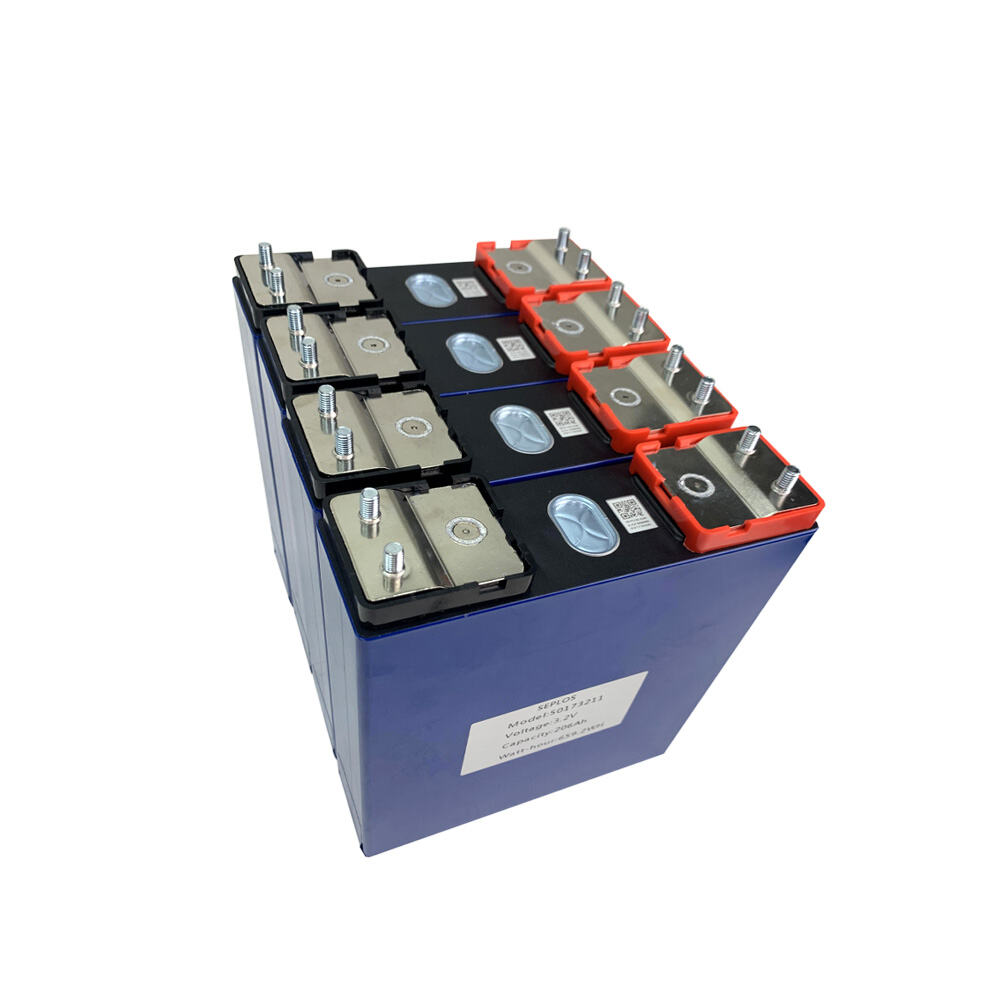
Choosing between a lithium iron phosphate battery and traditional lithium-ion batteries represents one of the most critical decisions in modern energy storage applications. While both technologies fall under the broader lithium-ion category, they exhibit fundamentally different characteristics that impact performance, safety, longevity, and cost-effectiveness across various industrial and residential applications.
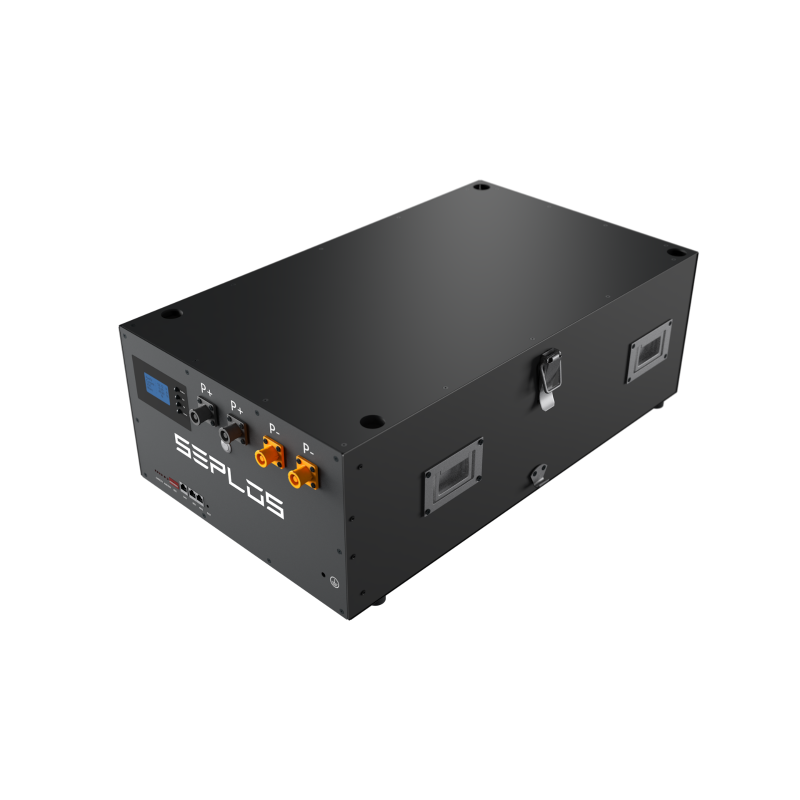
Understanding these differences becomes essential as businesses and homeowners increasingly adopt renewable energy systems, electric vehicles, and backup power solutions. The distinction between lithium iron phosphate battery technology and conventional lithium-ion chemistries directly influences system design, operational costs, safety protocols, and long-term return on investment across diverse energy storage scenarios.
Chemical Composition and Core Technology Differences
Cathode Material Variations
The primary distinction between a lithium iron phosphate battery and standard lithium-ion batteries lies in their cathode composition. Traditional lithium-ion batteries typically use lithium cobalt oxide, lithium manganese oxide, or lithium nickel manganese cobalt oxide as cathode materials, while lithium iron phosphate battery systems utilize iron phosphate compounds that create fundamentally different electrochemical properties.
This cathode difference significantly impacts the battery's thermal stability, energy density, and charging characteristics. The iron phosphate cathode in a lithium iron phosphate battery creates stronger molecular bonds that resist thermal runaway, while conventional lithium-ion cathodes may become unstable under extreme conditions or physical damage.
The molecular structure of lithium iron phosphate battery cathodes also influences ion movement during charge and discharge cycles. The phosphate framework provides stable pathways for lithium ion transport, contributing to the technology's reputation for consistent performance and extended cycle life compared to alternative lithium-ion chemistries.
Electrolyte and Separator Systems
Both lithium iron phosphate battery and traditional lithium-ion technologies utilize similar electrolyte systems, typically consisting of lithium salts dissolved in organic carbonate solvents. However, the interaction between electrolytes and different cathode materials creates distinct performance characteristics that affect operational parameters.
The separator materials in lithium iron phosphate battery systems often incorporate additional safety features due to the technology's focus on thermal stability and long-term reliability. These separators may include ceramic coatings or enhanced polymer structures that provide superior protection against internal shorts and thermal events.
Temperature stability of the electrolyte-cathode interface differs significantly between technologies. A lithium iron phosphate battery maintains more stable electrolyte chemistry across wider temperature ranges, while conventional lithium-ion batteries may experience accelerated degradation under similar thermal stress conditions.
Performance Characteristics and Operational Differences
Energy Density and Power Output
Energy density represents one of the most noticeable differences between lithium iron phosphate battery technology and conventional lithium-ion systems. Traditional lithium-ion batteries typically achieve energy densities between 150-250 Wh/kg, while lithium iron phosphate battery systems generally provide 90-160 Wh/kg, making them less suitable for weight-critical applications.
However, this lower energy density in a lithium iron phosphate battery comes with significant advantages in power delivery consistency. These systems maintain more stable voltage curves throughout their discharge cycles, providing predictable power output that proves beneficial for applications requiring consistent performance.
The power-to-weight ratio considerations become crucial when selecting between technologies. While conventional lithium-ion batteries excel in portable applications where weight matters, lithium iron phosphate battery systems prove superior in stationary applications where weight is less critical than long-term reliability and safety.
Charging Speed and Efficiency
Charging characteristics differ substantially between lithium iron phosphate battery and traditional lithium-ion technologies. Conventional lithium-ion batteries often support faster charging rates, particularly during the initial charging phases, making them attractive for applications requiring rapid energy replenishment.
A lithium iron phosphate battery typically accepts charge more conservatively, with recommended charging rates usually limited to prevent thermal stress and maximize cycle life. This conservative charging approach contributes to the technology's exceptional longevity but may require longer charging times in certain applications.
Charging efficiency varies between technologies, with lithium iron phosphate battery systems often demonstrating superior efficiency during the constant voltage charging phase. This improved efficiency translates to reduced energy waste and lower operational costs over the system's lifetime, particularly important for large-scale energy storage installations.
Safety and Thermal Stability Considerations
Thermal Runaway Prevention
Safety represents perhaps the most significant advantage of lithium iron phosphate battery technology over conventional lithium-ion systems. The phosphate cathode structure provides inherent thermal stability that significantly reduces the risk of thermal runaway events, making these systems safer for residential and commercial applications.
Conventional lithium-ion batteries, particularly those using cobalt-based cathodes, may experience thermal runaway when subjected to overcharging, physical damage, or extreme temperatures. This thermal runaway can lead to fire, explosion, or toxic gas release, requiring sophisticated battery management systems and safety protocols.
The thermal stability of a lithium iron phosphate battery extends beyond catastrophic failure prevention. These systems maintain stable performance across wider temperature ranges, reducing the need for active thermal management in many applications and simplifying system design requirements.
Overcharge and Overdischarge Protection
Tolerance to abuse conditions varies significantly between lithium iron phosphate battery and traditional lithium-ion technologies. Lithium iron phosphate systems demonstrate superior resistance to overcharge conditions, often tolerating moderate overcharge without immediate damage or safety risks.
Overdischarge tolerance also favors lithium iron phosphate battery technology. While both technologies benefit from proper battery management systems, lithium iron phosphate cells can often recover from deeper discharge states without permanent capacity loss, providing operational flexibility in demanding applications.
The reduced sensitivity to charge and discharge extremes in a lithium iron phosphate battery simplifies system design and reduces the complexity of required protection circuits. This tolerance contributes to lower system costs and improved reliability in real-world operating conditions.
Cycle Life and Long-Term Durability
Capacity Retention Over Time
Cycle life represents one of the strongest advantages of lithium iron phosphate battery technology. These systems typically achieve 3,000-5,000 charge cycles while retaining 80% of their original capacity, significantly exceeding the 500-1,500 cycle performance of many conventional lithium-ion technologies.
The superior cycle life of a lithium iron phosphate battery stems from the structural stability of the iron phosphate cathode during charge and discharge operations. This stability minimizes electrode degradation and electrolyte decomposition that typically limit the lifespan of conventional lithium-ion systems.
Calendar aging also favors lithium iron phosphate battery technology. These systems experience slower capacity degradation when stored or operated intermittently, making them ideal for backup power applications where batteries may remain idle for extended periods between use cycles.
Temperature Impact on Longevity
Operating temperature significantly affects the longevity of both technologies, but lithium iron phosphate battery systems demonstrate superior performance under thermal stress. High temperatures that rapidly degrade conventional lithium-ion batteries have minimal impact on lithium iron phosphate cycle life and capacity retention.
Cold temperature performance also differs between technologies. While both experience reduced capacity in cold conditions, a lithium iron phosphate battery typically recovers full performance when returned to normal temperatures, while conventional lithium-ion batteries may suffer permanent capacity loss from cold weather operation.
The reduced temperature sensitivity of lithium iron phosphate battery technology enables deployment in challenging environmental conditions without active thermal management. This capability expands application possibilities and reduces system complexity in outdoor or industrial installations.
Cost Analysis and Economic Considerations
Initial Investment Comparison
Initial cost differences between lithium iron phosphate battery and conventional lithium-ion technologies reflect their different manufacturing processes and material costs. Lithium iron phosphate systems typically command higher upfront prices due to their specialized cathode materials and manufacturing requirements.
However, the higher initial cost of a lithium iron phosphate battery must be evaluated against its superior cycle life and reduced maintenance requirements. When calculated on a cost-per-cycle basis, lithium iron phosphate technology often proves more economical than conventional alternatives, particularly in high-cycle applications.
The absence of expensive materials like cobalt in lithium iron phosphate battery construction also provides price stability advantages. Cobalt price volatility significantly affects conventional lithium-ion battery costs, while iron and phosphate materials used in lithium iron phosphate systems remain relatively stable and abundant.
Total Cost of Ownership
Total cost of ownership calculations strongly favor lithium iron phosphate battery technology in most stationary applications. The extended cycle life, reduced maintenance requirements, and lower replacement frequency of these systems create compelling economic advantages over their operational lifetime.
Operating costs also differ between technologies. The improved efficiency and thermal stability of a lithium iron phosphate battery reduce cooling requirements and energy losses, contributing to lower operational expenses in large-scale installations.
End-of-life considerations further influence economic analysis. Lithium iron phosphate battery systems often retain significant residual value due to their extended lifespan and stable materials, while conventional lithium-ion batteries may require costly disposal procedures due to their more reactive chemistries.
FAQ
Is a lithium iron phosphate battery safer than regular lithium-ion batteries?
Yes, lithium iron phosphate batteries are significantly safer than conventional lithium-ion batteries. The iron phosphate cathode provides inherent thermal stability that virtually eliminates the risk of thermal runaway, fire, or explosion. This enhanced safety makes them ideal for residential, commercial, and industrial applications where safety is paramount.
How much longer does a lithium iron phosphate battery last compared to standard lithium-ion?
A lithium iron phosphate battery typically lasts 3-5 times longer than conventional lithium-ion batteries. While standard lithium-ion batteries provide 500-1,500 charge cycles, lithium iron phosphate systems deliver 3,000-5,000 cycles while retaining 80% capacity, making them far more cost-effective for long-term applications.
Can lithium iron phosphate batteries be charged as quickly as regular lithium-ion batteries?
Lithium iron phosphate batteries generally charge more conservatively than conventional lithium-ion batteries to maximize their exceptional cycle life. While they may not achieve the fastest charging speeds possible with some lithium-ion chemistries, their superior efficiency and longevity typically offset any charging time differences in most practical applications.
Are lithium iron phosphate batteries worth the higher initial cost?
Despite higher upfront costs, lithium iron phosphate batteries prove more economical over their lifetime due to their extended cycle life, enhanced safety, reduced maintenance requirements, and superior performance consistency. The cost-per-cycle calculation strongly favors lithium iron phosphate technology, particularly in stationary energy storage applications where weight is less critical than reliability and longevity.
Table of Contents
- Chemical Composition and Core Technology Differences
- Performance Characteristics and Operational Differences
- Safety and Thermal Stability Considerations
- Cycle Life and Long-Term Durability
- Cost Analysis and Economic Considerations
-
FAQ
- Is a lithium iron phosphate battery safer than regular lithium-ion batteries?
- How much longer does a lithium iron phosphate battery last compared to standard lithium-ion?
- Can lithium iron phosphate batteries be charged as quickly as regular lithium-ion batteries?
- Are lithium iron phosphate batteries worth the higher initial cost?
