
 EN
EN


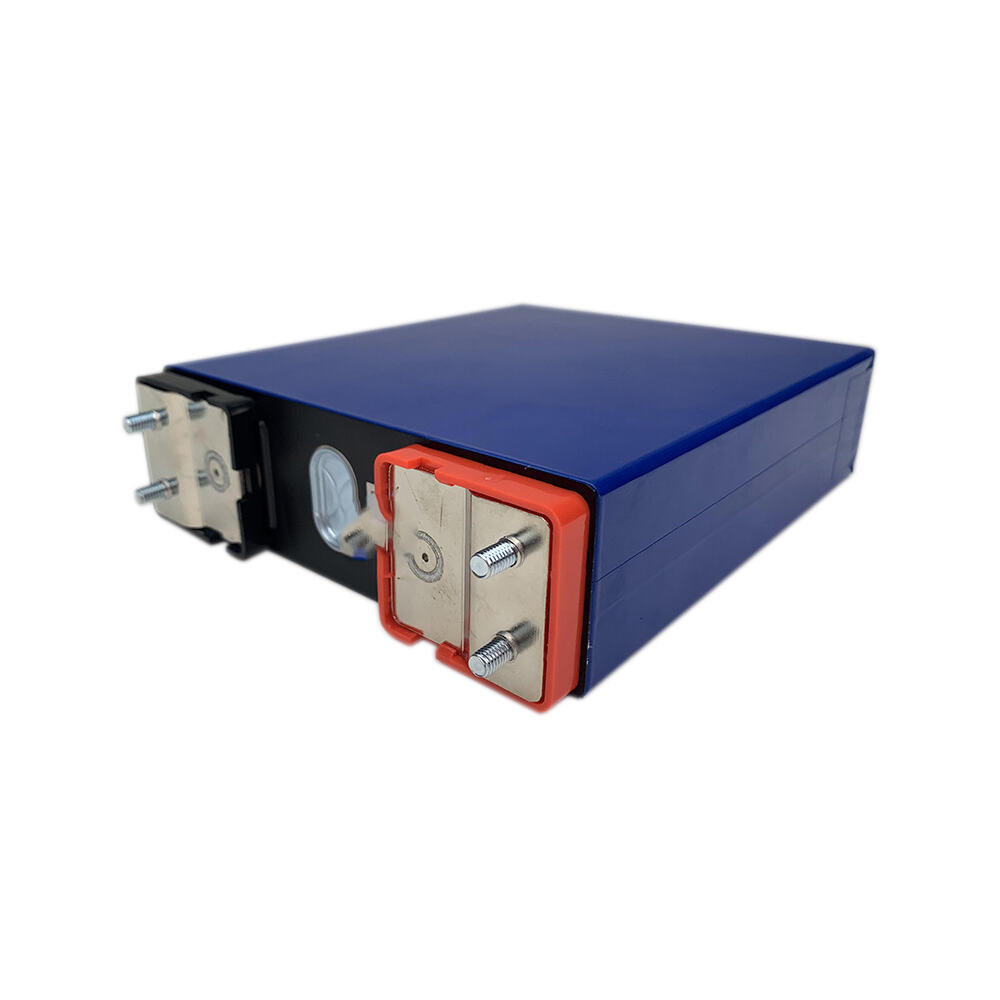
Lithium iron phosphate battery technology has revolutionized energy storage across residential, commercial, and industrial applications, but understanding their actual lifespan remains a critical concern for anyone considering this investment. The longevity of these advanced energy storage systems depends on multiple interconnected factors including charge cycles, operating conditions, maintenance practices, and quality of construction, making it essential to examine the realistic expectations versus manufacturer claims.
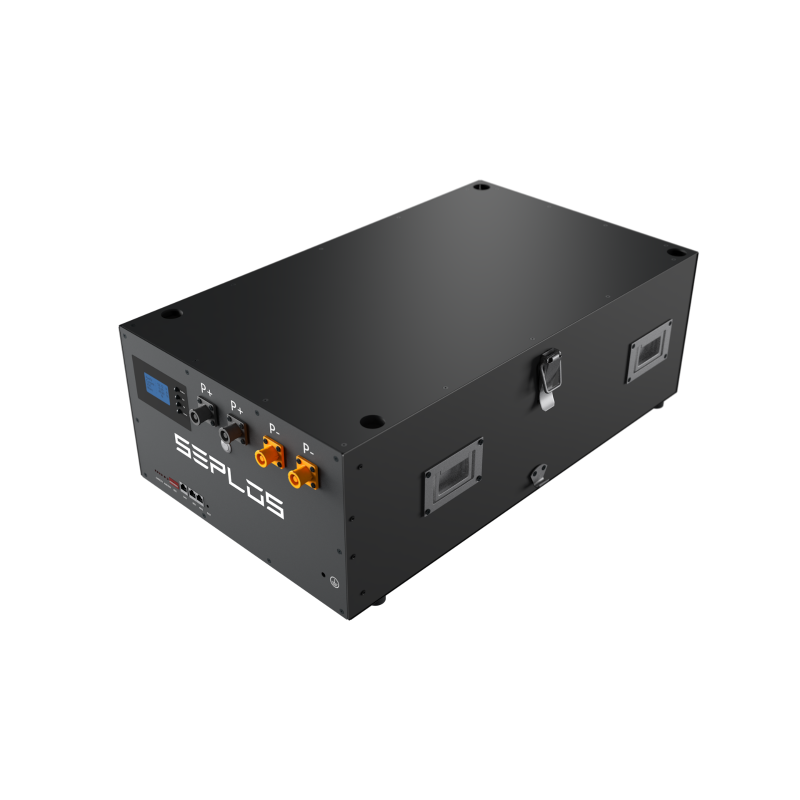
The typical lifespan of a lithium iron phosphate battery ranges from 10 to 15 years under normal operating conditions, with some premium units achieving up to 20 years of service life. However, this timeframe represents calendar aging rather than just cycle life, as real-world performance depends heavily on how the battery management system handles charging protocols, thermal conditions, and depth of discharge patterns that occur during daily operation.
Understanding Cycle Life and Calendar Aging
Defining Battery Cycle Life
A lithium iron phosphate battery cycle represents one complete charge and discharge sequence, though partial cycles also contribute to overall aging. Most quality lithium iron phosphate battery systems are rated for 3,000 to 8,000 full cycles at 80 percent depth of discharge, which translates to decades of typical residential or commercial use when properly managed.
The relationship between cycle depth and total lifespan follows a predictable pattern where shallow discharge cycles significantly extend battery life. For instance, limiting discharge to 50 percent can potentially double the available cycles compared to regular 80 percent discharge cycles, though this approach requires larger initial capacity to meet the same energy needs.
Temperature during cycling plays a crucial role in determining actual cycle life, as lithium iron phosphate battery chemistry performs optimally between 15 and 25 degrees Celsius. Operating consistently outside this range, particularly at elevated temperatures above 35 degrees Celsius, can reduce cycle life by 20 to 40 percent even with sophisticated thermal management systems.
Calendar Aging Effects
Calendar aging occurs regardless of usage patterns and represents the natural degradation of lithium iron phosphate battery materials over time. This process typically results in a gradual capacity reduction of 2 to 3 percent annually under ideal storage conditions, though real-world environments often accelerate this timeline due to temperature fluctuations and humidity exposure.
The state of charge during storage periods significantly impacts calendar aging rates, with optimal storage occurring between 40 and 60 percent charge levels. Maintaining a lithium iron phosphate battery at full charge for extended periods, while convenient for immediate use, can accelerate aging processes and reduce overall service life by several years.
Voltage stability during idle periods also influences calendar aging, making quality battery management systems essential for maintaining cell balance and preventing individual cell degradation that could compromise the entire lithium iron phosphate battery pack performance.
Environmental and Operating Factors
Temperature Impact on Longevity
Operating temperature represents perhaps the most significant external factor affecting lithium iron phosphate battery lifespan, with elevated temperatures accelerating chemical degradation processes within the cells. Each 10-degree Celsius increase in average operating temperature can reduce battery life by 15 to 25 percent, making thermal management systems critical for maximizing investment returns.
Cold temperatures present different challenges for lithium iron phosphate battery performance, reducing available capacity and increasing internal resistance during discharge cycles. While cold conditions generally slow aging processes, the reduced efficiency and potential for lithium plating during low-temperature charging can create long-term damage if not properly managed through adaptive charging protocols.
Thermal cycling, where batteries experience regular temperature swings, creates additional stress on cell components through expansion and contraction cycles. Installing lithium iron phosphate battery systems in temperature-controlled environments or utilizing active thermal management can extend service life by maintaining more stable operating conditions throughout the installation lifecycle.
Charging and Discharge Patterns
The frequency and depth of discharge cycles directly correlate with lithium iron phosphate battery aging rates, making usage patterns a controllable factor in determining actual lifespan. Systems that regularly experience deep discharge cycles will age faster than those maintained within moderate discharge ranges, even when total energy throughput remains similar.
Charging protocols significantly influence longevity, with slow, controlled charging generally extending battery life compared to rapid charging methods. A properly configured lithium iron phosphate battery management system will optimize charging rates based on temperature, current state of charge, and historical performance data to maximize service life.
Irregular usage patterns, where batteries experience periods of intensive use followed by extended idle periods, can create challenges for maintaining optimal cell balance and may require more sophisticated management strategies to prevent premature aging of individual cells within the battery pack.
Quality and Manufacturing Variations
Cell Grade and Construction Quality
The quality of individual lithium iron phosphate battery cells varies significantly between manufacturers and grade levels, with automotive-grade cells typically offering superior longevity compared to consumer-grade alternatives. Premium cell construction includes enhanced separator materials, optimized electrolyte formulations, and more robust cathode structures that resist degradation over extended service periods.
Manufacturing consistency affects long-term performance, as variations in cell capacity, internal resistance, and voltage characteristics can create imbalances that accelerate aging in weaker cells. Quality lithium iron phosphate battery systems incorporate cell matching processes and sophisticated monitoring systems to identify and compensate for these variations throughout the service life.
The battery management system quality represents a critical factor in actual longevity, as sophisticated monitoring and control algorithms can significantly extend service life through optimized charging protocols, thermal management, and cell balancing strategies that adapt to changing conditions over time.
Assembly and Integration Standards
Professional assembly standards affect lithium iron phosphate battery longevity through proper cell interconnection, thermal interface design, and protection system integration. Poor assembly practices can create hot spots, voltage imbalances, and mechanical stress points that accelerate degradation and reduce overall system reliability.
Integration with existing electrical systems requires careful consideration of charging sources, load characteristics, and protection coordination to ensure the lithium iron phosphate battery operates within designed parameters. Mismatched charging systems or inadequate protection can significantly reduce battery life through overvoltage conditions, excessive current demands, or improper charging profiles.
Quality control processes during manufacturing and assembly help identify potential failure modes before deployment, though field conditions often reveal issues that may not appear during initial testing. Comprehensive warranty programs and performance monitoring can provide insights into actual longevity patterns and help identify optimization opportunities.
Maintenance and Performance Optimization
Monitoring and Diagnostic Practices
Regular monitoring of lithium iron phosphate battery performance parameters provides early warning of degradation trends and optimization opportunities. Key metrics include individual cell voltages, temperature distributions, charge and discharge efficiency, and capacity retention measurements that can reveal developing issues before they impact overall system performance.
Diagnostic procedures should include periodic capacity testing under controlled conditions to establish baseline performance and track degradation rates over time. This information helps predict remaining service life and optimize operating parameters to maximize the useful lifespan of the lithium iron phosphate battery installation.
Advanced monitoring systems can automatically adjust operating parameters based on real-time performance data, extending battery life through adaptive management strategies that respond to changing conditions and aging patterns. These systems represent a worthwhile investment for larger installations where battery replacement costs are significant.
Preventive Maintenance Strategies
Preventive maintenance for lithium iron phosphate battery systems focuses primarily on environmental control, connection integrity, and monitoring system calibration rather than the extensive maintenance required by traditional battery technologies. Regular inspection of thermal management systems, ventilation adequacy, and electrical connections helps prevent conditions that could accelerate aging.
Firmware updates for battery management systems often include optimizations based on field experience and can extend battery life through improved algorithms and protection strategies. Maintaining current software versions ensures the lithium iron phosphate battery benefits from the latest performance and longevity enhancements.
Environmental maintenance includes managing dust accumulation, moisture control, and pest prevention that could affect cooling systems or create electrical safety hazards. While lithium iron phosphate battery technology is inherently more robust than alternatives, maintaining proper operating environments maximizes service life and performance consistency.
FAQ
What is the typical warranty period for lithium iron phosphate batteries?
Most quality lithium iron phosphate battery manufacturers offer warranties ranging from 5 to 10 years, with many guaranteeing 80 percent capacity retention after 10 years of normal use. Premium systems may include extended warranties up to 15 years, though actual service life often exceeds warranty periods when properly maintained and operated within design parameters.
How does depth of discharge affect battery lifespan?
Limiting depth of discharge significantly extends lithium iron phosphate battery life, with 50 percent discharge cycles potentially providing twice as many total cycles compared to 80 percent discharge patterns. However, this requires oversizing the battery capacity to meet energy needs, creating a trade-off between initial cost and longevity that depends on specific application requirements and economic considerations.
Can lithium iron phosphate batteries be repaired or refurbished?
Individual cell replacement within lithium iron phosphate battery packs is possible but requires specialized expertise and equipment to maintain safety and performance standards. Most manufacturers recommend complete system replacement rather than refurbishment due to the complexity of cell matching and integration requirements, though some commercial services specialize in battery pack rebuilding for larger installations.
What signs indicate a lithium iron phosphate battery is nearing end of life?
Key indicators include reduced capacity retention below 80 percent of original specification, increased charging time requirements, elevated operating temperatures, and individual cell voltage imbalances during charging or discharging. Advanced monitoring systems can detect these trends early and provide replacement timing recommendations based on performance degradation patterns and application requirements.
