
 EN
EN


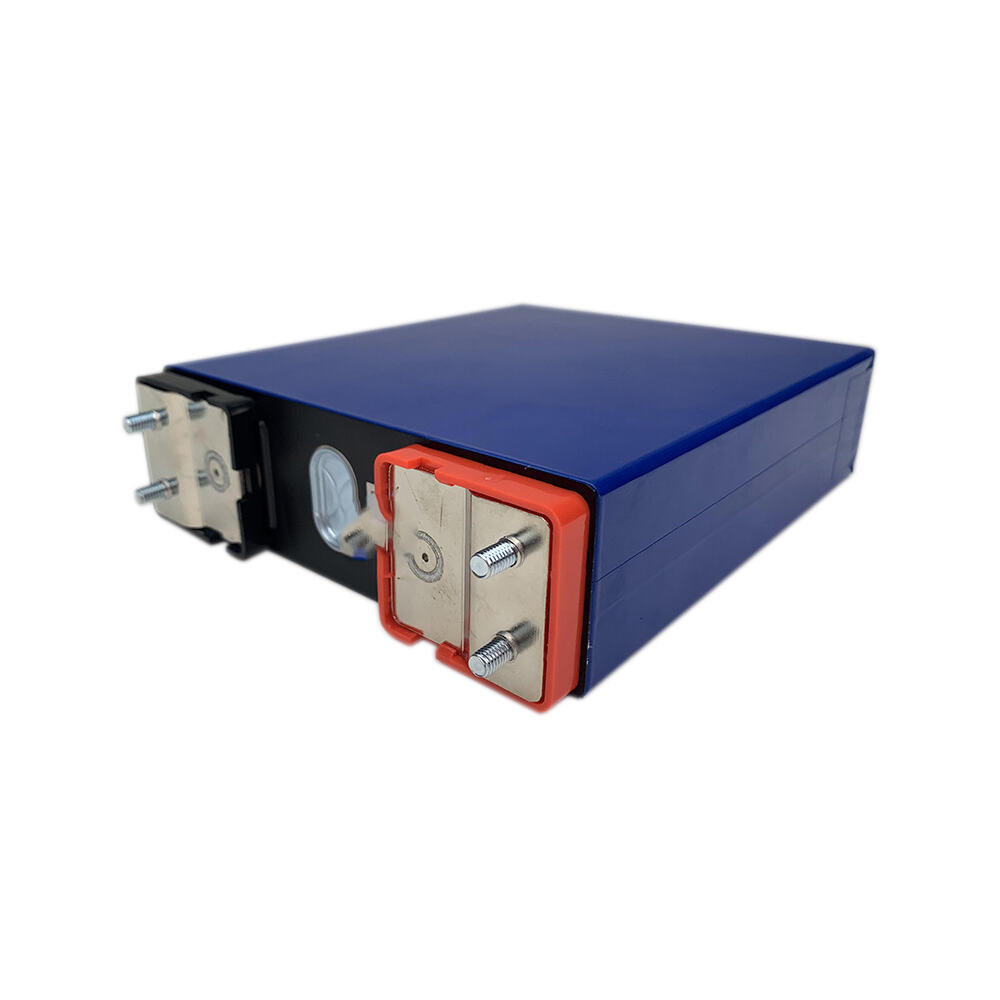
Safety concerns surrounding battery technology have reached critical importance as energy storage systems become increasingly prevalent in residential, commercial, and industrial applications. The lithium iron phosphate battery represents one of the most significant advances in battery safety technology, offering inherent chemical stability and thermal resistance that sets it apart from other lithium-ion chemistries. Understanding the fundamental safety characteristics of these systems is essential for anyone considering their implementation in energy storage applications.
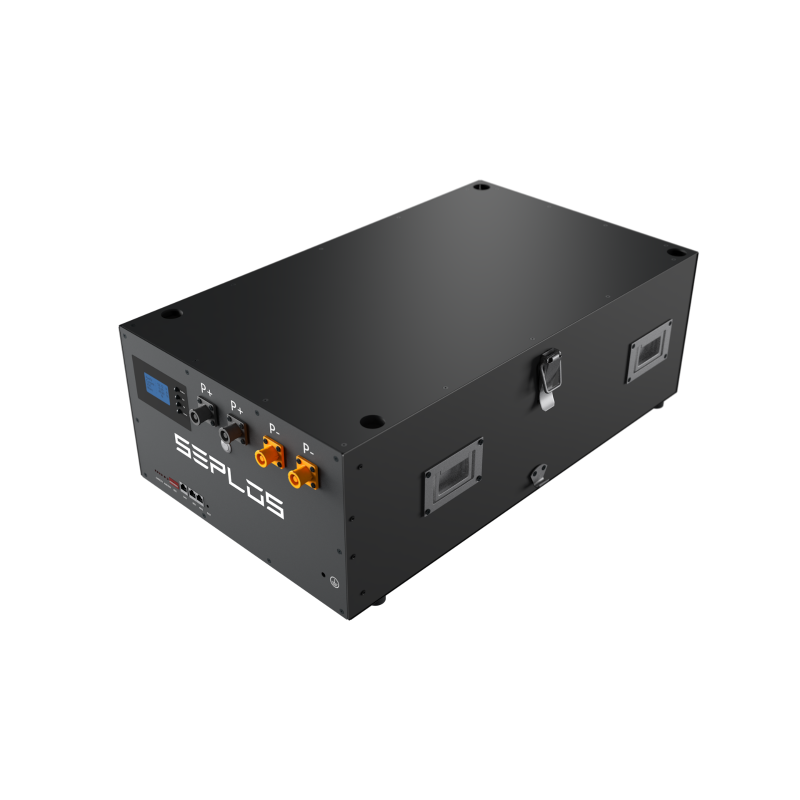
The safety profile of a lithium iron phosphate battery stems from its unique chemical composition and electrochemical properties that create multiple layers of protection against common battery hazards. Unlike conventional lithium-ion chemistries that may experience thermal runaway under extreme conditions, lithium iron phosphate technology maintains structural integrity even when subjected to physical stress, overcharging, or elevated temperatures. This inherent safety advantage makes these batteries particularly suitable for applications where human safety and property protection are paramount concerns.
Chemical Stability and Thermal Safety Characteristics
Fundamental Chemical Properties
The chemical foundation of lithium iron phosphate battery safety lies in the olivine crystal structure of the cathode material, which creates exceptionally strong covalent bonds that resist decomposition under stress. This molecular architecture prevents the release of oxygen during battery operation, eliminating one of the primary causes of thermal runaway in other lithium-ion technologies. The phosphate group within the crystal lattice provides additional stability through its resistance to structural breakdown even at elevated temperatures exceeding normal operating ranges.
Temperature tolerance represents a critical safety advantage of lithium iron phosphate battery technology, with these systems maintaining stable operation across temperature ranges that would compromise other battery chemistries. The cathode material demonstrates remarkable thermal stability up to temperatures of 500°C before any significant decomposition occurs, compared to other lithium-ion chemistries that may begin breaking down at temperatures as low as 150°C. This extended thermal tolerance provides substantial safety margins during both normal operation and emergency conditions.
Chemical compatibility between the lithium iron phosphate cathode and electrolyte systems creates additional safety benefits through reduced reactivity and improved long-term stability. The absence of cobalt or other transition metals that can catalyze unwanted chemical reactions eliminates many potential failure modes that compromise safety in alternative battery technologies. This chemical inertness contributes to the overall safety profile while supporting extended operational lifespans without degradation of safety characteristics.
Thermal Runaway Prevention
Thermal runaway prevention represents perhaps the most significant safety advantage of lithium iron phosphate battery technology, as these systems demonstrate exceptional resistance to the cascading failure modes that affect other battery chemistries. The stable crystal structure of the cathode material prevents the exothermic reactions that typically trigger thermal runaway events, maintaining chemical stability even when individual cells experience mechanical damage or electrical faults. This inherent resistance to thermal runaway provides critical safety margins in applications where battery systems may be subjected to physical stress or operating conditions beyond normal parameters.
Heat generation patterns in lithium iron phosphate battery systems follow predictable profiles that allow for effective thermal management without the risk of sudden temperature spikes that characterize thermal runaway events. The gradual heat generation during high-current discharge or charging operations provides sufficient time for thermal management systems to respond effectively, preventing the accumulation of heat that could compromise battery safety. This controlled heat generation profile makes it possible to design safe battery systems without complex thermal protection mechanisms.
Safety testing protocols consistently demonstrate the superior thermal stability of lithium iron phosphate battery technology under extreme conditions including nail penetration, crushing, and deliberate overcharging scenarios. These standardized safety tests reveal that even when individual cells are deliberately compromised, the lithium iron phosphate battery systems typically fail safely without fire, explosion, or toxic gas release that could endanger personnel or property.
Fire and Explosion Risk Assessment
Combustibility Analysis
Fire risk assessment for lithium iron phosphate battery systems reveals significantly lower combustibility compared to other battery technologies, primarily due to the absence of flammable gas generation during normal operation and most failure modes. The stable chemical composition prevents the release of oxygen that could support combustion, while the phosphate-based chemistry produces minimal flammable byproducts even during cell degradation or mechanical failure. This reduced fire risk makes lithium iron phosphate battery installations safer for residential and commercial applications where fire prevention is a primary concern.
Ignition temperature characteristics of lithium iron phosphate battery materials exceed the temperatures typically encountered during normal operation and most emergency scenarios, providing substantial safety margins against accidental ignition. The high ignition temperature threshold, combined with the limited availability of combustible materials within the battery chemistry, creates multiple barriers to fire initiation even when batteries are exposed to external heat sources or electrical faults that might compromise other battery technologies.
Flame propagation studies demonstrate that lithium iron phosphate battery systems exhibit self-limiting fire characteristics when combustion does occur, with flames typically remaining localized rather than spreading rapidly through battery modules or adjacent materials. This controlled combustion behavior results from the absence of volatile organic compounds and reactive metals that accelerate fire spread in other battery chemistries, allowing fire suppression systems more time to respond effectively and limiting potential damage to surrounding equipment or structures.
Gas Emission Safety
Gas emission analysis during lithium iron phosphate battery operation and failure modes reveals minimal production of toxic or flammable gases compared to alternative battery technologies that may release hydrogen fluoride, carbon monoxide, or other hazardous compounds. The stable chemical composition produces primarily carbon dioxide and water vapor during any thermal decomposition, eliminating many of the respiratory and environmental hazards associated with battery system failures in enclosed spaces.
Ventilation requirements for lithium iron phosphate battery installations are typically less stringent than those required for other battery technologies, reflecting the reduced risk of hazardous gas accumulation during normal operation or emergency conditions. The minimal gas production allows for more flexible installation options in residential and commercial settings where complex ventilation systems may not be practical or cost-effective to implement.
Emergency response protocols for lithium iron phosphate battery incidents benefit from the predictable and limited gas emission profiles, allowing first responders to approach battery system emergencies with reduced concerns about toxic exposure or explosion risks. This improved emergency response safety enhances overall system safety by enabling more effective intervention during incidents that might compromise battery system integrity.
Electrical Safety and Protection Systems
Overcharge Protection Mechanisms
Overcharge protection in lithium iron phosphate battery systems benefits from the inherent voltage limitations of the chemistry itself, which naturally limits charge acceptance as batteries approach full capacity without requiring complex external protection circuits. The flat voltage curve characteristic of lithium iron phosphate battery technology provides clear electrical signals for charge termination, reducing the risk of continued charging beyond safe limits that could compromise battery integrity or safety.
Built-in protection mechanisms within lithium iron phosphate battery cells include pressure relief valves and current limiting features that activate automatically when electrical parameters exceed safe operating ranges. These passive protection systems provide multiple layers of safety without relying on external monitoring equipment that could fail or be bypassed, ensuring consistent protection even in systems where active battery management may be compromised.
Charge rate tolerance of lithium iron phosphate battery systems allows for rapid charging without the elevated safety risks associated with fast charging of other battery chemistries, as the stable chemical composition resists the formation of lithium dendrites and other charge-related failure modes. This enhanced charge rate tolerance simplifies battery system design while maintaining safety margins during high-current charging operations.
Short Circuit and Overcurrent Protection
Short circuit behavior in lithium iron phosphate battery systems demonstrates controlled current limitation characteristics that prevent the extreme current flows and rapid heating that could create safety hazards in other battery technologies. The internal resistance characteristics of these batteries naturally limit fault currents to manageable levels while the stable chemistry prevents rapid temperature rise even during short circuit conditions.
Overcurrent protection systems for lithium iron phosphate battery installations can be designed with higher current thresholds compared to other battery technologies, reflecting the superior current handling capabilities and thermal stability of these systems. This enhanced current tolerance allows for more flexible system design while maintaining appropriate safety margins for both normal operation and fault conditions.
Fault isolation capabilities in lithium iron phosphate battery systems benefit from the predictable failure modes and controlled degradation characteristics that allow individual cells or modules to be safely disconnected without affecting the safety of remaining battery components. This graceful degradation behavior enhances overall system safety by preventing single-point failures from compromising entire battery installations.
Physical Safety and Mechanical Integrity
Impact and Vibration Resistance
Physical durability testing reveals that lithium iron phosphate battery systems maintain safety characteristics even when subjected to mechanical stress that would compromise other battery technologies, including impact forces, vibration, and compression loads typical of mobile and stationary applications. The robust cell construction and stable chemistry prevent the mechanical damage from triggering chemical reactions that could create safety hazards, allowing these batteries to operate safely in environments where physical stress is unavoidable.
Crush test results for lithium iron phosphate battery cells demonstrate the ability to maintain structural integrity and prevent thermal runaway even when cell casings are severely deformed or penetrated by external objects. This exceptional resistance to mechanical failure modes provides critical safety advantages in automotive, marine, and portable applications where batteries may be exposed to impact forces during normal use or emergency situations.
Vibration tolerance characteristics of lithium iron phosphate battery systems exceed the requirements for most industrial and transportation applications, maintaining electrical and mechanical integrity during extended exposure to vibration cycles that could fatigue other battery technologies. This enhanced vibration resistance contributes to long-term safety by preventing mechanical degradation that could compromise electrical connections or cell integrity over time.
Environmental Durability
Environmental stress testing demonstrates that lithium iron phosphate battery safety characteristics remain stable across wide temperature ranges, humidity levels, and atmospheric conditions without degradation of chemical or electrical properties. The stable chemistry resists corrosion and maintains protective characteristics even in harsh industrial environments where other battery technologies might experience accelerated degradation that could compromise safety.
Moisture resistance properties of lithium iron phosphate battery systems provide enhanced safety in outdoor and marine applications where exposure to humidity or water ingress could create electrical hazards in other battery technologies. The robust cell sealing and corrosion-resistant materials maintain electrical isolation and prevent the formation of conductive pathways that could create shock hazards or system failures.
Chemical compatibility with common industrial environments ensures that lithium iron phosphate battery systems maintain safety characteristics even when exposed to cleaning chemicals, lubricants, and other industrial fluids that might interact with battery materials. This environmental compatibility simplifies installation requirements while maintaining consistent safety performance across diverse application environments.
Long-term Safety and Aging Characteristics
Capacity Degradation and Safety Correlation
Long-term aging studies of lithium iron phosphate battery systems reveal that capacity degradation occurs gradually without sudden changes in safety characteristics, allowing for predictable end-of-life planning that maintains safety margins throughout the battery service life. The stable chemistry prevents the formation of reactive byproducts during aging that could compromise safety, ensuring that even degraded batteries continue to operate safely until replacement becomes necessary.
Safety parameter tracking throughout lithium iron phosphate battery lifecycles shows that thermal stability, electrical isolation, and chemical inertness remain consistent even as energy capacity decreases over time. This maintenance of safety characteristics during aging contrasts favorably with other battery technologies that may experience degraded safety performance as batteries approach end-of-life conditions.
Predictive safety monitoring systems can effectively track lithium iron phosphate battery health indicators to identify potential safety concerns before they develop into hazardous conditions, taking advantage of the gradual degradation patterns and stable failure modes characteristic of this technology. This predictive capability enhances overall system safety by enabling proactive maintenance and replacement strategies.
End-of-Life Safety Considerations
End-of-life handling procedures for lithium iron phosphate battery systems are simplified by the stable chemistry and reduced reactivity that minimize special handling requirements compared to other battery technologies containing more hazardous materials. The absence of toxic heavy metals and stable chemical composition allow for safer disposal and recycling processes that protect both workers and environmental resources.
Recycling safety protocols for lithium iron phosphate battery materials benefit from the non-toxic nature of the constituent materials and the absence of volatile compounds that could create hazardous working conditions during battery processing and material recovery operations. This enhanced recycling safety supports sustainable battery lifecycle management while maintaining worker safety throughout the recycling process.
Storage safety requirements for end-of-life lithium iron phosphate battery systems are less stringent than those required for other battery technologies, as the stable chemistry prevents degradation that could create safety hazards during extended storage periods before recycling or disposal. This simplified storage requirement reduces the cost and complexity of battery lifecycle management while maintaining environmental and worker safety.
FAQ
What makes lithium iron phosphate batteries safer than other lithium-ion batteries?
Lithium iron phosphate batteries feature an inherently stable crystal structure that resists thermal breakdown and prevents oxygen release, eliminating the primary causes of thermal runaway that affect other lithium-ion chemistries. The phosphate-based cathode material maintains structural integrity at temperatures exceeding 500°C, compared to other lithium-ion technologies that may begin decomposing at 150°C, providing substantial safety margins during operation and emergency conditions.
Can lithium iron phosphate batteries catch fire or explode?
While no battery technology is completely immune to fire under extreme conditions, lithium iron phosphate batteries demonstrate exceptional resistance to ignition and explosion due to their stable chemistry and minimal flammable gas production. Even when individual cells are deliberately compromised through nail penetration or crushing tests, these batteries typically fail safely without fire or explosion, instead releasing primarily carbon dioxide and water vapor rather than toxic or flammable gases.
How do lithium iron phosphate batteries handle overcharging situations?
Lithium iron phosphate batteries naturally resist overcharging damage due to their flat voltage curve and inherent charge acceptance limitations that prevent excessive energy storage beyond safe capacity levels. The stable chemistry prevents the formation of metallic lithium dendrites during overcharging, while built-in pressure relief mechanisms and current limiting features provide additional protection against electrical faults that could compromise battery safety.
Are there special safety requirements for installing lithium iron phosphate battery systems?
Installation safety requirements for lithium iron phosphate battery systems are generally less stringent than those required for other battery technologies, as the stable chemistry reduces fire risk and eliminates the need for complex ventilation systems to manage toxic gas emissions. However, standard electrical safety practices including proper grounding, circuit protection, and thermal management should still be implemented to ensure optimal safety performance and regulatory compliance.
Table of Contents
- Chemical Stability and Thermal Safety Characteristics
- Fire and Explosion Risk Assessment
- Electrical Safety and Protection Systems
- Physical Safety and Mechanical Integrity
- Long-term Safety and Aging Characteristics
-
FAQ
- What makes lithium iron phosphate batteries safer than other lithium-ion batteries?
- Can lithium iron phosphate batteries catch fire or explode?
- How do lithium iron phosphate batteries handle overcharging situations?
- Are there special safety requirements for installing lithium iron phosphate battery systems?
