lithium polymer battery cell
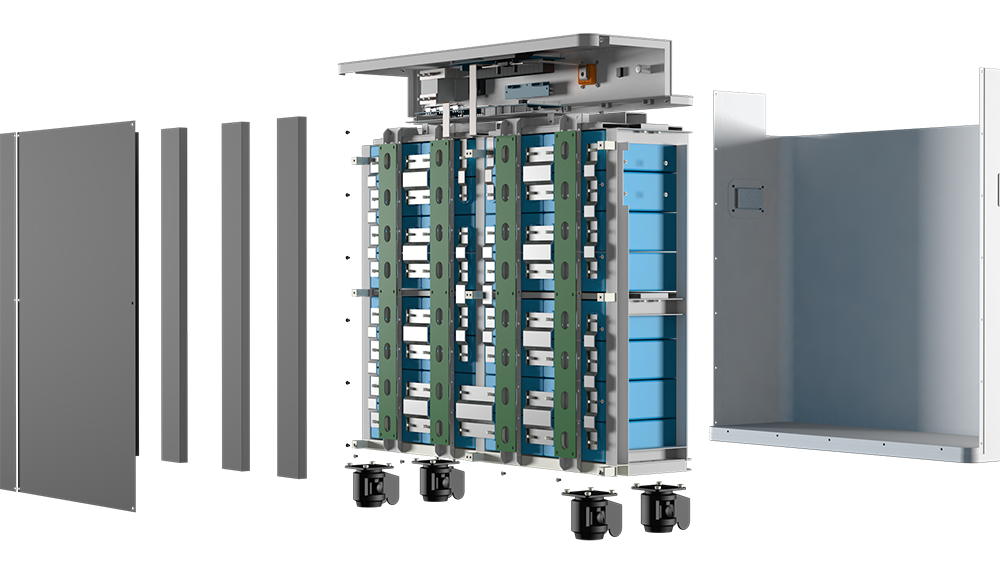
The lithium polymer battery cell represents a significant advancement in energy storage technology, offering a sophisticated solution for modern electronic devices. This innovative power source utilizes a polymer electrolyte instead of the traditional liquid electrolyte found in conventional lithium-ion batteries. The cell's construction consists of a cathode, anode, and polymer electrolyte separator, enabling efficient energy storage and delivery while maintaining a remarkably slim profile. These batteries feature a unique flexible form factor, allowing them to be manufactured in various shapes and sizes to accommodate different device requirements. The technology behind lithium polymer cells enables high energy density, making them ideal for applications where space efficiency is crucial. They operate by facilitating the movement of lithium ions between the positive and negative electrodes during charging and discharging cycles, delivering consistent power output throughout their operational life. Common applications include mobile phones, tablets, laptops, drones, and electric vehicles, where their combination of reliability, safety, and performance makes them an optimal choice. The cells also incorporate advanced safety features, including specialized circuits that prevent overcharging and temperature monitoring systems that maintain optimal operating conditions.

 EN
EN