Lithium Ion Phosphate Cells: Advanced, Safe, and Sustainable Energy Storage Solution

Get a Free Quote

Our representative will contact you soon.
Email
Name
Company Name
Message
0/1000

lithium ion phosphate cell

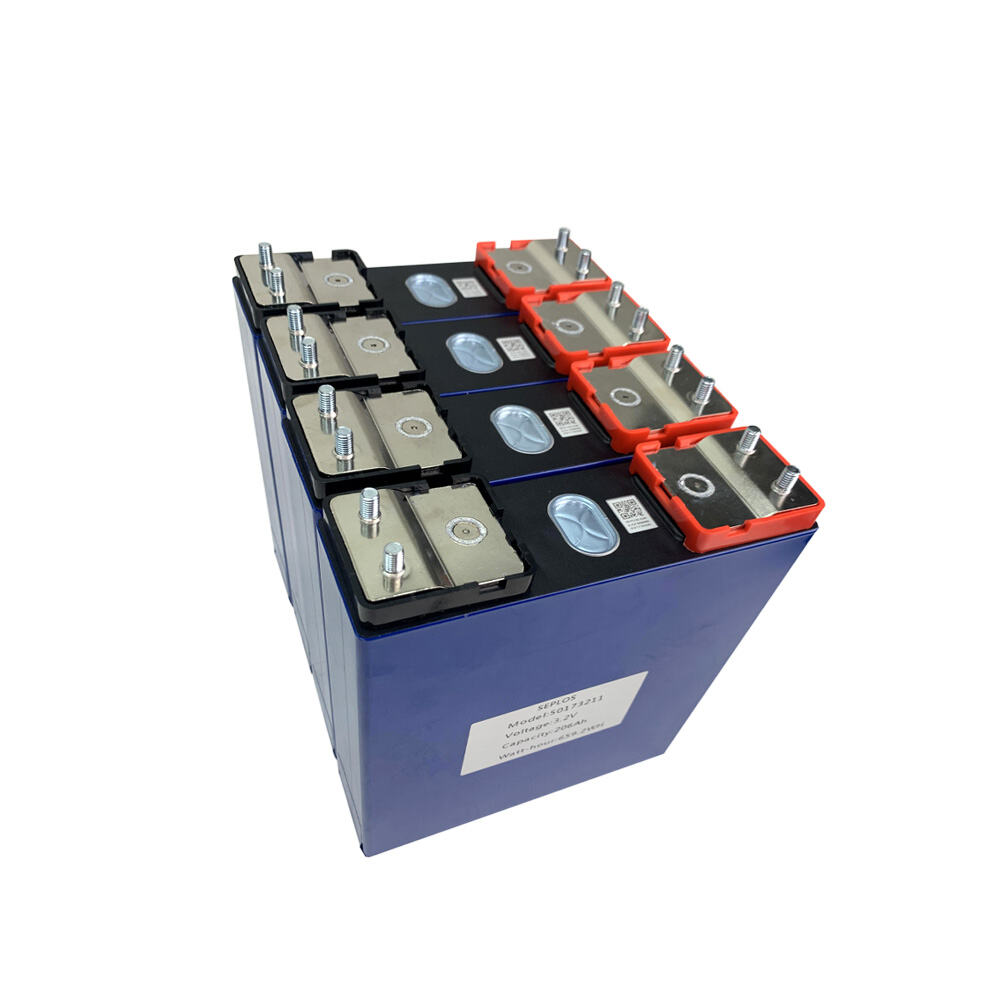
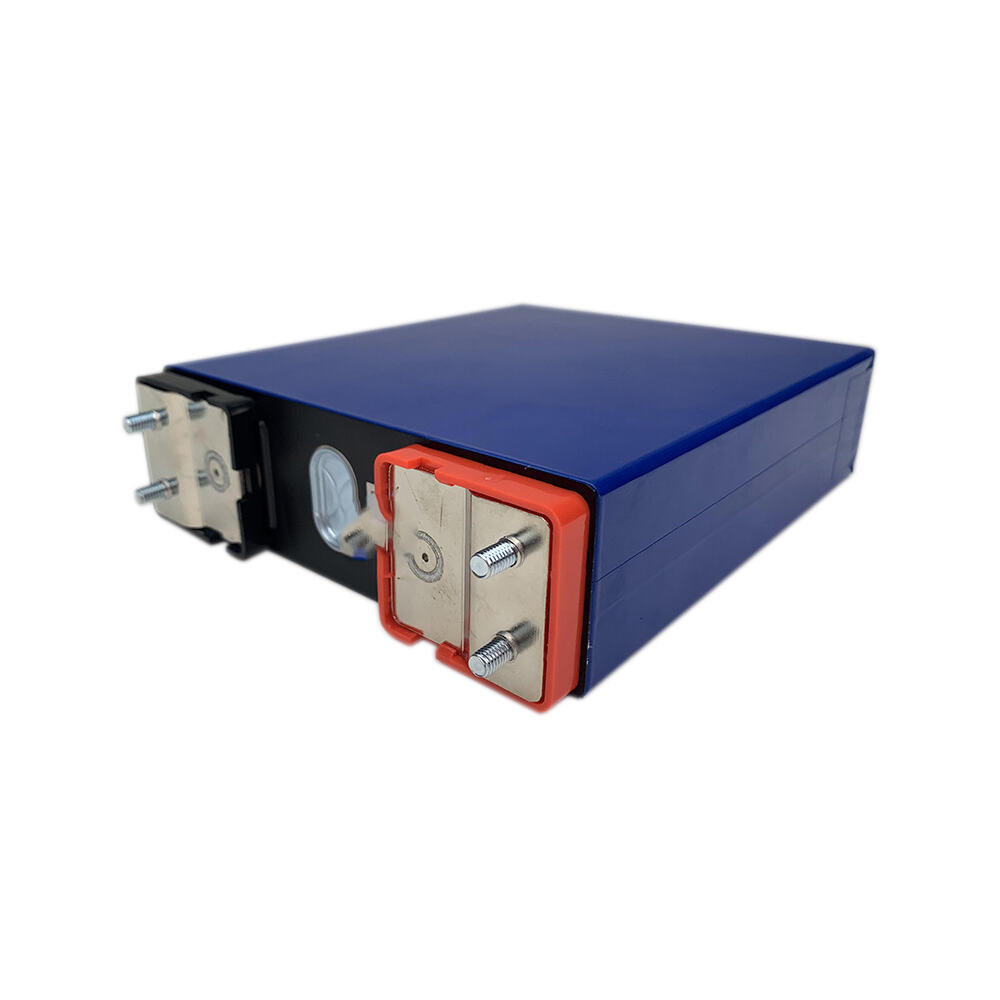
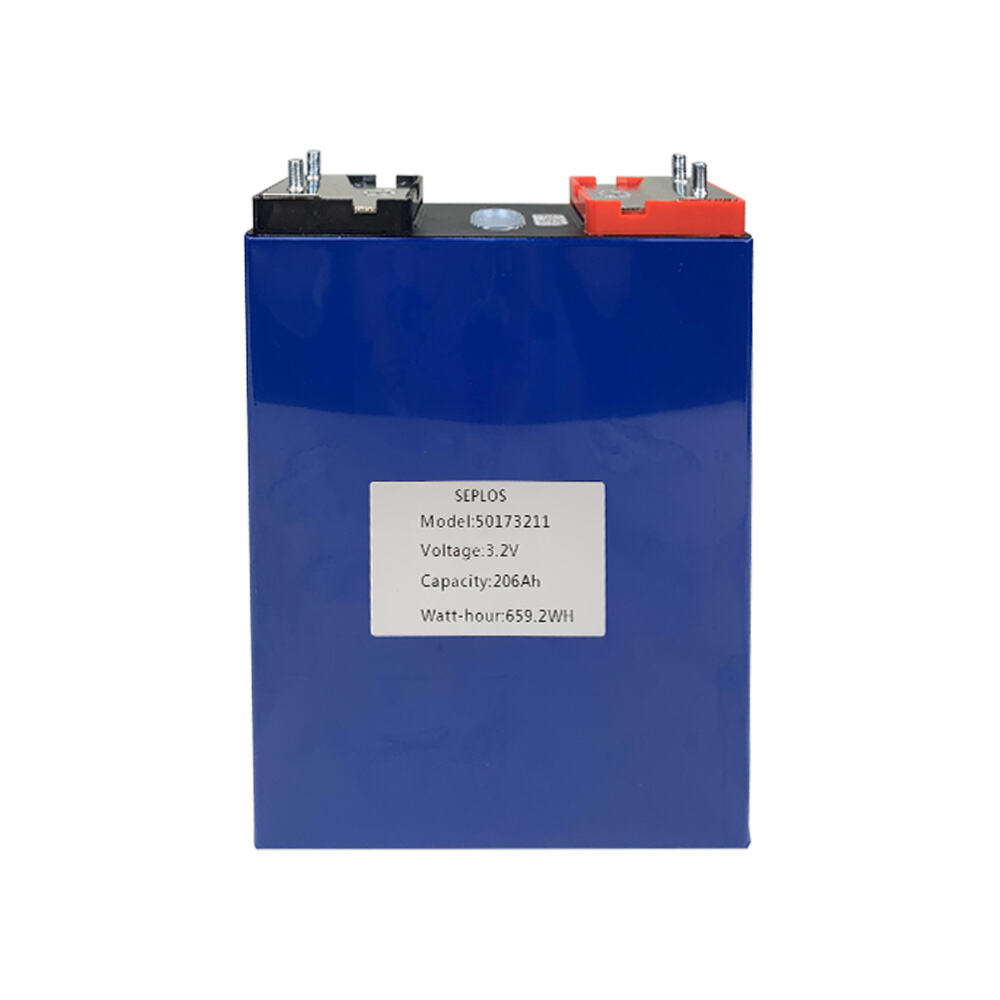
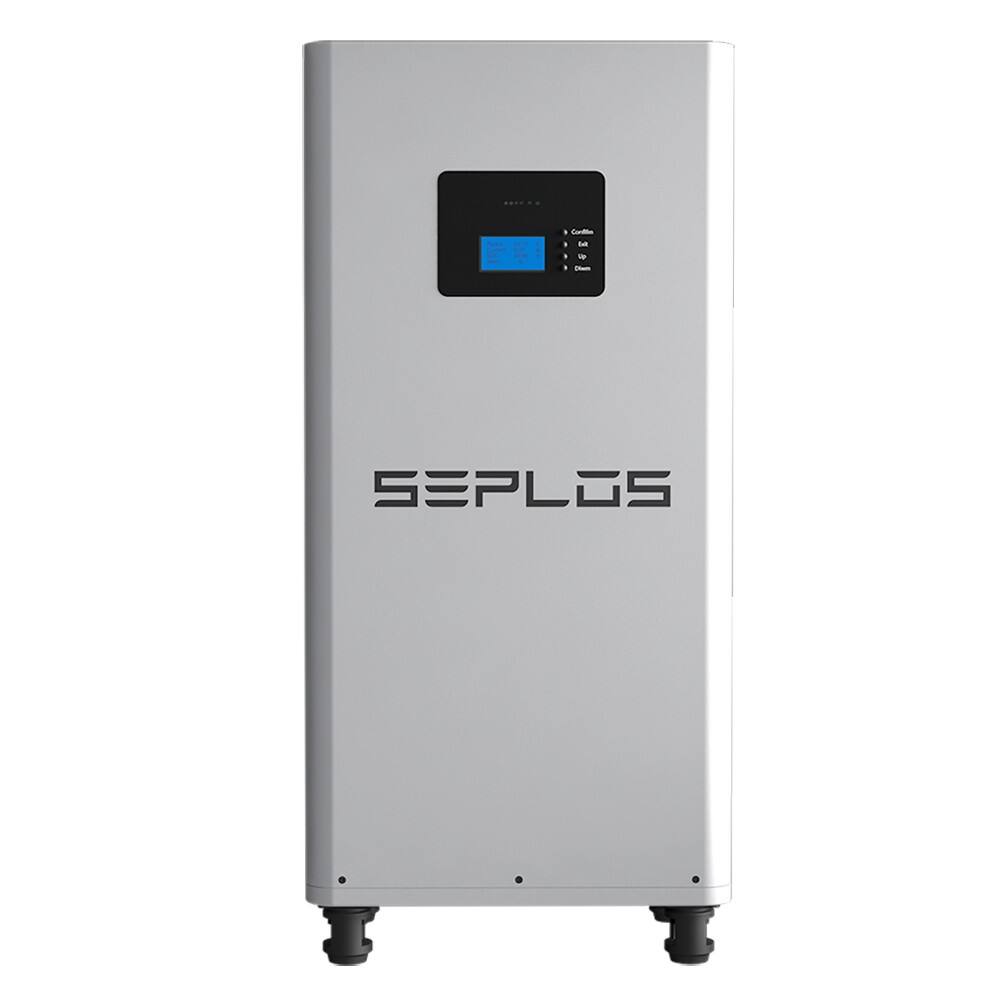
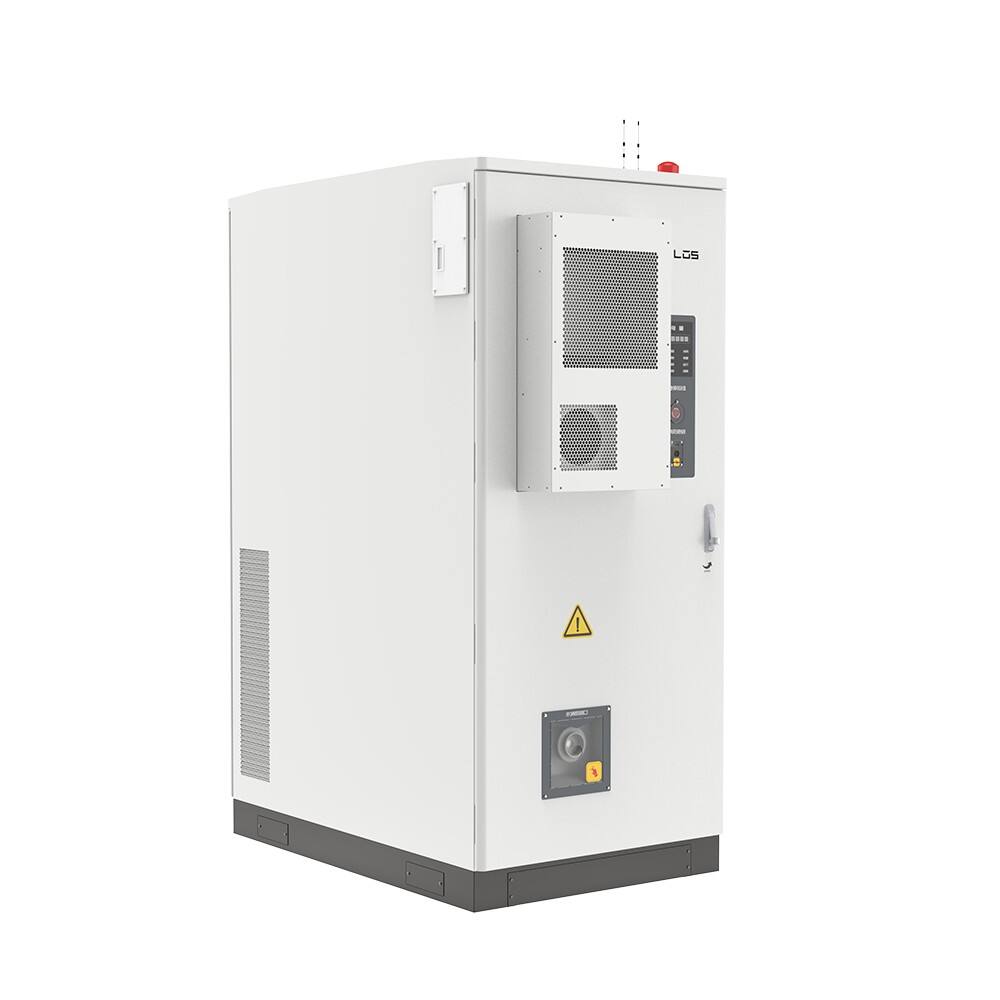
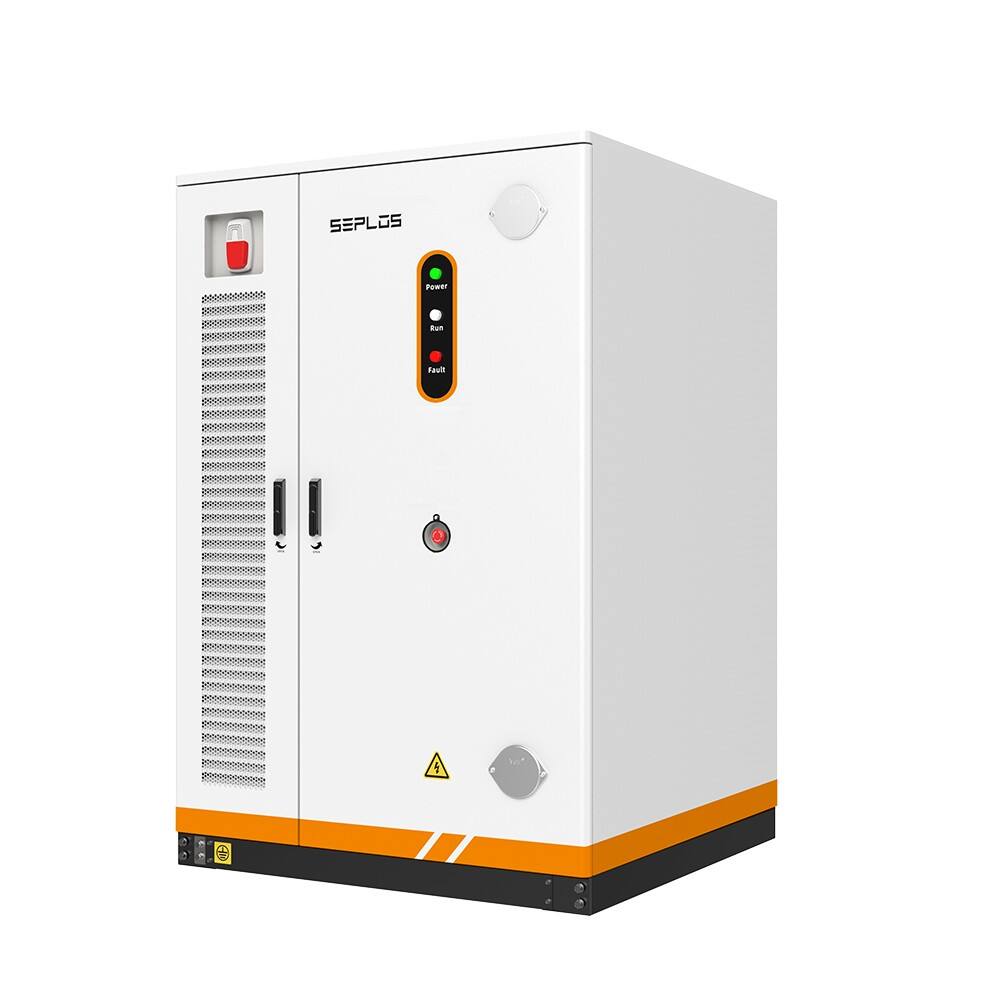
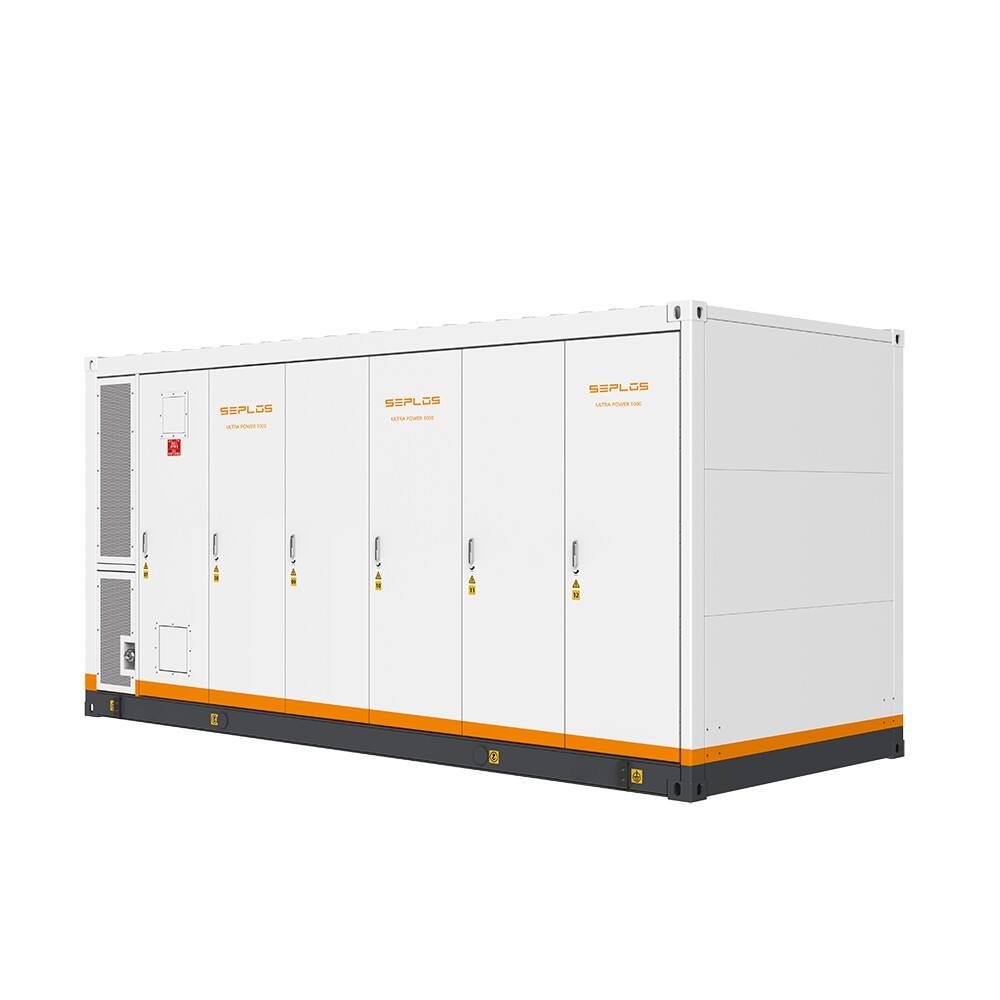
The lithium ion phosphate cell, also known as LiFePO4 or LFP battery, represents a significant advancement in energy storage technology. This innovative battery chemistry combines lithium iron phosphate as the cathode material with a graphite carbon electrode as the anode. Operating on the principle of lithium ion movement between electrodes, these cells deliver stable and reliable power output while maintaining exceptional safety characteristics. The cell's unique crystal structure enables superior thermal and chemical stability, making it highly resistant to thermal runaway. With a nominal voltage of 3.2V and impressive cycle life ranging from 2000 to 5000 cycles, LiFePO4 cells have become increasingly popular in various applications. They excel in energy storage systems, electric vehicles, solar power installations, and industrial equipment. The cells demonstrate remarkable consistency in performance across different temperature ranges and maintain their capacity effectively over time. Their environmental footprint is notably smaller compared to traditional lithium-ion batteries, as they contain no rare earth elements and utilize more abundant, less toxic materials. The manufacturing process of these cells incorporates advanced safety features, including specialized separators and robust cell construction, ensuring reliable operation under diverse conditions.
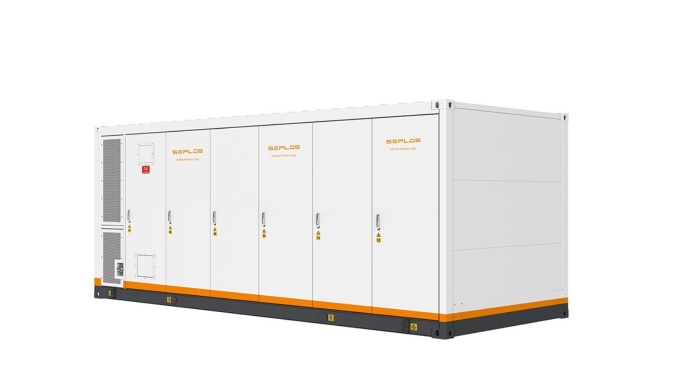
New Product Releases

Lithium ion phosphate cells offer compelling advantages that set them apart in the energy storage market. Their outstanding safety profile stems from exceptional thermal and chemical stability, making them virtually immune to thermal runaway issues that plague other battery types. This inherent safety feature provides peace of mind for users across all applications. The cells demonstrate remarkable longevity, typically achieving 2000 to 5000 charge cycles while maintaining high capacity retention, significantly outlasting traditional lithium-ion batteries. This extended lifespan translates to lower total ownership costs and reduced replacement frequency. The consistent discharge voltage characteristic ensures stable power delivery throughout the discharge cycle, enabling reliable performance in demanding applications. Environmental considerations are another strong point, as these cells use abundant, non-toxic materials and have a smaller carbon footprint in production. The absence of cobalt in their chemistry makes them more environmentally friendly and ethically sourced. Their excellent temperature tolerance allows for reliable operation across a wide range of conditions, reducing the need for complex thermal management systems. The cells' rapid charging capability, typically achieving 80% capacity in under an hour, enhances their practicality in time-sensitive applications. Their lightweight nature and high energy density provide excellent power-to-weight ratios, making them ideal for mobile applications. The minimal self-discharge rate ensures long-term storage capability without significant capacity loss.

Tips And Tricks

Commercial Energy Storage Solutions for Industry and Remote Communities: Powering the Future with Intelligence and Resilience

29

Oct

Commercial Energy Storage Solutions for Industry and Remote Communities: Powering the Future with Intelligence and Resilience

View More
Why All-in-One Energy Storage Solutions Are Becoming Popular Among Homeowners

29

Oct

Why All-in-One Energy Storage Solutions Are Becoming Popular Among Homeowners

View More
What Is the Best Energy Storage Solution for Your Home?

29

Oct

What Is the Best Energy Storage Solution for Your Home?

View More

Get a Free Quote

Our representative will contact you soon.
Email
Name
Company Name
Message
0/1000

lithium ion phosphate cell

Superior Safety and Reliability

Superior Safety and Reliability

The lithium ion phosphate cell's outstanding safety features represent a breakthrough in battery technology. The unique olivine crystal structure of the cathode material creates an inherently stable chemical composition that prevents oxygen release even under severe conditions. This fundamental characteristic virtually eliminates the risk of thermal runaway, a critical safety advantage over traditional lithium-ion batteries. The robust cell construction includes multiple layers of protection, from specialized separators to advanced battery management systems, creating a comprehensive safety framework. These cells maintain stability even when subjected to physical stress, overcharging, or extreme temperatures, making them ideal for applications where safety is paramount. The reliability aspect is equally impressive, with consistent performance delivery throughout the cell's lifespan and minimal degradation under normal operating conditions.
Extended Lifecycle and Cost Efficiency

Extended Lifecycle and Cost Efficiency

The exceptional cycle life of lithium ion phosphate cells represents a significant advancement in battery longevity. With the ability to withstand 2000 to 5000 charge cycles while maintaining high capacity retention, these cells significantly outperform conventional battery technologies. This extended lifespan translates directly into reduced replacement costs and lower total ownership expenses over time. The cells maintain their performance characteristics throughout their lifecycle, showing minimal capacity degradation even after thousands of cycles. This consistency ensures predictable performance and reliable operation throughout the battery's service life. The low maintenance requirements and robust nature of these cells further contribute to their cost-effectiveness, making them an economically sound choice for long-term energy storage solutions.
Environmental Sustainability

Environmental Sustainability

Lithium ion phosphate cells stand out for their environmental credentials, representing a more sustainable approach to energy storage. The chemistry relies on abundant, naturally occurring materials, particularly iron phosphate, which is both environmentally friendly and ethically sourced. The absence of toxic heavy metals and rare earth elements in their composition significantly reduces environmental impact during both manufacturing and end-of-life disposal. These cells demonstrate excellent recyclability, with most components being recoverable and reusable in new battery production. The manufacturing process requires less energy compared to other battery technologies, resulting in a lower carbon footprint. Their long service life also means fewer replacements are needed, further reducing the environmental impact over time.

Get a Free Quote

Our representative will contact you soon.
Email
Name
Company Name
Message
0/1000