Home Energy Storage Cost: Complete Guide to Pricing, Benefits, and ROI

Get a Free Quote

Our representative will contact you soon.
Email
Name
Company Name
Message
0/1000

home energy storage cost

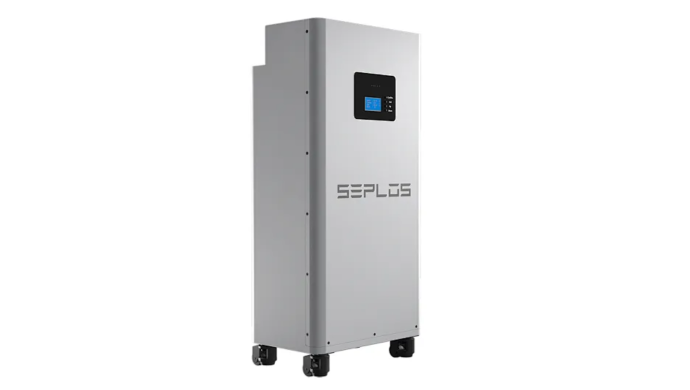
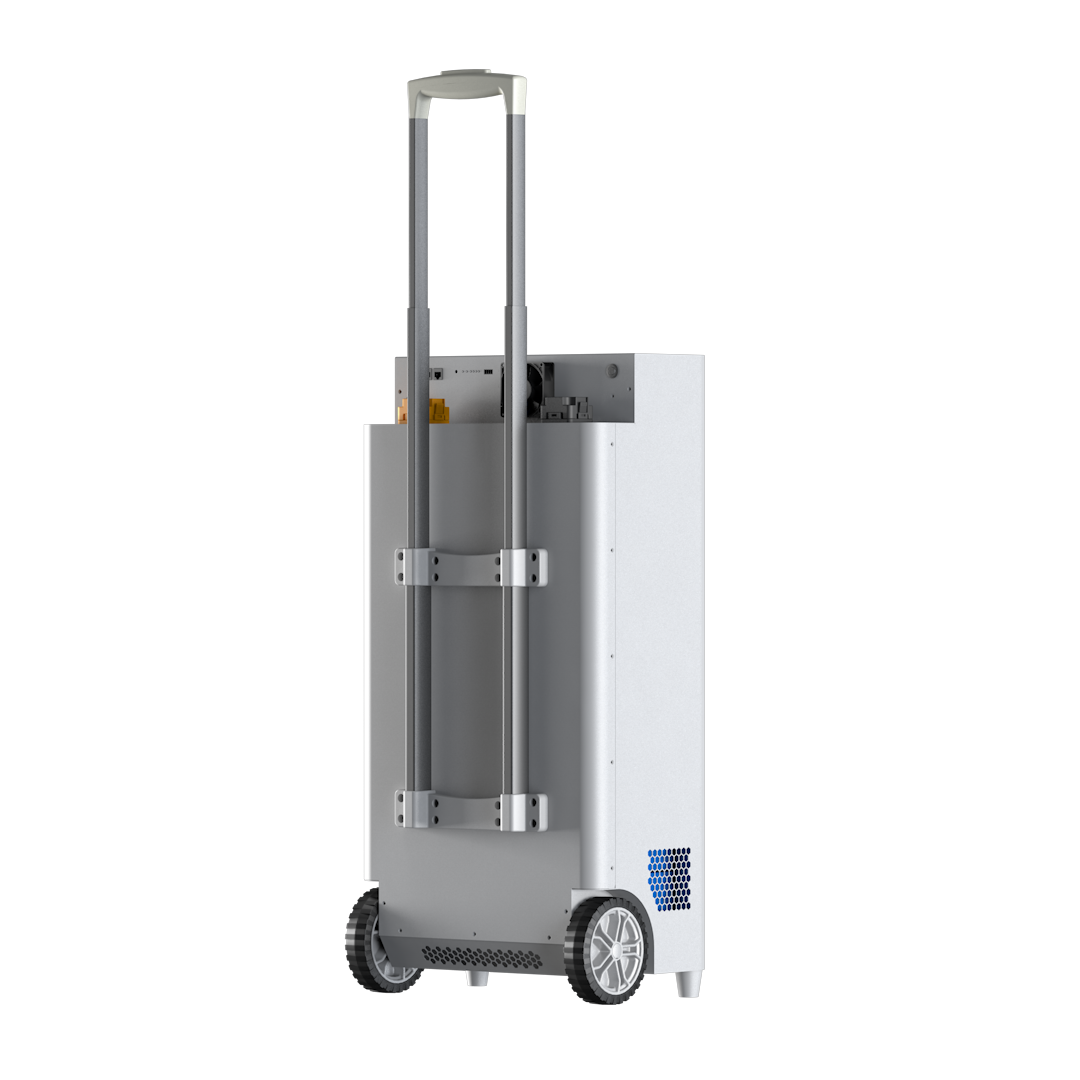
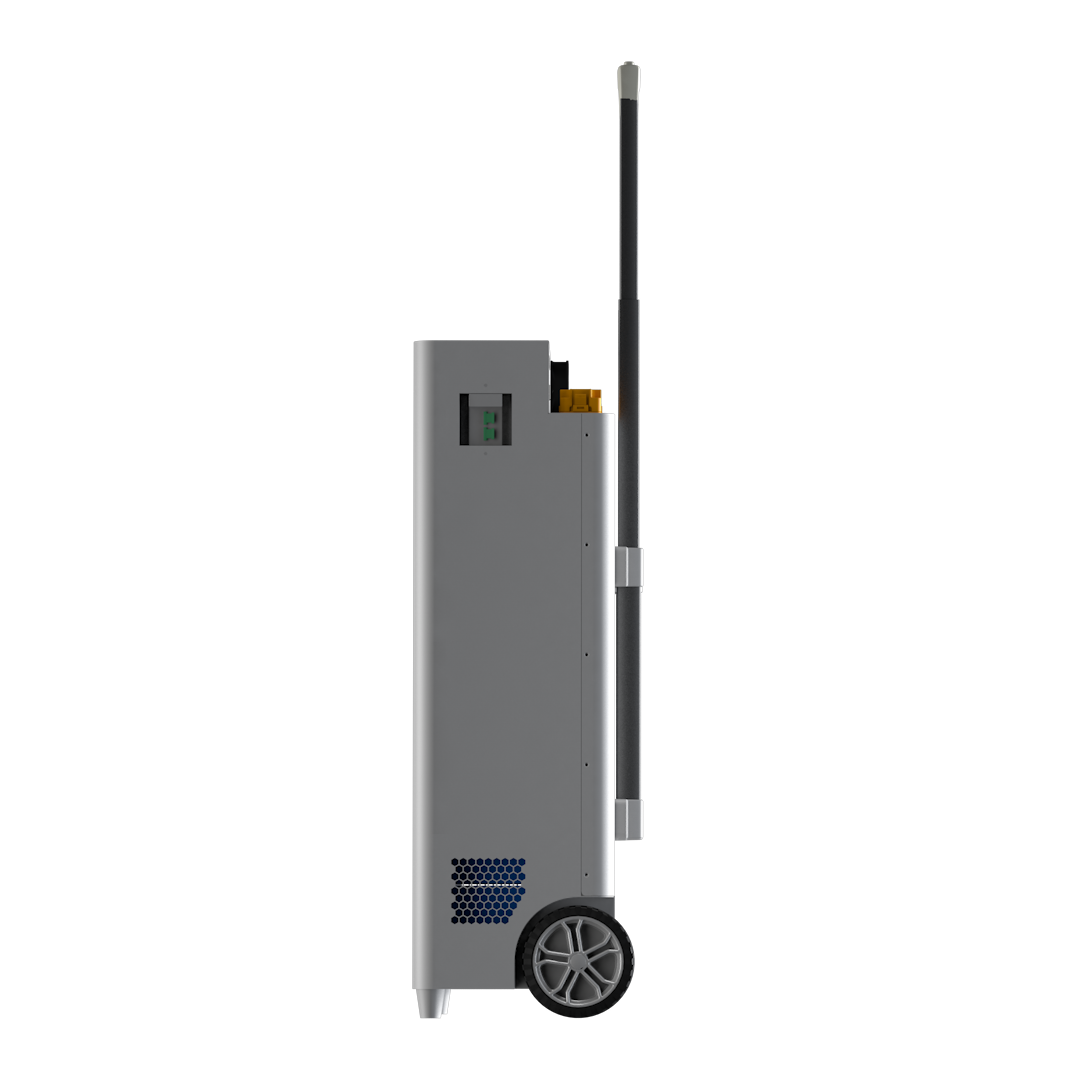
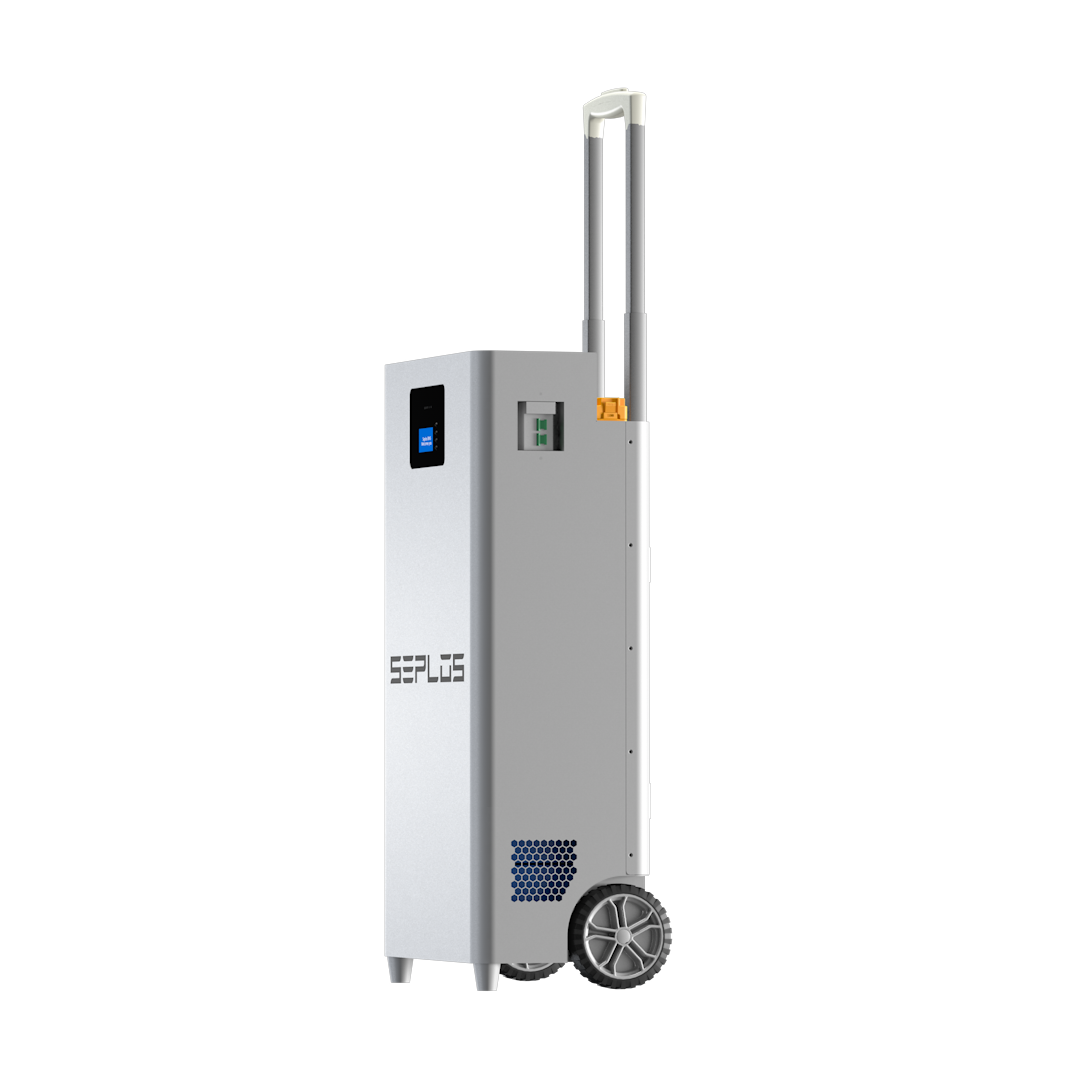
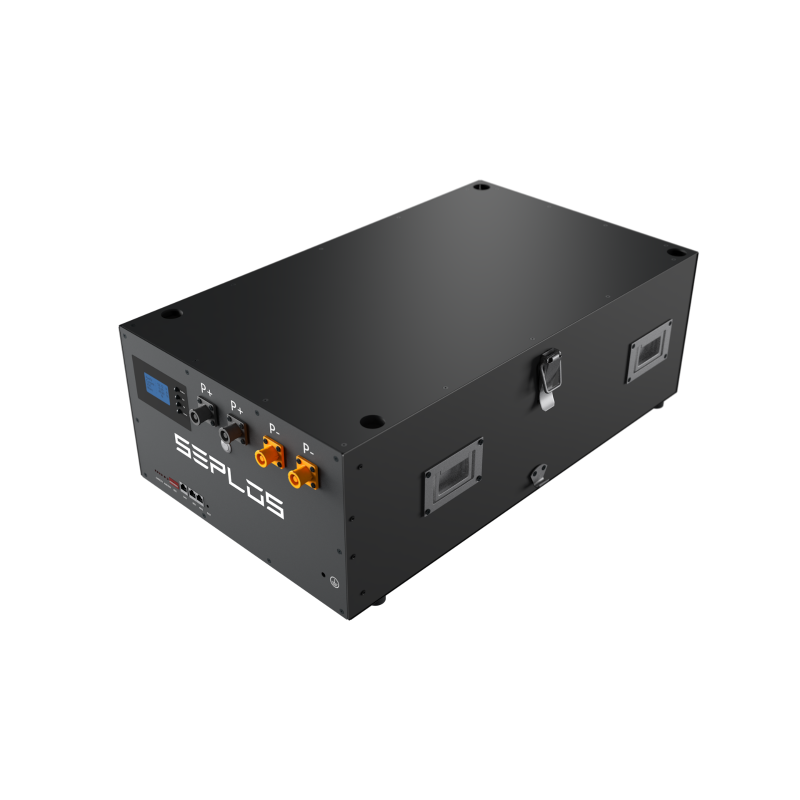
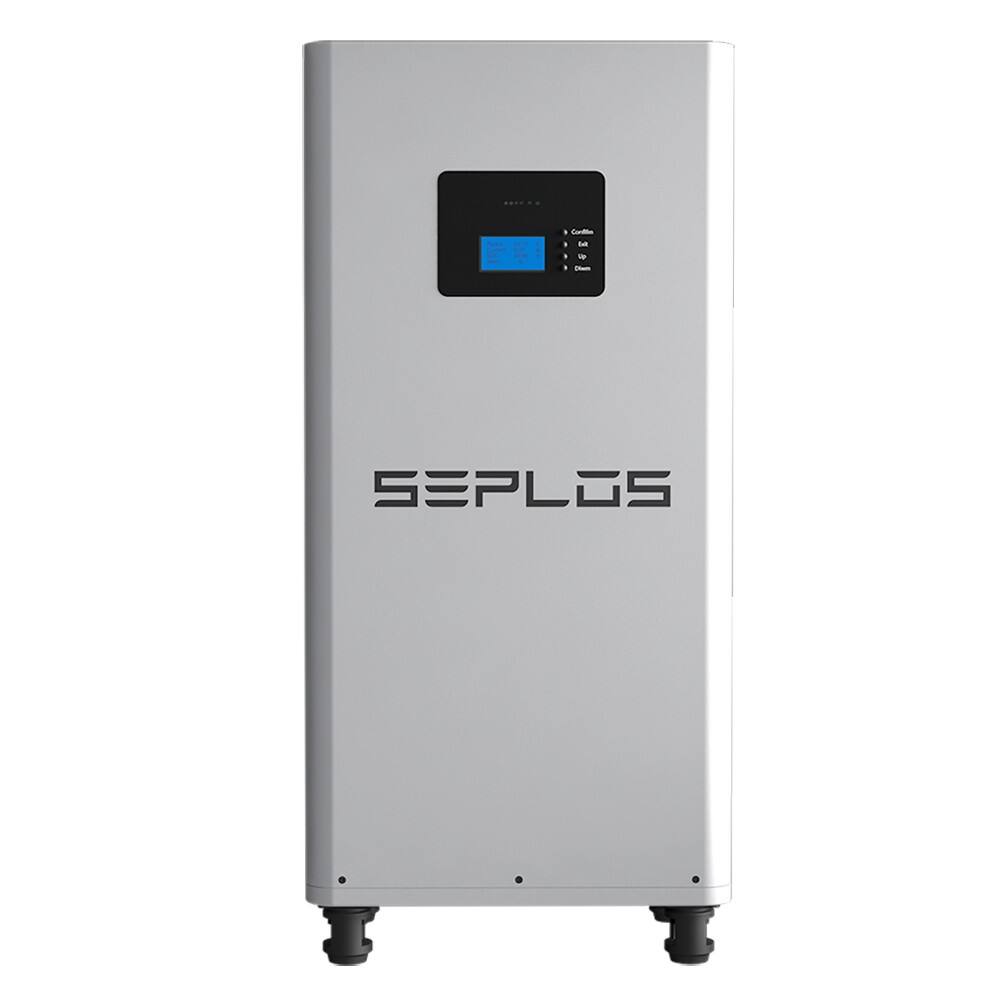
Home energy storage cost represents a significant consideration in the modern transition towards sustainable energy solutions. This comprehensive system typically includes a battery unit, inverter, and smart management system, designed to store excess energy from solar panels or grid power for later use. The initial investment for a home energy storage system generally ranges from $8,000 to $15,000, depending on capacity and features. These systems commonly utilize lithium-ion battery technology, offering 10-15 years of operational life and storage capacities ranging from 5kWh to 13kWh. The cost structure includes not only the hardware components but also installation fees, permits, and potential maintenance expenses. Modern systems incorporate advanced features such as remote monitoring, automatic power switching, and smart grid integration. The return on investment period typically spans 5-8 years, influenced by factors such as local electricity rates, usage patterns, and available incentives. Many jurisdictions offer tax credits and rebates that can significantly reduce the initial investment, making these systems increasingly accessible to homeowners. The technology continues to evolve, with prices showing a consistent downward trend as manufacturing scales up and efficiency improves.
Popular Products

The financial benefits of home energy storage systems extend far beyond simple energy savings. Users can significantly reduce their electricity bills through strategic energy management, storing power when rates are low and using it during peak pricing periods. This price arbitrage capability alone can result in 30-40% savings on monthly electricity costs. The systems provide crucial backup power during outages, protecting valuable electronics and maintaining essential services, which can prevent costly damages and disruptions to daily life. Many utility companies offer additional incentives for participating in demand response programs, creating another revenue stream for homeowners. The systems' smart features enable automatic optimization of energy usage, reducing waste and maximizing efficiency without requiring constant user intervention. Installation costs can often be bundled with solar panel systems, leading to additional tax benefits and incentives. The technology's modular nature allows for future expansion as needs grow, protecting the initial investment. Modern systems require minimal maintenance, typically only needing occasional software updates and basic monitoring. The increased property value associated with having an energy storage system can offset a significant portion of the initial investment. Environmental benefits include reduced carbon footprint and decreased reliance on fossil fuel-based grid power, which can lead to carbon credit opportunities in some regions. The systems also contribute to grid stability, potentially earning credits from utility companies for providing this service.

Practical Tips

Commercial Energy Storage Solutions for Industry and Remote Communities: Powering the Future with Intelligence and Resilience

29

Oct

Commercial Energy Storage Solutions for Industry and Remote Communities: Powering the Future with Intelligence and Resilience

View More
Why All-in-One Energy Storage Solutions Are Becoming Popular Among Homeowners

29

Oct

Why All-in-One Energy Storage Solutions Are Becoming Popular Among Homeowners

View More
What Is the Best Energy Storage Solution for Your Home?

29

Oct

What Is the Best Energy Storage Solution for Your Home?

View More

Get a Free Quote

Our representative will contact you soon.
Email
Name
Company Name
Message
0/1000

home energy storage cost

Cost-Effective Energy Management

Cost-Effective Energy Management

Home energy storage systems demonstrate remarkable cost-effectiveness through sophisticated energy management capabilities. The system's ability to perform peak shaving can reduce electricity costs by up to 40% by storing energy during off-peak hours when rates are lower and utilizing this stored power during peak periods when rates are highest. Advanced algorithms continuously optimize charging and discharging cycles based on usage patterns, weather forecasts, and grid conditions. This intelligent management extends battery life while maximizing financial returns. The system's self-learning capabilities improve efficiency over time, adapting to household consumption patterns and seasonal variations. Most modern systems include detailed monitoring and reporting features, allowing users to track savings and adjust usage patterns for optimal results.
Long-Term Investment Value

Long-Term Investment Value

The long-term investment value of home energy storage systems extends well beyond immediate energy savings. These systems typically maintain 70-80% of their original capacity after 10 years of use, ensuring sustained performance and value. The technology's modular design allows for easy upgrades and capacity expansion, protecting the initial investment as energy needs evolve. Property values typically increase by 3-4% with the addition of energy storage systems, particularly in areas prone to power outages or with high electricity rates. The systems' warranties usually cover 10 years of operation, providing long-term peace of mind and predictable maintenance costs. As grid electricity rates continue to rise, the value proposition of these systems strengthens, potentially offering even greater returns over time.
Installation and Maintenance Economics

Installation and Maintenance Economics

The economics of installation and maintenance for home energy storage systems present a compelling value proposition. Professional installation typically represents 15-20% of the total system cost, but this includes comprehensive system integration, safety compliance, and proper permitting. Many installers offer package deals combining solar panels and storage systems, potentially reducing overall costs by 10-15%. Maintenance costs are minimal, usually less than $200 annually for basic inspections and software updates. The systems' robust design and lack of moving parts contribute to high reliability and low maintenance requirements. Modern remote monitoring capabilities allow for proactive maintenance scheduling and early problem detection, preventing costly emergency repairs. Many manufacturers offer extended warranty options at reasonable costs, providing additional long-term cost protection.

Get a Free Quote

Our representative will contact you soon.
Email
Name
Company Name
Message
0/1000