
 EN
EN


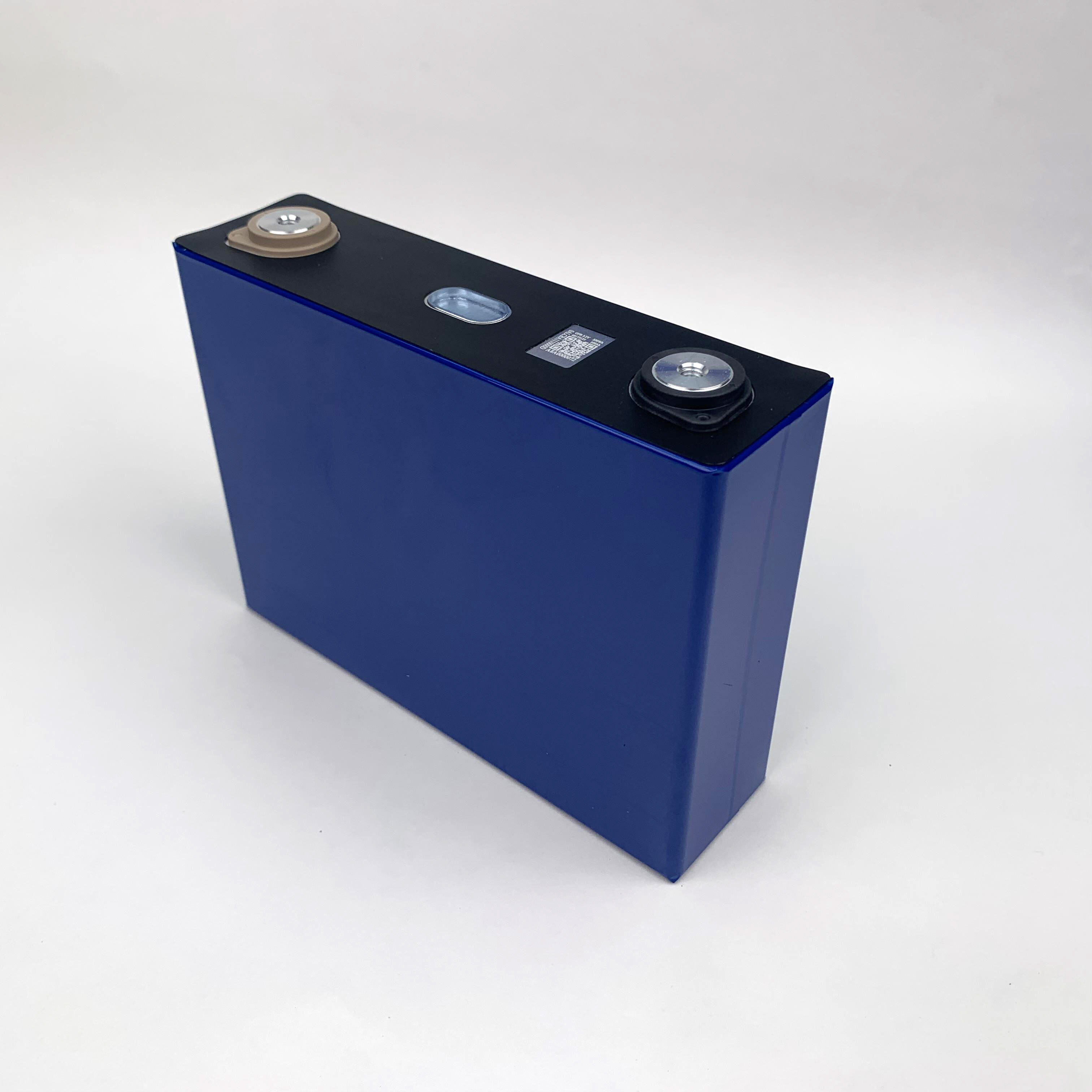
При виборі технології акумуляторів для ваших потреб у зберіганні енергії рішення зазвичай зводиться до систем акумуляторів LiFePO4 порівняно з традиційними свинцево-кислотними варіантами. Це порівняння виходить за межі простих розрахунків вартості й охоплює такі характеристики, як продуктивність, термін служби, вимоги до обслуговування та загальна вартість володіння. Розуміння фундаментальних відмінностей між цими двома технологіями акумуляторів є ключовим для прийняття обґрунтованого рішення, яке відповідає вашим конкретним вимогам щодо застосування та довгостроковим експлуатаційним цілям.
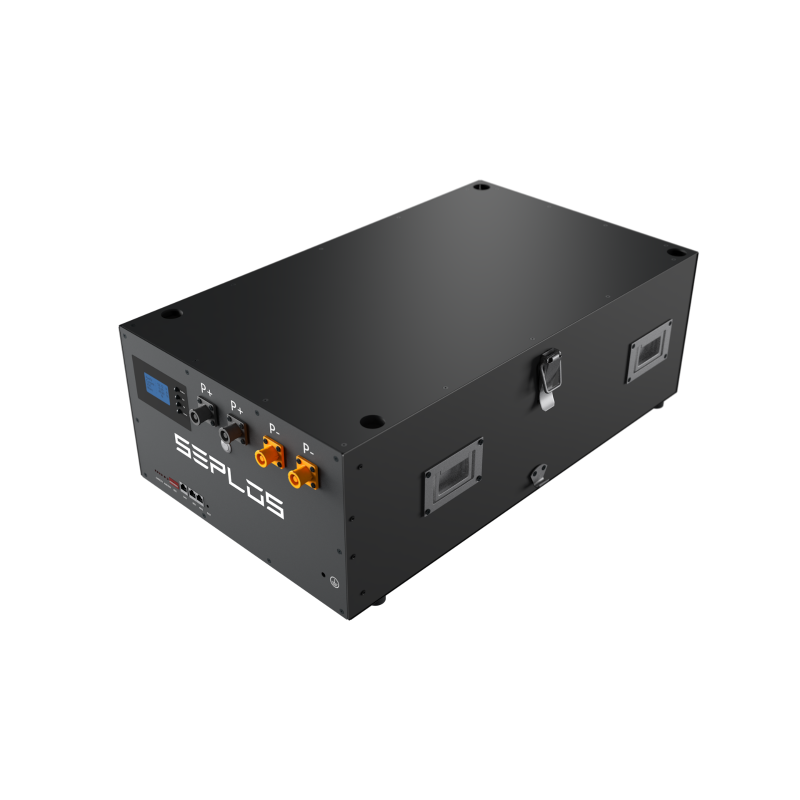
Рішення між технологією акумуляторів LiFePO4 та свинцево-кислотними системами вимагає ретельної оцінки кількох факторів, зокрема енергетичної щільності, кількості циклів заряджання-розряджання, ефективності заряджання та умов експлуатації. Хоча свинцево-кислотні акумулятори протягом десятиліть домінували на ринку завдяки нижчій початковій вартості, рішення на основі акумуляторів LiFePO4 пропонують переконливі переваги щодо продуктивності та вартості протягом усього терміну служби. Цей комплексний аналіз розглядає ключові відмінності між цими технологіями, щоб допомогти вам визначити, який із варіантів краще задовольняє ваші вимоги до систем зберігання енергії.
Порівняння технічних характеристик
Енергетична густина та врахування ваги
Технологія акумуляторів LiFePO4 забезпечує значно вищу щільність енергії порівняно з альтернативами на основі свинцю, зазвичай надаючи в 3–4 рази більше енергії на одиницю маси. Ця характеристика робить системи на основі LiFePO4 особливо вигідними для застосувань, де обмеження простору та ваги є критичними факторами. У мобільних застосуваннях, морських установках або автономних сонячних системах зниження ваги акумулятора LiFePO4 безпосередньо сприяє підвищенню ефективності, а також полегшує його монтаж і технічне обслуговування.
Акумулятори на основі свинцю та кислоти потребують значно більшого фізичного простору для забезпечення еквівалентної ємності зберігання енергії. Типова свинцево-кислотна система вагою 100 фунтів може зберігати таку саму кількість енергії, як і літій-залізо-фосфатний (LiFePO4) акумулятор вагою 30 фунтів, що має суттєві наслідки для проектування системи та конструктивних вимог. Ця перевага у вазі стає все важливішою в більших установках для зберігання енергії, де конструкції кріплення, витрати на транспортування та складність монтажу впливають на загальну економіку проекту.
Характеристики напруги та подача потужності
Ключовим відмінним фактором між цими технологіями є їхні вольт-амперні характеристики протягом циклу розряду. Акумулятор LiFePO4 забезпечує стабільну вихідну напругу на більшості діапазону розряду, забезпечуючи постійну подачу потужності аж до майже повного розряду. Ця плоска крива розряду гарантує, що підключене обладнання отримує стабільну продуктивність протягом усього робочого циклу акумулятора, що особливо важливо для чутливих електронних пристроїв та інверторних систем.
Свинцево-кислотні акумулятори демонструють поступове зниження напруги під час розряду, а їхня корисна ємність часто обмежена 50 % номінальної ємності задля запобігання пошкодженню. Це обмеження фактично подвоює необхідний розмір акумуляторної батареї для систем на основі свинцево-кислотних акумуляторів, тоді як акумулятор LiFePO4 може безпечно розряджатися до 95 % або більше від своєї номінальної ємності без довготривалого погіршення характеристик. Перевага LiFePO4 у корисній ємності безпосередньо впливає на розрахунок розмірів системи та економічні розрахунки.
Вартісна оцінка терміну служби та економічний аналіз
Тривалість циклу та частота заміни
Порівняння тривалості циклу між акумуляторами LiFePO4 та свинцево-кислотними технологіями виявляє кардинальні відмінності у очікуваній тривалості експлуатації. Якісна система на основі LiFePO4 зазвичай забезпечує 3000–5000 циклів глибокого розряду, тоді як свинцево-кислотні акумулятори, як правило, забезпечують лише 300–500 циклів за аналогічних умов. Це співвідношення 10:1 у тривалості циклу принципово змінює економічне рівняння при оцінці загальної вартості володіння протягом експлуатаційного терміну системи.
Для застосувань, що передбачають щоденну циклічну експлуатацію, наприклад, автономних сонячних установок або систем резервного живлення, акумулятор LiFePO4 може ефективно працювати протягом 10–15 років до потреби у заміні. У тій самій сфері застосування свинцево-кислотні акумулятори довелося б замінювати кожен 1–2 роки, що призводить до постійних витрат на технічне обслуговування, проблем із утилізацією та простоїв системи. Тривалий термін служби технології LiFePO4 часто виправдовує вищі початкові інвестиції за рахунок зменшеної частоти заміни та нижчих сумарних витрат протягом усього терміну експлуатації.
Вимоги до обслуговування та експлуатаційні витрати
Вимоги до технічного обслуговування є ще одним ключовим критерієм відмінності між цими технологіями акумуляторів. Акумулятор LiFePO4 функціонує як герметична система, що потребує мінімального обслуговування: немає потреби у доливанні води, контролі рівня кислоти чи очищенні клем — усе це характерно для обслуговування свинцево-кислотних акумуляторів. Така експлуатація без обслуговування зменшує як прямі витрати, так і ризик погіршення експлуатаційних характеристик через невиконання графіку технічного обслуговування.
Свинцево-кислотні акумулятори вимагають регулярного обслуговування, зокрема перевірки питомої ваги, контролю рівня води, очищення клем та процедур урівнювального заряджання. У комерційних установках ці вимоги щодо обслуговування перетворюються на постійні витрати на робочу силу та потенційне зниження ефективності системи, якщо графік обслуговування не дотримується строго. Експлуатаційна простота системи акумулятор LiFePO4 елімінує ці проблеми й одночасно забезпечує стабільну продуктивність протягом усього терміну експлуатації системи.
Ефективність та швидкість заряджання
Швидкість приймання заряду
Характеристики заряджання є значною експлуатаційною перевагою для акумуляторних систем на основі LiFePO4, які зазвичай можуть приймати струми заряджання від 0,5C до 1C без деградації. Це означає, що акумуляторна система LiFePO4 ємністю 100 А·год може безпечно приймати струм заряджання 50–100 ампер, що забезпечує швидке перезаряджання від сонячних панелей, генераторів або мережі. Висока швидкість приймання заряду технологією LiFePO4 є особливо цінною в застосуваннях, де вікна часу для заряджання обмежені або коли змінні відновлювані джерела енергії вимагають ефективного збору енергії.
Свинцовокислоті батареї, як правило, обмежені набагато нижчими частотами прийняття заряду, як правило, від 0,1 °C до 0,3 °C, що означає, що одна і та ж 100Ah свинцовокислота батарея може безпечно приймати тільки 10-30 ампер зарядного струму. Це обмеження значно продовжує час зарядки і може призвести до втрати енергії в сонячних застосуваннях, де пікові періоди генерації не можуть бути повністю використані. Заповідніші характеристики зарядки свинцевої кислоти також означають, що для досягнення розумних часів зарядки необхідні більші системи зарядки.
Ефективність зарядки та втрата енергії
Коефіцієнт корисної дії (ККД) циклу «заряд–розряд» літій-залізо-фосфатного (LiFePO₄) акумулятора зазвичай перевищує 95 %, тобто 95 % або більше енергії, введеної під час заряджання, доступно під час розряджання. Ця висока ефективність зменшує втрати енергії та експлуатаційні витрати, особливо в системах, підключених до мережі, де вартість електроенергії є значною. Відмінна ефективність технології LiFePO₄ також зменшує виділення тепла під час циклів заряджання й розряджання, що сприяє подовженню терміну служби системи та забезпечує більш стабільну роботу.
Свинцево-кислотні акумулятори зазвичай забезпечують ККД циклу «заряд–розряд» у межах 80–85 %, а решта енергії втрачається у вигляді тепла під час процесу заряджання. Ці втрати ефективності накопичуються протягом тисяч циклів, що призводить до суттєвого зростання додаткових енергетичних витрат у застосуваннях із частими циклами. Нижча ефективність також вимагає встановлення більш потужних систем заряджання для компенсації втрат, що збільшує початкові витрати на систему та її складність.
Екологічні аспекти та безпека
Діапазон робочих температур і стійкість до впливу навколишнього середовища
Експлуатаційні екологічні характеристики значно відрізняються між технологіями літій-залізо-фосфатних (LiFePO4) та свинцево-кислотних акумуляторів, що має наслідки для надійності й продуктивності системи в складних умовах. Системи LiFePO4, як правило, ефективно працюють у ширшому діапазоні температур і демонструють меншу деградацію ємності при екстремальних температурах. Ця температурна стабільність робить технологію LiFePO4 придатною для зовнішніх установок, автомобільних застосувань та промислових середовищ, де підтримка температурного режиму є складною або витратною.
Свинцево-кислотні акумулятори більш чутливі до коливань температури, причому їхня ємність та кількість циклів заряду/розряду суттєво залежать як від високих, так і від низьких температур. Низькі температури можуть зменшити доступну ємність на 50 % або більше, тоді як високі температури прискорюють старіння та втрату води. Така чутливість до температури часто вимагає додаткового кліматичного контролю або призводить до проектування надмірно великих систем для компенсації сезонних коливань продуктивності.
Профіль безпеки та небезпечні матеріали
З міркувань безпеки перевагу має технологія акумуляторів LiFePO4, які не містять небезпечних кислот чи токсичних важких металів. Хімічний склад LiFePO4 є природно стабільним, відрізняється відмінною стійкістю до теплового розбігу та не передбачає ризику виділення газів під час нормальної експлуатації. Такий профіль безпеки спрощує вимоги до монтажу, зменшує проблеми, пов’язані з дотриманням регуляторних вимог, а також усуває ризик проливу кислоти чи токсичного впливу під час обслуговування та технічного обслуговування.
Свинцево-кислотні акумулятори містять сірчану кислоту та свинець — обидва небезпечні матеріали, що вимагають обережного поводження, спеціалізованих процедур утилізації та дотримання екологічних норм. Кислотний електроліт створює ризик корозії навколишнього обладнання та потенційно небезпечні ситуації під час монтажу й обслуговування. Крім того, під час заряджання свинцево-кислотні акумулятори виділяють водневий газ, тому в замкнених приміщеннях необхідна належна вентиляція для запобігання ризику вибуху.
Критерії вибору, специфічні для застосувань
Сонячні та системи відновлюваних джерел енергії
Для застосування в системах зберігання сонячної енергії літій-залізо-фосфатні (LiFePO4) акумулятори мають вагомі переваги щодо ефективності, кількості циклів заряджання/розряджання та характеристик заряджання, що добре узгоджуються з характером генерації відновлюваної енергії. Високий рівень прийняття заряду дозволяє ефективно використовувати змінну вироблену сонячну енергію, а відмінна ефективність «туди й назад» максимізує корисність збереженої енергії. Тривалий термін служби LiFePO4 особливо цінний у застосуваннях із щоденним циклюванням, які поширені в автономних та підключених до мережі сонячних установках.
Свинцево-кислотні акумулятори в сонячних системах стикаються з труднощами через обмежену глибину розряду та повільне прийняття заряду. Для сонячних систем із використанням свинцево-кислотних акумуляторів потрібні більші акумуляторні банки, щоб врахувати обмеження глибини розряду до 50 %, а через обмеження швидкості заряджання такі системи можуть не повністю використовувати доступну сонячну енергію під час періодів її максимальної генерації. Також скорочений термін служби означає частішу заміну акумуляторів у сонячних системах із щоденним циклюванням.
Резервне живлення та аварійні системи
Застосування у режимі аварійного резервного живлення вимагають інших критеріїв вибору, де надійність, вимоги до технічного обслуговування та експлуатаційні характеристики в резервному режимі стають основними критеріями. Акумулятори LiFePO4 відзначаються високими показниками у таких застосуваннях завдяки чудовим характеристикам у резервному режимі, мінімальному саморозряду та роботі без потреби в обслуговуванні. Системи на основі LiFePO4 можуть перебувати в резервному режимі тривалий час без деградації продуктивності або необхідності в технічному обслуговуванні.
У резервних застосуваннях свинцево-кислотні акумулятори вимагають регулярного обслуговування навіть у резервному режимі, зокрема періодичного вирівнювального заряджання та контролю електроліту. Вищий рівень саморозряду свинцево-кислотних акумуляторів призводить до більш частого заряджання навіть під час простою, а також існує ризик сульфатації під час тривалого перебування в резервному режимі. Для критичних резервних застосувань переваги технології LiFePO4 щодо надійності часто виправдовують вищі початкові інвестиції.
Часті запитання
Яка основна перевага літій-залізо-фосфатних акумуляторів (LiFePO4) порівняно зі свинцево-кислотними щодо терміну служби?
Основна перевага літій-залізо-фосфатних акумуляторів (LiFePO4) у плані терміну служби полягає в значно більш тривалому циклічному ресурсі: зазвичай вони забезпечують 3000–5000 глибоких циклів розряду-заряду порівняно з 300–500 циклами для свинцево-кислотних акумуляторів. Це означає, що система на основі LiFePO4 може працювати 10–15 років у застосуваннях із щоденним циклюванням, тоді як свинцево-кислотні акумулятори, за тих самих умов, можуть вимагати заміни кожні 1–2 роки, що призводить до суттєво нижчих витрат протягом усього терміну експлуатації, навіть попри вищі початкові інвестиції.
Як порівнюються швидкості заряджання літій-залізо-фосфатних (LiFePO4) та свинцево-кислотних акумуляторів?
Системи акумуляторів LiFePO4 заряджаються значно швидше, ніж свинцево-кислотні, зазвичай приймаючи струми заряду від 0,5C до 1C порівняно з обмеженням свинцево-кислотних акумуляторів — від 0,1C до 0,3C. Це означає, що акумулятор LiFePO4 ємністю 100 А·год може безпечно приймати струм заряду 50–100 ампер, тоді як аналогічний свинцево-кислотний акумулятор обмежений струмом 10–30 ампер. Швидкість заряду технології LiFePO4 є особливо цінною у сонячних застосуваннях та ситуаціях, де важлива швидка перезарядка.
Чи варто купувати акумулятори LiFePO4, попри їх вищу початкову вартість порівняно зі свинцево-кислотними?
Системи акумуляторів LiFePO4, як правило, виправдовують свої вищі початкові витрати завдяки кращій загальній вартості володіння, особливо в застосуваннях, що вимагають частого циклювання. Поєднання тривалості циклів у 10 разів довшої, вищої корисної ємності, мінімальних вимог до технічного обслуговування та вищої ефективності часто призводить до нижчих витрат протягом усього терміну експлуатації, навіть попри початкові цінові переваги. Для застосувань із щоденним циклюванням або критичними вимогами щодо надійності ціннісне пропозиційне значення технології LiFePO4 є особливо переконливим.
Які основні відмінності у рівні безпеки між акумуляторами LiFePO4 та свинцево-кислотними акумуляторами?
Технологія акумуляторів LiFePO4 забезпечує значні переваги у плані безпеки порівняно зі свинцево-кислотними акумуляторами: вони не містять небезпечних кислот чи токсичних важких металів і відрізняються відмінною термічною стабільністю. Свинцево-кислотні акумулятори створюють ризики, пов’язані з контактом із сірчаною кислотою, виділенням водню під час заряджання та екологічними небезпеками через вміст свинцю. Системи на основі LiFePO4 не потребують спеціальної вентиляції, не мають ризику проливу кислоти й спрощують процедури обробки та утилізації, що робить їх безпечнішими як для монтажу, так і для тривалої експлуатації.
Зміст
- Порівняння технічних характеристик
- Вартісна оцінка терміну служби та економічний аналіз
- Ефективність та швидкість заряджання
- Екологічні аспекти та безпека
- Критерії вибору, специфічні для застосувань
-
Часті запитання
- Яка основна перевага літій-залізо-фосфатних акумуляторів (LiFePO4) порівняно зі свинцево-кислотними щодо терміну служби?
- Як порівнюються швидкості заряджання літій-залізо-фосфатних (LiFePO4) та свинцево-кислотних акумуляторів?
- Чи варто купувати акумулятори LiFePO4, попри їх вищу початкову вартість порівняно зі свинцево-кислотними?
- Які основні відмінності у рівні безпеки між акумуляторами LiFePO4 та свинцево-кислотними акумуляторами?
