
 EN
EN


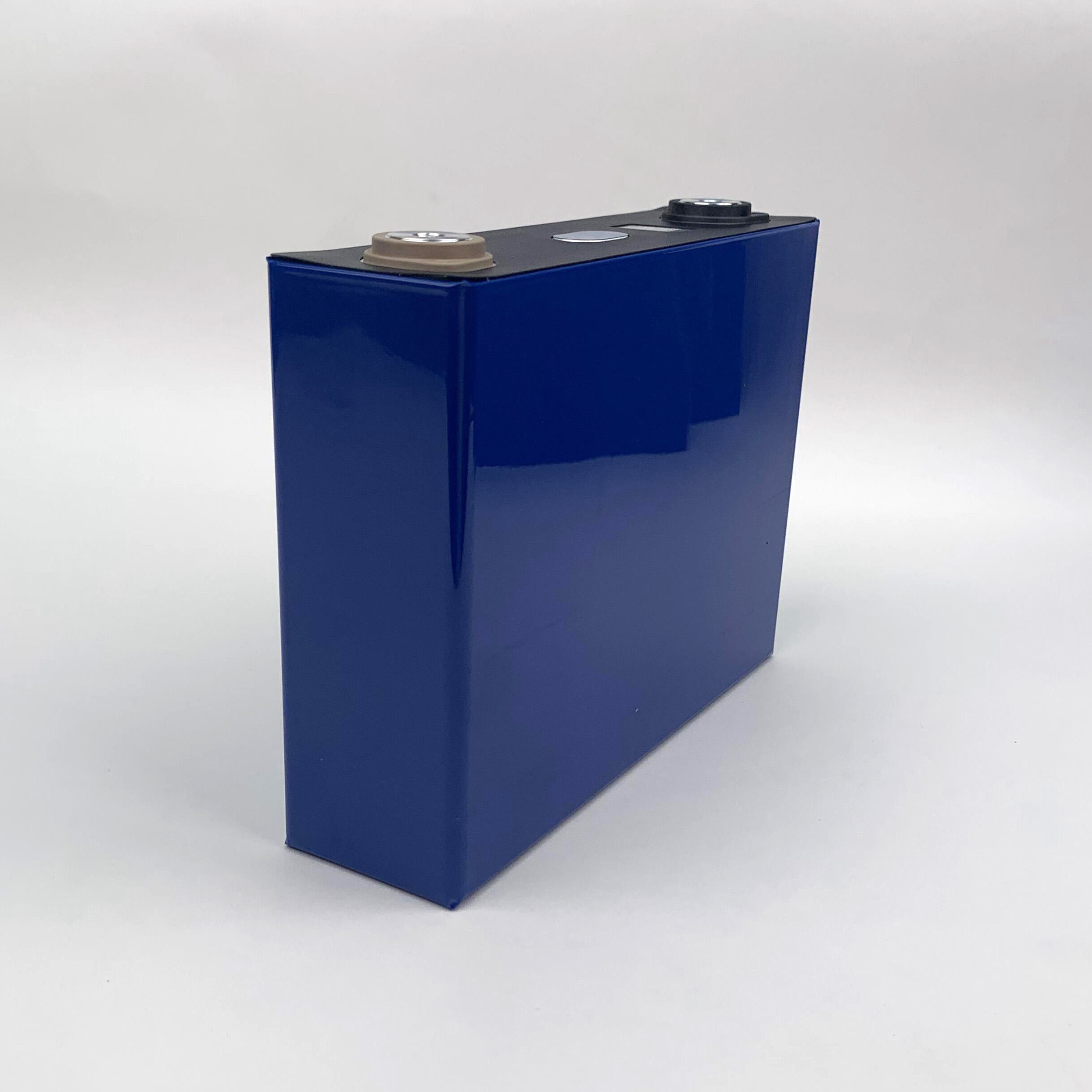
Izbor najbolje LiFePO4 baterije za solarne aplikacije zahtijeva pažljivu procjenu kapaciteta, kompatibilnosti napona, trajanja ciklusa i mogućnosti integracije s postojećim solarnim sustavom. Litijum-gvozdeni fosfat kemijski proizvodi imaju vrhunske sigurnosne, dugovječne i performanse karakteristike koje ih čine omiljenim izborom za stambena i komercijalna rješenja za skladištenje solarne energije.
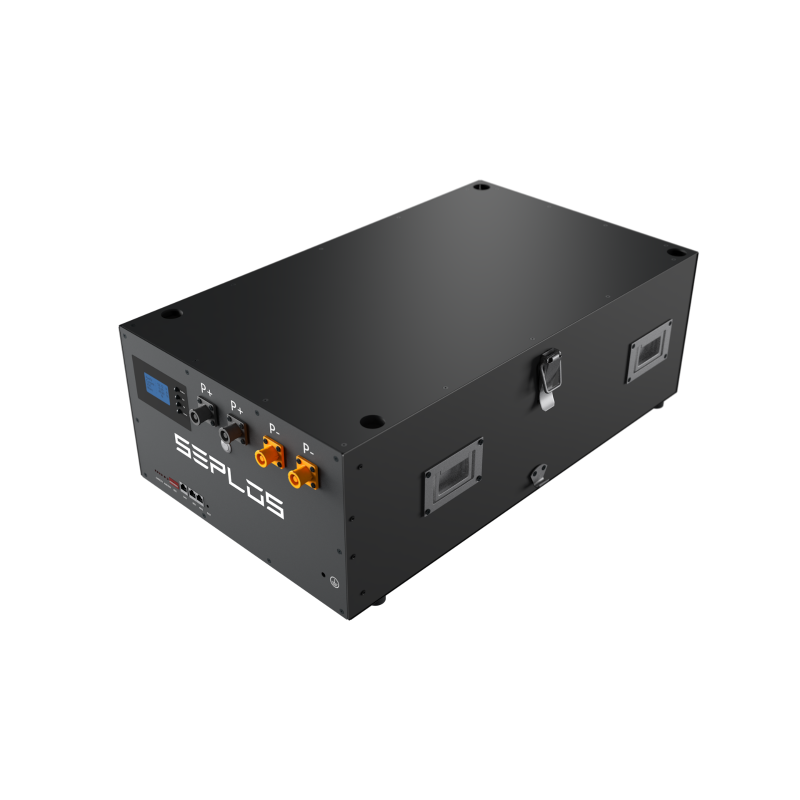
Moderne solarne instalacije zahtijevaju pouzdano skladištenje energije koja može izdržati dnevne cikluse punjenja i pražnjenja, a istodobno održavati dosljednu učinkovitost tijekom desetljeća. Najbolji sustavi baterija lifepo4 kombiniraju naprednu tehnologiju ćelija s inteligentnim sustavima upravljanja baterijama kako bi se osigurala optimalna učinkovitost, sigurnost i povrata ulaganja za primjene skladištenja solarne energije.
Razumijevanje tehnologije LiFePO4 baterije za solarne primjene
Kemijski sastav i prednosti sigurnosti
Litij-gvozdeni fosfat u bateriji lifepo4 pruža svojstvenu toplinsku stabilnost i sigurnosne osobine koje je čine idealnom za skladištenje solarne energije. Za razliku od drugih litijum-jonskih kemijskih materija, LiFePO4 ćelije otporne su na toplinski odlazak i održavaju strukturalni integritet čak i pod ekstremnim temperaturnim uvjetima. U skladu s člankom 3. stavkom 1. točkom (a) Uredbe (EZ) br. 725/2009 Komisija je odlučila da se u skladu s člankom 3. stavkom 1. točkom (b) Uredbe (EZ) br. 765/2008 primjenjuje Uredba (EZ) br. 765/2008 na proizvod koji je proizveden u skladu s ovom Uredbom.
Katodni materijal na bazi fosfata stvara jake kovalentne veze koje ostaju stabilne tijekom procesa punjenja i pražnjenja. Ova molekularna stabilnost doprinosi iznimnom trajanju ciklusa koji čini bateriju lifepo4 sposobnom za isporuku 6000 do 8000 ciklusa na 80% dubine pražnjenja, značajno nadmašujući alternativne olovo-kiseline koje obično pružaju 500 do 1000 ciklusa pod sličnim uvjetima.
U slučaju da je to potrebno, to se može učiniti u skladu s člankom 6. stavkom 2.
Kvalitetna baterija lifepo4 radi na nominalnom naponu od 3,2 V po ćeliji, stvarajući sustavni napon od 12 V, 24 V ili 48 V ovisno o konfiguraciji serije. U skladu s člankom 3. stavkom 2. točkom (a) ovog članka, "elektronska energija" znači električna energija koja se upotrebljava za proizvodnju električne energije.
Ova stabilnost napona posebno je važna u solarnim aplikacijama gdje dosljedna isporuka energije utječe na performanse pretvarača, upravljača punjenja i povezanih uređaja. Najbolji sustavi baterija lifepo4 uključuju ugrađene krugove za uravnotežavanje napona koji osiguravaju da pojedine ćelije ostanu unutar optimalnih operativnih parametara tijekom cijelog procesa punjenja i pražnjenja.
U skladu s člankom 4. stavkom 1.
U skladu s člankom 4. stavkom 2.
Kapacitet baterije lifepo4 određuje koliko energije može biti pohranjeno i zatim isporučeno na solarni sustav. U slučaju da je proizvodnja električne energije u skladu s člankom 6. stavkom 1. točkom (a) ovog članka, u skladu s člankom 6. stavkom 2. točkom (a) ovog članka, u skladu s člankom 6. stavkom 2. točkom (a) ovog članka, proizvođač može upotrebljavati električnu energiju u skladu s člankom U skladu s člankom 3. stavkom 1. stavkom 2.
U pogledu energetske gustoće, važno je uzeti u obzir ograničen prostor za instalacije. Najbolji dizajn lifepo4 baterije postiže veću gustoću energije kroz optimizirano pakiranje ćelija i napredne sustave upravljanja toplinom. U skladu s člankom 3. stavkom 2. stavkom 2.
Vijek ciklusa i dugoročna performansa
Specifikacija životnog ciklusa baterije lifepo4 izravno utječe na ukupne troškove vlasništva za vaše solarno sustav za pohranu energije - Što? Premium LiFePO4 baterije mogu isporučiti 6000 do 8000 ciklusa na 80% dubine pražnjenja, što znači 15-20 godina svakodnevnog ciklusa u tipičnim solarnim aplikacijama. Ova iznimna dugovječnost znači da će baterija vjerojatno izdržati duže od drugih komponenti sustava i pružiti superiornu povraćaj ulaganja.
U skladu s člankom 3. stavkom 2. točkom (a) ovog članka, "sistem za upravljanje temperaturom" znači sustav za upravljanje temperaturom. Najbolji sustavi baterija lifepo4 uključuju sofisticirane sustave upravljanja baterijama koji optimiziraju parametre punjenja i štite stanice od uvjeta koji bi mogli smanjiti životni vijek ciklusa. Ovi sustavi nadgledaju napon, temperaturu i protok struje u ćeliji kako bi osigurali optimalne performanse tijekom cijelog radnog vijeka baterije.
Integriranje s komponentama Sunčevog sustava
Kompatibilnost kontrolora punjenja
Prava integracija između vaše baterije lifepo4 i solarni regulator punjenja je od suštinskog značaja za optimalne performanse sustava i dugotrajnost baterije. "Predmetni kapacitet" (PVD) je kapacitet koji se može izračunati na temelju: Profili se obično uključuju u faze punjenja na raspolaganju, apsorpcije i plutača optimizirane za napone i struje LiFePO4.
Algoritam punjenja mora uzeti u obzir ravnu krivulju punjenja baterije lifepo4, koja brže dostiže punu punjenje nego alternativne olovo-kiseline. Napredni kontroleri punjenja mogu komunicirati izravno s sustavom upravljanja baterijom kako bi optimizirali parametre punjenja na temelju stanja ćelije u stvarnom vremenu, temperature i informacija o stanju punjenja.
Integriranje sustava pretvarača
Izlazni napon iz vaše baterije mora biti u skladu s ulaznim zahtjevima vašeg solarnog pretvarača. U skladu s člankom 11. stavkom 1. točkom (a) Uredbe (EU) br. 528/2012 Komisija je odlučila da se u skladu s člankom 11. stavkom 1. točkom (a) Uredbe (EU) br. 528/2012 primjenjuje odredba o uvođenju mjera za smanjenje emisija energije iz obnovljivih izvora. Najbolji dizajni baterija uključuju integrirane komunikacijske protokole pretvarača koji omogućuju praćenje stanja baterije, preostale kapacitete i mjerila performansi u stvarnom vremenu.
Kompatibilnost pretvarača također se proširuje na mogućnosti struje i karakteristike isporuke energije. Visokokvalitetna liFePO4 baterija "izravno" znači da je "izravno" ili "izravno" ili "izravno" ili "izravno" ili "izravno" ili "izravno" ili "izravno" ili "izravno" ili "izravno" ili "izravno" ili "izravno" ili "izravno
U skladu s člankom 6. stavkom 1.
Ugrađeni zaštitni sklopovi
Najbolji sustavi baterija lifepo4 uključuju sveobuhvatne zaštitne krugove koji nadgledaju i kontroliraju kritične parametre rada. Ovi sustavi pružaju zaštitu od preopterećenja, prekomjernog pražnjenja, pretjeranog struje i toplotnih uvjeta koji bi mogli oštetiti bateriju ili stvoriti opasnosti za sigurnost. Napredni sustavi upravljanja baterijama mogu isključiti bateriju iz sustava ako radni uvjeti premašuju sigurne parametre.
Funkcija ravnoteže ćelija osigurava da pojedine ćelije unutar baterije ostanu na sličnim razinima napona tijekom procesa punjenja i pražnjenja. U skladu s člankom 3. stavkom 2. stavkom 2.
Upravljanje i nadzor temperature
Kontrola temperature ključna je za održavanje optimalnih performansi i sigurnosti u bilo kojoj instalaciji baterija lifepo4. Najbolji sustavi s baterijama uključuju aktivno praćenje temperature s automatiziranim odgovorima na temperaturne ekspedicije. U slučaju da se ne primjenjuje sustav za hlađenje, sustav za hlađenje može se koristiti za hlađenje.
U skladu s člankom 3. stavkom 1. točkom (a) Uredbe (EZ) br. 765/2008 i člankom 3. točkom (b) Uredbe (EZ) br. 765/2008 i člankom 3. točkom (c) Uredbe (EZ) br. 765/2008 i člankom 3. točkom (c) Uredbe (EZ) br. 765/2008 i Odgovarajući toplinski dizajn osigurava da baterija lifepo4 održava optimalne performanse u cijelom rasponu radnih temperatura, istovremeno sprečavajući toplinske uvjete koji bi mogli utjecati na sigurnost ili dugovječnost.
Razmatranja o instalaciji i održavanju
Zahtjevi za fizičku ugradnju
Instalacija najbolje baterije lifepo4 za vaš solarni sustav zahtijeva pažljivu pažnju na okoliš, zahtjeve za ventilacijom i električne veze. Iako LiFePO4 baterije ne proizvode opasne pline tijekom normalnog rada, pravilna ventilacija pomaže u održavanju optimalnih radnih temperatura i omogućuje pristup za održavanje.
Uloženjem baterije u sustav za praćenje mora se osigurati da je prikladna za praćenje i održavanje. U skladu s člankom 1. stavkom 2. stavkom 2.
Zahtjevi za održavanje i nadzor
Jedna značajna prednost lifepo4 baterije je minimalna potreba za održavanjem u usporedbi s tradicionalnim sustavima olovo-kiseline. LiFePO4 baterije ne zahtijevaju redovnu provjeru razine elektrolita, punjenje za izjednačavanje ili čišćenje terminala koje su potrebne za potopljene olovo-kiselinske baterije. Međutim, periodično praćenje performansi sustava i stanja sustava upravljanja baterijama pomaže osigurati optimalno funkcioniranje.
Najbolji sustavi baterije uključuju mogućnosti daljinskog praćenja koje omogućuju praćenje performansi baterije, stanja punjenja i pokazatelja stanja sustava u stvarnom vremenu. Ti sustavi za praćenje mogu pružiti upozorenja za uvjete koji zahtijevaju pažnju i pomoći u optimizaciji performansi sustava analizom podataka o obrascima punjenja i pražnjenja.
Često se javljaju pitanja
Koliko dugo traju baterije LiFePO4 u solarnim aplikacijama?
S druge strane, u skladu s člankom 3. stavkom 1. stavkom 2. Stvaranje baterije može biti vrlo teško, ali je potrebno imati dovoljno energije za to.
Mogu li koristiti više LiFePO4 baterija zajedno u mom solarnom sustavu?
Da, više baterija lifepo4 može biti povezano u seriji ili paralelno da bi se postigla željena napetost i kapacitet za vaš solarni sustav. Najbolji rezultati postižu se kada se koriste identični modeli baterija i osigurava odgovarajuća ravnoteža između baterija putem odgovarajućih sustava ožičenja i praćenja.
Koje veličine LiFePO4 baterije trebam za moj solarni sustav?
Potreban kapacitet baterije lifepo4 ovisi o vašoj dnevnoj potrošnji energije, željenom trajanju rezervne baterije i dubini pražnjenja. Općenito, izračunati dnevnu potrošnju energije u kilovat-satima i pomnožiti s brojem željenih dana rezervne energije, a zatim podijeliti s planiranom dubinom pražnjenja kako bi se utvrdio minimalni potreban kapacitet baterije.
Jesu li LiFePO4 baterije vrijedne viših početnih troškova za solarne aplikacije?
Iako baterija s lifepo4 ima veće početne troškove od alternativa olovo-kiselice, superiorni životni vijek ciklusa, dublja sposobnost pražnjenja i minimalni zahtjevi za održavanje obično rezultiraju nižim ukupnim troškovima vlasništva tijekom života sustava. U skladu s člankom 3. stavkom 1. točkom (a) Uredbe (EU) br. 528/2012 Komisija je odlučila da se za proizvodnju električne energije iz obnovljivih izvora za proizvodnju energije iz obnovljivih izvora za proizvodnju energije iz obnovljivih izvora za proizvodnju energije iz obnovljivih izvora za proizvodnju energije iz obnovljivih izvora za proizvodnju energije iz obnovljivih
