
 EN
EN


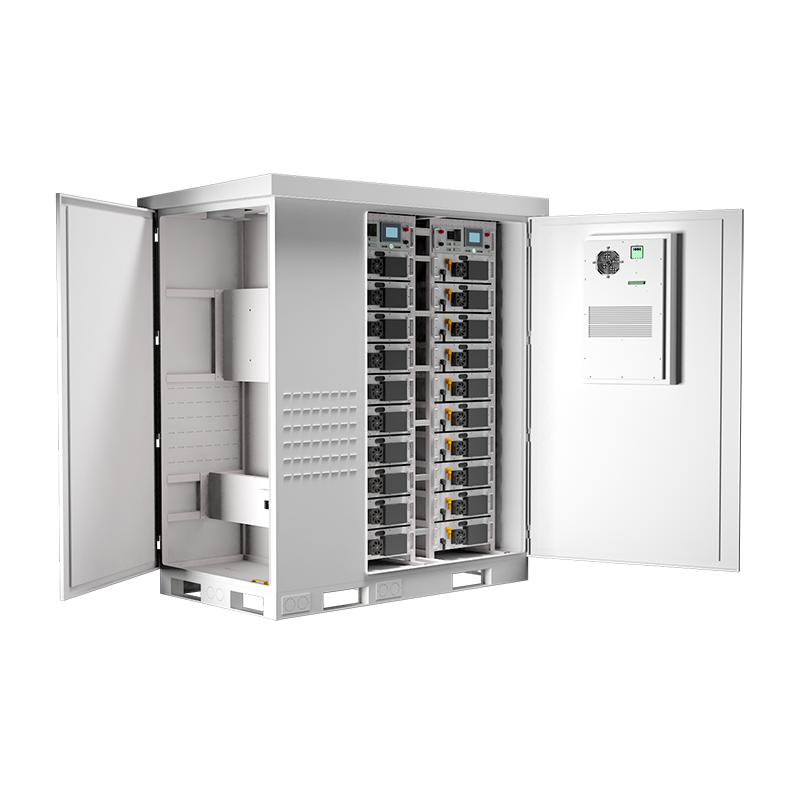
At forstå afkastet på investeringen i industrielle og kommercielle energilagringssystemer er blevet afgørende, da virksomheder søger at optimere deres energiomkostninger samtidig med, at de opretholder driftssikkerhed. Disse avancerede energiløsninger leverer målbare økonomiske fordele gennem strategisk spidsbelastningsreduktion, lastbalancering og uafhængighed af elnettet, hvilket direkte påvirker den endelige rentabilitet. Den økonomiske begrundelse for implementering af industrielle og kommercielle energilagringssystemer rækker langt ud over simple omkostningsbesparelser og omfatter også risikomindskelse, sikring af driftskontinuitet samt langsigtet strategisk placering i et udviklende energilandskab.
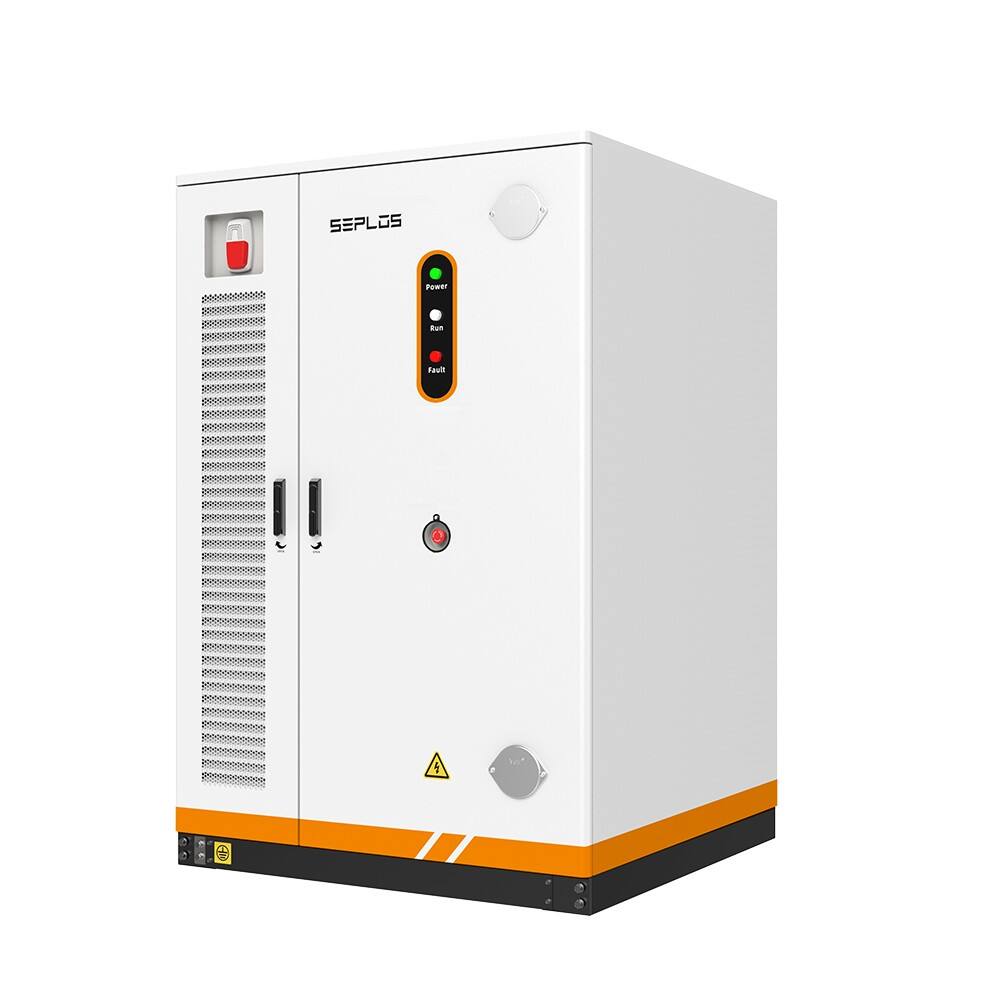
Beregningen af ROI for industrielle og kommercielle energilagringssystemer omfatter flere indtægtsstrømme og mekanismer til omkostningsreduktion, der akkumuleres over systemets levetid. Moderne faciliteter, der implementerer disse energiløsninger, oplever typisk tilbagebetalingstider på mellem tre og syv år, afhængigt af lokale eltarifstrukturer, energiforbrugsmønstre og optimering af systemstørrelsen. Den omfattende finansielle analyse skal tage højde for reduktion af effektafgifter, muligheder for arbitrage ved tidsafhængige tariffer, værdien af reservekraft samt potentielle indtægter fra deltagelse i netydelsesaktiviteter.
Direkte omkostningsreduktionsmekanismer
Eliminering af gebyr for topforbrug
Gebyrer for maksimal belastning udgør én af de mest betydningsfulde og umiddelbare ROI-drevende faktorer for industrielle og kommercielle energilagringsinstallationer. Kommercielle faciliteter står ofte overfor belastningsgebyrer på mellem 10 og 50 USD pr. kW for den månedlige maksimalbelastning, hvilket giver betydelige månedlige udgifter, som energilagring direkte kan afhjælpe. Ved strategisk at frigive den lagrede energi i perioder med maksimal belastning kan virksomheder reducere deres registrerede maksimalbelastning og opnå øjeblikkelige månedlige besparelser, der akkumuleres gennem hele året.
Den økonomiske virkning af reduktion af effektafgift bliver især udtalt for faciliteter med uregelmæssige belastningsprofiler eller lejlighedsvis høje belastningsbegivenheder. Industrielle og kommercielle energilagringssystemer kan overvåge det aktuelle energiforbrug i realtid og automatisk afgive energi, når belastningen nærmer sig forudbestemte tærskler. Denne automatiserede spidsafkortningsfunktion sikrer en konsekvent optimering af effektafgiften uden krav om konstant manuel indgreb eller driftsmæssige justeringer fra facilitetsledelsesteamene.
Produktionsfaciliteter med variable produktionsplaner drager betydelig fordel af effektafgiftsstyring gennem energilagring. Når produktionen øges under perioder med høje eltariffer, leverer den lagrede energi den ekstra effekt, der er nødvendig, uden at udløse nye effektafgifter. Denne funktion giver industrielle driftsprocesser mulighed for at opretholde produktionsfleksibilitet samtidig med, at de kontrollerer én af deres største styrbare energiomkostninger.
Optimering af tidspunkt for brugstariffer
Tidsbaseret takstarbitrage skaber vedvarende indtjeningmuligheder for industrielle og kommercielle energilagringssystemer ved at udnytte forskellene i eltarifferne gennem døgnet. I lavbelastningsperioder, hvor elpriserne er lavest, oplader lagringssystemet fra elnettet, og derefter aflader det i perioder med høj belastning for at reducere forbruget af dyr el fra elnettet. Denne energiarbitragestrategi genererer daglige besparelser, der akkumuleres over systemets levetid.
Arbitragepotentialet varierer betydeligt afhængigt af lokale elprisstrukturer, og i nogle markeder er der spredninger mellem top- og lavtarifpriser på over 0,20 USD pr. kWh. Industrielle faciliteter med konstant energiforbrug i topbelastningstiden kan maksimere disse arbitragemuligheder ved at anvende korrekt dimensionerede lageranlæg. Nøglen til at maksimere arbitrageværdien ligger i at forstå de lokale takstordninger og dimensionere energilagerkapaciteten således, at de mest værdifulde arbitragemuligheder udnyttes uden at overinvestere i lagerkapacitet.
Kommercielle bygninger med forudsigelige tilstedeværelsesmønstre og energiforbrugsprofiler kan optimere besparelser ved tidsafhængige tariffer gennem integration af intelligent energistyring. Lageranlægget lærer bygningens energimønstre og skifter automatisk energiforbruget til at minimere eksponeringen for topbelastningstariffer. Denne automatiserede optimering fortsætter med at levere besparelser uden at kræve løbende administrationsopmærksomhed fra bygningsoperatører.
Operativ værdiskabelse
Forbedring af strømkvalitet og pålidelighed
Industrielle og kommercielle energilagringssystemer leverer betydelig ROI gennem forbedret strømkvalitet og reducerede omkostninger forbundet med driftsafbrydelser som følge af netforstyrrelser. Fremstillingsdrift og kritiske kommercielle faciliteter står over for betydelige økonomiske tab, når strømkvalitetsproblemer forstyrrer driften eller beskadiger følsomme udstyr. Energilagringssystemer sikrer øjeblikkelig korrektion af strømkvaliteten og mulighed for at fortsætte driften under netforstyrrelser, hvilket beskytter både driften og investeringerne i udstyr.
Den økonomiske værdi af forbedret pålidelighed varierer afhængigt af branchen og driftstypen, men undersøgelser viser, at omkostningerne ved uforudset nedetid kan ligge mellem 5.000 og 50.000 USD pr. time for produktionsdrift. Ved at levere ubrudt reservekraft under netudfald og sikre strømkvalitetsforbedring under normale driftsforhold beskytter energilagringssystemer mod disse kostbare forstyrrelser. Kun værdien af pålideligheden kan ofte retfærdiggøre investeringen i energilagring for kritiske drifter, hvor nedetid medfører alvorlige økonomiske konsekvenser.
Datacentre og sundhedsfaciliteter drager især fordel af den forbedrede pålidelighed, som industrielle og kommercielle energilagringssystemer tilbyder. Disse kritiske faciliteter kræver en uafbrudt strømforsyning og står over for reguleringsmæssige eller driftsmæssige krav, der gør strømafbrydelser ekstremt kostbare. Energilagringssystemer tilbyder bedre reaktionstider end traditionelle reservedrevdrifter, samtidig med at de sikrer en kontinuerlig forbedring af strømkvaliteten under normale nettilsluttede driftsforhold.
Netuafhængighed og Resilience
Energilagringssystemer forbedrer driftsmæssig robusthed ved at reducere afhængigheden af elnettet under kritiske perioder eller i nødsituationer. Denne evne til at fungere uafhængigt af elnettet bliver stadig mere værdifuld, da ekstreme vejrforhold og et forældet elnetinfrastruktur skaber hyppigere og mere alvorlige strømafbrydelser. Virksomheder med industriel og kommerciel energilagring kan opretholde driften under længerevarende elnetafbrydelser, mens konkurrenter står over for tvungne nedlukninger og indtægtstab.
Resiliensværdien strækker sig ud over nødbackup og omfatter også strategisk belastningsstyring i perioder med netspænding, hvor elvirksomhederne gennemfører roterende strømudfald eller anmoder om frivillig reduktion af belastningen. Industrielle faciliteter kan overholde disse anmodninger og samtidig opretholde produktionen ved at køre på lagret energi i kritiske perioder. Denne funktion beskytter indtægtsstrømme, demonstrerer virksomhedens ansvarlighed og kan potentielt give adgang til incitamentsprogrammer fra elvirksomhederne.
Kommercielle ejendomme inden for erhvervsfast ejendom opnår konkurrencemæssige fordele gennem resiliens baseret på energilagring, hvilket tiltrækker lejere, der kræver en pålidelig strømforsyning. Kontorbygninger, handelscentre og bygninger til blandede formål kan markedsføre deres evne til energilagring som værdiforøgende ydelser, der begrundar højere lejepriser og forbedrer lejers fastholdelse. Værdiforøgelsen af ejendommen overstiger ofte omkostningerne ved investeringen i lagringssystemet, samtidig med at den genererer vedvarende fordele i form af lejeindtægter.
Indtægtsmuligheder
Nettjenester og tilknyttede markeder
Industrielle og kommercielle energilagringssystemer kan generere yderligere indtægter ved at deltage i markeder for nettjenester og levere tilknyttede tjenester til elvirksomheder. Disse indtægtsmuligheder omfatter frekvensregulering, roterende reserve, spændingsstøtte og deltagelse på kapacitetsmarkeder. Den specifikke indtægtsmulighed varierer afhængigt af markedets region og den gældende reguleringsramme, men en vellykket deltagelse kan betydeligt bidrage til det samlede system-ROI.
Markeder for frekvensregulering udgør ofte den mest tilgængelige indtægtsmulighed for kommercielle energilagringssystemer. Disse markeder kompenserer lagringssystemer for hurtigt at reagere på afvigelser i netfrekvensen ved at lade systemet oplade eller aflade små mængder energi. Den højhastighedsreaktionskapacitet, som batterilagringsystemer besidder, gør dem særligt velegnede til frekvensreguleringstjenester og giver ofte præmiekompetencer i forhold til traditionelle produktionsressourcer.
Kapacitetsmarkeder belønner energilagringssystemer for deres evne til at levere sikker effekt i perioder med høj nettopbelastning. Industrielle og kommercielle energilagringsinstallationer kan byde deres afladningskapacitet ind på disse markeder, samtidig med at de opretholder deres primære funktioner til støtte af faciliteten. Den dobbelte anvendelsesevne maksimerer indtjeningen fra investeringen i lagring, mens facilitetens energibehov fortsat har prioritet.
Deltagelse i virtuelle kraftværker
Programmer for virtuelle kraftværker samler flere decentraliserede energilagringssystemer for at yde netstørrelsesbaserede tjenester og dele indtægterne med de deltagende faciliteter. Kommercielle og industrielle faciliteter kan deltage i disse programmer for at generere ekstra indtægt fra deres investeringer i energilagring, samtidig med at de bidrager til netstabilitet og integration af vedvarende energi. Den aggregerede tilgang gør det muligt for mindre energilagringsinstallationer at deltage i markeder, der normalt er reserveret til store produktionsressourcer.
Indtjeningen fra deltagelse i virtuelle kraftværker ligger typisk mellem 50 og 200 USD pr. kW om året, afhængigt af markedsvilkår og programstruktur. Industrielle og kommercielle energilagringssystemer opretholder deres primære facilitetsfunktioner, mens de samtidig bidrager med overskydende kapacitet til det virtuelle kraftværk i udpegede perioder. Denne toformålsdrift maksimerer den økonomiske afkastning fra investeringen i energilagring uden at kompromittere facilitetens energisikkerhed.
Deltagende faciliteter drager fordel af professionel energistyring og markedsoptimeringstjenester, som leveres af operatører af virtuelle kraftværker. Disse operatører håndterer den komplekse markeddeltagelse, budstrategier og overholdelse af reguleringskrav, mens facilitetsejerne modtager passiv indtjening fra deres energilagringsaktiver. Tilgangen med administrerede tjenester giver virksomheder mulighed for at generere yderligere indtjening uden at skulle bruge interne ressourcer på drift af energimarkeder.
Finansiel analyse og afskrevningsberegninger
Vurdering af samlede ejerskabsomkostninger
En omfattende ROI-analyse for industrielle og kommercielle energilagre kræver en detaljeret vurdering af den samlede ejerskabsomkostning, som omfatter de oprindelige kapitaludgifter, installationsomkostninger, løbende vedligeholdelsesomkostninger samt overvejelser vedrørende slutningen af levetiden. Den oprindelige investering ligger typisk mellem 300 og 800 USD pr. kWh lagringskapacitet, afhængigt af systemteknologi, størrelse og installationskompleksitet. Professionelle installations- og idriftsættelsesomkostninger udgør yderligere ca. 15–25 % af udstyrsomkostningerne for de fleste kommercielle installationer.
Drifts- og vedligeholdelsesomkostninger for moderne industrielle og kommercielle energilagringssystemer ligger typisk mellem 10 og 25 USD pr. kWh om året, inklusive overvågning, forebyggende vedligeholdelse og ydelsesoptimeringstjenester. Disse løbende omkostninger skal indregnes i beregningen af den langsigtet afkastning (ROI) sammen med eventuelle omkostninger til batteriudskiftning efter 10–15 års drift. Avancerede litium-ion-systemer omfatter ofte omfattende garanti dækning, hvilket reducerer usikkerheden omkring vedligeholdelsesomkostninger i den indledende driftsperiode.
Restværdien af energilagringssystemer ved levetidens udløb udgør en yderligere økonomisk overvejelse i ROI-beregninger. Batterigenbrugsprogrammer og potentielle andenlivsanvendelser af udtjente lagringsbatterier kan gendanne 10–20 % af det oprindelige systems omkostninger. Denne restværdiforbedring stiger, når genbrugsmarkederne modne og andenlivsanvendelserne udvides, hvilket giver yderligere økonomisk fordel ud over den primære driftsperiode.
Likviditetsstrøm og finansieringsovervejelser
Investeringer i industrielle og kommercielle energilagre drager fordel af forskellige finansieringsstrukturer, der kan forbedre den samlede ROI gennem optimeret likviditetsstrømstyring. Leveringsaftaler for el, leasing af udstyr og kontrakter baseret på energibesparelser giver faciliteterne mulighed for at implementere lagringssystemer med minimal forudbetaling, samtidig med at de opnår øjeblikkelige besparelser på energiomkostningerne. Disse finansieringsmetoder resulterer ofte i en positiv likviditetsstrøm fra systemets første driftsdag.
Skatteincitamenter og afskrivningsfordele har betydelig indflydelse på den nettoomkostning og ROI-beregning for investeringer i energilagre. Den føderale investeringsskattefradrag giver betydelig reduktion af omkostningerne ved kvalificerende installationer af energilagre, mens accelererede afskrivningsordninger giver virksomhederne mulighed for hurtigere at tilbagefå investeringsomkostningerne via skattefordele. Statslige og lokale incitamentsprogrammer yder ofte yderligere økonomisk støtte, hvilket yderligere forbedrer projektets økonomi.
Valget af finansieringsstruktur bør være i overensstemmelse med organisationens kapitalallokeringsstrategi og likviditetspræferencer. Direkte køb giver maksimal langtidsværdi, men kræver en betydelig forudgående kapitalforpligtelse. Finansieringsmetoder spreder investeringen over tid og kan potentielt udnytte skattefordele mere effektivt for organisationer med tilstrækkelig skatteappetit til at udnytte de tilgængelige incitamenter.
Ofte stillede spørgsmål
Hvad er den typiske tilbagebetalingstid for industrielle og kommercielle energilagringssystemer?
Den typiske tilbagebetalingstid for industrielle og kommercielle energilagringssystemer ligger mellem 3 og 7 år, afhængigt af lokale eltarifstrukturer, facilitetens energiforbrugsprofiler og de tilgængelige incitamentsprogrammer. Faciliteter med høje effektafgifter og betydelige prisforskelle mellem top- og lavbelastningstider opnår typisk kortere tilbagebetalingstider, mens faciliteter med fladere tarifstrukturer måske kræver længere tid for at indhente deres investering udelukkende gennem energibesparelser.
Hvordan påvirker forbrugsgebyrer beregningerne af afkastet på energilagring?
Forbrugsgebyrer udgør ofte den enkelte største drivkraft for afkastet på kommercielle installationer af energilagring, da de kan udgøre 30–70 % af en facilitets elregning. Ved at reducere topforbruget gennem strategisk afladning af energilagring kan virksomheder eliminere eller betydeligt reducere disse gebyrer, hvilket skaber øjeblikkelige månedlige besparelser, der akkumuleres gennem systemets driftslevetid. Reduktionen af forbrugsgebyrer alene retfærdiggør ofte investeringen i energilagring for mange kommercielle anvendelser.
Kan industrielle energilagringssystemer generere indtægt gennem nettjenester?
Ja, industrielle og kommercielle energilagringssystemer kan generere yderligere indtægter ved at deltage i netmarkeder for tjenester, herunder frekvensregulering, kapacitetsmarkeder og efterspørgselsreaktionsprogrammer. Indtægtsmulighederne varierer afhængigt af lokation og markedsregler, men en vellykket deltagelse kan bidrage med 50–200 USD pr. kW årligt til systemets økonomiske ydeevne. Denne yderligere indtægtsstrøm reducerer ofte tilbagebetalingstiden og forbedrer den samlede ROI betydeligt.
Hvilke finansieringsmuligheder er der tilgængelige for kommercielle energilagringprojekter?
Der findes flere finansieringsmuligheder for industrielle og kommercielle energilagringsprojekter, herunder traditionelle udstyrslån, kraftkøbsaftaler, driftsleasingaftaler og energitjenestaftaler. Mange faciliteter vælger finansieringsstrukturer, der muliggør positiv likviditet fra dag ét, samtidig med at de udnytter tilgængelige skattefordele og afskrivningsfordele. Den optimale finansieringsmetode afhænger af organisationens kapitalstruktur, skattemæssige stilling samt præference for behandling af omkostninger som driftsudgifter eller kapitaludgifter.
Indholdsfortegnelse
- Direkte omkostningsreduktionsmekanismer
- Operativ værdiskabelse
- Indtægtsmuligheder
- Finansiel analyse og afskrevningsberegninger
-
Ofte stillede spørgsmål
- Hvad er den typiske tilbagebetalingstid for industrielle og kommercielle energilagringssystemer?
- Hvordan påvirker forbrugsgebyrer beregningerne af afkastet på energilagring?
- Kan industrielle energilagringssystemer generere indtægt gennem nettjenester?
- Hvilke finansieringsmuligheder er der tilgængelige for kommercielle energilagringprojekter?
