
 EN
EN


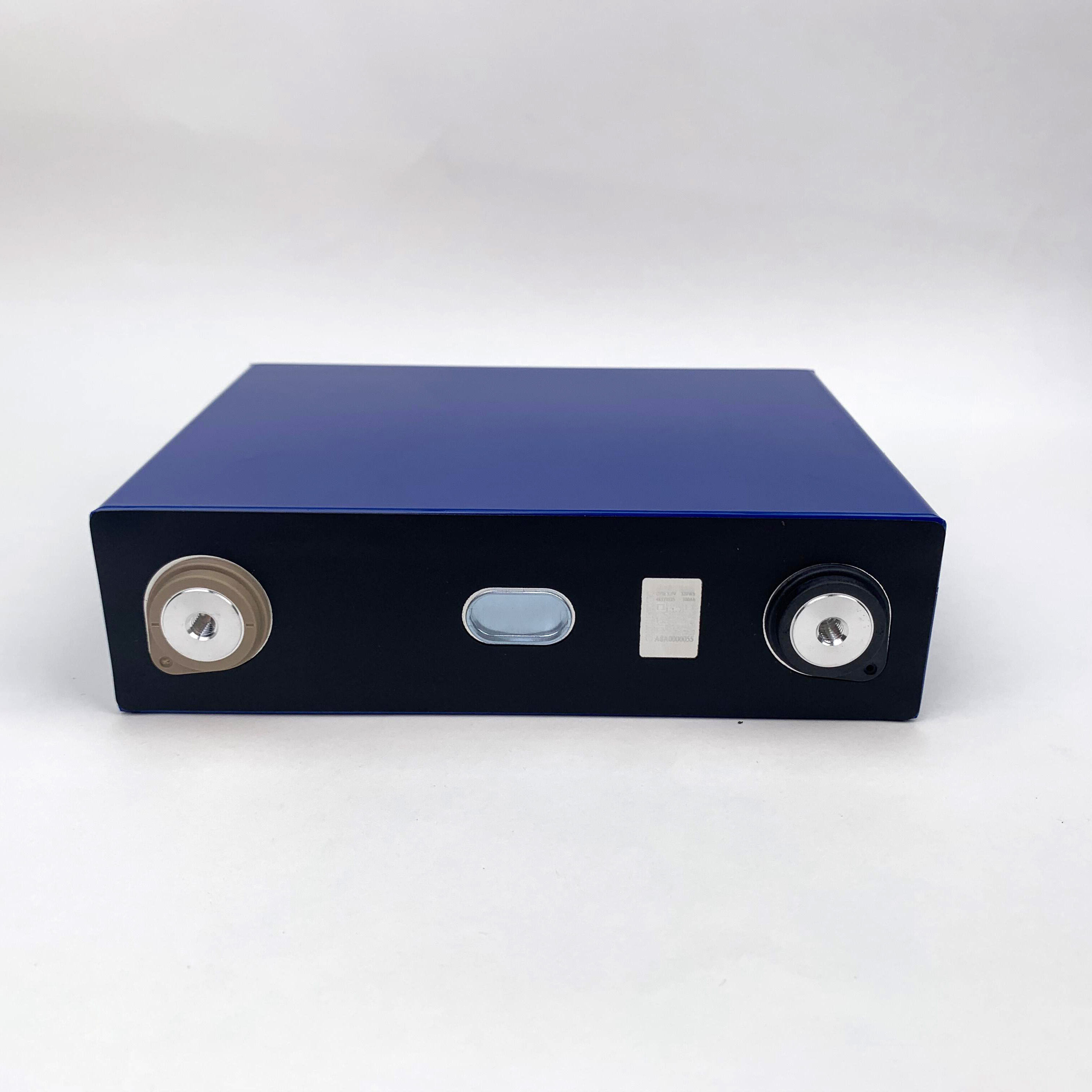
At forstå den reelle levetid for en LiFePO4-batteri er afgørende for alle, der overvejer denne avancerede litiumteknologi til deres energilagringsbehov. I modsætning til traditionelle bly-syre-batterier, der muligvis kun holder et par år, er LiFePO4-batterisystemer konstrueret til at levere ekstraordinær levetid, der kan strække sig over årtier, når de vedligeholdes korrekt. Den faktiske levetid afhænger af flere faktorer, herunder brugsmønstre, opladningsvaner, miljøforhold og kvaliteten af det batteristyringssystem, der er integreret i din LiFePO4-batterikonfiguration.
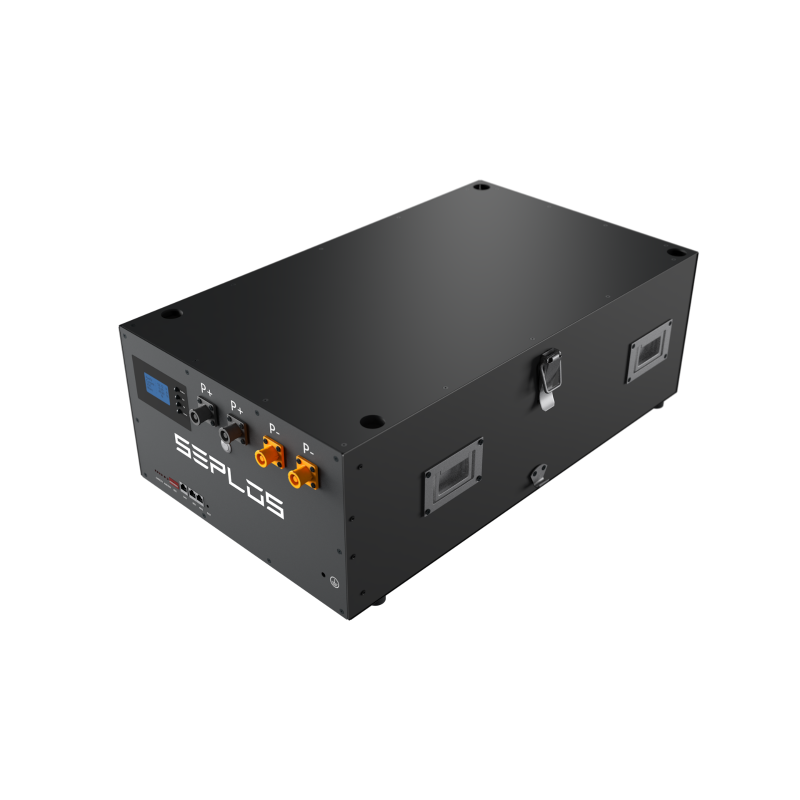
Levetiden for en LiFePO4-batteri strækker sig langt ud over simple kalenderår og omfatter cyklusliv, afladningsdybdekapacitet og mønstre for reelle ydelsesnedgang. De fleste højkvalitets LiFePO4-batterisystemer er designet til at bevare 80 % af deres oprindelige kapacitet efter 6.000–10.000 fuldstændige opladnings- og afladningscyklusser, hvilket svarer til 15–20 år med typisk privat eller kommerciel brug. Den bemærkelsesværdige holdbarhed skyldes den indbyggede kemiske stabilitet i lithiumjernfosfat-katodematerialer, som modstår de strukturelle ændringer, der forårsager kapacitetsnedgang i andre batterikemier.
Forståelse af LiFePO4-batteriets cyklusliv – grundlæggende principper
Hvad udgør en fuldstændig battericyklus
En fuld cyklus for en hvilken som helst LiFePO4-batteri opstår, når enheden aflades fra 100 % ladetilstand ned til dens minimum anbefalede niveau og derefter genoplares til fuld kapacitet. I praksis indebærer brugen af LiFePO4-batterier dog sjældent sådanne fulde cyklusser. De fleste anvendelser omfatter delvise cyklusser, hvor batteriet måske aflades til 70 % eller 80 % af kapaciteten, inden det genoplades – hvilket faktisk betydeligt forlænger den samlede levetid i forhold til dybe afladningsmønstre.
Afladningsdybden påvirker direkte, hvor mange samlede cyklusser dit LiFePO4-batteri kan levere over dets driftslevetid. Når batteriet konsekvent kun aflades til 50 % af kapaciteten, kan et kvalitets-LiFePO4-batteri opnå 15.000 eller flere cyklusser, før det når 80 % kapacitetsbevarelse. Denne sammenhæng mellem afladningsdybde og antal cyklusser er afgørende for at forstå, hvorfor korrekte batteristyringssystemer er afgørende for at maksimere levetiden af LiFePO4-batterier.
Moderne LiFePO4-batteriinstallationer indeholder avancerede overvågningssystemer, der registrerer ikke kun enkelte cyklusser, men også samlede ampere-timer udledt, temperaturpåvirkning og opladningsmønstre. Disse data hjælper med at forudsige den resterende brugbare levetid og optimere opladningsalgoritmerne for at udvide batteriets levetid langt ud over de grundlæggende estimater baseret på antallet af cyklusser.
Mønstre for kapacitetsbevarelse over tid
Kurven for kapacitetsbevarelse hos et LiFePO4-batteri følger et forudsigeligt mønster, der adskiller sig markant fra andre litiumkemietyper. I de første 500–1000 cyklusser er kapacitetstabet typisk minimalt, ofte mindre end 2–3 % af den oprindelige nominelle kapacitet. Denne indledende periode repræsenterer batteriets primære ydelsesfase, hvor energitæthed og effektafgivelse forbliver på topniveau.
Efter cirka 2.000–3.000 cyklusser begynder de fleste LiFePO4-batterisystemer at vise en mere markant kapacitetsnedgang, selvom de stadig opretholder 90–95 % af den oprindelige kapacitet. Nedbrydningshastigheden i denne mellemfase forbliver relativt lineær og forudsigelig, hvilket giver brugerne mulighed for at planlægge udskiftning eller systemudvidelse lang tid før kritisk kapacitetsforringelse indtræder.
Den sidste fase af LiFePO4-batteriets kapacitetsbevarelse starter typisk ved omkring 80 % kapacitet, hvilket sker efter 6.000–10.000 cyklusser afhængigt af brugsforholdene. Selv på dette tidspunkt fungerer batteriet stadig til mange anvendelser, selvom brugere måske bemærker en reduceret køretid mellem opladninger. Mange kommercielle installationer fortsætter med at drive LiFePO4-batterisystemer ved 70–75 % kapacitet i flere yderligere år, før udskiftning bliver nødvendig.
Miljømæssige og driftsmæssige faktorer, der påvirker levetiden
Temperaturpåvirkning på batterikemi
Temperatur er en af de mest kritiske faktorer, der bestemmer den faktiske levetid for LiFePO4-batterier i praksis. Det optimale driftstemperaturområde for de fleste LiFePO4-batterisystemer ligger mellem 15 °C og 25 °C (59 °F til 77 °F), hvor batterikemiens funktion er mest effektiv, og hvor den udsættes for minimal nedbrydningspåvirkning. Ved at holde temperaturen inden for dette område kan batterilevetiden forlænges betydeligt ud over producentens specifikationer.
Overdreven varme accelererer de kemiske reaktioner inden i LiFePO4-battericellerne, hvilket fører til hurtigere kapacitetsreduktion og potentielle sikkerhedsmæssige risici. Driftstemperaturer, der konsekvent overstiger 40 °C (104 °F), kan reducere den samlede cykluslevetid med 30–50 % sammenlignet med optimale forhold. Omvendt reducerer ekstrem kulde under -10 °C (14 °F) midlertidigt den tilgængelige kapacitet og kan belaste batteristyringssystemet, selvom de langsigtede nedbrydningsvirkninger generelt er mindre alvorlige end ved udsættelse for varme.
Termiske styringssystemer i professionelle installationer liFePO4 batteri installationer omfatter aktiv køling, isolering og temperaturovervågning for at opretholde optimale driftsforhold. Disse systemer udgør en afgørende investering i at maksimere batteriets levetid, især under udfordrende klimaforhold eller ved højeffektsanvendelser, hvor varmeudviklingen er betydelig.
Opladningspraksis og batteristyring
Den anvendte opladningsmetode for ethvert LiFePO4-batterisystem påvirker betydeligt dets driftslevetid. Korrekt opladning omfatter flere faser, herunder bulkopladning, absorptionsfase og float-fase, hvor hver fase er optimeret til de specifikke spændings- og strømforhold, der gælder for lithiumjernfosfat-kemi. Avancerede batteristyringssystemer overvåger kontinuerligt cellespændinger, temperaturer og strømstrøm for at sikre optimale opladningsforhold gennem hele batteriets levetid.
Overlading udgør en af de mest skadelige forhold for levetiden af LiFePO4-batterier og kan potentielt føre til uigenkaldelig kapacitetstab og sikkerhedsrisici. Kvalitetsbatteristyringssystemer forhindrer overlading ved at overvåge spændingen på enkelte celler og afslutte opladningscyklusser, når forudbestemte spændingstærskler nås. Denne beskyttelse er afgørende, da LiFePO4-battericeller kan blive permanent beskadiget, hvis de oplades over deres maksimale sikre spænding.
Opladningshastigheden påvirker også levetiden af LiFePO4-batterier, hvor langsom opladning generelt fremmer en længere brugstid. Selvom de fleste LiFePO4-batterisystemer kan acceptere hurtig opladning med hastigheder op til 1C (fuld opladning på én time), kan begrænsning af opladningshastigheden til 0,5C eller lavere, når tiden tillader det, forlænge cykluslevetiden med 20–30 %. Batteristyringssystemet bør automatisk justere opladningshastigheden ud fra temperatur, ladestatus og cellebalanceforhold.
Reel ydeevne og nedbrydningsmønstre
Forventninger til levetid, der er specifikke for anvendelsen
Lagring af solenergi udgør en af de mest almindelige anvendelser af LiFePO4-batteriteknologi, hvor daglige cyklusmønstre skaber forudsigelige nedbrydningsforhold. I typiske boliginstallationer med solcelleanlæg gennemgår LiFePO4-batteriet én delvis cyklus pr. dag, hvor det aflades om aftenen og genoplades under perioder med maksimal solcelleproduktion. Dette brugsmønster resulterer typisk i en levetid på 15–20 år med minimale vedligeholdelseskrav.
Off-grid-anvendelser udsætter ofte LiFePO4-batterisystemer for mere variable afladningsmønstre, hvor nogle dage kræver dyb afladning, mens andre dage indebærer minimal cykling. Den uregelmæssige karakter af off-grid-strømbehov kan faktisk forlænge batterilevetiden sammenlignet med regelmæssig daglig cykling, da batteriet oplever genopretningsperioder, der giver de kemiske processer mulighed for at stabilisere sig. Veludformede off-grid-LiFePO4-batterisystemer overstiger ofte en levetid på 20 år, når de er korrekt dimensioneret til den pågældende anvendelse.
Kommercielle og industrielle anvendelser kan cykle LiFePO4-batterisystemer flere gange om dagen til spidsbelastningsreduktion, reservekraft eller net-tjenester. Disse højcyklus-anvendelser reducerer typisk den samlede kalenderlevetid til 10–15 år, selvom batterierne ofte leverer betydeligt mere samlet energi gennem deres levetid. Nøglen til lang levetid i krævende anvendelser er korrekt systemdimensionering for at undgå for dybe afladninger under normal drift.
Overvågnings- og vedligeholdelseskrav
Moderne LiFePO4-batterisystemer indeholder omfattende overvågningsfunktioner, der registrerer ydelsesmål, nedbrydningsindikatorer og vedligeholdelsesbehov gennem hele batteriets driftslevetid. Disse overvågningssystemer giver tidlig advarsel om potentielle problemer og muliggør forebyggende vedligeholdelse, inden fejl påvirker systemets pålidelighed eller sikkerhed. Regelmæssige overvågningsdata hjælper også med at optimere opladningsalgoritmer og brugsmønstre for at maksimere batteriets levetid.
Kravene til fysisk vedligeholdelse af LiFePO4-batteriinstallationer forbliver minimale sammenlignet med traditionelle batteriteknologier. Periodisk inspektion af forbindelser, kølesystemer og miljøforhold sikrer dog optimal ydelse og sikkerhed. De fleste LiFePO4-batterisystemer drager fordel af årlige professionelle inspektioner for at verificere korrekt funktion og identificere eventuelle opstående problemer, inden de påvirker systemets ydelse.
Cellebalancering udgør en kritisk, løbende proces i flercellede LiFePO4-batterisystemer, hvor spændingerne over individuelle celler periodisk jævnes for at forhindre kapacitetsmismatch. Avancerede batteristyringssystemer håndterer denne balancering automatisk, men overvågning af balanceringsfrekvensen og dens effektivitet giver værdifulde indsigter i batteriets helbred og resterende levetid. For meget intens balanceringsaktivitet kan være et tegn på aldring af celler eller miljøpåvirkninger, der kræver opmærksomhed.
Økonomiske overvejelser og samlet ejerskabsomkostning
Indledende investering versus levetidsværdi
Den højere oprindelige omkostning ved LiFePO4-batteriteknologi sammenlignet med traditionelle alternativer afvejes hurtigt af den forlængede levetid og de reducerede vedligeholdelseskrav. Ved beregning af den samlede ejeromkostning over en periode på 15–20 år leverer LiFePO4-batterisystemer typisk en bedre økonomisk værdi, selvom den indledende investering er højere. Denne økonomiske fordel bliver endnu mere markant i anvendelser med regelmæssig cyklus, hvor traditionelle batterier ville kræve flere udskiftninger.
Udskiftningsomkostningerne for LiFePO4-batterisystemer falder kraftigt, da produktionen skaleres op og teknologien modne. Nuværende prognoser antyder, at udskiftningsomkostningerne vil være 30–50 % lavere, når dagens installationer når slutningen af deres levetid om 15–20 år. Denne tendens til faldende omkostninger, kombineret med potentielle fremskridt inden for batterikemi, gør LiFePO4-batteriteknologi stadig mere attraktiv for langsigtede investeringer i energilagring.
Garantidækningen, der følger med kvalitets-LiFePO4-batterisystemer, garanterer typisk en kapacitetsbevarelse på 80 % i en periode på 8–10 år og sikrer dermed finansiel beskyttelse mod for tidlig kapacitetsnedgang. Den faktiske levetid overstiger dog ofte garantiperioden betydeligt, hvilket giver systemejerne ekstra værdi. Det er afgørende at forstå garantibetingelserne og dækningsbegrænsningerne, når man vurderer forskellige LiFePO4-batteriløsninger til langvarige installationer.
Planlægning for slutbrug og genanvendelse
Planlægning af bortskaffelse eller genbrug af LiFePO4-batterisystemer ved levetidsudløb bliver stadig mere vigtig, da de første installationer nærmer sig udskiftningstidspunktet. Materialerne, der anvendes i LiFePO4-batterier – herunder litium, jern og fosfatforbindelser – er værdifulde og kan genbruges. Etablerede genbrugsprogrammer kan genvinde 95 % eller mere af disse materialer til brug i fremstillingen af nye batterier, hvilket reducerer miljøpåvirkningen og understøtter principperne for den cirkulære økonomi.
Mange LiFePO4-batteriproducenter udvikler tilbageleveringsprogrammer for at sikre korrekt genbrug af deres produkter ved levetidens udløb. Disse programmer kan omfatte kreditmodtagelse ved køb af nye batterier, hvilket gør systemopgraderinger mere økonomiske, samtidig med at de sikrer miljømæssig ansvarlighed. Vurdering af producenternes forpligtelser til genbrug bør indgå i den indledende proces ved valg af batteri til miljøbevidste installationer.
Andenlivsanvendelser af LiFePO4-batterisystemer, som ikke længere opfylder kravene i deres primære anvendelse, er ved at blive en vigtig mekanisme til værdigenvinding. Batterier med 70–80 % af deres oprindelige kapacitet kan være velegnede til mindre krævende anvendelser, såsom nødstrømforsyning eller netstabiliseringsydelser. Disse andenlivsmuligheder kan forlænge den økonomisk nyttige levetid for investeringer i LiFePO4-batterier og samtidig reducere den samlede miljøpåvirkning.
Ofte stillede spørgsmål
Hvor mange år kan jeg forvente, at mit LiFePO4-batteri holder i typisk hjemmebrug?
De fleste ejere kan forvente 15–20 år med pålidelig drift fra et kvalitetsbatterisystem baseret på LiFePO4 i typiske boliganvendelser. Dette forudsætter daglig cyklusdrift til solenergilagring med korrekt batteristyring og moderate klimaforhold. Batteriet vil opretholde 80 % eller mere af sin oprindelige kapacitet i størstedelen af denne periode, med en gradvis nedgang i de sidste år af brugstiden.
Hvad er forskellen mellem cyklusliv og kalenderliv for LiFePO4-batterier?
Cyklusliv henviser til antallet af opladnings-/udladningscyklusser, som et LiFePO4-batteri kan gennemføre, inden det når 80 % kapacitetsbevaring – typisk 6.000–10.000 cyklusser. Kalenderliv repræsenterer den samlede tidsperiode, hvor batteriet forbliver funktionsdygtigt, normalt 15–25 år afhængigt af opbevaringsforhold og brugsmønstre. I de fleste anvendelser er kalenderlivet den begrænsende faktor frem for antallet af cyklusser.
Kan ekstreme temperaturer betydeligt forkorte levetiden for LiFePO4-batterier?
Ja, konsekvent høje temperaturer over 40 °C kan reducere levetiden for LiFePO4-batterier med 30–50 % sammenlignet med optimale forhold. Lav temperatur påvirker primært den tilgængelige kapacitet midlertidigt frem for at forårsage permanent nedbrydning. Passende termisk styring via isolering, ventilation eller aktive kølesystemer er afgørende for at maksimere batteriets levetid i udfordrende klimaforhold.
Hvordan kan jeg maksimere levetiden for mit LiFePO4-batterisystem?
Maksimer levetiden for dit LiFePO4-batteri ved at opretholde moderate driftstemperaturer, undgå dybe afladninger under 20 % ladningstilstand, når det er muligt, bruge korrekt opladningsudstyr med temperaturkompensation og sikre tilstrækkelig ventilation omkring batteriinstallationen. Regelmæssig overvågning af systemets ydeevne samt professionelle inspektioner kan identificere potentielle problemer, inden de påvirker batteriets levetid.
Indholdsfortegnelse
- Forståelse af LiFePO4-batteriets cyklusliv – grundlæggende principper
- Miljømæssige og driftsmæssige faktorer, der påvirker levetiden
- Reel ydeevne og nedbrydningsmønstre
- Økonomiske overvejelser og samlet ejerskabsomkostning
-
Ofte stillede spørgsmål
- Hvor mange år kan jeg forvente, at mit LiFePO4-batteri holder i typisk hjemmebrug?
- Hvad er forskellen mellem cyklusliv og kalenderliv for LiFePO4-batterier?
- Kan ekstreme temperaturer betydeligt forkorte levetiden for LiFePO4-batterier?
- Hvordan kan jeg maksimere levetiden for mit LiFePO4-batterisystem?
