
 EN
EN


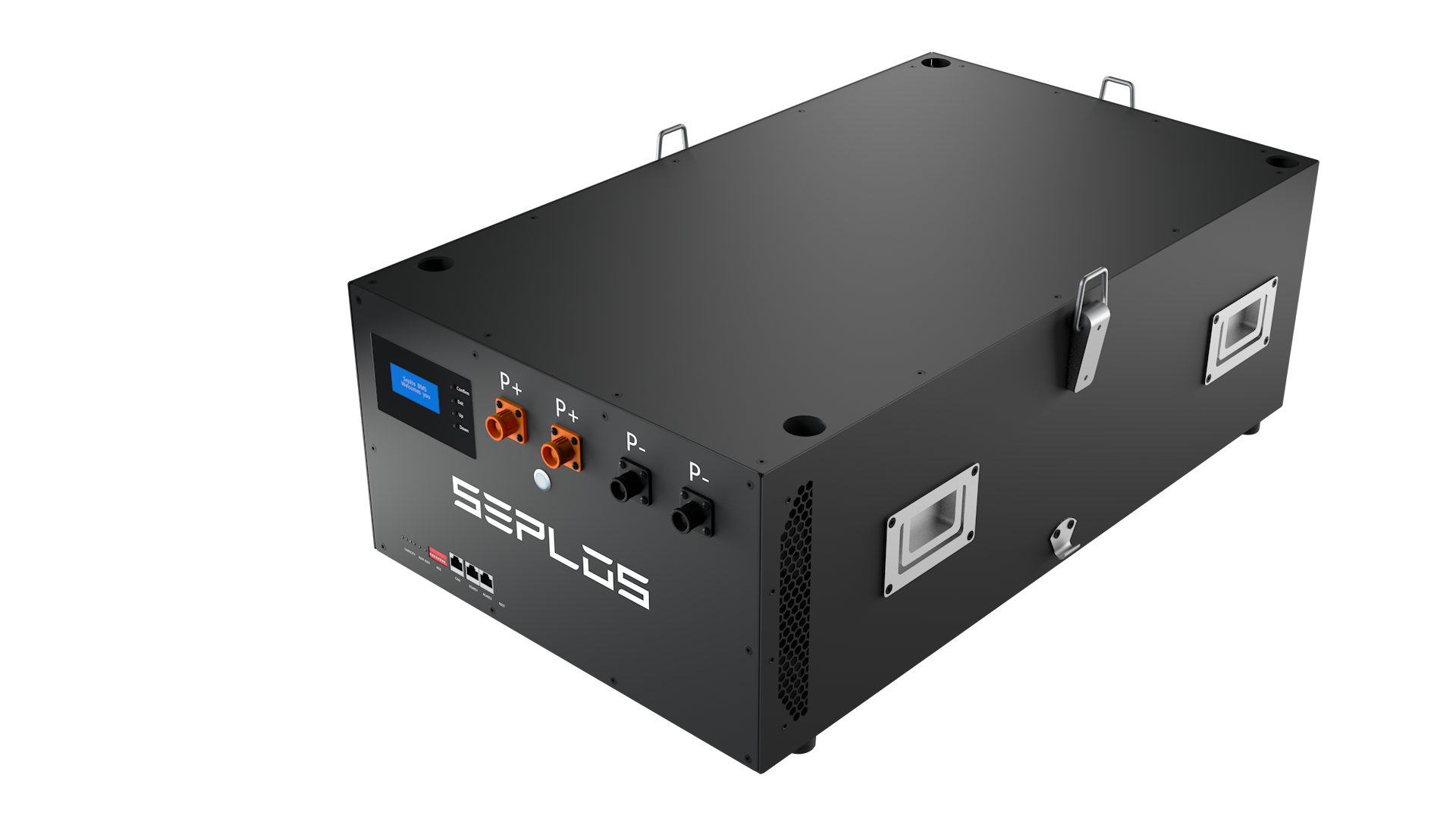
Building a 48v diy battery box requires careful selection of materials that ensure safety, durability, and optimal performance. The success of your energy storage project depends on choosing components that can withstand thermal stress, provide adequate protection against environmental factors, and maintain structural integrity throughout the battery system's operational life. Whether you're creating a backup power solution for your home or designing a portable energy storage unit, understanding the material properties and their specific applications in 48v diy battery box construction is essential for achieving professional-grade results.
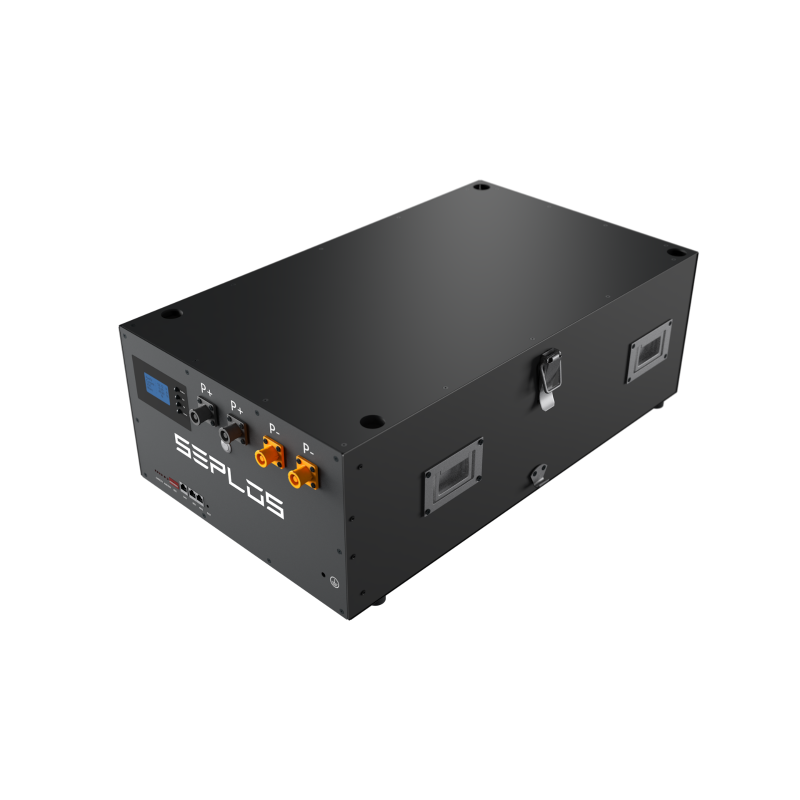
The material selection process for a 48v diy battery box involves evaluating multiple factors including thermal management capabilities, electrical insulation properties, mechanical strength, and cost-effectiveness. Modern battery box designs must accommodate various cell chemistries, from lithium iron phosphate to lithium-ion configurations, each presenting unique material requirements. Professional builders understand that the enclosure materials directly impact the system's thermal performance, safety margins, and long-term reliability, making this selection process critical to project success.
Essential Structural Materials for Battery Box Framework
Aluminum Alloy Construction Benefits
Aluminum alloy stands as the premier choice for 48v diy battery box construction due to its exceptional strength-to-weight ratio and natural corrosion resistance. The 6061-T6 aluminum alloy specifically offers optimal properties for battery enclosures, providing excellent machinability while maintaining structural integrity under thermal cycling conditions. This material choice significantly reduces the overall weight of your 48v diy battery box while ensuring adequate protection for sensitive battery components.
The thermal conductivity properties of aluminum alloy facilitate efficient heat dissipation from battery cells, preventing dangerous temperature accumulation during charging and discharging cycles. Professional builders often select aluminum stock in thicknesses ranging from 3mm to 6mm, depending on the specific application requirements and expected mechanical stresses. The natural oxide layer formation on aluminum surfaces provides additional protection against environmental degradation without requiring extensive surface treatments.
Steel Framework Applications
Steel construction offers superior mechanical strength for large-scale 48v diy battery box projects where weight considerations are secondary to structural robustness. Cold-rolled steel provides excellent formability and welding characteristics, making it suitable for custom battery box designs requiring complex geometries. The material's high tensile strength ensures long-term dimensional stability even under significant mechanical loads or thermal expansion cycles.
Galvanized steel variants provide enhanced corrosion resistance for outdoor 48v diy battery box applications, though proper sealing remains essential for optimal performance. The material's magnetic properties also facilitate easy integration of mounting hardware and accessory components. Steel construction typically requires powder coating or other protective finishes to prevent oxidation in humid environments, adding to the overall project complexity but ensuring extended service life.
Advanced Insulation and Safety Materials
Fire-Resistant Insulation Options
Selecting appropriate fire-resistant insulation materials is crucial for 48v diy battery box safety, particularly when dealing with high-energy-density lithium-based cells. Ceramic fiber insulation provides exceptional thermal protection while maintaining lightweight characteristics essential for portable battery systems. These materials can withstand temperatures exceeding 1000°C, providing critical safety margins during thermal runaway events or external fire exposure.
Intumescent coatings represent another advanced safety material option for 48v diy battery box applications, expanding when exposed to heat to create protective char layers. These coatings can be applied directly to aluminum or steel surfaces, providing fire protection without adding significant weight or bulk to the enclosure design. The material's dual function as both protective coating and fire suppressant makes it particularly valuable for space-constrained applications.
Electrical Insulation Requirements
High-performance electrical insulation materials ensure safe operation of 48v diy battery box systems by preventing unwanted current paths and maintaining proper isolation between components. Polyethylene foam sheets provide excellent dielectric properties while offering cushioning protection for battery cells during transport or vibration exposure. The material's closed-cell structure resists moisture absorption, maintaining insulation effectiveness in varying environmental conditions.
Fiberglass reinforced plastic sheets offer superior mechanical strength combined with excellent electrical insulation properties for 48v diy battery box internal partitions. These materials resist chemical degradation from battery electrolytes while maintaining dimensional stability across wide temperature ranges. The material's non-conductive properties ensure reliable isolation between different voltage sections within complex battery configurations.
Sealing and Environmental Protection Materials
Gasket and Seal Selection
Proper sealing materials are essential for maintaining the environmental integrity of your 48v diy battery box, protecting internal components from moisture, dust, and chemical contamination. EPDM rubber gaskets provide excellent weather resistance and maintain flexibility across temperature ranges typically encountered in battery applications. The material's resistance to ozone and UV radiation ensures long-term sealing effectiveness in outdoor installations.
Silicone-based sealing compounds offer superior chemical resistance for 48v diy battery box applications where exposure to battery electrolytes or cleaning chemicals is possible. These materials maintain their sealing properties across extreme temperature ranges while providing excellent adhesion to aluminum and steel surfaces. Professional installations often incorporate multiple sealing layers to ensure redundant protection against environmental intrusion.
Ventilation System Components
Effective ventilation materials are critical for maintaining optimal operating conditions within your 48v diy battery box while preventing the ingress of contaminants. Gore-Tex membrane vents provide exceptional moisture protection while allowing pressure equalization during temperature cycling. These materials prevent condensation buildup while maintaining the enclosure's environmental rating.
Activated carbon filters integrated into ventilation systems help manage any gases generated during battery operation while maintaining air circulation. The material's adsorptive properties effectively capture organic compounds and odors that might indicate battery degradation or malfunction. Proper filter sizing ensures adequate ventilation flow without compromising the 48v diy battery box's environmental protection capabilities.
Thermal Management Material Solutions
Heat Dissipation Interface Materials
Thermal interface materials play a crucial role in managing heat generation within 48v diy battery box designs, ensuring optimal temperature distribution and preventing hot spot formation. Thermal pads composed of silicone-based compounds filled with ceramic particles provide excellent heat transfer characteristics while maintaining electrical insulation properties. These materials conform to surface irregularities, maximizing thermal contact between battery cells and cooling surfaces.
Phase change materials offer advanced thermal management capabilities for high-performance 48v diy battery box applications, absorbing excess heat during peak demand periods and releasing it during cooler operation phases. These materials provide passive thermal regulation without requiring external power or control systems. The material's ability to maintain stable operating temperatures enhances battery life and performance consistency.
Cooling System Integration
Advanced cooling system materials enable active thermal management for demanding 48v diy battery box applications where passive cooling proves insufficient. Copper heat pipes provide efficient heat transfer from battery modules to external cooling surfaces with minimal thermal resistance. The material's high thermal conductivity enables effective heat distribution across large battery arrays while maintaining compact system dimensions.
Aluminum heat sinks with optimized fin geometries maximize convective heat transfer while maintaining lightweight characteristics essential for portable 48v diy battery box designs. Surface treatments such as anodizing can enhance heat dissipation performance while providing additional corrosion protection. Proper heat sink sizing ensures adequate thermal capacity without compromising system portability or installation flexibility.
Hardware and Fastening Material Options
Corrosion-Resistant Fasteners
Selecting appropriate fastening materials ensures long-term structural integrity of your 48v diy battery box while preventing galvanic corrosion that can compromise safety and performance. Stainless steel fasteners provide excellent corrosion resistance and mechanical strength for critical structural connections. Grade 316 stainless steel offers superior chemical resistance for marine or industrial applications where exposure to aggressive environments is expected.
Titanium fasteners represent the premium choice for weight-critical 48v diy battery box applications where maximum strength-to-weight ratio is essential. These materials provide exceptional corrosion resistance and biocompatibility while maintaining mechanical properties across extreme temperature ranges. The material's non-magnetic properties prevent interference with sensitive electronic components within the battery management system.
Electrical Connection Materials
High-quality electrical connection materials ensure reliable power transfer and minimize voltage losses within your 48v diy battery box system. Copper bus bars provide excellent electrical conductivity while offering superior mechanical stability for high-current applications. The material's malleability facilitates custom shaping for complex routing requirements while maintaining low electrical resistance.
Tinned copper terminals provide enhanced corrosion resistance for 48v diy battery box connections exposed to humid environments or temperature cycling. The tin plating prevents oxidation of copper surfaces while maintaining excellent electrical conductivity and solderability. Proper terminal selection ensures reliable connections throughout the battery system's operational life while facilitating maintenance and troubleshooting procedures.
FAQ
What thickness of aluminum should I use for my 48v diy battery box?
For most 48v diy battery box applications, 3mm to 4mm thick 6061-T6 aluminum provides the optimal balance of strength, weight, and workability. Larger systems or those requiring enhanced impact resistance may benefit from 5mm or 6mm thickness, while smaller portable units can utilize 2mm material with appropriate reinforcement strategies.
Can I use plastic materials for 48v diy battery box construction?
While certain high-performance plastics like polycarbonate can be suitable for 48v diy battery box applications, they generally offer inferior thermal management and fire resistance compared to metal alternatives. If using plastic, ensure it meets UL94 V-0 flame rating requirements and incorporate adequate thermal management provisions to prevent overheating.
How important is grounding material selection for battery box safety?
Proper grounding materials are essential for 48v diy battery box safety, requiring copper grounding conductors sized according to electrical codes and battery system specifications. All metallic components should be bonded to the main grounding point using corrosion-resistant connections to ensure electrical safety and proper system operation.
What materials should I avoid when building a 48v diy battery box?
Avoid using materials that can generate sparks, such as ferrous metals in high-wear areas, or materials that degrade under thermal stress like standard PVC plastics. Also avoid dissimilar metals that can create galvanic corrosion, and ensure all materials meet appropriate fire safety ratings for electrical enclosure applications.
