
 EN
EN


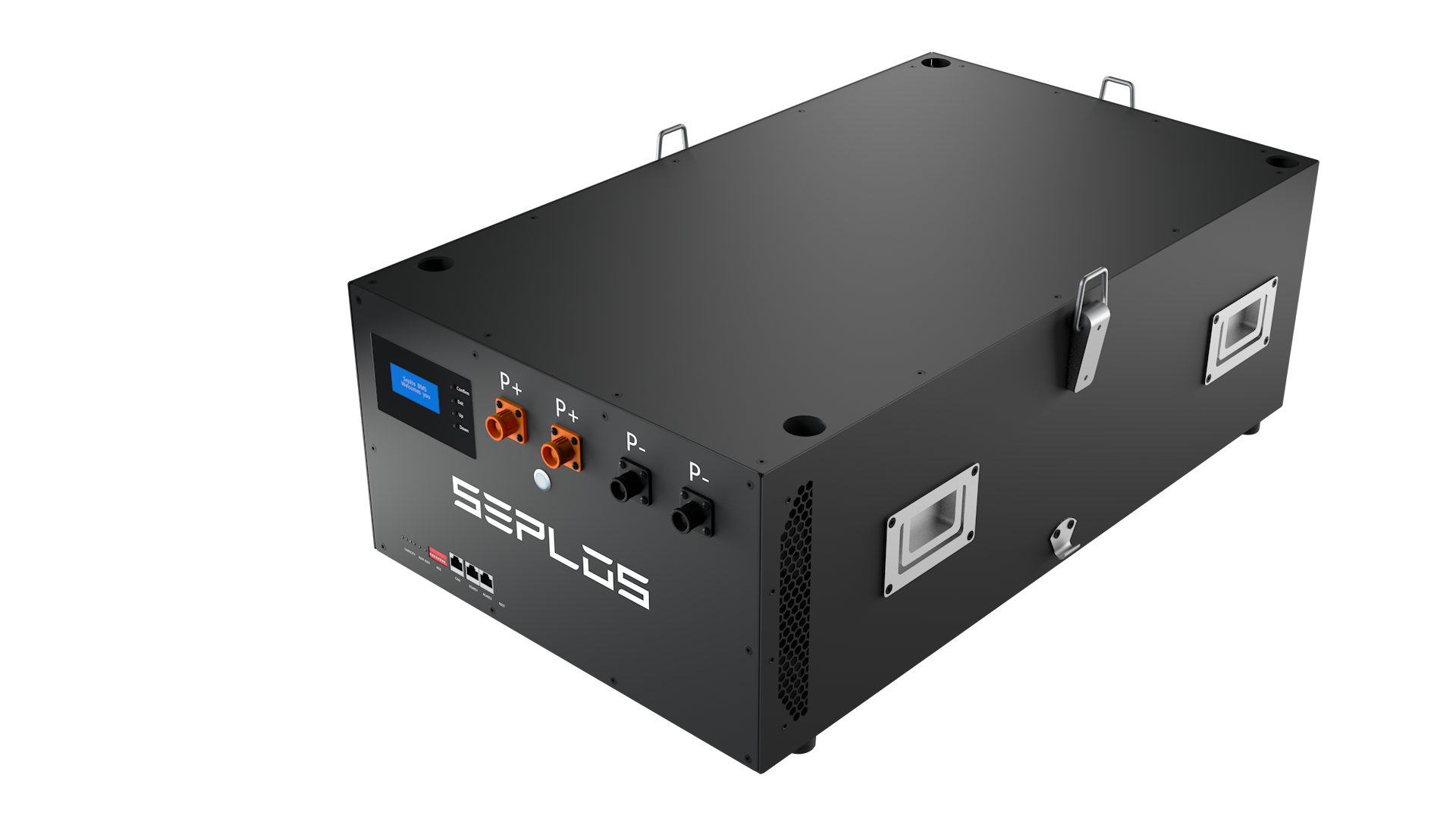
Building a 48v diy battery box requires careful attention to safety protocols and industry best practices to ensure reliable operation and prevent potential hazards. Whether you're designing a backup power system for your home or creating a portable energy solution for outdoor applications, understanding the critical safety considerations and implementation guidelines is essential for both performance and personal protection. The complexity of high-voltage battery systems demands thorough planning and adherence to established safety standards.
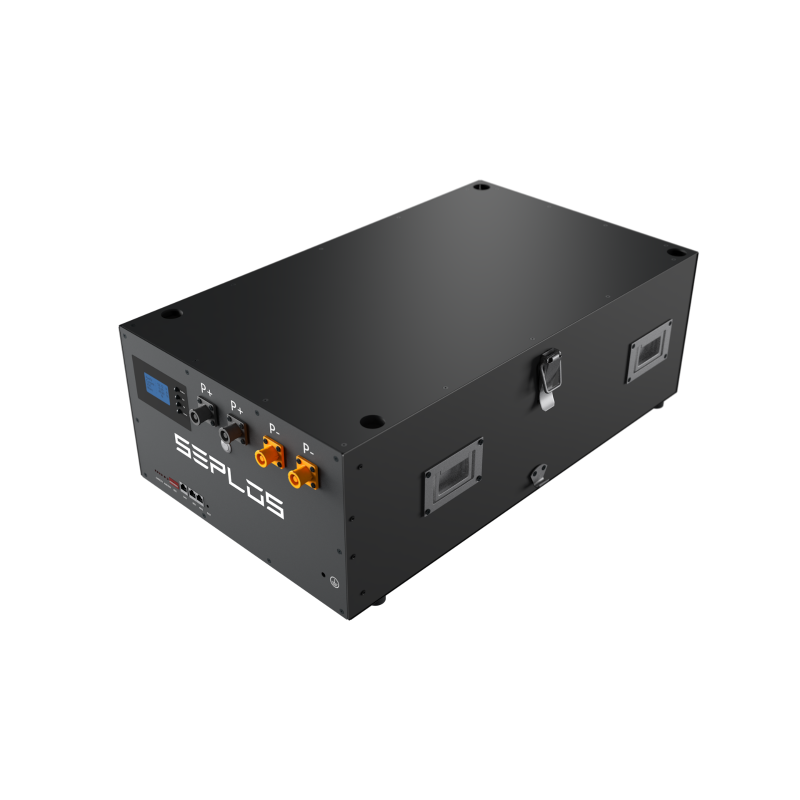
The construction of a 48v diy battery box involves multiple critical components including battery management systems, thermal protection, electrical connections, and appropriate enclosure materials. Each element must work harmoniously to create a safe and efficient energy storage solution that can handle the demands of your specific application while maintaining consistent performance over extended periods. Proper implementation of safety measures not only protects your investment but also ensures the longevity of your battery system and safeguards your property.
Essential Safety Components for 48V Battery Box Construction
Battery Management System Requirements
A robust battery management system forms the cornerstone of any safe 48v diy battery box design. The BMS monitors individual cell voltages, temperatures, and current flow to prevent overcharging, over-discharging, and thermal runaway conditions. Quality BMS units include active balancing capabilities that ensure uniform charge distribution across all cells, extending overall battery life and maintaining system efficiency. Professional-grade BMS systems also provide communication protocols that allow remote monitoring and control of your battery system.
When selecting a BMS for your 48v diy battery box project, ensure it matches your specific battery chemistry and capacity requirements. LiFePO4 batteries require different protection parameters compared to lithium-ion cells, and the BMS must be configured accordingly. The system should include overcurrent protection, short circuit protection, and temperature monitoring with automatic shutdown capabilities when dangerous conditions are detected.
Thermal Management and Ventilation Design
Proper thermal management is crucial for maintaining safe operating temperatures within your 48v diy battery box. Batteries generate heat during charging and discharging cycles, and excessive temperatures can lead to reduced performance, shortened lifespan, or even dangerous conditions. Implementing adequate ventilation ensures consistent airflow that dissipates heat effectively while preventing moisture accumulation that could cause corrosion or electrical issues.
Design your ventilation system with both intake and exhaust points positioned to create natural convection currents. Install temperature sensors at multiple locations within the battery box to monitor thermal conditions and trigger cooling fans when necessary. Consider using thermally conductive but electrically insulating materials for battery mounting to improve heat dissipation while maintaining electrical safety.
Electrical Connection Safety Standards
All electrical connections in your 48v diy battery box must meet strict safety standards to prevent arcing, overheating, and connection failure. Use properly rated terminals, cables, and fuses designed for the specific voltage and current requirements of your system. Crimped connections generally provide better reliability than soldered joints in high-vibration environments, and all connections should be protected with appropriate covers or shrouds to prevent accidental contact.
Implement a comprehensive fusing strategy that includes both main system fuses and individual cell group fuses to isolate problems quickly and prevent cascade failures. Color-code all wiring according to established standards, with red for positive, black for negative, and green for ground connections. Maintain detailed wiring diagrams and labeling to facilitate future maintenance and troubleshooting procedures.
Enclosure Design and Material Selection
Fire-Resistant Housing Materials
The enclosure for your 48v diy battery box must provide robust protection against environmental factors while incorporating fire-resistant properties to contain any potential thermal events. Metal enclosures offer superior fire resistance and electromagnetic shielding compared to plastic alternatives, though they require careful attention to grounding and insulation. Steel and aluminum housings provide excellent durability and can be customized with mounting points, ventilation openings, and cable entry ports.
When designing the enclosure, ensure adequate spacing between battery cells and the housing walls to prevent thermal transfer and allow for proper airflow. Install internal barriers between cell groups to limit the spread of any thermal events and include mounting systems that secure batteries firmly while allowing for thermal expansion. The enclosure should be rated for outdoor use if applicable and include weatherproof sealing around all openings.
Electrical Isolation and Grounding
Proper electrical isolation within your 48v diy battery box prevents dangerous ground loops and reduces the risk of electrical shock. Install insulating barriers between the battery assembly and metal enclosure components, using materials like fiberglass or high-temperature plastics that maintain their properties under stress. Establish a single-point grounding system that connects all metal components to a common ground reference while keeping the battery negative terminal isolated unless specifically required by your application.
Implement ground fault detection systems that can identify insulation failures and automatically disconnect the battery system when dangerous conditions develop. This protection is particularly important in mobile applications where vibration and mechanical stress can compromise insulation over time. Regular insulation testing should be part of your maintenance routine to ensure continued safety performance.
Installation Best Practices and Safety Protocols
Pre-Installation Safety Planning
Before beginning installation of your 48v diy battery box, develop comprehensive safety protocols that address potential hazards and emergency procedures. Create detailed installation checklists that cover each step of the assembly process, including safety equipment requirements, tool specifications, and verification procedures. Ensure all installation personnel understand the risks associated with high-voltage battery systems and are trained in appropriate emergency response procedures.
Establish a clean, well-lit work area with appropriate ventilation and easy access to emergency equipment including fire extinguishers rated for electrical fires. Remove all unnecessary metal objects from the work area and wear appropriate personal protective equipment including insulated gloves, safety glasses, and non-conductive footwear. Have emergency contact information readily available and ensure someone else is present during installation procedures.
Step-by-Step Assembly Guidelines
Begin assembly of your 48v diy battery box by installing the BMS and associated monitoring equipment before connecting any batteries. This approach allows you to verify proper operation of safety systems before energizing the battery pack. Install batteries in their designated positions with proper securing mechanisms and thermal barriers, ensuring consistent spacing and orientation according to manufacturer specifications.
Complete all mechanical assembly before making electrical connections, and always connect the BMS sense leads before the main power connections. Test each connection with appropriate meters to verify proper voltage levels and polarity before proceeding to the next step. Document each connection point with photographs and measurements to facilitate future maintenance and troubleshooting procedures.
Testing and Commissioning Procedures
Implement comprehensive testing protocols before putting your 48v diy battery box into service. Begin with low-current testing to verify proper BMS operation and cell balancing functions. Gradually increase load levels while monitoring all system parameters including individual cell voltages, temperatures, and current flow. Verify that all protection systems activate properly under simulated fault conditions before declaring the system ready for operation.
Conduct thermal testing under various load conditions to ensure adequate cooling capacity and verify that temperature monitoring systems respond appropriately. Test all emergency shutdown procedures and confirm that manual disconnect switches function properly. Create detailed commissioning reports that document all test results and provide baseline data for future performance comparisons.
Ongoing Maintenance and Safety Monitoring
Regular Inspection Schedules
Establish routine maintenance schedules for your 48v diy battery box that address both safety and performance requirements. Monthly visual inspections should check for signs of corrosion, loose connections, physical damage, or unusual wear patterns. Quarterly inspections should include detailed electrical measurements, thermal imaging of connections, and verification of BMS calibration and function.
Annual comprehensive inspections should include insulation testing, capacity verification, and detailed analysis of system performance trends. Keep detailed maintenance logs that track all inspection results, repairs, and component replacements. This documentation helps identify potential problems before they become safety hazards and provides valuable data for system optimization.
Performance Monitoring and Diagnostic Tools
Implement continuous monitoring systems that track key performance indicators for your 48v diy battery box including cell voltages, temperatures, current flow, and capacity measurements. Modern monitoring systems can provide real-time alerts when parameters exceed safe operating ranges and maintain historical data that reveals performance trends over time. Cloud-based monitoring platforms allow remote access to system status and can send automatic notifications when attention is required.
Install dedicated diagnostic equipment that can perform comprehensive battery testing including capacity measurements, internal resistance analysis, and cell balance verification. Regular diagnostic testing helps identify weak cells before they compromise system performance or safety. Trending analysis of diagnostic data provides early warning of potential problems and helps optimize charging and usage patterns for maximum battery life.
FAQ
What are the most critical safety features needed in a 48v diy battery box?
The most critical safety features include a properly configured battery management system with overcurrent and over-temperature protection, appropriate fusing for both main circuits and individual cell groups, thermal management with adequate ventilation, and a fire-resistant enclosure with proper electrical isolation. These components work together to prevent dangerous conditions and contain any potential problems.
How often should I inspect my 48v diy battery box for safety issues?
Perform visual inspections monthly to check for obvious problems like loose connections or physical damage, conduct detailed electrical measurements quarterly, and schedule comprehensive annual inspections that include insulation testing and capacity verification. More frequent inspections may be necessary in harsh operating environments or high-use applications.
What type of fire suppression should I use with a 48v diy battery box?
Use Class C fire extinguishers designed for electrical fires, and consider installing automatic suppression systems for unmanned installations. Never use water-based suppression on live electrical equipment. Some installations benefit from inert gas suppression systems that can extinguish fires without damaging electronic components, though these systems require professional design and installation.
Can I add additional batteries to my existing 48v diy battery box later?
Adding batteries requires careful consideration of the existing BMS capacity, thermal management capabilities, and mechanical design limitations. The BMS must be capable of monitoring additional cells, and the enclosure must accommodate the extra batteries while maintaining proper ventilation and spacing. It's generally safer and more effective to design the system for its final capacity from the beginning rather than attempting expansions later.
